The Jeep Wrangler JK is an icon of freedom and adventure, and a big part of that experience is the ability to quickly transform it from a closed-cab cruiser to an open-air off-road machine. The soft top is the key to this versatility, but like any complex system, understanding its components is crucial for maintenance, repairs, and even upgrading. This comprehensive guide dives deep into the Jeep Wrangler JK soft top parts diagram, providing you with the knowledge to confidently tackle any soft top-related issue and keep your Jeep adventure-ready.
Introduction: The Importance of Knowing Your Soft Top Parts
Decoding Your JK Soft Top: A Comprehensive Parts Diagram Guide
The Jeep Wrangler JK soft top is more than just a piece of fabric; it's a carefully engineered system comprising numerous interconnected parts. A "Jeep Wrangler JK Soft Top Parts Diagram" is a visual representation that identifies and labels each component of the soft top assembly. Understanding this diagram is essential for several reasons:
- Troubleshooting: Identifying the specific part causing a leak, tear, or malfunction.
- Repair and Replacement: Knowing the exact name and location of a damaged part simplifies ordering replacements and performing repairs.
- Installation: For those installing a new or used soft top, the diagram ensures all parts are correctly positioned and secured.
- Maintenance: Understanding how the system works helps you identify potential wear points and perform preventative maintenance.
- Upgrading: If you're considering upgrading certain components (e.g., replacing windows with tinted ones), the diagram helps you understand compatibility.

Without a clear understanding of the parts diagram, you risk misdiagnosing problems, ordering incorrect parts, or even damaging the soft top during repairs.
Section 1: The Core Components of the JK Soft Top
The JK soft top, while seemingly simple, consists of a surprising number of components. Let's break down the major categories and their constituent parts, using a typical aftermarket soft top as our reference point. OEM tops will have similar components but may have slight variations.
- The Fabric Top (Sailcloth or Twill): This is the primary covering, providing weather protection and structural integrity.

- Main Top Panel: The largest section, covering the main cabin area.
- Side Curtains (Windows): Typically removable and zip-out, offering ventilation and visibility. These can be vinyl or tinted glass.
- Rear Window: Usually removable, often made of the same material as the side curtains.
- Sail Panels: Triangular panels that connect the top to the rear of the vehicle. These are often integrated with the rear window.
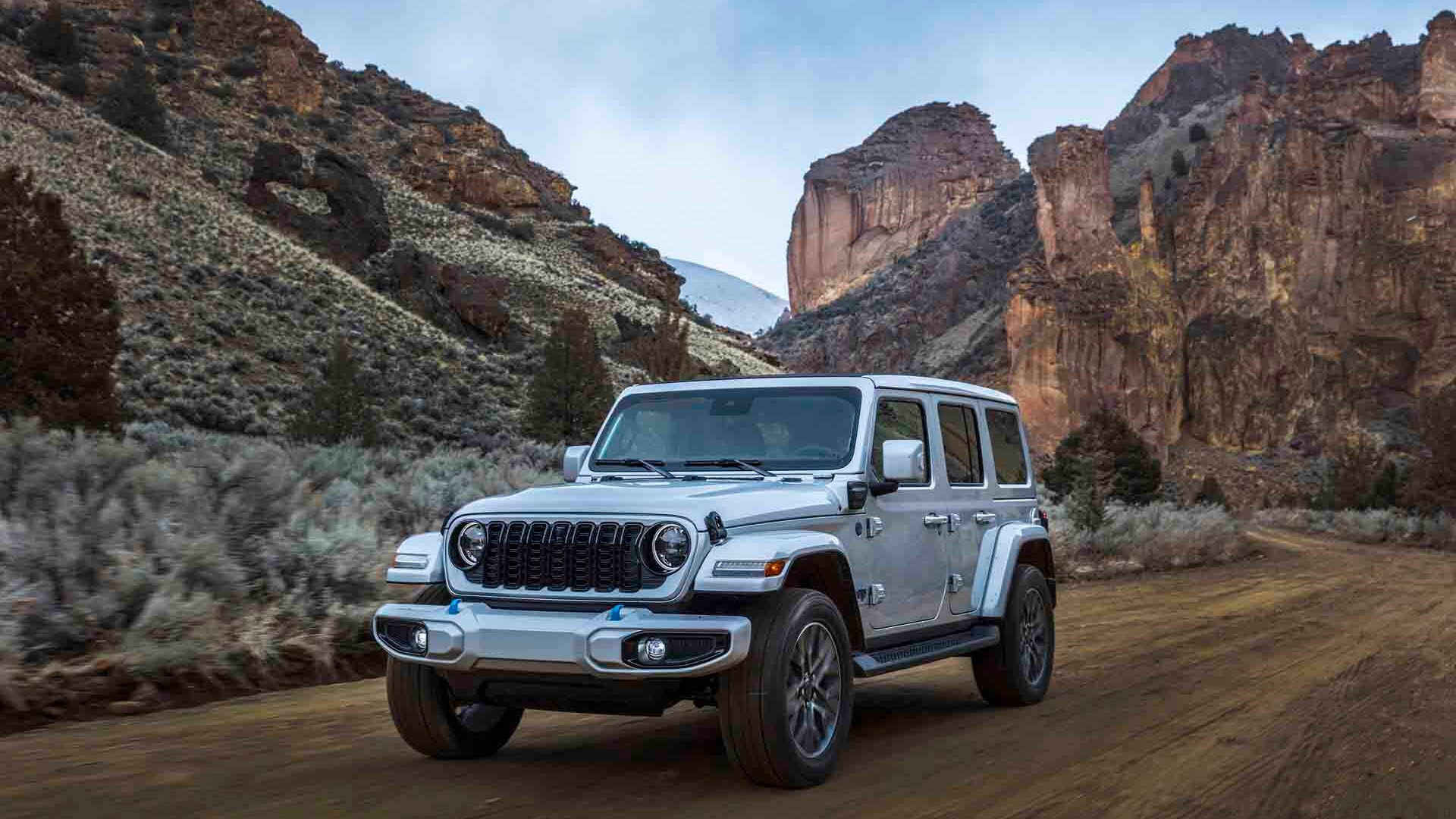
- The Frame Assembly: Provides the structural support for the soft top.
- Bow Assemblies (Front, Middle, Rear): Metal frames that give the top its shape. The front bow typically attaches to the windshield header.
- Door Surrounds (Header Channel): Plastic or metal frames that seal the top against the door openings. These are crucial for preventing leaks.
- Side Rails: Metal rails that run along the sides of the top, connecting the bows and providing a track for the side curtains.
- Support Arms/Linkage: Connect the bow assemblies and allow the top to be folded up and down.
- The Mounting Hardware: Secures the soft top to the Jeep.
- Windshield Header Clamps: Secure the front bow to the windshield frame.
- Belt Rail Attachments: Fasten the rear of the top to the body of the Jeep, usually along the belt rail.
- Knobs, Bolts, and Screws: Used to connect various components of the frame and fabric.
- Retaining Straps: Secure the folded-down soft top to the body.
- The Zippers and Snaps: Used for attaching and securing various parts.
- Window Zippers: Used to attach and detach the side and rear windows.
- Bow Snaps: Secure the fabric to the bows.
Section 2: Detailed Look at Key Components and Their Function
Let's delve deeper into some of the critical components:
- Door Surrounds (Header Channel): These are notorious for causing leaks if not properly installed or if the seals are worn. Ensure they are flush with the door frame and that the seals are intact. Consider replacing them if they are cracked or damaged.
- Windshield Header Clamps: These clamps must be tight to prevent wind noise and leaks. Check them regularly for looseness and tighten as needed. Over-tightening can damage the clamps or the windshield frame.
- Rear Window Retainers: These vary depending on the soft top model. Some use a zipper, while others use a channel system. Correct installation and tension are key to a leak-free seal.
- Bow System: The bows must be properly aligned and tensioned to ensure the top fits correctly and functions smoothly. Check for bent or damaged bows, and lubricate the pivot points to prevent binding.
- Sail Panels: Ensure these are correctly attached and tensioned, as they contribute significantly to the overall look and fit of the top.
Section 3: Common Problems and Solutions Related to Soft Top Parts
- Leaks:
- Cause: Worn door surround seals, loose windshield header clamps, damaged fabric, improperly installed windows, or misaligned bow system.
- Solution: Replace worn seals, tighten clamps, repair or replace damaged fabric, ensure windows are properly zipped and sealed, and realign the bow system.
- Tears and Rips:
- Cause: Exposure to UV rays, abrasion from branches or other objects, stress from wind, or improper folding.
- Solution: Repair small tears with a patch kit designed for soft top fabric. For larger tears, consider replacing the entire top or a specific panel.
- Sticking Zippers:
- Cause: Dirt, debris, or corrosion.
- Solution: Clean the zippers with a brush and lubricate them with a zipper lubricant. Avoid using oil-based lubricants, as they can attract more dirt.
- Difficult Folding:
- Cause: Dry or corroded hinges and pivot points, misaligned bow system, or stiff fabric.
- Solution: Lubricate the hinges and pivot points with a silicone-based lubricant. Check the bow system for proper alignment.
Section 4: Maintenance and Care Tips for Extending Soft Top Life
- Regular Cleaning: Wash the soft top regularly with a mild soap and water solution. Avoid using harsh chemicals or abrasive cleaners.
- UV Protection: Use a UV protectant spray to help prevent fading and cracking.
- Proper Storage: When storing the soft top, clean it thoroughly and store it in a cool, dry place. Avoid folding it too tightly, as this can cause creases and damage.
- Lubrication: Regularly lubricate the zippers, hinges, and pivot points with a silicone-based lubricant.
- Inspect Regularly: Check the soft top regularly for signs of wear and tear, such as tears, cracks, or leaks. Address problems promptly to prevent them from worsening.
Section 5: Finding Parts Diagrams and Replacement Parts
- Jeep Dealerships: Your local Jeep dealership is a good source for OEM parts and diagrams.
- Online Retailers: Numerous online retailers specialize in Jeep parts, such as Quadratec, Morris 4x4 Center, and Amazon. They often provide parts diagrams and detailed product descriptions.
- Aftermarket Manufacturers: Companies like Bestop and Smittybilt offer a wide range of soft tops and replacement parts. Their websites often feature parts diagrams and installation instructions.
- Online Forums and Communities: Jeep forums and communities can be a valuable resource for finding parts diagrams, troubleshooting tips, and recommendations for aftermarket parts.
Section 6: DIY vs. Professional Repair
Whether you should attempt a repair yourself depends on your skill level, the complexity of the repair, and the availability of tools and resources.
- DIY-Friendly Repairs: Replacing a window, lubricating zippers, tightening clamps, and patching small tears.
- Repairs Best Left to Professionals: Replacing the entire soft top, repairing a damaged frame, or addressing complex leaks that require specialized tools and knowledge.
Section 7: Table Price
| Part | Description | Price Range (USD) | Notes |
|---|---|---|---|
| Complete Replacement Soft Top | Replaces the entire top assembly | $500 - $2000+ | Varies by brand, material (sailcloth vs. twill), and features. |
| Door Surrounds (Pair) | Seals the top against the door frame | $80 - $200 | Price depends on material and brand. |
| Rear Window | Replacement rear window panel | $100 - $300 | Varies by material (vinyl vs. tinted glass) and brand. |
| Side Windows (Pair) | Replacement side window panels | $150 - $400 | Varies by material (vinyl vs. tinted glass) and brand. |
| Windshield Header Clamp (Each) | Secures the front bow to the windshield frame | $20 - $50 | Price is per clamp. |
| Bow Assembly (Front, Middle, Rear) | Metal frame that supports the top | $100 - $500+ | Price varies by bow and whether it's OEM or aftermarket. |
| Soft Top Repair Kit | Includes patches, adhesive, and other materials for repairing tears | $20 - $50 | Suitable for small tears and holes. |
| Zipper Lubricant | Lubricates zippers to prevent sticking | $5 - $15 | Use a silicone-based lubricant specifically designed for zippers. |
| Retaining Straps | Secures the folded-down soft top | $10 - $30 | Price is per strap or set of straps. |
| Belt Rail Attachment Kit | Fastens the rear of the top to the body | $30 - $80 | Includes necessary hardware. |
Section 8: Frequently Asked Questions (FAQ)
-
Q: Where can I find a detailed parts diagram for my specific JK soft top model?
- A: Check the manufacturer's website (e.g., Bestop, Smittybilt), online retailers like Quadratec, or Jeep forums. Search using your soft top model number for the most accurate diagram.
-
Q: My soft top is leaking. What's the first thing I should check?
- A: Start with the door surrounds and windshield header clamps. Ensure the seals are in good condition and the clamps are tight. Also, inspect the fabric for tears or damage.
-
Q: Can I replace just one window panel on my soft top?
- A: Yes, individual window panels are typically available for purchase. Make sure to order the correct size and type (vinyl or tinted glass) for your soft top model.
-
Q: How often should I clean and lubricate my soft top?
- A: Clean your soft top every few months or as needed. Lubricate the zippers and hinges at least twice a year, or more frequently if you live in a dusty or humid environment.
-
Q: Is it possible to convert a JK with a hard top to a soft top?
- A: Yes, it is possible, but it requires purchasing a complete soft top kit that includes the frame assembly, fabric top, and all necessary mounting hardware.
Conclusion: Embrace the Open Air with Confidence
Understanding the Jeep Wrangler JK soft top parts diagram is a valuable asset for any JK owner. By familiarizing yourself with the various components, you can effectively troubleshoot problems, perform maintenance, and even upgrade your soft top to suit your needs. Whether you're a seasoned off-roader or a weekend adventurer, mastering the anatomy of your JK soft top will empower you to embrace the open-air freedom that Jeep ownership provides with confidence and peace of mind. Remember to always consult your owner's manual and reliable sources for specific instructions and recommendations related to your particular soft top model. Happy Jeeping!
0 comments