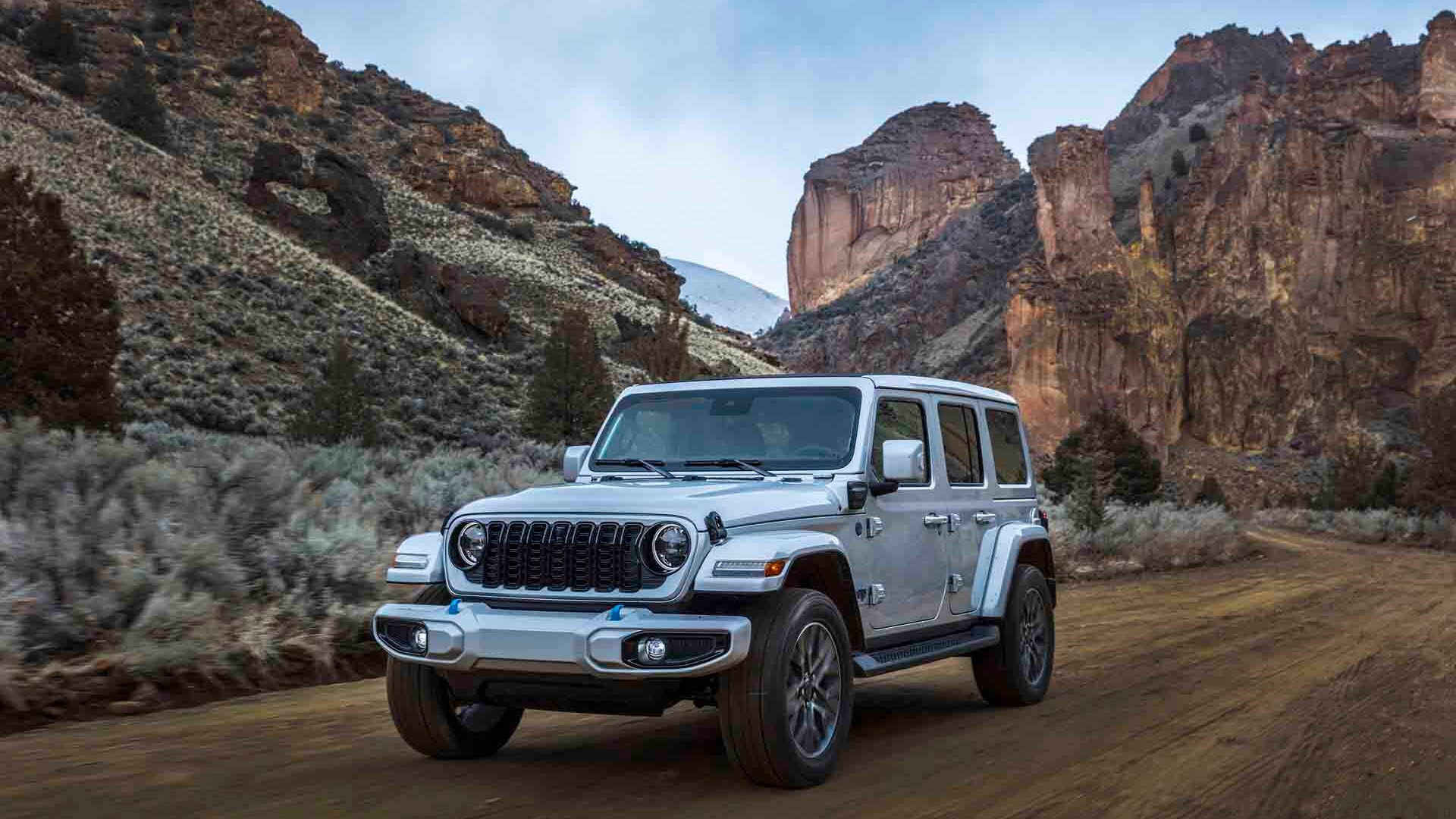
Your Jeep is built for adventure, tackling tough terrain and pushing boundaries. But all that power and capability is meaningless without reliable brakes. Jeep brake parts are the unsung heroes of your vehicle, ensuring safe and controlled stopping in any situation. This comprehensive guide dives deep into the world of Jeep brake parts, covering everything from basic components to advanced upgrades, helping you understand their function, maintenance, and how to choose the right parts for your specific Jeep model and driving style.
Why Understanding Jeep Brake Parts is Crucial
Jeep Brake Parts: A Comprehensive Guide to Stopping Power
Ignoring your brake system is like neglecting the foundation of your house – eventually, everything crumbles. A malfunctioning brake system can lead to:
- Increased Stopping Distance: Potentially leading to accidents.
- Uneven Braking: Causing instability and loss of control.
- Damage to Other Components: Worn brakes can damage rotors and calipers, leading to costly repairs.
- Compromised Safety: Putting you, your passengers, and other drivers at risk.
Understanding the intricacies of your Jeep's brake system empowers you to identify potential problems early, perform routine maintenance, and make informed decisions when it's time for replacements or upgrades.

The Anatomy of a Jeep Brake System
A typical Jeep brake system consists of the following key components:
- Brake Pads: These friction materials press against the rotors to slow the vehicle. They are a wear item and require periodic replacement.
- Brake Rotors (or Discs): These metal discs rotate with the wheels and provide the surface for the brake pads to grip.
- Brake Calipers: These house the brake pads and use hydraulic pressure to squeeze the pads against the rotors.
- Brake Lines: These flexible hoses carry brake fluid from the master cylinder to the calipers.
- Brake Master Cylinder: This reservoir holds brake fluid and generates the hydraulic pressure needed to activate the brakes.
- Brake Booster: This component uses engine vacuum to amplify the force applied to the brake pedal, making it easier to stop.
- Anti-lock Braking System (ABS): A sophisticated system that prevents wheel lockup during hard braking, allowing you to maintain steering control. (Present in most modern Jeeps)
- Emergency/Parking Brake: A mechanical system that applies the brakes independently of the hydraulic system, used for parking or in emergency situations.

Types of Jeep Brake Parts
When it comes to replacing brake components, you'll encounter various types and grades:
- Brake Pads:
- Organic/Non-Asbestos Organic (NAO): Softer, quieter, and less expensive, but wear out faster. Ideal for daily driving.
- Semi-Metallic: A good balance of performance and durability. Suitable for general use and light off-roading.
- Ceramic: Offer excellent stopping power, low noise, and minimal dust. A popular choice for performance-oriented Jeeps.
- Metallic/Severe Duty: Designed for heavy-duty use, such as towing or aggressive off-roading. Can be noisy and wear rotors faster.
- Brake Rotors:
- Solid Rotors: The most common type, offering good heat dissipation for general driving.
- Vented Rotors: Feature internal vanes that improve cooling, making them suitable for performance applications and heavier vehicles.
- Slotted Rotors: Slots on the surface help remove debris and gas from the brake pad contact area, improving braking performance in wet conditions.
- Drilled Rotors: Drilled holes further enhance cooling but can be prone to cracking under extreme stress.
- Cross-Drilled and Slotted Rotors: Combine the benefits of both designs for maximum performance.
- Brake Lines:
- Rubber Brake Lines: Standard equipment, but can expand under pressure, reducing braking efficiency.
- Stainless Steel Braided Brake Lines: Offer improved durability and resistance to expansion, resulting in a firmer brake pedal feel and more consistent braking performance.
Choosing the Right Brake Parts for Your Jeep
Selecting the appropriate brake parts depends on your Jeep model, driving style, and budget. Consider the following factors:
- Driving Habits: If you primarily drive on paved roads, organic or semi-metallic brake pads and solid rotors may suffice. For off-roading or towing, consider ceramic or metallic pads and vented or slotted rotors.
- Jeep Model: Different Jeep models have different brake systems and requirements. Consult your owner's manual or a trusted mechanic for specific recommendations.
- Budget: Brake parts range in price from affordable to high-end. Balance performance and durability with your budget.
- Brand Reputation: Choose reputable brands known for quality and reliability. Some popular brands include Mopar, Raybestos, Power Stop, EBC Brakes, and Hawk Performance.
Replacing Your Jeep's Brake Parts: A Step-by-Step Guide (General Overview)
Disclaimer: Brake work is a critical safety procedure. If you're not comfortable performing these tasks yourself, seek the assistance of a qualified mechanic.
Tools Needed:
- Jack and Jack Stands
- Wheel Chocks
- Socket Set
- Wrench Set
- Brake Pad Spreader or C-Clamp
- Brake Cleaner
- Torque Wrench
- Gloves
- Safety Glasses
Steps:
- Safety First: Park on a level surface, engage the parking brake, and chock the rear wheels.
- Loosen Lug Nuts: Before jacking up the vehicle, loosen the lug nuts on the wheel you'll be working on.
- Jack Up the Vehicle: Use a jack to lift the vehicle and support it with jack stands.
- Remove the Wheel: Remove the lug nuts and carefully remove the wheel.
- Inspect the Brake System: Visually inspect the brake pads, rotors, calipers, and brake lines for wear or damage.
- Remove the Caliper: Disconnect the brake line (if necessary, have a catch pan ready for brake fluid) and remove the caliper mounting bolts.
- Remove Old Brake Pads: Slide the old brake pads out of the caliper.
- Compress the Caliper Piston: Use a brake pad spreader or C-clamp to compress the caliper piston back into its bore.
- Install New Brake Pads: Insert the new brake pads into the caliper.
- Reinstall the Caliper: Reinstall the caliper and tighten the mounting bolts to the manufacturer's specifications.
- Reattach Brake Line: Reconnect the brake line, ensuring a tight seal.
- Replace Rotor (If Necessary): If replacing the rotor, remove the old rotor and install the new one.
- Reinstall the Wheel: Reinstall the wheel and tighten the lug nuts to the proper torque.
- Repeat for Other Wheels: Repeat the process for the other wheels.
- Bleed the Brakes: Bleed the brakes to remove any air from the brake lines.
- Test Drive: After completing the installation, test drive the vehicle to ensure the brakes are functioning properly.
Important Considerations:
- Always replace brake pads in pairs (both sides of the axle).
- Consider replacing rotors when replacing brake pads, especially if the rotors are worn or damaged.
- Use the correct type of brake fluid for your Jeep model.
- Properly torque all bolts to the manufacturer's specifications.
- After replacing brake pads, "bed in" the new pads by performing a series of controlled stops to transfer friction material to the rotors.
Potential Challenges and Solutions:
- Stuck Caliper Bolts: Use penetrating oil and a breaker bar to loosen stubborn bolts.
- Rounded-Off Lug Nuts: Use a lug nut extractor tool to remove rounded-off lug nuts.
- Difficulty Bleeding Brakes: Use a vacuum bleeder or pressure bleeder to assist with bleeding.
- ABS Issues: If you encounter ABS issues after replacing brake parts, consult a qualified mechanic.
Jeep Brake Parts Price Table (Estimates Only, Prices Vary by Brand and Retailer)
| Part | Description | Estimated Price Range |
|---|---|---|
| Brake Pads (Front) | Standard Replacement Pads | $30 - $80 |
| Brake Pads (Rear) | Standard Replacement Pads | $25 - $70 |
| Brake Rotors (Front) | Standard Solid Rotors | $50 - $150 each |
| Brake Rotors (Rear) | Standard Solid Rotors | $40 - $120 each |
| Brake Caliper (Front) | Remanufactured Caliper (with core charge) | $75 - $200 each |
| Brake Caliper (Rear) | Remanufactured Caliper (with core charge) | $70 - $180 each |
| Brake Lines (Set) | Stainless Steel Braided Lines (Complete Set) | $100 - $300 |
| Brake Master Cylinder | New Replacement Master Cylinder | $100 - $300 |
| Brake Booster | New Replacement Brake Booster | $150 - $400 |
| Brake Fluid | DOT 3 or DOT 4 (1 Liter) | $10 - $25 |
Important Note: These are estimated prices and can vary significantly depending on the brand, retailer, and specific Jeep model. Always check with your local auto parts store or online retailer for accurate pricing. Also, labor costs for professional installation are not included in these estimates.
Frequently Asked Questions (FAQ)
- How often should I replace my Jeep's brake pads?
- Brake pad life varies depending on driving habits and pad material. Generally, expect to replace them every 25,000 to 70,000 miles.
- How can I tell if my brake rotors need to be replaced?
- Signs of worn rotors include vibrations while braking, grooves or scoring on the rotor surface, and excessive rust.
- What is brake fade?
- Brake fade occurs when the brakes overheat and lose their effectiveness. This can be caused by excessive braking or worn brake components.
- What is brake bedding?
- Brake bedding is the process of transferring friction material from the brake pads to the rotors to optimize braking performance.
- Can I upgrade my Jeep's brakes for better performance?
- Yes, you can upgrade your brakes with higher-performance pads, rotors, calipers, and brake lines.
- Why is my brake pedal spongy?
- A spongy brake pedal is usually caused by air in the brake lines. Bleed the brakes to remove the air.
- What does ABS do?
- ABS prevents wheel lockup during hard braking, allowing you to maintain steering control.
- Is it okay to mix different brands of brake fluid?
- It is generally not recommended to mix different brands or types of brake fluid. Always use the correct type of brake fluid specified in your owner's manual.
Conclusion
Maintaining your Jeep's brake system is paramount for safety and performance. By understanding the components, types, and maintenance procedures, you can ensure your Jeep has the stopping power it needs to conquer any adventure. Remember to choose the right brake parts for your specific needs and always prioritize safety when performing brake work. When in doubt, consult a qualified mechanic for assistance. A well-maintained brake system provides peace of mind, allowing you to confidently explore the world in your Jeep.
0 comments