The Jeep Renegade, with its distinctive styling and off-road capability, has carved a niche for itself in the subcompact SUV market. Whether you're navigating city streets or tackling rugged trails, the Renegade's body is its first line of defense against the elements and potential damage. Understanding Jeep Renegade body parts is crucial for maintaining its appearance, ensuring structural integrity, and even customizing it to reflect your personal style. This comprehensive guide will delve into the various body components, providing you with the knowledge to repair, restore, or personalize your Renegade.
Why Understanding Jeep Renegade Body Parts Matters
Jeep Renegade Body Parts: A Comprehensive Guide to Repair, Restoration, and Customization
Knowing about the various body parts of your Renegade isn't just for mechanics or body shop professionals. It empowers you as an owner to:
- Identify Damage Accurately: Recognizing specific parts helps you communicate effectively with repair shops and insurance companies, ensuring accurate estimates and efficient repairs.
- Make Informed Repair Decisions: Understanding the function and cost of different components allows you to weigh repair options and choose the best solution for your budget and needs.
- Perform DIY Repairs and Upgrades: For simpler repairs or cosmetic enhancements, knowing the part names and how they connect can enable you to tackle projects yourself, saving money and gaining valuable experience.
- Personalize Your Renegade: From adding aftermarket bumpers to changing the grille, understanding body parts unlocks a world of customization possibilities, allowing you to create a unique look for your Renegade.
Key Body Parts of the Jeep Renegade: An In-Depth Look

Let's break down the main body parts of a Jeep Renegade, exploring their function, potential issues, and replacement considerations.
1. Front Fascia (Bumper):
- Function: The front fascia, often referred to as the bumper, provides crucial impact protection in the event of a collision. It also houses fog lights, tow hooks (on some models), and contributes significantly to the vehicle's overall aesthetics.
- Common Issues: Scratches, dents, cracks from minor impacts or off-road adventures.
- Replacement Considerations: Aftermarket options range from rugged off-road bumpers with integrated winches to sleeker, more aerodynamic designs. Consider the material (plastic, steel, aluminum) and its impact on weight and durability.

2. Grille:
- Function: The grille not only protects the radiator and engine components from road debris but also defines the Renegade's signature Jeep look. The iconic seven-slot grille is a hallmark of the brand.
- Common Issues: Cracks, breakage due to impacts, fading from sun exposure.
- Replacement Considerations: Aftermarket grilles offer a variety of styles, from aggressive mesh designs to retro-inspired versions. Some even incorporate LED lighting for added visibility.
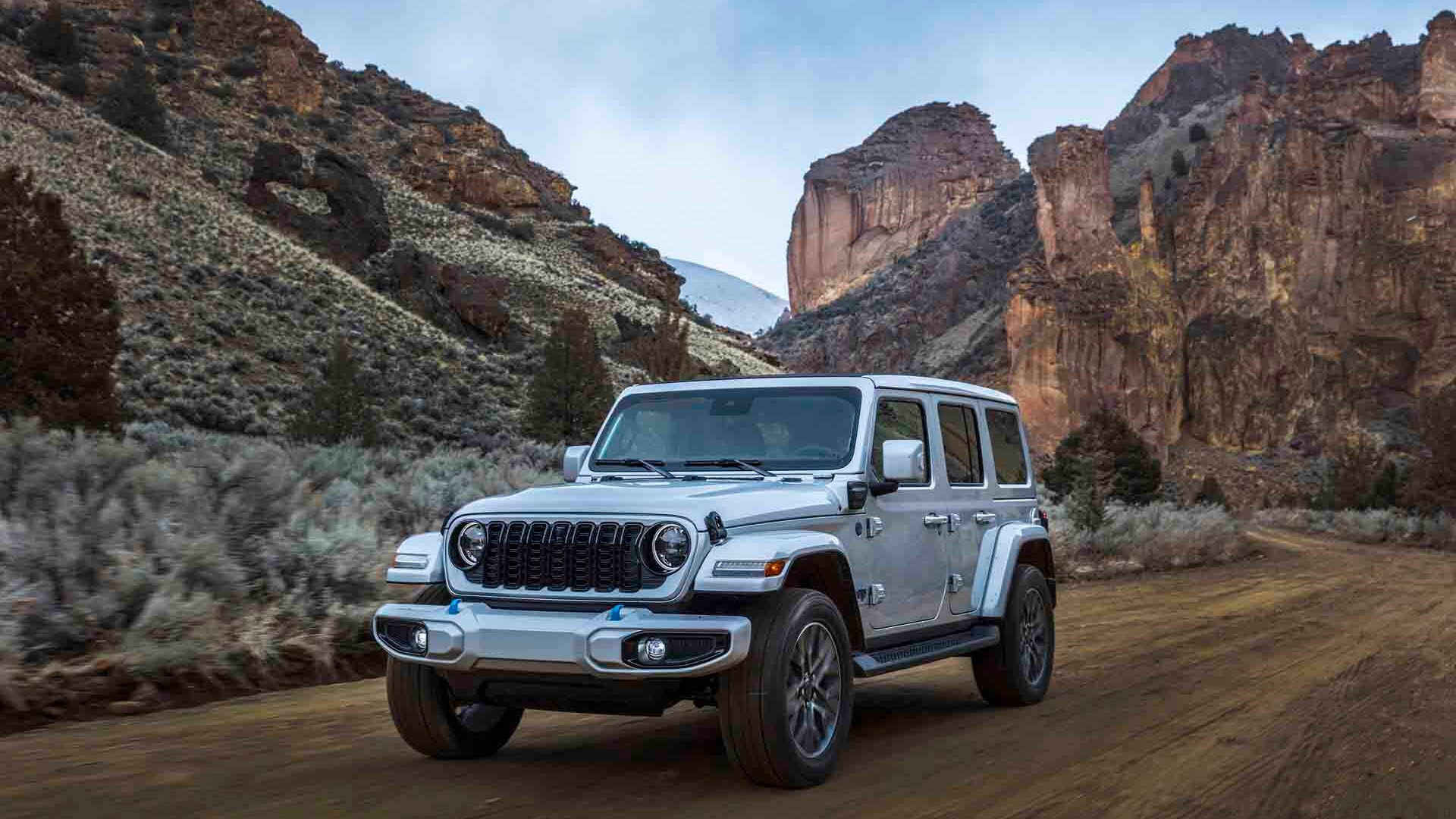
3. Hood:
- Function: The hood covers and protects the engine compartment.
- Common Issues: Dents from hail or falling objects, rust (especially in areas with harsh winters).
- Replacement Considerations: Ensure the replacement hood matches the original specifications for proper fit and functionality. Consider a hood protector to minimize future damage.
4. Fenders:
- Function: Fenders protect the wheels and tires from the elements and prevent road spray from splashing onto other vehicles.
- Common Issues: Dents, scratches, rust, particularly around the wheel wells.
- Replacement Considerations: Aftermarket fender flares can provide additional tire coverage and a more aggressive look. Some flares are designed to accommodate larger tires.
5. Doors:
- Function: Provide access to the vehicle's interior and offer structural support.
- Common Issues: Dents, scratches, rust, damage to door handles or hinges.
- Replacement Considerations: Ensuring proper alignment is crucial when replacing a door. Consider the paint finish and whether you need to transfer components like door handles and power windows.
6. Rocker Panels:
- Function: Located beneath the doors, rocker panels provide structural support and protect the vehicle's undercarriage.
- Common Issues: Dents, rust, especially from off-road impacts or road salt.
- Replacement Considerations: Rocker panel replacement often requires welding and specialized tools. Consider adding rocker guards for enhanced protection.
7. Rear Quarter Panels:
- Function: Form the sides of the vehicle behind the rear doors.
- Common Issues: Dents, scratches, rust, often from parking lot accidents or off-road encounters.
- Replacement Considerations: Rear quarter panel repairs can be complex and often require specialized bodywork.
8. Rear Fascia (Bumper):
- Function: Similar to the front fascia, the rear bumper provides impact protection and houses taillights and parking sensors (on some models).
- Common Issues: Scratches, dents, cracks from minor collisions.
- Replacement Considerations: Aftermarket options include bumpers with integrated trailer hitches or reinforced designs for off-road use.
9. Liftgate/Tailgate:
- Function: Provides access to the cargo area.
- Common Issues: Dents, scratches, damage to hinges or latch mechanisms.
- Replacement Considerations: Ensure the replacement liftgate matches the original specifications for proper fit and functionality. Consider the paint finish and whether you need to transfer components like the rear wiper motor and license plate lights.
10. Side Mirrors:
- Function: Provide rear visibility.
- Common Issues: Broken glass, damaged housing, malfunctioning power adjustments.
- Replacement Considerations: Aftermarket mirrors can offer features like blind-spot monitoring, heated glass, and integrated turn signals.
Practical Advice and Actionable Insights:
- Document Damage: Take photos and videos of any damage to your Renegade's body before starting repairs. This documentation can be invaluable when dealing with insurance companies.
- Get Multiple Quotes: Before committing to any repairs, obtain estimates from several reputable body shops.
- Consider Used Parts: For minor repairs, consider sourcing used body parts from salvage yards. This can significantly reduce costs.
- Use Quality Products: When performing DIY repairs, use high-quality paints, primers, and sealants to ensure a durable and professional finish.
- Protect Your Investment: Invest in protective accessories like mud flaps, rocker guards, and bumper protectors to minimize future damage.
Potential Challenges and Solutions:
- Rust Repair: Rust can be a persistent problem, especially in areas with harsh winters. Thoroughly remove all traces of rust before applying primer and paint. Consider using a rust converter to prevent future corrosion.
- Paint Matching: Achieving a perfect paint match can be challenging. Take your Renegade to a professional paint shop for color matching and blending.
- Body Alignment: Proper body alignment is crucial for safety and aesthetics. If you're replacing a major body panel, consult with a professional to ensure proper alignment.
- Finding Obsolete Parts: For older Renegade models, finding specific body parts can be difficult. Explore online forums and salvage yards for potential sources.
Jeep Renegade Body Parts: Price Table
| Part Name | Approximate Price Range (USD) | Notes |
|---|---|---|
| Front Bumper | $200 - $800 | Price varies depending on material (plastic vs. steel), features (fog lights, tow hooks), and brand. |
| Grille | $100 - $500 | Price varies depending on style, material, and whether it includes any additional lighting features. |
| Hood | $300 - $1000 | Price varies depending on material (steel vs. aluminum) and whether it's OEM or aftermarket. |
| Fender | $150 - $600 | Price varies depending on whether it's front or rear, material, and whether it's OEM or aftermarket. |
| Door (Complete) | $500 - $1500 | Price varies depending on whether it's new, used, or remanufactured, and whether it includes hardware. |
| Rocker Panel | $100 - $400 | Price is per panel. Installation often requires welding. |
| Rear Bumper | $200 - $700 | Similar to front bumper, price varies depending on material, features, and brand. |
| Liftgate/Tailgate | $400 - $1200 | Price varies depending on whether it's new, used, or remanufactured, and whether it includes hardware. |
| Side Mirror | $50 - $400 | Price varies depending on features (power adjustment, heated glass, blind-spot monitoring). |
| Headlight Assembly | $150 - $500 (per headlight) | Price varies depending on type (halogen, LED, HID) and brand. |
| Taillight Assembly | $100 - $300 (per taillight) | Price varies depending on type (LED, standard) and brand. |
| Fender Flare (Set) | $200 - $600 | Price for a set of four. Material and style influence the price. |
Disclaimer: These prices are estimates and can vary depending on the specific year, model, and location. It's always best to get a quote from a reputable supplier or body shop. Labor costs for installation are not included in these prices.
Frequently Asked Questions (FAQ):
- Q: Where can I find Jeep Renegade body parts?
- A: You can find them at authorized Jeep dealerships, online retailers specializing in automotive parts, aftermarket parts suppliers, and salvage yards.
- Q: What's the difference between OEM and aftermarket body parts?
- A: OEM (Original Equipment Manufacturer) parts are made by the same manufacturer that produced the original parts for your Renegade. Aftermarket parts are made by third-party manufacturers and can offer a wider range of styles and price points.
- Q: How do I know if a body part is compatible with my Renegade?
- A: Always check the part number and vehicle compatibility information before purchasing any body part. Consult with a mechanic or parts specialist if you're unsure.
- Q: Can I paint body parts myself?
- A: Yes, but achieving a professional-looking finish requires proper preparation, painting techniques, and equipment. Consider hiring a professional if you're not confident in your painting skills.
- Q: How do I protect my Renegade's body from rust?
- A: Regularly wash and wax your Renegade, especially during winter months when road salt is prevalent. Address any scratches or chips in the paint immediately to prevent rust from forming. Consider applying a rust inhibitor to vulnerable areas.
Conclusion:
Understanding the various body parts of your Jeep Renegade empowers you to maintain its appearance, ensure its structural integrity, and personalize it to your liking. Whether you're tackling minor repairs, sourcing replacement parts, or exploring customization options, this guide provides a solid foundation of knowledge. By taking proactive steps to protect your Renegade's body, you can ensure it remains a stylish and capable companion for years to come. Remember to prioritize safety, consult with professionals when needed, and enjoy the journey of maintaining and personalizing your Jeep Renegade.
0 comments