The Jeep YJ, with its distinctive square headlights, holds a special place in the hearts of off-road enthusiasts. Produced from 1987 to 1995, the YJ marked a significant shift from the CJ series while retaining the rugged charm that defines the Jeep brand. However, like any vehicle of its age, maintaining a YJ requires a good understanding of its engine and the availability of reliable Jeep YJ engine parts. This guide will delve into the intricacies of YJ engine parts, covering everything from common components to upgrades, maintenance tips, and troubleshooting advice. Whether you're a seasoned mechanic or a weekend warrior, this comprehensive resource will help you keep your square-eyed classic running strong.
Introduction: Understanding the Heart of Your YJ
Jeep YJ Engine Parts: A Comprehensive Guide to Keeping Your Square-Eyed Classic Alive
Jeep YJ engine parts encompass a vast array of components that work in concert to power your vehicle. From the robust inline-four and inline-six engines to the essential cooling and fuel systems, understanding these parts is crucial for proper maintenance, repairs, and performance enhancements. The availability of quality replacement parts is essential for keeping these older vehicles on the road and performing optimally. Ignoring worn or damaged engine components can lead to decreased performance, increased fuel consumption, and potentially catastrophic engine failure. Knowing where to find the right parts and how to properly install them can save you time, money, and frustration in the long run.
Section 1: The Engine Lineup: A Look at YJ Power Plants
The Jeep YJ offered three engine options during its production run:
-
2.5L AMC Inline-Four (I4): This engine was the base option, providing adequate power for everyday driving and light off-roading. It was known for its reliability but sometimes lacked the grunt needed for challenging trails.
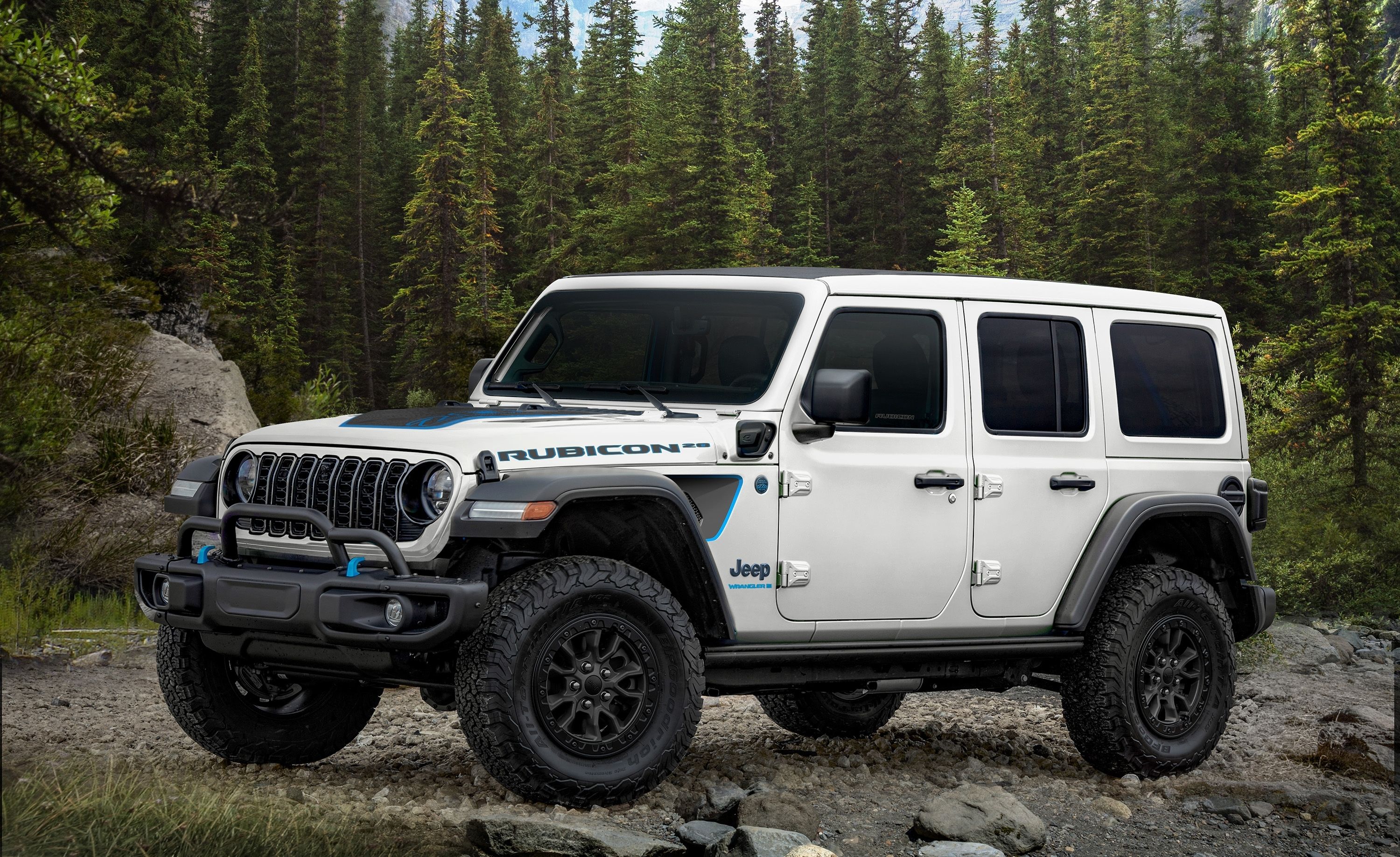
4.2L AMC Inline-Six (I6): The 4.2L I6 was the workhorse of the YJ lineup, delivering a significant boost in torque compared to the I4. It was a popular choice for off-road enthusiasts due to its robust performance and durability. It utilized a carburetor for fuel delivery.
-
4.0L Chrysler Inline-Six (I6): Introduced in 1991, the 4.0L I6 replaced the 4.2L. This engine was a significant improvement, featuring fuel injection for enhanced performance, fuel efficiency, and reliability. It quickly became the preferred choice for YJ owners.
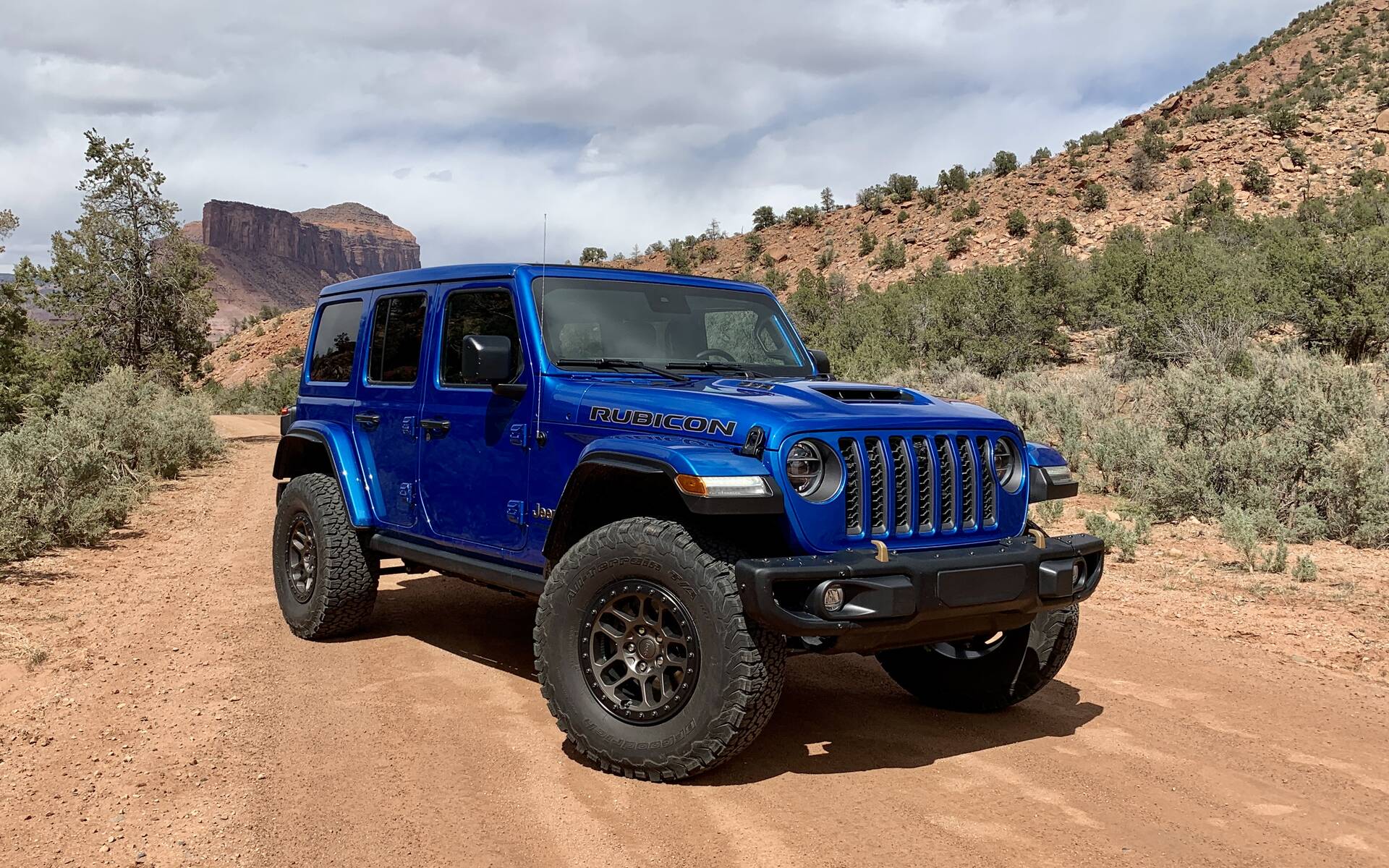
Each engine has its unique set of parts and potential issues. Understanding the specific engine in your YJ is the first step towards proper maintenance and repair.
Section 2: Essential Engine Parts: A Detailed Overview
Let's break down some of the most important engine parts in your Jeep YJ:
- Cylinder Head: Houses the valves, spark plugs, and combustion chambers. Cracks or warping can lead to significant engine problems.
- Engine Block: The foundation of the engine, housing the cylinders, crankshaft, and other internal components.
- Pistons: Move up and down within the cylinders, compressing the air-fuel mixture and transferring power to the crankshaft.
- Connecting Rods: Connect the pistons to the crankshaft, transmitting the piston's motion.
- Crankshaft: Converts the reciprocating motion of the pistons into rotational motion, which powers the vehicle.
- Camshaft: Controls the opening and closing of the valves, regulating the flow of air and exhaust gases.
- Valves: Allow air and fuel to enter the cylinders and exhaust gases to exit.
- Timing Chain/Belt: Synchronizes the rotation of the crankshaft and camshaft, ensuring proper valve timing.
- Oil Pump: Circulates oil throughout the engine, lubricating moving parts and preventing wear.
- Water Pump: Circulates coolant through the engine and radiator, preventing overheating.
- Radiator: Dissipates heat from the coolant, keeping the engine at its optimal operating temperature.
- Distributor (4.2L): Distributes high-voltage electricity to the spark plugs in the correct firing order.
- Fuel Injectors (4.0L): Atomize fuel and spray it into the intake manifold.
- Sensors (4.0L): Various sensors (e.g., oxygen sensor, crankshaft position sensor, throttle position sensor) monitor engine performance and provide data to the engine control unit (ECU).
- ECU (4.0L): Controls various engine functions, such as fuel injection, ignition timing, and idle speed.

Section 3: Maintenance and Care: Keeping Your YJ Engine Healthy
Regular maintenance is crucial for extending the life of your YJ engine. Here are some essential tips:
- Oil Changes: Follow the recommended oil change intervals (typically every 3,000 miles or 3 months). Use the correct type and weight of oil for your engine.
- Coolant Flushes: Flush the cooling system every two years to remove contaminants and prevent corrosion. Use the correct type of coolant.
- Spark Plug Replacement: Replace spark plugs according to the manufacturer's recommendations.
- Air Filter Replacement: Replace the air filter regularly to ensure proper airflow to the engine.
- Fuel Filter Replacement: Replace the fuel filter to prevent contaminants from reaching the fuel injectors (4.0L) or carburetor (4.2L).
- Check Belts and Hoses: Inspect belts and hoses for cracks, wear, and leaks. Replace them as needed.
- Valve Adjustments (4.2L): The 4.2L engine requires periodic valve adjustments to maintain optimal performance.
- Monitor Engine Temperature: Pay attention to the engine temperature gauge and address any overheating issues promptly.
Section 4: Common Problems and Troubleshooting
Jeep YJ engines, like any mechanical system, are prone to certain problems. Here are some common issues and potential solutions:
- Overheating: Check the coolant level, radiator, water pump, thermostat, and cooling fan.
- Oil Leaks: Inspect the valve cover gasket, oil pan gasket, rear main seal, and other potential leak points.
- Rough Idle: Check the spark plugs, ignition wires, distributor cap and rotor (4.2L), fuel injectors (4.0L), vacuum leaks, and idle air control valve (4.0L).
- Loss of Power: Check the air filter, fuel filter, spark plugs, ignition timing, and compression.
- Starting Problems: Check the battery, starter, solenoid, and ignition system.
- Carburetor Issues (4.2L): The 4.2L carburetor can be prone to clogging and other issues. Consider a carburetor rebuild or upgrade.
- Fuel Injection Problems (4.0L): Check the fuel injectors, fuel pump, fuel pressure regulator, and sensors.
- "Death Wobble": While not strictly an engine problem, this severe front-end vibration can be exacerbated by engine issues. Address any engine-related vibrations before tackling the suspension.
Section 5: Performance Upgrades: Enhancing Your YJ's Power
For those seeking more power from their YJ, several performance upgrades are available:
- Headers and Exhaust Systems: Improve exhaust flow for increased horsepower and torque.
- Performance Camshaft: Increases valve lift and duration for improved engine breathing.
- Fuel Injection Conversion (for 4.2L): Converting the 4.2L to fuel injection can significantly improve performance and fuel efficiency.
- Cylinder Head Porting and Polishing: Improves airflow through the cylinder head.
- Throttle Body Upgrade (4.0L): Increases airflow to the engine.
- Supercharger/Turbocharger: Provides a significant boost in horsepower and torque.
- Engine Swap: Consider swapping in a more powerful engine, such as a V8.
Section 6: Finding the Right Parts: Where to Look
Finding quality Jeep YJ engine parts is crucial for a successful repair or upgrade. Here are some options:
- Local Auto Parts Stores: Offer a convenient option for basic replacement parts.
- Online Retailers: Provide a wide selection of parts at competitive prices. Popular options include Quadratec, Morris 4x4 Center, and Amazon.
- Jeep Forums and Clubs: Offer a valuable resource for finding used parts and advice from other YJ owners.
- Junkyards: Can be a good source for hard-to-find parts at affordable prices.
- Specialty Jeep Parts Suppliers: Focus specifically on Jeep parts and often offer a wider selection of performance and restoration parts.
Section 7: Important Considerations Before You Start
Before tackling any engine work on your YJ, consider these factors:
- Your Skill Level: Be honest about your mechanical abilities. Some repairs are best left to professionals.
- Tools and Equipment: Make sure you have the necessary tools and equipment for the job.
- Service Manual: A service manual is an invaluable resource for detailed instructions and specifications.
- Safety: Always disconnect the battery before working on the electrical system. Wear safety glasses and gloves.
- Budget: Engine repairs can be expensive. Get a realistic estimate of the cost before you start.
- Time Commitment: Engine work can take longer than expected. Plan accordingly.
Table Price: Jeep YJ Engine Parts
| Part Name | Description | Estimated Price Range |
|---|---|---|
| Cylinder Head (Remanufactured) | Complete, ready to install | $300 - $800 |
| Engine Block (Bare) | New or remanufactured block | $500 - $1500 |
| Piston Kit | Set of pistons, rings, and wrist pins | $150 - $400 |
| Connecting Rod | Single connecting rod | $50 - $150 |
| Crankshaft (Remanufactured) | Reconditioned crankshaft | $200 - $600 |
| Camshaft | Performance or stock replacement | $100 - $400 |
| Valve Set | Set of intake and exhaust valves | $50 - $200 |
| Timing Chain/Belt Kit | Includes chain/belt, sprockets, and tensioner | $50 - $200 |
| Oil Pump | New or remanufactured | $50 - $150 |
| Water Pump | New water pump with gasket | $30 - $100 |
| Radiator | Aluminum or copper/brass radiator | $100 - $300 |
| Distributor (4.2L) | Remanufactured distributor | $100 - $250 |
| Fuel Injector (4.0L) | Single fuel injector | $30 - $100 |
| O2 Sensor (4.0L) | Oxygen sensor | $30 - $80 |
| ECU (4.0L) | Remanufactured Engine Control Unit | $200 - $500 |
| Head Gasket Set | Complete set of gaskets for cylinder head | $30 - $100 |
| Oil Pan Gasket | Gasket for the oil pan | $10 - $30 |
| Valve Cover Gasket | Gasket for the valve cover | $10 - $30 |
| Spark Plugs | Set of spark plugs (6) | $20 - $60 |
| Air Filter | Paper or reusable air filter | $10 - $30 |
| Fuel Filter | Inline fuel filter | $10 - $30 |
| Serpentine Belt | Multi-ribbed belt for accessories | $20 - $50 |
| Thermostat | Thermostat for coolant temperature regulation | $10 - $30 |
Note: Prices are estimates and may vary depending on the brand, vendor, and condition of the part.
Frequently Asked Questions (FAQ)
-
Q: What type of oil should I use in my YJ?
- A: Consult your owner's manual for the recommended oil type and weight. Typically, 10W-30 or 10W-40 is suitable for most YJ engines.
-
Q: How often should I change my oil?
- A: Every 3,000 miles or 3 months, whichever comes first.
-
Q: My YJ is overheating. What could be the problem?
- A: Potential causes include low coolant level, a faulty thermostat, a clogged radiator, a failing water pump, or a blown head gasket.
-
Q: My YJ has a rough idle. What should I check?
- A: Check the spark plugs, ignition wires, distributor cap and rotor (4.2L), fuel injectors (4.0L), vacuum leaks, and idle air control valve (4.0L).
-
Q: Can I convert my 4.2L to fuel injection?
- A: Yes, fuel injection conversion kits are available. This can improve performance and fuel efficiency.
-
Q: Where can I find a service manual for my YJ?
- A: Service manuals are available online or at auto parts stores. Chilton and Haynes manuals are popular choices.
Conclusion: Keeping the YJ Spirit Alive
Maintaining and upgrading your Jeep YJ engine requires knowledge, patience, and access to quality parts. By understanding the intricacies of your engine, performing regular maintenance, and addressing problems promptly, you can keep your square-eyed classic running strong for years to come. Whether you're tackling a simple oil change or embarking on a full engine rebuild, remember to prioritize safety, use the right tools, and consult a service manual when needed. With a little dedication, you can keep the spirit of the YJ alive and enjoy the open road (or the off-road trail) in your iconic Jeep.

0 comments