The roar of a Jeep, conquering trails and embodying freedom, is a feeling many enthusiasts crave. But that feeling can sometimes be hampered by the reality of Jeep ownership: parts break, modifications beckon, and the costs can quickly add up. Enter the junkyard, a treasure trove of affordable parts just waiting to be rediscovered and given a second life. This comprehensive guide will navigate the world of junkyard Jeep parts, equipping you with the knowledge and strategies to resurrect your ride without breaking the bank.
What are Junkyard Jeep Parts and Why Should You Care?
Junkyard Jeep Parts: A Comprehensive Guide to Resurrecting Your Ride on a Budget
Junkyard Jeep parts, simply put, are components salvaged from Jeeps that have reached the end of their road life. These vehicles, often involved in accidents or suffering from mechanical failures, are disassembled, and their usable parts are sold to individuals and businesses.
The importance of junkyard Jeep parts stems from several factors:
- Cost Savings: This is the biggest draw. Junkyard parts are significantly cheaper than new or even aftermarket alternatives. You can save hundreds, even thousands, of dollars on repairs and modifications.
- Availability of Discontinued Parts: Older Jeeps, especially classic models, often require parts that are no longer manufactured. Junkyards can be the only place to find these elusive components.
- Sustainability and Recycling: By purchasing used parts, you're contributing to the recycling of automotive materials, reducing waste and minimizing the environmental impact of manufacturing new parts.
- Building Unique Builds: Junkyards offer a chance to experiment and customize your Jeep with parts from different models or years, creating a truly unique and personalized machine.
- Preserving Jeep History: For Jeep enthusiasts, restoring a classic model with original parts is a labor of love. Junkyards are a crucial resource for sourcing these historically accurate components.
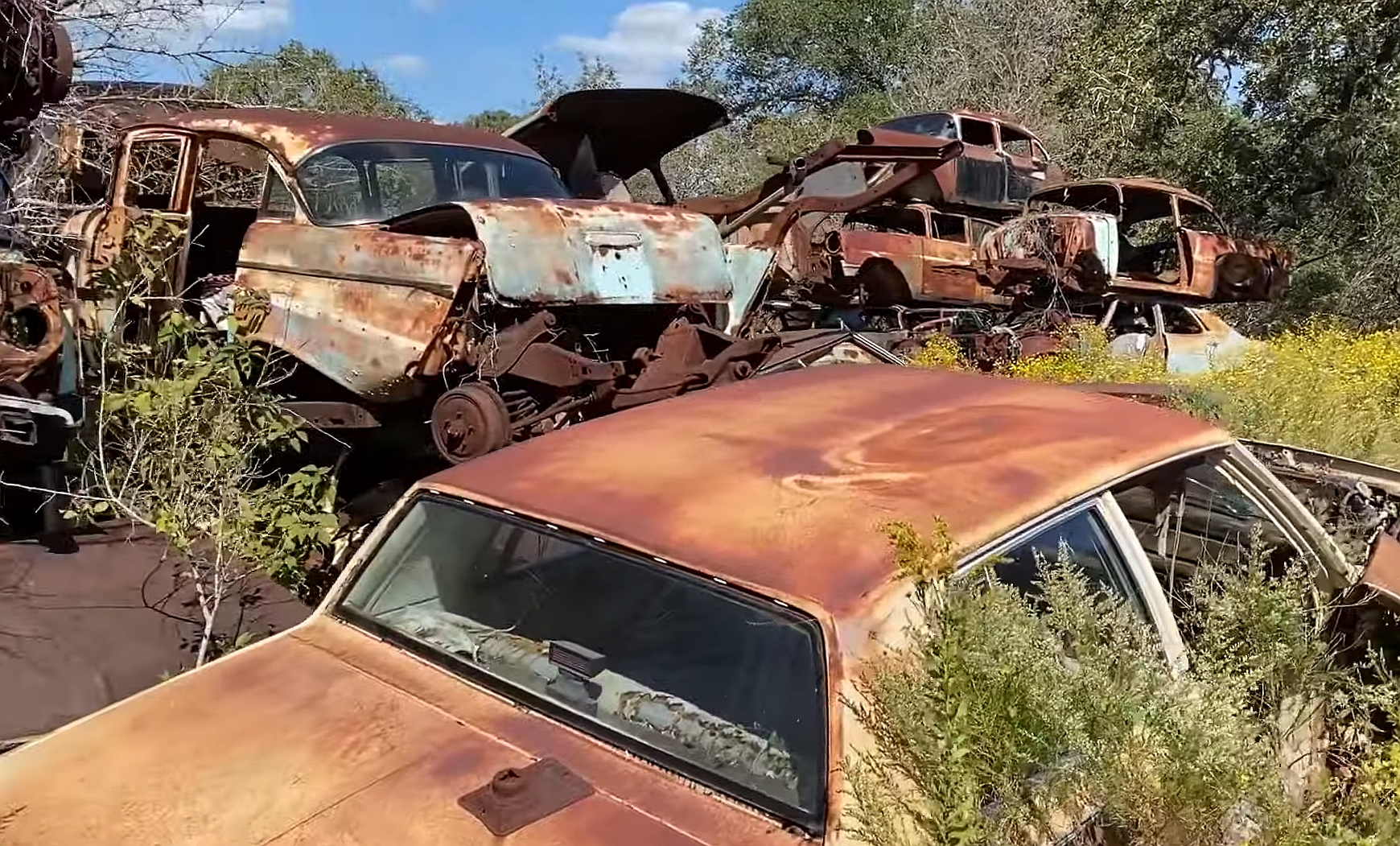
Navigating the Junkyard: A Step-by-Step Guide
Finding the right part in a junkyard can seem daunting, but with a little preparation and strategy, you can maximize your chances of success:

Identify Your Needs: Before you even set foot in a junkyard, know exactly what you're looking for. Be specific: Year, make, model, and the exact part number if possible. This will save you considerable time and frustration. Online parts catalogs and forums can be invaluable resources for identifying the correct part.
-
Research Junkyards: Not all junkyards are created equal. Some specialize in specific types of vehicles, while others have a wider selection. Look for junkyards that specifically cater to Jeeps or have a large inventory of off-road vehicles. Online reviews and directories can help you identify reputable and well-organized junkyards in your area.
-
Call Ahead: Before visiting, call the junkyard and inquire about the availability of the part you need. Ask if they have any Jeeps of the specific year and model you're looking for. This can save you a wasted trip.
-
Gear Up: Dress appropriately for the environment. Wear sturdy shoes, gloves, and clothes that you don't mind getting dirty. Bring your own tools: wrenches, sockets, screwdrivers, pliers, a hammer, a pry bar, and a multimeter (for electrical components). A flashlight and a parts cleaner are also helpful.
-
Inspect the Vehicle: Once you locate a Jeep with the desired part, thoroughly inspect the vehicle. Look for signs of damage, rust, or wear. Check the condition of the part itself, paying close attention to any cracks, breaks, or corrosion.
-
Test the Part (If Possible): If the part is accessible and you have the necessary tools, try to test it before removing it. For example, you can test a starter by connecting it to a battery. This will help you avoid wasting time and effort on a faulty part.
-
Negotiate the Price: Junkyard prices are often negotiable. Don't be afraid to haggle, especially if the part is in less-than-perfect condition.
-
Remove the Part Carefully: Use the appropriate tools and techniques to remove the part without damaging it or the surrounding components. Take your time and be patient. If you're unsure how to remove a particular part, consult a repair manual or watch a YouTube video.
-
Clean and Inspect the Part Again: Once you've removed the part, clean it thoroughly and inspect it again for any hidden damage.
-
Keep Records: Make a note of the year, make, and model of the Jeep the part came from. This information can be helpful if you need to order replacement parts or troubleshoot any issues later on.
Benefits of Using Junkyard Jeep Parts
- Significant Cost Savings: As mentioned earlier, this is the primary advantage.
- Access to Rare or Discontinued Parts: Critical for restoring older Jeeps.
- Environmentally Friendly: Promotes recycling and reduces waste.
- Customization Opportunities: Allows for unique and personalized builds.
- Learning Experience: Hands-on experience with automotive repair and maintenance.
Important Considerations and Potential Challenges
- Part Condition: Junkyard parts are used, so their condition can vary greatly. Thorough inspection is crucial.
- Compatibility: Ensure the part is compatible with your specific Jeep model and year. Double-check part numbers.
- Warranty: Junkyard parts typically don't come with a warranty. Consider this risk when making your purchase. Some junkyards offer limited warranties or exchange policies.
- Tools and Skills: Removing parts from a junkyard requires basic mechanical skills and tools.
- Time and Effort: Finding the right part can take time and effort. Be prepared to spend several hours searching and removing parts.
- Safety: Junkyards can be hazardous environments. Wear appropriate safety gear and be aware of your surroundings.
- Ethical Considerations: Only take parts that you have paid for. Respect the junkyard's rules and regulations.
Types of Junkyard Jeep Parts to Consider
- Engines and Transmissions: Major components, but require careful inspection and potentially rebuilding.
- Axles and Differentials: Essential for off-roading, but check for wear and damage.
- Body Panels: Fenders, doors, hoods, and other body panels can be a cost-effective way to repair accident damage.
- Interior Components: Seats, dashboards, consoles, and other interior parts can be used to restore or upgrade your Jeep's interior.
- Electrical Components: Starters, alternators, distributors, and other electrical parts can be a good value, but test them before installing.
- Suspension Components: Springs, shocks, and control arms can be used to improve your Jeep's ride quality and off-road performance.
- Wheels and Tires: A cost-effective way to upgrade your Jeep's wheels and tires.
Tips for Success
- Bring a Friend: Having a second pair of hands can be helpful, especially when removing heavy parts.
- Take Pictures: Before removing a part, take pictures of its location and how it's connected. This will help you remember how to install it later.
- Label Everything: Label all the parts you remove and store them in a safe place.
- Be Patient: Finding the right part can take time, so be patient and persistent.
- Join a Jeep Forum: Jeep forums are a great resource for information and advice on finding and using junkyard parts.
Junkyard Jeep Parts: Price Guide
| Part | Condition | Average Junkyard Price | Average New Part Price | Notes |
|---|---|---|---|---|
| Engine (4.0L Inline-6) | Used, Untested | $300 - $700 | $2500 - $4000 | Price varies greatly depending on mileage and condition. Consider a rebuild. |
| Transmission (AW4 Auto) | Used, Untested | $200 - $500 | $1500 - $3000 | Check for smooth shifting and fluid leaks. |
| Front Axle (Dana 30) | Used | $150 - $300 | $800 - $1500 | Inspect for bent axle tubes and worn ball joints. |
| Rear Axle (Dana 35) | Used | $100 - $250 | $600 - $1200 | A less desirable axle; consider upgrading to a Dana 44 if possible. |
| Fender | Used, Minor Damage | $50 - $100 | $200 - $400 | Check for rust and dents. |
| Door | Used, Good Condition | $100 - $200 | $500 - $800 | Check for rust and proper alignment. |
| Starter Motor | Used, Tested | $30 - $50 | $100 - $200 | Test before purchasing. |
| Alternator | Used, Tested | $40 - $60 | $150 - $300 | Test before purchasing. |
| Jeep Wrangler Soft Top | Used, good condition | $150 - $400 | $500 - $2000 | Check for rips, tears, or missing hardware. |
Note: These prices are estimates and can vary depending on the junkyard, the condition of the part, and your negotiation skills.
Frequently Asked Questions (FAQ)
- Q: Is it safe to use junkyard parts?
- A: Yes, but thorough inspection is crucial. Check for damage, wear, and compatibility.
- Q: Do junkyards offer warranties on parts?
- A: Some do, but warranties are usually limited. Ask about the junkyard's policy before purchasing.
- Q: How do I know if a part is compatible with my Jeep?
- A: Check the part number and compare it to the part number listed in your Jeep's repair manual or online parts catalog.
- Q: What tools do I need to remove parts from a junkyard?
- A: Wrenches, sockets, screwdrivers, pliers, a hammer, a pry bar, a flashlight, and a multimeter are essential.
- Q: Can I return a part if it doesn't work?
- A: It depends on the junkyard's policy. Ask about their return policy before purchasing.
Conclusion
Junkyard Jeep parts offer a fantastic way to save money, source rare components, and contribute to a more sustainable automotive industry. While it requires some effort and diligence, the rewards of finding the perfect part at a fraction of the cost are well worth it. By following the tips and guidelines outlined in this article, you'll be well-equipped to navigate the junkyard landscape and resurrect your Jeep on a budget. So, grab your tools, head to your local junkyard, and get ready to unleash the hidden potential within those forgotten Jeeps! Happy hunting!

0 comments