The 2002 Jeep Grand Cherokee (WJ) holds a special place in the hearts of Jeep enthusiasts. Renowned for its blend of on-road comfort and off-road capability, the WJ remains a popular choice for daily drivers, weekend warriors, and dedicated off-roaders alike. However, like any vehicle nearing its third decade, maintaining the suspension system is crucial to ensuring a smooth ride, predictable handling, and optimal performance, especially when tackling challenging terrains.
This article delves into the vital suspension parts of the 2002 Jeep Grand Cherokee, exploring their function, common issues, upgrade options, and providing practical tips for diagnosis and maintenance. Whether you're experiencing a bumpy ride, unusual noises, or simply aiming to optimize your WJ's performance, understanding the components of your suspension system is the first step towards a smoother, more enjoyable driving experience.
Keeping Your 2002 Jeep Grand Cherokee Riding High: A Deep Dive into Suspension Parts
The Foundation: A Look at the 2002 Grand Cherokee's Suspension System
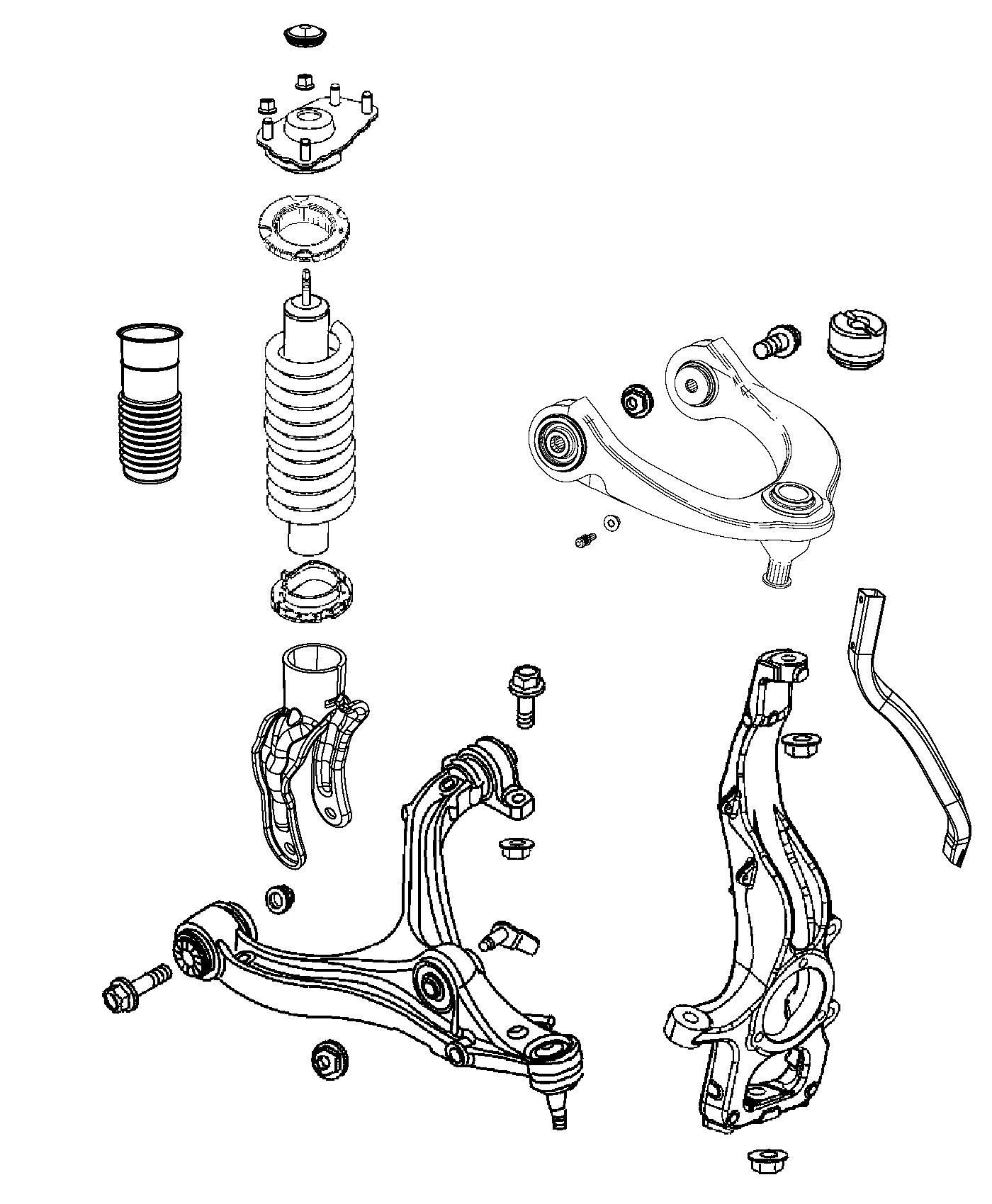
The 2002 Grand Cherokee utilizes a coil spring suspension system, offering a good balance between on-road comfort and off-road articulation. The front suspension features a solid axle design with coil springs and control arms, while the rear employs a similar setup, also utilizing a solid axle. This robust design is known for its durability and simplicity, making it relatively easy to maintain and modify.
Here's a breakdown of the key components:
- Coil Springs: These are the heart of the suspension, providing vertical support and absorbing shocks from road imperfections. They compress and expand to cushion the vehicle and maintain ride height.
- Shock Absorbers (Shocks): These dampen the oscillations of the coil springs, preventing excessive bouncing and improving handling. They work by forcing fluid through small orifices, converting kinetic energy into heat.
- Control Arms: These connect the axle to the vehicle's frame, controlling the movement of the axle and maintaining proper alignment. The front suspension typically utilizes upper and lower control arms.
- Track Bar (Panhard Rod): This lateral bar connects the axle to the frame and prevents side-to-side movement of the axle. It's essential for maintaining stability, particularly during cornering.
- Sway Bar (Stabilizer Bar): This torsion bar connects the left and right sides of the suspension, reducing body roll during cornering. Sway bar links connect the sway bar to the axle.
- Bushings: These rubber or polyurethane components are used at the pivot points of the control arms, track bar, and sway bar. They absorb vibrations and allow for controlled movement.
- Ball Joints: These are spherical bearings that connect the control arms to the steering knuckles, allowing for steering movement and suspension articulation.
- Steering Stabilizer: This shock absorber helps to dampen vibrations in the steering system, improving steering feel and reducing steering wheel shake.

Common Issues and Symptoms
Over time, the various components of the 2002 Grand Cherokee's suspension can wear out or become damaged, leading to a variety of symptoms. Recognizing these symptoms early can prevent more serious problems down the road.
- Bumpy Ride: This is a common symptom of worn shocks or coil springs. The vehicle may bounce excessively after hitting bumps or feel unstable on uneven surfaces.
- Sagging Suspension: A sagging suspension, particularly in the rear, can indicate worn coil springs. This can also affect handling and tire wear.
- Unusual Noises: Clunking, squeaking, or rattling noises coming from the suspension can indicate worn bushings, ball joints, or other loose components.
- Poor Handling: Worn suspension components can lead to poor handling, including excessive body roll during cornering, difficulty steering, and a feeling of instability.
- Uneven Tire Wear: Misaligned suspension components can cause uneven tire wear, such as cupping, feathering, or excessive wear on the inside or outside edges of the tires.
- Steering Wheel Shake: Steering wheel shake, particularly at highway speeds, can be caused by worn ball joints, tie rod ends, or a worn steering stabilizer.
- Vibrations: Excessive vibrations throughout the vehicle can indicate worn bushings, ball joints, or other suspension components.
Diagnosing Suspension Problems
Diagnosing suspension problems requires a careful inspection of all the components. Here are some steps you can take:
- Visual Inspection: Visually inspect all the suspension components for signs of wear, damage, or leaks. Look for cracked or torn bushings, bent control arms, leaking shocks, and worn ball joints.
- Bounce Test: Push down on each corner of the vehicle and release it. The vehicle should rebound once or twice and then settle. Excessive bouncing indicates worn shocks.
- Listen for Noises: Have someone rock the vehicle back and forth while you listen for unusual noises coming from the suspension. This can help you pinpoint the source of the problem.
- Check Tire Wear: Inspect your tires for signs of uneven wear. This can provide clues about the condition of your suspension and alignment.
- Professional Inspection: If you're unsure about the cause of the problem, take your vehicle to a qualified mechanic for a professional inspection.
Replacement and Upgrade Options
When it comes to replacing or upgrading suspension parts on your 2002 Grand Cherokee, you have a wide range of options to choose from.
- OEM Replacement Parts: These are parts manufactured by or for Jeep and are designed to meet the original specifications of your vehicle. They offer a good balance of quality and affordability.
- Aftermarket Replacement Parts: These are parts manufactured by companies other than Jeep. They can offer similar quality to OEM parts at a lower price, or they can offer upgraded performance and durability.
- Lift Kits: Lift kits raise the ride height of your vehicle, allowing for larger tires and improved off-road clearance. They typically include longer coil springs, shocks, and other necessary components.
- Performance Shocks: Performance shocks offer improved damping and handling compared to stock shocks. They are available in a variety of styles, including monotube, twin-tube, and adjustable shocks.
- Upgraded Coil Springs: Upgraded coil springs can provide a firmer ride, improved handling, and increased load capacity.
- Polyurethane Bushings: Polyurethane bushings are more durable and offer better handling compared to rubber bushings. However, they can also transmit more vibrations to the vehicle.
- Adjustable Control Arms: Adjustable control arms allow you to fine-tune your suspension alignment, particularly after installing a lift kit.
- Heavy-Duty Track Bar: A heavy-duty track bar can improve stability and handling, especially when running larger tires or off-roading.
Specific Part Considerations:
- Shocks: Consider brands like Bilstein, Rancho, or Fox for performance upgrades. KYB and Monroe offer good OEM replacement options.
- Coil Springs: OME (Old Man Emu) is a popular choice for lifted applications. For stock height, consider Crown Automotive or Moog.
- Control Arms: JKS Manufacturing and Iron Rock Off Road offer adjustable control arms for lifted applications.
- Bushings: Energy Suspension and Prothane offer polyurethane bushing kits.
Maintenance Tips for a Long-Lasting Suspension
Proper maintenance is essential for extending the life of your 2002 Grand Cherokee's suspension. Here are some tips:
- Regular Inspections: Regularly inspect your suspension components for signs of wear, damage, or leaks.
- Lubricate Grease Fittings: Lubricate all grease fittings on the suspension components regularly, using a high-quality grease.
- Alignment Checks: Have your alignment checked regularly, especially after installing new suspension components or after off-roading.
- Avoid Overloading: Avoid overloading your vehicle, as this can put excessive strain on the suspension components.
- Proper Tire Inflation: Maintain proper tire inflation to ensure even tire wear and optimal handling.
- Address Problems Promptly: Address any suspension problems promptly to prevent them from escalating into more serious issues.
Conclusion
Maintaining the suspension of your 2002 Jeep Grand Cherokee is crucial for ensuring a comfortable ride, predictable handling, and optimal performance, both on and off-road. By understanding the function of each component, recognizing common issues, and following proper maintenance practices, you can keep your WJ riding high for years to come. Whether you're looking to restore your suspension to its original glory or upgrade it for improved performance, the information provided in this article will help you make informed decisions and keep your Jeep running smoothly. Remember to consult a qualified mechanic for any complex repairs or modifications, and always prioritize safety when working on your vehicle. Enjoy the ride!

0 comments