The 1947 Willys Jeep CJ-2A is more than just a vehicle; it's a symbol of American ingenuity, resilience, and the spirit of adventure. Following World War II, the rugged Jeep, proven on battlefields across the globe, transitioned to civilian life, becoming a workhorse for farmers, ranchers, and outdoor enthusiasts. Today, these iconic vehicles are cherished by collectors and restorers who appreciate their historical significance and enduring appeal. Bringing a 1947 Jeep CJ-2A back to its former glory requires dedication, patience, and, crucially, access to the right parts. This guide will delve into the world of 1947 Jeep parts, providing a comprehensive overview to aid in your restoration journey.
Why 1947 Jeep Parts Matter
Restoring a Legend: A Comprehensive Guide to 1947 Jeep Parts
Using correct 1947 Jeep parts is vital for several reasons:
- Authenticity: For serious collectors and enthusiasts, maintaining originality is paramount. Correct parts preserve the historical accuracy and value of the vehicle.
- Functionality: While modern alternatives might exist, original or high-quality reproduction parts are often designed to fit and function perfectly within the Jeep's original engineering.
- Durability: Many original parts were built to withstand harsh conditions. Sourcing quality components ensures the restored Jeep will be reliable and long-lasting.
- Safety: Using substandard or incorrect parts can compromise the safety of the vehicle. Opting for correct parts, especially for critical systems like brakes and steering, is essential.
Navigating the World of 1947 Jeep Parts: Key Components and Considerations

The restoration of a 1947 Jeep involves a wide range of components. Let's break down some of the most important categories:
1. Engine and Drivetrain:
- Engine: The original engine was the L-134 "Go-Devil" four-cylinder. Finding a complete, original engine can be challenging, but rebuilding one is a common option. Parts to consider include:
- Pistons, Rings, and Bearings: Essential for rebuilding the engine's internals.
- Valves, Springs, and Guides: Critical for proper combustion.
- Carburetor: Original Carter WO carburetors are highly sought after. Rebuilding kits are readily available.
- Distributor and Ignition Components: Maintain reliable spark and timing.
- Water Pump and Radiator: Essential for cooling the engine.
- Transmission and Transfer Case: The 1947 Jeep used a T-90 three-speed manual transmission and a Dana 18 transfer case.
- Gears, Bearings, and Seals: Necessary for rebuilding the transmission and transfer case.
- Clutch and Pressure Plate: Ensure smooth shifting and power transfer.
- Shift Levers and Linkage: Restore proper operation of the shifting mechanisms.
- Axles and Differentials: Dana 25 front and Dana 23-2 rear axles were standard.
- Ring and Pinion Gears: Rebuilding the differentials for optimal performance.
- Axle Shafts: Replacing worn or damaged axle shafts.
- Wheel Bearings and Seals: Ensuring smooth and reliable wheel rotation.
2. Body and Chassis:
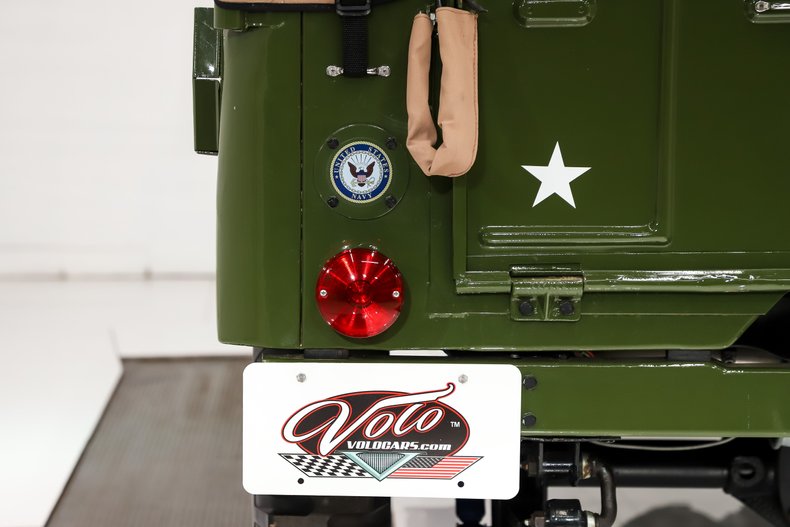
- Body Panels: Finding original body panels in good condition can be difficult. Reproduction panels are available, including:
- Fenders: Front fenders are often prone to rust and damage.
- Hood: The iconic Jeep hood is a defining feature.
- Grille: The seven-slot grille is instantly recognizable.
- Floor Pans: Often require replacement due to rust.
- Tailgate: A functional and important part of the Jeep's utility.
- Frame: The chassis is the foundation of the Jeep. Inspect it carefully for rust and damage. Repair or replacement may be necessary.
- Springs and Suspension: Leaf springs provide the Jeep's suspension. Replacing worn springs improves ride quality and handling.
- Leaf Springs: Available in original specifications or with slightly increased lift.
- Shackles and Bushings: Connecting the springs to the frame.
- Shock Absorbers: Dampen suspension movement.
- Wheels and Tires: The original wheels were typically 16-inch steel wheels. Reproduction tires are available in sizes that closely match the originals.
3. Electrical System:
- Wiring Harness: Replacing the original wiring harness is often necessary due to age and deterioration.
- Lights: Headlights, taillights, and turn signals are essential for safety.
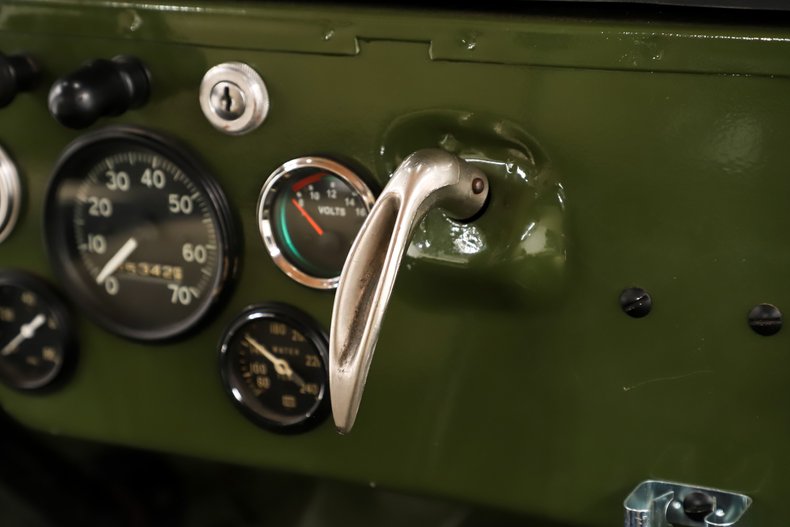
- Gauges: Restore the functionality of the speedometer, fuel gauge, and other instruments.
- Starter and Generator/Alternator: Essential for starting and charging the Jeep.
- Battery: A reliable 6-volt battery is required for the electrical system.
4. Brakes and Steering:
- Brake System:
- Brake Shoes and Drums: Replacing worn brake shoes and resurfacing or replacing the drums.
- Wheel Cylinders and Master Cylinder: Essential for hydraulic brake operation.
- Brake Lines and Hoses: Replacing corroded or damaged lines and hoses.
- Steering System:
- Steering Gearbox: Rebuilding the steering gearbox for precise steering.
- Tie Rods and Drag Link: Replacing worn tie rod ends and drag links.
- Steering Wheel: Restoring or replacing the steering wheel.
5. Interior and Accessories:
- Seats: Restoring or replacing the seats with original-style upholstery.
- Top: Canvas tops were common. Reproduction tops are available in various materials and colors.
- Windshield: Replacing cracked or damaged windshields.
- Wiper Motor and Blades: Ensuring proper windshield cleaning.
Sourcing 1947 Jeep Parts: Where to Look
Finding the right parts for your 1947 Jeep can be a treasure hunt. Here are some key resources:
- Specialty Jeep Parts Suppliers: Numerous companies specialize in vintage Jeep parts. These suppliers often carry a wide range of reproduction and NOS (New Old Stock) parts.
- Online Marketplaces: eBay, Craigslist, and other online marketplaces can be valuable sources for finding used or NOS parts.
- Jeep Clubs and Forums: Connecting with other Jeep enthusiasts can provide valuable information and access to parts.
- Local Auto Parts Stores: Some auto parts stores may carry generic parts that fit the 1947 Jeep, such as brake components or electrical parts.
- Salvage Yards: Visiting salvage yards that specialize in vintage vehicles can sometimes yield rare and hard-to-find parts.
Tips for a Successful Restoration:
- Research: Thoroughly research the correct parts for your 1947 Jeep. Consult parts catalogs, service manuals, and online resources.
- Inspect Carefully: Before purchasing any part, inspect it carefully for damage or wear.
- Compare Prices: Shop around and compare prices from different suppliers.
- Consider Reproduction Quality: Reproduction parts can vary in quality. Read reviews and choose reputable brands.
- Take Photos: Take photos of the parts before you remove them. This will help you remember how they go back together.
- Organize Your Parts: Keep your parts organized and labeled to avoid confusion.
- Don't Be Afraid to Ask for Help: Seek advice from experienced Jeep restorers.
Potential Challenges and Solutions:
- Finding Rare Parts: Some parts are extremely rare and difficult to find. Be patient and persistent in your search. Consider using reproduction parts as alternatives.
- High Prices: Original and high-quality reproduction parts can be expensive. Set a budget and prioritize the most important parts.
- Rust and Damage: Rust is a common problem in vintage Jeeps. Repair or replace rusted parts as needed.
- Incorrect Parts: Be cautious when purchasing parts online or from unfamiliar sources. Verify the part number and application before buying.
1947 Jeep Parts Price Table
| Part Category | Specific Part | Estimated Price Range | Notes |
|---|---|---|---|
| Engine | Complete Rebuilt L-134 "Go-Devil" Engine | $2,500 - $5,000 | Prices vary based on condition, rebuilder, and included components. |
| Carburetor (Carter WO) | $200 - $400 | Rebuilt or NOS. Rebuild kits available for around $50. | |
| Water Pump | $50 - $150 | New or rebuilt. | |
| Transmission | T-90 Transmission Rebuild Kit | $150 - $300 | Includes gears, bearings, and seals. |
| Transfer Case | Dana 18 Transfer Case Rebuild Kit | $100 - $250 | Includes bearings, seals, and gaskets. |
| Axles | Dana 25/23 Ring and Pinion Gear Set | $300 - $600 | Per axle. |
| Axle Shaft | $100 - $200 | Per axle shaft. | |
| Body | Front Fender (Reproduction) | $200 - $400 | Prices vary based on quality and manufacturer. |
| Hood (Reproduction) | $300 - $500 | Prices vary based on quality and manufacturer. | |
| Grille (Reproduction) | $150 - $300 | Prices vary based on quality and manufacturer. | |
| Electrical | Wiring Harness (Complete) | $200 - $400 | Reproduction. |
| Headlight (Pair) | $50 - $100 | Reproduction. | |
| 6-Volt Battery | $100 - $200 | ||
| Brakes | Brake Shoe Set (Front or Rear) | $30 - $60 | Per set. |
| Wheel Cylinder | $30 - $50 | Each. | |
| Master Cylinder | $75 - $150 | ||
| Steering | Tie Rod End | $25 - $50 | Each. |
| Drag Link | $50 - $100 | ||
| Interior | Seat Cover Set (Canvas) | $200 - $400 | |
| Accessories | Canvas Top (Reproduction) | $400 - $800 | Prices vary based on material and features. |
Note: These prices are estimates and can vary depending on the vendor, part condition (new, used, NOS, reproduction), and market conditions. Always verify pricing with the specific vendor before making a purchase.
Frequently Asked Questions (FAQ)
- Q: Where can I find a complete parts catalog for the 1947 Jeep CJ-2A?
- A: Several reproduction parts catalogs are available from specialty Jeep parts suppliers. These catalogs provide detailed diagrams and part numbers.
- Q: Are reproduction parts as good as original parts?
- A: Reproduction parts can vary in quality. Choose reputable brands and read reviews before purchasing. Some reproduction parts are excellent and even improve upon the original design.
- Q: How can I tell if a part is original or reproduction?
- A: Look for original markings and stamps. Compare the part to known original examples. Consult with experienced Jeep restorers for assistance.
- Q: What is NOS (New Old Stock)?
- A: NOS parts are original parts that were manufactured many years ago but never used. They are highly desirable but can be expensive.
- Q: Can I use parts from other Jeep models on my 1947 CJ-2A?
- A: Some parts from similar Jeep models may be compatible, but it's essential to verify compatibility before using them. Consult parts interchange guides or experienced restorers.
Conclusion: The Rewarding Journey of Restoring a 1947 Jeep
Restoring a 1947 Jeep CJ-2A is a challenging but incredibly rewarding endeavor. By understanding the importance of using correct parts, sourcing them from reliable suppliers, and following proven restoration techniques, you can bring this iconic vehicle back to its former glory and enjoy it for years to come. Remember to be patient, persistent, and passionate about your project. The result will be a testament to American history and a source of pride for you.
0 comments