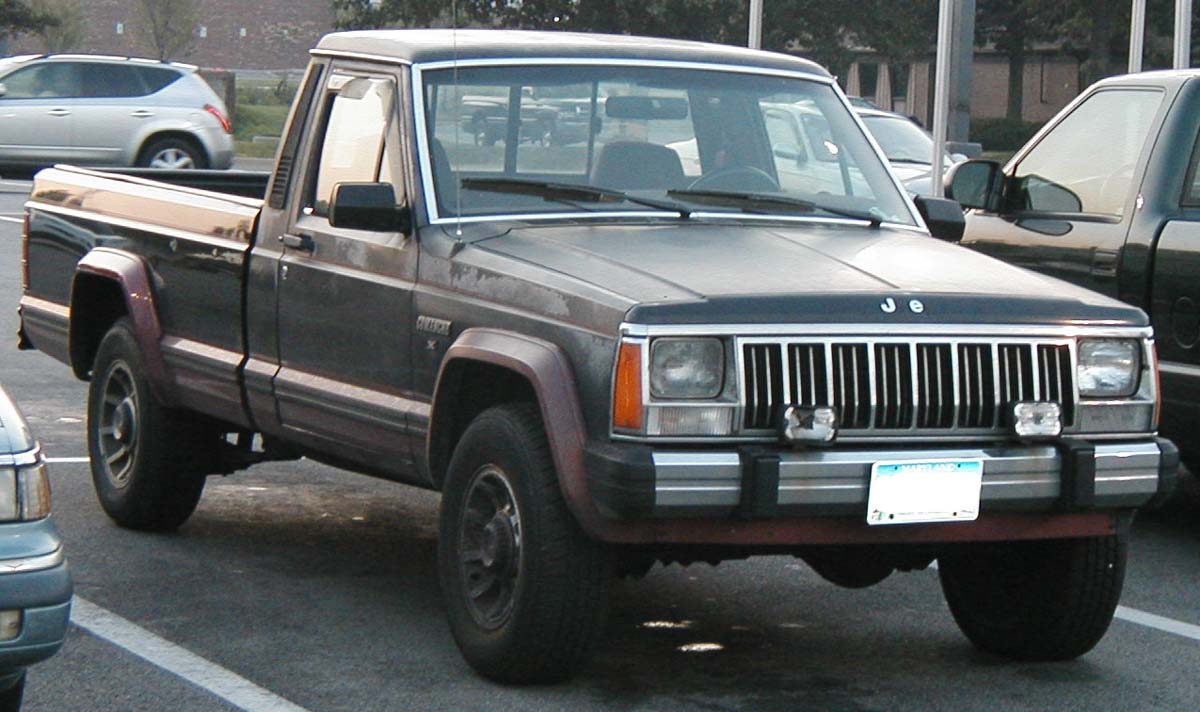
The 1986 Jeep Comanche, a unique blend of Jeep ruggedness and pickup truck practicality, holds a special place in automotive history. Its short production run and distinctive design have cemented its status as a cult classic. However, owning a vintage vehicle like the '86 Comanche means understanding the challenges of sourcing parts. This comprehensive guide dives deep into the world of 1986 Jeep Comanche parts, providing the information you need to keep your MJ on the road (or trail) for years to come. We'll cover everything from common issues and where to find replacements to essential maintenance tips and potential upgrades.
Why Focus on 1986 Jeep Comanche Parts?
Reviving the Legend: A Comprehensive Guide to 1986 Jeep Comanche Parts
While the Comanche was produced from 1986 to 1992, the 1986 model year is particularly important due to some specific design choices and compatibility issues. Understanding these nuances is crucial when searching for replacement parts. For example, the 1986 model might have different engine options, electrical configurations, or interior components compared to later years. Knowing the specifics of your '86 Comanche ensures you're sourcing the correct and compatible parts. Moreover, the scarcity of these parts can drive up prices and require more diligent searching. This guide aims to equip you with the knowledge to navigate the world of 1986 Jeep Comanche parts with confidence.
I. Understanding Your 1986 Jeep Comanche: A Foundation for Parts Hunting
Before diving into specific parts, it's crucial to understand the core components of your 1986 Comanche. This includes knowing your engine type, transmission, and trim level.
- Engine Options: The 1986 Comanche offered several engine choices, including:
- 2.5L AMC Inline-4: A reliable but less powerful option.
- 2.8L GM V6: Offering more power than the I4, but known for potential reliability issues.
- 2.1L Renault Turbo Diesel (Limited Availability): A rare and potentially problematic option, parts for this engine are extremely scarce.
- Transmission Options:
- Manual Transmissions: Typically the Aisin-Warner AX-5 or Peugeot BA-10/5. The Peugeot transmission is known for its weakness, especially with larger engines.
- Automatic Transmission: Chrysler A904 or A999 (TorqueFlite).

- Drivetrain: Available in both 2WD and 4WD configurations. 4WD Comanches utilized the Command-Trac part-time 4WD system.
- Trim Levels: Base, X, and Pioneer trims were available, each with varying levels of standard equipment and interior appointments.

Tip: Locate the VIN (Vehicle Identification Number) on your Comanche. This number holds valuable information about your truck's original configuration, including engine, transmission, and trim. Use a VIN decoder (easily found online) to access this crucial information.
II. Essential 1986 Jeep Comanche Parts: Common Replacements and Where to Find Them
Now, let's explore some of the most commonly needed replacement parts for the 1986 Comanche and where to find them:
- Engine Parts:
- Availability: Engine parts vary greatly depending on the engine. The 2.5L AMC I4 has the best parts availability due to its shared use in other Jeep models. The 2.8L GM V6 has decent availability, but the 2.1L Turbo Diesel is extremely rare.
- Common Replacements: Water pumps, alternators, starters, distributors, spark plugs, belts, hoses, and gaskets.
- Where to Find Them:
- Online Retailers: RockAuto, Summit Racing, Quadratec (though primarily Jeep Wrangler focused, some parts are compatible).
- Local Auto Parts Stores: NAPA, AutoZone, Advance Auto Parts (may require special ordering).
- Online Forums and Classifieds: Jeep Comanche forums (e.g., ComancheClub.com) and Craigslist/Facebook Marketplace often have individuals selling parts.
- Junkyards: A good source for used parts, but be prepared to do some searching.
- Transmission Parts:
- Availability: Parts for the Aisin-Warner AX-5 are relatively common. The Peugeot BA-10/5 is less common, and many owners opt to replace it with a more robust transmission. Automatic transmission parts are generally readily available.
- Common Replacements: Clutch kits, master and slave cylinders (for manual transmissions), filters, fluid, and seals.
- Where to Find Them: Similar to engine parts, check online retailers, local auto parts stores, and online forums. Consider a transmission rebuild kit if your transmission is showing signs of wear.
- Suspension and Steering Parts:
- Availability: Suspension components are often shared with the Jeep Cherokee (XJ), making them more readily available.
- Common Replacements: Ball joints, tie rod ends, shocks, springs, bushings, and steering boxes.
- Where to Find Them: Online retailers, local auto parts stores, and Jeep Cherokee forums. Consider upgrading to aftermarket suspension components for improved off-road performance or a smoother ride.
- Body Panels and Interior Parts:
- Availability: This is where things get tricky. Body panels and interior parts are often the most difficult to find.
- Common Replacements: Fenders, doors, bedsides, dashboards, seats, and interior trim.
- Where to Find Them:
- Junkyards: Your best bet for finding original body panels and interior parts.
- Online Forums and Classifieds: Actively search and post "wanted" ads on Jeep Comanche forums.
- Specialty Restoration Shops: Some shops specialize in restoring vintage vehicles and may have access to hard-to-find parts.
- Reproduction Parts: A growing market for reproduction body panels and interior parts is emerging. While not always perfect matches, they can be a viable option.
- Electrical Parts:
- Availability: Certain electrical components, like sensors and switches, may be readily available. Others, particularly wiring harnesses, can be challenging to find.
- Common Replacements: Headlight switches, turn signal switches, sensors (e.g., oxygen sensor, coolant temperature sensor), and wiring.
- Where to Find Them: Online retailers, local auto parts stores, and online forums. Consider upgrading to LED lighting for improved brightness and reliability.
III. Practical Advice and Actionable Insights for Sourcing 1986 Comanche Parts
- Be Patient: Finding parts for a vintage vehicle takes time and persistence. Don't get discouraged if you can't find what you need immediately.
- Do Your Research: Before purchasing any part, research its compatibility with your specific model and engine. Double-check part numbers and read reviews from other owners.
- Consider Used Parts: Used parts can be a cost-effective option, but be sure to inspect them carefully for wear and damage.
- Network with Other Comanche Owners: Join online forums and connect with other Comanche enthusiasts. They can be a valuable source of information and parts.
- Don't Be Afraid to Adapt: Sometimes, you may need to adapt parts from other vehicles to fit your Comanche. This may require some fabrication or modification.
- Invest in a Good Repair Manual: A repair manual will provide detailed information on your Comanche's components and how to repair them.
- Document Everything: Keep records of all the parts you purchase and the repairs you perform. This will be helpful for future maintenance and repairs.
IV. Potential Challenges and Solutions
- Discontinued Parts: Many parts for the 1986 Comanche are no longer manufactured.
- Solution: Explore alternative sources like junkyards, online forums, and reproduction parts.
- High Prices: Scarcity can drive up the prices of certain parts.
- Solution: Shop around and compare prices from different vendors. Consider used parts or reproduction parts to save money.
- Compatibility Issues: Ensure the parts you purchase are compatible with your specific model and engine.
- Solution: Do your research and double-check part numbers before purchasing. Consult with other Comanche owners or a qualified mechanic.
- Damaged or Worn Parts: Used parts may be damaged or worn.
- Solution: Inspect used parts carefully before purchasing. Consider rebuilding or restoring used parts if necessary.
V. Table Price of 1986 Jeep Comanche Parts
| Part Description | Estimated Price Range | Notes |
|---|---|---|
| Water Pump (2.5L) | $30 - $75 | Prices vary based on brand and quality. |
| Alternator (2.5L) | $75 - $150 | Remanufactured alternators are a common option. |
| Starter (2.5L) | $50 - $120 | Consider a high-torque starter for improved starting performance. |
| Ball Joint (Upper/Lower) | $20 - $50 (each) | Prices vary based on brand and quality. |
| Tie Rod End | $15 - $35 (each) | Inspect other steering components when replacing tie rod ends. |
| Shock Absorber | $30 - $75 (each) | Choose shocks based on your driving style and intended use (e.g., off-road vs. street). |
| Clutch Kit (AX-5) | $100 - $250 | Includes clutch disc, pressure plate, and throw-out bearing. |
| Master Cylinder (Clutch) | $30 - $75 | Consider replacing the slave cylinder at the same time. |
| Slave Cylinder (Clutch) | $20 - $50 | Bleed the clutch system properly after replacement. |
| Front Fender (Used) | $100 - $300 | Prices vary based on condition and location. Expect rust on many used fenders. |
| Door (Used) | $150 - $400 | Check for rust, dents, and proper alignment. |
| Tailgate (Used) | $100 - $300 | Similar considerations to doors. |
| Headlight Assembly | $40 - $100 (each) | Consider upgrading to LED headlights for improved brightness. |
| Taillight Assembly | $30 - $75 (each) | Check for cracks and damage. |
| Oxygen Sensor (2.5L) | $20 - $50 | Replace oxygen sensors regularly for optimal engine performance. |
| Coolant Temp Sensor (2.5L) | $10 - $30 | An inexpensive part that can cause significant engine issues if it fails. |
| Fuel Pump (2.5L) | $50 - $150 | Consider replacing the fuel filter at the same time. |
Note: These prices are estimates and can vary based on location, vendor, and condition. Always shop around and compare prices before making a purchase. Prices for the 2.8L V6 and the 2.1L Turbo Diesel may be significantly higher due to scarcity.
VI. Frequently Asked Questions (FAQ)
- Q: Where can I find a complete wiring harness for my 1986 Comanche?
- A: Finding a complete, original wiring harness can be very difficult. Check online forums, junkyards, and consider contacting specialty restoration shops. As a last resort, you might need to create a custom wiring harness.
- Q: Are parts interchangeable between the Comanche and the Cherokee (XJ)?
- A: Yes, many parts are interchangeable, especially suspension components, engine parts (for the 2.5L), and some interior parts. However, always verify compatibility before purchasing.
- Q: My Peugeot BA-10/5 transmission is failing. What are my options?
- A: The BA-10/5 is known for its weakness. Common upgrades include swapping to an AX-15 (from a later model XJ or Comanche) or a more robust aftermarket transmission.
- Q: How can I tell if a used part is in good condition?
- A: Carefully inspect the part for wear, damage, and rust. Ask the seller about the part's history and condition. If possible, test the part before purchasing.
- Q: Are reproduction body panels worth the investment?
- A: Reproduction body panels can be a viable option if you can't find original parts. However, the quality can vary, so research the manufacturer and read reviews before purchasing.
Conclusion: Keeping the Comanche Spirit Alive
Owning a 1986 Jeep Comanche is a rewarding experience, but it requires dedication and a willingness to tackle the challenges of sourcing parts for a vintage vehicle. By understanding your Comanche's specific configuration, utilizing the resources available, and networking with other enthusiasts, you can keep your MJ running strong and preserve its unique place in automotive history. Remember to be patient, do your research, and don't be afraid to get your hands dirty. The satisfaction of restoring and maintaining a classic like the 1986 Jeep Comanche is well worth the effort.
0 comments