The 2004 Jeep Grand Cherokee (WJ) occupies a special place in the hearts of off-road enthusiasts and daily drivers alike. Known for its blend of rugged capability, comfortable interior, and distinctive styling, the WJ represents a sweet spot in the Grand Cherokee lineage. However, being over two decades old, these vehicles inevitably require maintenance and repairs. Navigating the world of 2004 Jeep Grand Cherokee parts can be daunting, but with the right knowledge, you can keep your WJ running strong for years to come. This guide will provide a comprehensive overview of common replacement parts, maintenance considerations, and where to find the components you need.
Why 2004 Jeep Grand Cherokee Parts Matter
Reviving a Legend: A Comprehensive Guide to 2004 Jeep Grand Cherokee Parts
The longevity of any vehicle hinges on the availability and quality of its replacement parts. For a classic like the 2004 Grand Cherokee, this is especially crucial. Using quality parts ensures proper function, extends the lifespan of the vehicle, and maintains its resale value. Furthermore, replacing worn or damaged parts proactively can prevent more significant (and costly) repairs down the line. Whether you're a seasoned mechanic or a DIY enthusiast, understanding the ins and outs of WJ parts is essential for keeping your Jeep in top condition.
Engine Components: Keeping the Heart Beating
The 2004 Grand Cherokee offered several engine options, each requiring specific parts for maintenance and repair:
-
4.0L Inline-Six: This legendary engine is known for its reliability and torque. Common replacement parts include spark plugs, ignition coils, distributor cap and rotor (if equipped), fuel injectors, water pump, thermostat, serpentine belt, and radiator hoses. Regular oil changes and filter replacements are critical for maintaining its health.

4.7L V8: Providing more power, the 4.7L V8 requires components such as spark plugs, ignition coils, fuel injectors, water pump, thermostat, serpentine belt, and radiator hoses. This engine is also susceptible to timing chain issues as it ages, so keeping an eye on chain noise is important.
-
2.7L Diesel (Export Only): Available in some markets outside North America, this engine requires specific diesel-related parts like fuel filters, injectors, and glow plugs.
Practical Advice:
- Oil Changes: Adhere to the manufacturer's recommended oil change intervals (typically 3,000-5,000 miles for conventional oil and 5,000-7,500 miles for synthetic). Use the correct oil viscosity specified in the owner's manual.
- Cooling System: Regularly check the coolant level and condition. Flush and replace the coolant every 2-3 years to prevent corrosion and overheating.
- Tune-Ups: Perform regular tune-ups, including spark plug replacement, air filter replacement, and fuel filter replacement, to maintain optimal engine performance and fuel efficiency.
Potential Challenges:
- Sourcing Specific Parts: Some less common engine parts might be harder to find, requiring you to explore online retailers or specialized Jeep parts suppliers.
- Engine-Specific Knowledge: Working on the 4.7L V8 can be more complex than the 4.0L I6. Consult a repair manual or seek professional help if you're unsure about a procedure.
Transmission and Drivetrain: Powering the Wheels
The transmission and drivetrain are responsible for transferring engine power to the wheels. Key components include:
-
Transmission: The 2004 Grand Cherokee typically uses either the 42RE (4-speed automatic) or the 545RFE (5-speed automatic), depending on the engine and trim level. Common replacement parts include transmission filters, gaskets, seals, and solenoids.
-
Transfer Case: Depending on the 4x4 system (Quadra-Trac or Quadra-Drive), the transfer case transfers power to the front and rear axles. Components include chain, seals, and shift motor.
-
Axles: The axles house the differential and transfer power to the wheels. Parts include axle shafts, bearings, seals, and differential components.
Practical Advice:
- Transmission Fluid: Change the transmission fluid and filter at recommended intervals (typically every 30,000-60,000 miles). Use the correct type of fluid specified in the owner's manual.
- Differential Fluid: Check and replace the differential fluid periodically to ensure proper lubrication and prevent wear.
- U-Joints: Inspect U-joints regularly for play or looseness. Replace worn U-joints to prevent driveline vibrations and potential failure.
Potential Challenges:
- Transmission Rebuilds: Transmission rebuilds can be complex and require specialized tools and knowledge. Consider a professional rebuild if you're not experienced.
- Transfer Case Issues: Transfer case chain stretch is a common issue with older Grand Cherokees. Listen for unusual noises or vibrations.
Suspension and Steering: Handling the Road (and Trail)
The suspension and steering systems are crucial for ride comfort and handling. Key components include:
- Shocks and Struts: These dampen vibrations and control body movement. Replace worn shocks and struts to improve ride quality and handling.
- Springs: Support the vehicle's weight and determine ride height. Sagging springs can affect handling and appearance.
- Control Arms: Connect the suspension to the chassis. Ball joints and bushings in the control arms wear over time, leading to loose handling.
- Steering Components: Include tie rod ends, steering gear, and power steering pump. Worn steering components can cause play in the steering wheel and affect steering precision.
Practical Advice:
- Alignment: Get a wheel alignment after replacing suspension components or if you notice uneven tire wear.
- Grease Fittings: Regularly grease the suspension components with grease fittings to prevent wear and squeaking.
- Power Steering Fluid: Check the power steering fluid level and condition regularly. Replace the fluid if it's dirty or contaminated.
Potential Challenges:
- Rust: Rust can be a significant problem on older vehicles, especially in areas with harsh winters. Thoroughly inspect suspension components for rust before replacing them.
- Stuck Fasteners: Rusty or corroded fasteners can be difficult to remove. Use penetrating oil and heat to loosen them.
Braking System: Ensuring Safe Stops
The braking system is critical for safety. Key components include:
- Brake Pads and Rotors: These provide the friction needed to slow down the vehicle. Replace worn brake pads and rotors to maintain stopping power.
- Brake Calipers: These clamp the brake pads against the rotors. Leaking or sticking calipers can affect braking performance.
- Brake Lines and Hoses: These carry brake fluid to the calipers. Inspect them regularly for leaks or damage.
- Master Cylinder: This supplies brake fluid to the braking system. A faulty master cylinder can cause brake failure.
Practical Advice:
- Brake Fluid: Flush and replace the brake fluid every 2-3 years to prevent corrosion and maintain braking performance.
- Brake Inspection: Regularly inspect the brake pads, rotors, and calipers for wear or damage.
- Emergency Brake: Test the emergency brake regularly to ensure it's functioning properly.
Potential Challenges:
- Air in the Brake Lines: Air in the brake lines can cause spongy brakes. Bleed the brake lines after replacing brake components.
- Rust: Rust can cause brake lines to corrode and leak. Replace rusty brake lines as soon as possible.
Interior and Exterior Parts: Restoring Appearance and Function
Beyond mechanical components, interior and exterior parts play a significant role in the overall condition and enjoyment of your 2004 Grand Cherokee. These include:
- Seats and Upholstery: Replacing worn or damaged seats can significantly improve comfort. Seat covers can offer a cost-effective alternative.
- Dashboard and Trim: Cracks and fading are common issues. Replacing damaged trim pieces can restore the interior's appearance.
- Exterior Body Panels: Rust, dents, and scratches can detract from the vehicle's appearance. Replacing damaged panels or applying rust repair solutions can improve its overall look.
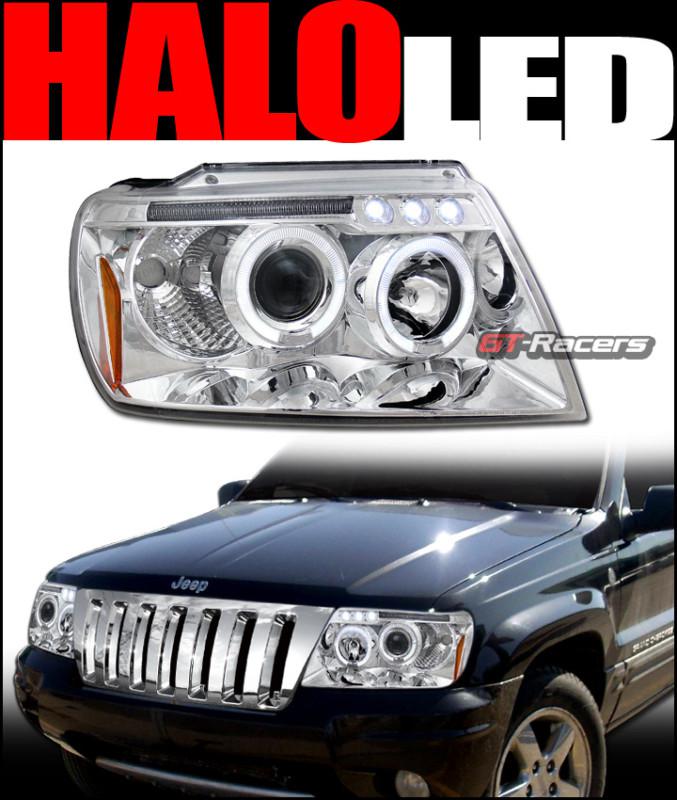
- Lights and Lenses: Headlights, taillights, and marker lights are essential for safety. Replace broken or faded lenses to improve visibility.
Practical Advice:
- Salvage Yards: Salvage yards can be a great source for used interior and exterior parts at a fraction of the cost of new parts.
- Detailing: Regular detailing can help preserve the interior and exterior of your Grand Cherokee.
Potential Challenges:
- Color Matching: Matching the original color of paint or interior trim can be difficult.
- Availability: Some interior and exterior parts may be harder to find, especially for specific trim levels or colors.
Where to Find 2004 Jeep Grand Cherokee Parts
- Local Auto Parts Stores: Reputable auto parts stores like AutoZone, Advance Auto Parts, and O'Reilly Auto Parts carry a wide range of common replacement parts.
- Online Retailers: Online retailers like Amazon, eBay, and RockAuto offer a vast selection of parts, often at competitive prices.
- Jeep Specialty Shops: Jeep specialty shops often carry hard-to-find parts and have knowledgeable staff who can provide advice.
- Salvage Yards: Salvage yards are a great source for used parts, especially for interior and exterior components.
Price Table for Common 2004 Jeep Grand Cherokee Parts
| Part Name | Estimated Price Range | Notes |
|---|---|---|
| Spark Plugs (Set of 6/8) | $20 - $50 | Price varies by brand and material (copper, platinum, iridium). |
| Oil Filter | $5 - $15 | Choose a quality filter from a reputable brand. |
| Air Filter | $10 - $25 | Replace regularly for optimal engine performance. |
| Front Brake Pads | $30 - $75 | Price varies by material (organic, ceramic, semi-metallic). |
| Front Brake Rotors (Pair) | $80 - $150 | Consider upgrading to drilled or slotted rotors for improved performance. |
| Water Pump | $50 - $120 | Replace as preventative maintenance around 100,000 miles. |
| Thermostat | $15 - $30 | Ensure correct temperature rating for your engine. |
| Serpentine Belt | $20 - $40 | Inspect regularly for cracks or wear. |
| Radiator | $100 - $250 | Consider an upgraded radiator for increased cooling capacity. |
| Shocks (Front Pair) | $80 - $200 | Price varies by brand and type (gas, hydraulic). |
| Ball Joint (Upper) | $30 - $60 | Replace in pairs for best results. |
| Tie Rod End (Inner/Outer) | $20 - $50 | Replace in pairs and get an alignment afterwards. |
| Headlight Assembly | $50 - $150 | Price varies by brand and type (halogen, LED). |
| Taillight Assembly | $40 - $100 | Check for DOT compliance. |
| Fuel Pump | $80 - $200 | Consider replacing the fuel filter at the same time. |
| Transmission Filter Kit | $20 - $50 | Use the correct fluid type specified in your owner's manual. |
Note: Prices are estimates and can vary depending on the brand, retailer, and location. Labor costs are not included.
Frequently Asked Questions (FAQ)
-
Q: What is the best oil to use in my 2004 Grand Cherokee?
- A: Consult your owner's manual for the recommended oil viscosity. Synthetic oil is generally recommended for its superior performance and protection.
-
Q: How often should I change the transmission fluid?
- A: Refer to your owner's manual, but typically every 30,000-60,000 miles, depending on driving conditions.
-
Q: My Jeep is overheating. What could be the problem?
- A: Possible causes include a low coolant level, a faulty thermostat, a clogged radiator, or a failing water pump.
-
Q: Where can I find the paint code for my Jeep?
- A: The paint code is typically located on a sticker on the driver's side door jamb or in the glove compartment.
-
Q: My check engine light is on. What should I do?
- A: Have the code scanned at an auto parts store or repair shop to diagnose the problem.
Conclusion: Preserving a Classic
Maintaining a 2004 Jeep Grand Cherokee requires dedication and a willingness to invest in quality parts. By understanding the key components, following proper maintenance procedures, and sourcing parts from reputable suppliers, you can keep your WJ running reliably and looking great for years to come. This guide provides a solid foundation for navigating the world of 2004 Jeep Grand Cherokee parts. Remember to always consult your owner's manual and seek professional help when needed. Enjoy the ride!
0 comments