Introduction: Breathing New Life into Your Wrangler with Salvage Parts
The Jeep Wrangler. It's more than just a vehicle; it's a symbol of freedom, adventure, and rugged capability. From conquering rocky trails to cruising down the highway with the top down, the Wrangler embodies a spirit of exploration. But even the toughest vehicles require maintenance and repairs, and those costs can quickly add up. This is where the world of salvage Jeep Wrangler parts comes into play. Salvage parts, also known as used, recycled, or junkyard parts, offer a cost-effective and often environmentally friendly way to keep your Wrangler on the road (or off it!) without breaking the bank. This comprehensive guide will walk you through everything you need to know about sourcing, selecting, and utilizing salvage Jeep Wrangler parts, empowering you to save money and extend the life of your beloved vehicle.
Salvage Jeep Wrangler Parts: A Comprehensive Guide to Saving Money and Keeping Your Jeep Alive
Section 1: Understanding Salvage Jeep Wrangler Parts: What are They?
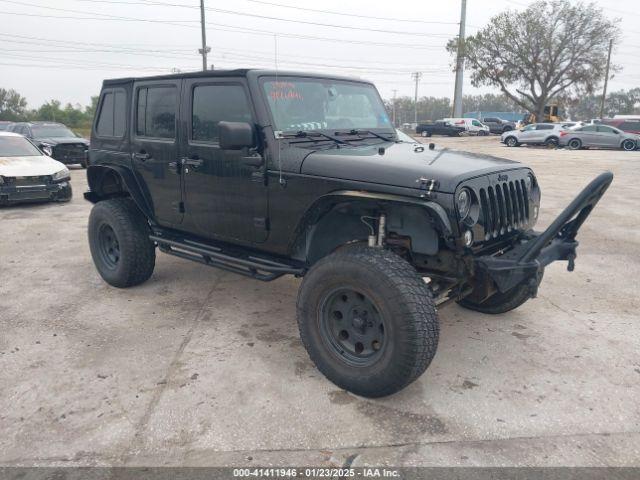
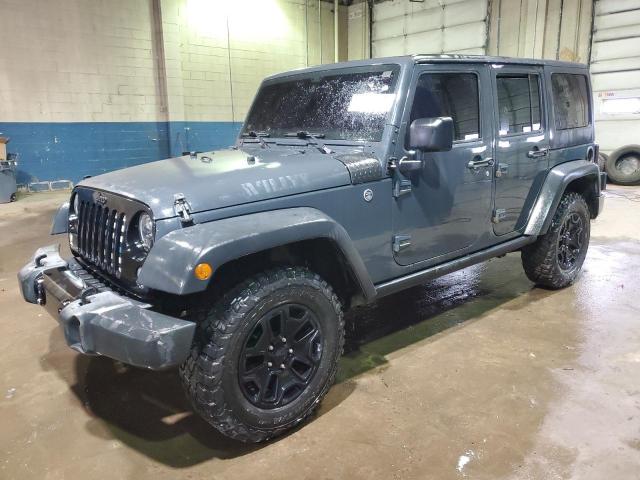
Salvage Jeep Wrangler parts are components harvested from wrecked, damaged, or otherwise unusable vehicles. These vehicles, often found in auto salvage yards or junkyards, are disassembled, and their usable parts are cleaned, inspected, and offered for sale at a fraction of the price of new parts. The parts can range from major components like engines and transmissions to smaller items like door handles, mirrors, and interior trim.
Why Consider Salvage Parts?
- Cost Savings: This is the primary driver for most people. Salvage parts can be significantly cheaper than new or even remanufactured parts. Savings can range from 30% to 80% or more, depending on the part and its condition.
- Availability: For older Wrangler models, finding new parts can be difficult or impossible. Salvage yards often have a treasure trove of parts for these classic Jeeps.
- Environmental Friendliness: Recycling auto parts reduces the demand for new manufacturing, conserving resources and reducing pollution. It's a sustainable approach to vehicle maintenance.
- Original Equipment Manufacturer (OEM) Quality: Salvage parts are genuine OEM parts, meaning they were originally installed on the vehicle during manufacturing. This ensures a perfect fit and function, unlike some aftermarket parts.
- Keeping a Classic Alive: Salvage parts are essential for restoring and maintaining older Jeep Wranglers, preserving their history and value.

Section 2: Finding the Right Salvage Jeep Wrangler Parts: Where to Look
Locating salvage Jeep Wrangler parts requires a strategic approach. Here's a breakdown of the best places to search:
- Local Auto Salvage Yards/Junkyards: These are the traditional hunting grounds for salvage parts. Many salvage yards specialize in Jeep vehicles or have a dedicated section for them. Visiting in person allows you to inspect the parts before purchasing.
- Online Salvage Yards: Websites like LKQ Online, Car-Part.com, and eBay Motors connect you to a vast network of salvage yards across the country. You can search for specific parts and compare prices from multiple vendors.
- Online Marketplaces and Forums: Websites like Craigslist, Facebook Marketplace, and Jeep enthusiast forums can be good sources for finding used parts from individual sellers.
- Jeep Clubs and Organizations: Joining a local Jeep club can provide valuable connections to other enthusiasts who may have spare parts or know where to find them.
- Specialty Jeep Parts Recyclers: Some businesses specialize in recycling parts specifically from Jeep Wranglers and other Jeep models. These recyclers often have a better understanding of Jeep-specific components and can provide expert advice.
Tips for Searching:
- Know Your Part Number: Having the exact part number for the component you need will significantly improve your search accuracy.
- Be Specific: Use precise keywords when searching online, such as "Jeep Wrangler TJ tailgate hinge" instead of just "Jeep parts."
- Check Multiple Sources: Compare prices and availability from different salvage yards and online marketplaces.
- Inquire About Warranties: Some salvage yards offer limited warranties on their parts, providing some protection against defects.
Section 3: Inspecting Salvage Parts: What to Look For
Before purchasing any salvage Jeep Wrangler part, it's crucial to thoroughly inspect its condition. Here's a checklist of things to look for:
- Visual Inspection: Look for signs of damage, wear, rust, corrosion, or cracks. Pay close attention to critical areas like mounting points, threads, and seals.
- Functionality: If possible, test the part to ensure it functions correctly. For example, check if a window regulator motor works smoothly or if a headlight bulb lights up.
- Cleanliness: A dirty or greasy part may indicate neglect or poor storage conditions. Clean the part thoroughly before installation.
- Completeness: Ensure that all necessary components and hardware are included with the part. Missing pieces can be difficult or expensive to replace.
- Ask Questions: Don't hesitate to ask the seller about the part's history, condition, and any known issues.
Specific Considerations for Different Parts:
- Engines and Transmissions: Look for signs of leaks, damage, or excessive wear. Ask about the engine's mileage and any known problems. Consider having the engine or transmission professionally inspected before installation.
- Body Panels: Check for rust, dents, scratches, and paint damage. Ensure that the panel fits properly and aligns with the surrounding body parts.
- Electrical Components: Test the component to ensure it functions correctly. Check for damaged wires, connectors, or relays.
- Suspension Parts: Inspect for cracks, bends, or excessive wear. Pay close attention to ball joints, bushings, and shocks.
- Interior Parts: Check for tears, stains, or fading. Ensure that the part is complete and in good working order.
Section 4: Installing Salvage Parts: DIY or Professional?
Whether you choose to install salvage Jeep Wrangler parts yourself or hire a professional mechanic depends on your mechanical skills, experience, and the complexity of the job.
DIY Installation:
- Pros: Saves money on labor costs. Provides a sense of accomplishment. Allows you to learn more about your Jeep.
- Cons: Requires mechanical skills and tools. Can be time-consuming and challenging. May void warranties if not done correctly.
Professional Installation:
- Pros: Ensures that the job is done correctly and safely. Provides a warranty on the labor. Saves you time and effort.
- Cons: Can be expensive. Requires finding a reputable and experienced mechanic.
Tips for DIY Installation:
- Research: Gather as much information as possible about the installation process. Consult online forums, repair manuals, and videos.
- Tools: Make sure you have the necessary tools for the job. Rent or borrow tools if needed.
- Safety: Always disconnect the battery before working on electrical components. Wear safety glasses and gloves.
- Organization: Keep track of all the parts and hardware. Label everything clearly.
- Patience: Don't rush the process. Take your time and double-check your work.
Section 5: Potential Challenges and Solutions
Using salvage Jeep Wrangler parts isn't without its challenges. Here are some common issues and potential solutions:
- Finding the Right Part: Finding the exact part you need can be time-consuming and frustrating. Use specific search terms and check multiple sources.
- Part Condition: Salvage parts may have wear and tear or hidden damage. Inspect the part thoroughly before purchasing.
- Compatibility: Ensure that the salvage part is compatible with your Jeep model and year. Check part numbers and consult with a mechanic if needed.
- Warranty Issues: Salvage parts may not come with a warranty. Inquire about warranties before purchasing.
- Installation Difficulties: Installing salvage parts can be challenging, especially if you lack mechanical experience. Seek professional help if needed.
Solutions:
- Thorough Research: Spend time researching the part you need and its compatibility.
- Careful Inspection: Inspect the part thoroughly for any signs of damage or wear.
- Ask Questions: Don't hesitate to ask the seller about the part's history and condition.
- Professional Installation: If you're not comfortable installing the part yourself, hire a professional mechanic.
- Consider Refurbished Parts: Refurbished parts are used parts that have been professionally restored to like-new condition. They often come with a warranty.
Section 6: Types of Salvage Jeep Wrangler Parts
The range of salvageable parts on a Jeep Wrangler is vast. Here's a breakdown of some common categories:
- Engine Components: Cylinder heads, blocks, starters, alternators, water pumps.
- Transmission and Drivetrain: Transmissions, transfer cases, axles, differentials.
- Body Panels: Doors, fenders, hoods, tailgates.
- Interior Parts: Seats, dashboards, consoles, trim pieces.
- Electrical Components: Headlights, taillights, wiring harnesses, sensors.
- Suspension and Steering: Shocks, springs, steering boxes, control arms.
- Wheels and Tires: Rims, tires (check tread depth and condition).
- Accessories: Tops, bumpers, winches, rock sliders.
Section 7: Tips for a Successful Salvage Parts Experience
- Build Relationships: Develop relationships with local salvage yard owners. They can often provide valuable insights and help you find the parts you need.
- Be Patient: Finding the perfect salvage part can take time. Don't get discouraged if you don't find it right away.
- Negotiate: Don't be afraid to negotiate the price of salvage parts. Salvage yards are often willing to haggle.
- Document Everything: Keep records of all your purchases, including the date, price, and part number.
- Join Jeep Forums: Online Jeep forums are a great resource for finding information about salvage parts and connecting with other enthusiasts.
Table: Estimated Price Ranges for Common Salvage Jeep Wrangler Parts
| Part | Estimated Price Range (USD) | Notes |
|---|---|---|
| Engine (Used, Tested) | $800 - $3000 | Price varies greatly depending on mileage, condition, and engine type. Professional installation recommended. |
| Transmission (Used, Tested) | $500 - $2000 | Similar to engines, price depends on condition and type (automatic/manual). |
| Transfer Case | $200 - $800 | Inspect for leaks and smooth operation. |
| Axle Assembly (Complete) | $300 - $1200 | Check gear ratio and condition of bearings. |
| Door (Complete) | $150 - $500 | Consider condition of hinges, glass, and wiring. |
| Fender | $50 - $200 | Inspect for rust and dents. |
| Hood | $100 - $300 | Check for dents and proper alignment. |
| Tailgate | $150 - $400 | Examine hinges and latch mechanism. |
| Seat (Single) | $50 - $200 | Check for tears, stains, and proper functioning of adjustment mechanisms. |
| Headlight Assembly | $30 - $100 | Ensure lens is clear and wiring is intact. |
| Taillight Assembly | $20 - $80 | Check for cracks and proper bulb function. |
| Bumper | $50 - $300 | Inspect for dents, rust, and mounting hardware. |
| Wheel (Rim Only) | $30 - $150 | Check for bends and cracks. |
Disclaimer: These are estimated price ranges and may vary depending on the specific salvage yard, part condition, and location. Prices are subject to change.
Frequently Asked Questions (FAQ)
- Q: Are salvage parts reliable?
- A: Reliability varies depending on the part's condition and how it was maintained. Thorough inspection is key.
- Q: Do salvage parts come with a warranty?
- A: Some salvage yards offer limited warranties, but it's not always guaranteed. Ask before you buy.
- Q: Can I return a salvage part if it doesn't work?
- A: Return policies vary from salvage yard to salvage yard. Always clarify the return policy before purchasing.
- Q: Is it legal to use salvage parts?
- A: Yes, using salvage parts is legal as long as they are installed correctly and meet safety standards.
- Q: How do I know if a salvage part is compatible with my Jeep?
- A: Check the part number and consult with a mechanic or parts specialist.
- Q: What is the difference between a salvage part and a refurbished part?
- A: A salvage part is a used part that has been removed from a vehicle. A refurbished part is a used part that has been professionally restored to like-new condition.
- Q: Is it worth buying a used engine or transmission?
- A: It can be, but it's important to have it professionally inspected before installation. Ask about the engine's mileage and any known problems.
Conclusion: Salvage Parts: A Smart Choice for Jeep Owners
Sourcing salvage Jeep Wrangler parts is a smart and economical way to keep your Jeep running smoothly and looking great. By understanding the benefits, knowing where to look, inspecting parts carefully, and considering the potential challenges, you can save money, reduce your environmental impact, and keep your beloved Wrangler on the road (or trail) for years to come. Embrace the world of salvage parts and experience the satisfaction of breathing new life into your Jeep without emptying your wallet. Happy Jeeping!
0 comments