The Jeep Renegade, with its distinctive boxy design and off-road capability, is a popular choice for drivers who want a compact SUV with character. Whether you're hitting the trails, navigating city streets, or simply enjoying the Renegade's unique style, maintaining its body is crucial for both aesthetics and structural integrity. This comprehensive guide dives deep into Jeep Renegade body parts, covering everything from identification and maintenance to replacement and customization. We'll explore common issues, offer practical advice, and equip you with the knowledge you need to keep your Renegade looking its best.
Introduction: Understanding Jeep Renegade Body Parts
The Ultimate Guide to Jeep Renegade Body Parts: Protection, Personalization, and Repair
Jeep Renegade body parts encompass all the exterior components of the vehicle, providing protection from the elements, contributing to its aerodynamic profile, and defining its overall appearance. These parts include everything from the front bumper and grille to the rear tailgate and side panels. Understanding the function and importance of each component is vital for proper maintenance, repair, and even customization. Damage to body parts can compromise the vehicle's safety, reduce its resale value, and detract from its overall appeal. Whether you're dealing with minor scratches, dents from off-road adventures, or the aftermath of a collision, knowing about the available body parts and how to address related issues is essential for any Renegade owner.
I. Key Jeep Renegade Body Parts: An Overview
Let's break down the essential body parts of the Jeep Renegade, highlighting their function and common issues:
- Front Bumper: Located at the front of the vehicle, the bumper absorbs impacts in low-speed collisions, protecting the grille, headlights, and other vital components. Common issues include scratches, dents, and cracks from parking mishaps or off-road obstacles.
- Grille: The iconic Jeep grille, featuring the seven vertical slots, is not just a stylistic element but also provides airflow to the radiator for engine cooling. Damage can restrict airflow and lead to overheating.
- Hood: Protecting the engine compartment, the hood is susceptible to dents from falling objects or damage during collisions.
- Headlights & Taillights: Crucial for visibility, these lights are mounted within body panels. Damage can range from cracked lenses to broken housings.
- Fenders: Located above the wheels, fenders protect the vehicle from debris thrown up by the tires. They are prone to dents and scratches, especially during off-road driving.
- Doors: Providing access to the vehicle's interior, doors are susceptible to dents, scratches, and misalignment from collisions or everyday wear and tear.
- Side Mirrors: Essential for visibility, side mirrors are vulnerable to damage from collisions or tight parking spaces.
- Rocker Panels: Located along the sides of the vehicle below the doors, rocker panels provide structural support and are often damaged by rocks and debris during off-roading.
- Rear Bumper: Similar to the front bumper, the rear bumper protects the tailgate and other rear components.
- Tailgate: Providing access to the cargo area, the tailgate is susceptible to dents, scratches, and hinge damage.
- Body Panels (Quarter Panels, Roof, etc.): These large panels form the main structure of the vehicle's body. Damage can be costly to repair and may require professional bodywork.

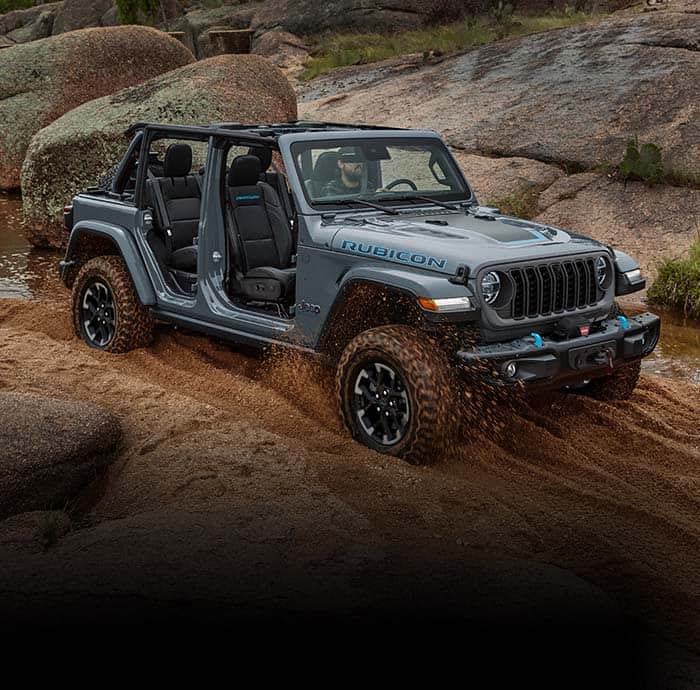
II. Materials and Manufacturing: Understanding the Composition
Jeep Renegade body parts are typically manufactured from a combination of materials, each chosen for its specific properties:

- Steel: Used extensively for its strength and durability, steel is common in bumpers, rocker panels, and structural body panels.
- Aluminum: Lighter than steel, aluminum is used in some body panels to reduce weight and improve fuel efficiency.
- Plastic: Used for bumpers, grilles, and trim pieces, plastic is lightweight and impact-resistant.
- Fiberglass: Sometimes used in aftermarket body kits and accessories.
Understanding the material composition is important when considering repair options. Steel panels, for example, can be repaired using traditional welding techniques, while plastic components may require specialized adhesives or replacement.
III. Repair vs. Replacement: Making the Right Choice
When your Renegade's body parts sustain damage, you'll need to decide whether to repair or replace them. Here's a breakdown of the factors to consider:
- Severity of Damage: Minor scratches and dents can often be repaired using techniques like paintless dent repair (PDR) or body filler. More severe damage, such as large dents, cracks, or rust, may necessitate replacement.
- Cost: Repairing a body panel is generally less expensive than replacing it, especially if the damage is minor. However, extensive repairs can sometimes be more costly than a new part.
- Structural Integrity: If the damage compromises the structural integrity of the body part, replacement is usually the best option. This is particularly important for components like rocker panels and frame members.
- Availability of Parts: Some body parts may be difficult to find, especially for older Renegade models. In such cases, repair may be the only viable option.
IV. Finding the Right Jeep Renegade Body Parts: OEM vs. Aftermarket
When replacing body parts, you'll have the option of choosing Original Equipment Manufacturer (OEM) parts or aftermarket parts. Here's a comparison:
- OEM Parts: Manufactured by the original vehicle manufacturer, OEM parts are guaranteed to fit perfectly and meet the same quality standards as the original components. However, they are typically more expensive than aftermarket parts.
- Aftermarket Parts: Manufactured by third-party companies, aftermarket parts can be more affordable than OEM parts. However, quality and fitment can vary widely. It's important to choose reputable brands and read reviews before purchasing aftermarket body parts.
V. Step-by-Step Guide to Replacing Common Body Parts
While some body work is best left to professionals, here's a simplified guide to replacing a few common components. Always consult your vehicle's repair manual for specific instructions and safety precautions.
- Replacing a Headlight:
- Disconnect the battery.
- Remove the headlight bezel or trim.
- Unplug the electrical connectors.
- Remove the mounting screws or clips.
- Install the new headlight and reassemble in reverse order.
- Replacing a Side Mirror:
- Remove the interior door panel trim.
- Unplug the electrical connectors.
- Remove the mounting bolts or screws.
- Install the new side mirror and reassemble in reverse order.
- Replacing a Bumper Cover:
- Remove any screws or clips securing the bumper cover.
- Carefully detach the bumper cover from the mounting brackets.
- Transfer any sensors or fog lights to the new bumper cover.
- Install the new bumper cover and secure it with screws or clips.
VI. Customizing Your Jeep Renegade with Aftermarket Body Parts
The Jeep Renegade is a popular platform for customization. Here are some common aftermarket body part modifications:
- Lift Kits: Increase ground clearance for off-road driving.
- Rock Sliders: Protect rocker panels from damage on the trails.
- Aftermarket Bumpers: Offer improved protection and a more aggressive look.
- Fender Flares: Provide additional tire coverage and a rugged appearance.
- Grille Inserts: Customize the look of the front grille.
VII. Protecting Your Renegade's Body: Prevention and Maintenance
Preventing damage is always better than repairing it. Here are some tips for protecting your Jeep Renegade's body:
- Regular Washing and Waxing: Protects the paint from the elements and helps prevent rust.
- Touch-Up Paint: Use touch-up paint to repair minor scratches and chips.
- Parking Carefully: Avoid parking too close to other vehicles or objects.
- Off-Road Protection: Install rock sliders, skid plates, and other protective gear for off-road driving.
VIII. Potential Challenges and Solutions
- Rust Repair: Rust is a common problem, especially in areas with harsh winters. Address rust as soon as possible to prevent it from spreading.
- Paint Matching: Getting a perfect paint match can be challenging. Consult with a professional body shop for best results.
- Finding Discontinued Parts: Locating parts for older Renegade models can be difficult. Consider using online forums or contacting salvage yards.
Table Price for Jeep Renegade Body Parts
| Part | OEM Price (Approx.) | Aftermarket Price (Approx.) | Notes |
|---|---|---|---|
| Front Bumper | $400 - $800 | $200 - $500 | Prices vary based on trim level and features (e.g., fog light cutouts) |
| Grille | $250 - $500 | $100 - $300 | Aftermarket options offer different styles and finishes |
| Hood | $500 - $1000 | $300 - $700 | Price depends on material (steel vs. aluminum) |
| Headlight Assembly | $300 - $600 | $150 - $400 | LED headlights are more expensive |
| Taillight Assembly | $200 - $400 | $100 - $250 | Price varies based on trim level and features |
| Fender | $300 - $600 | $150 - $400 | Front and rear fenders have different prices |
| Door | $800 - $1500 | $500 - $1000 | Prices vary based on whether it's a front or rear door |
| Side Mirror (Power) | $200 - $400 | $100 - $250 | Features like blind-spot monitoring increase the price |
| Rocker Panel | $300 - $500 | $150 - $300 | Prices are per side |
| Rear Bumper | $400 - $800 | $200 - $500 | Prices vary based on trim level and features |
| Tailgate | $800 - $1500 | $500 - $1000 | Price depends on whether it includes the glass and hinges |
| Quarter Panel (Rear) | $500 - $1000 | $300 - $700 | Labor costs for installation can be significant |
| Touch-Up Paint (OEM) | $20 - $30 | N/A | Essential for minor scratch repairs |
Please Note: These prices are approximate and can vary depending on the supplier, location, and specific model year of your Jeep Renegade. It's always recommended to get quotes from multiple sources before making a purchase.
Conclusion: Keeping Your Renegade Looking Its Best
Maintaining the body of your Jeep Renegade is essential for preserving its appearance, protecting its structural integrity, and maintaining its resale value. By understanding the different body parts, choosing the right repair or replacement options, and taking preventative measures, you can keep your Renegade looking its best for years to come. Whether you're tackling minor scratches or embarking on a full-blown customization project, remember that proper care and attention will ensure your Renegade continues to turn heads wherever you go.
Frequently Asked Questions (FAQ) About Jeep Renegade Body Parts
- Q: Where can I find a reliable source for Jeep Renegade body parts?
- A: Reputable sources include OEM dealerships, online retailers specializing in Jeep parts, and local auto parts stores. Always read reviews and compare prices before making a purchase.
- Q: How do I determine the correct paint code for my Jeep Renegade?
- A: The paint code is typically located on a sticker on the driver's side doorjamb or in the glove compartment. You can also consult your vehicle's owner's manual.
- Q: Can I install body parts myself, or should I hire a professional?
- A: Simple replacements, such as headlights or side mirrors, can often be done yourself with basic tools. More complex repairs, such as replacing body panels or bumpers, are best left to professionals.
- Q: What is the difference between a bumper and a bumper cover?
- A: The bumper is the structural component that absorbs impact, while the bumper cover is a cosmetic panel that covers the bumper. The bumper cover is often made of plastic and is more susceptible to damage.
- Q: How can I prevent rust on my Jeep Renegade?
- A: Regular washing and waxing, applying rust inhibitors, and addressing scratches and chips promptly can help prevent rust.
- Q: Are aftermarket body parts as good as OEM parts?
- A: The quality of aftermarket parts can vary. Choose reputable brands and read reviews before purchasing. Some aftermarket parts may offer improved performance or styling compared to OEM parts.
- Q: What should I do after a collision that damages my Jeep Renegade's body?
- A: First, ensure the safety of yourself and others. Then, document the damage with photos and contact your insurance company. Get estimates from multiple body shops before authorizing repairs.
- Q: Can I customize my Jeep Renegade with body kits?
- A: Yes, there are various aftermarket body kits available for the Jeep Renegade, allowing you to customize its appearance. Research different styles and choose a kit that complements your vehicle's design.
- Q: How often should I wax my Jeep Renegade to protect the paint?
- A: Waxing your Jeep Renegade every 3-6 months is recommended to protect the paint from the elements and maintain its shine.
- Q: What are rock sliders and why are they important for off-roading?
- A: Rock sliders are protective bars installed along the rocker panels to prevent damage from rocks and other obstacles during off-road driving. They are essential for protecting the vehicle's body in rugged terrain.
0 comments