Introduction: The Enduring Legacy of the 1947 Willys Jeep
The 1947 Willys Jeep, a direct descendant of the iconic World War II vehicle, represents a pivotal moment in automotive history. Transitioning from wartime hero to civilian workhorse, the CJ-2A (Civilian Jeep, model 2A) offered rugged utility and unparalleled off-road capability to farmers, ranchers, and adventurers alike. Owning and maintaining a 1947 Willys Jeep is more than just owning a vehicle; it's preserving a piece of American heritage. However, keeping these venerable machines running smoothly requires a dedicated approach to sourcing, understanding, and utilizing the correct 1947 Willys Jeep parts. This comprehensive guide will navigate the intricacies of 1947 Willys Jeep parts, providing the knowledge and resources necessary for successful restoration and long-term maintenance.
1947 Willys Jeep Parts: A Comprehensive Guide to Restoration and Maintenance
Section 1: Identifying Your 1947 Willys Jeep and Its Specific Needs
Before embarking on any parts acquisition journey, accurately identifying your Jeep is crucial. While many parts are interchangeable across CJ-2A model years, subtle variations exist. Key identification points include:
- Vehicle Identification Number (VIN): Located on the frame rail (typically on the driver's side near the front), the VIN provides crucial information about your Jeep's build date and specifications.
- Engine Type: The standard engine for the 1947 CJ-2A was the "Go-Devil" L-134 four-cylinder. Confirming your engine type ensures compatibility with engine-related parts.
- Original Equipment: Determine which components are original to your Jeep versus replacements from later years. This is especially important for originality-focused restorations.
- Specific Model Options: Some 1947 Jeeps were equipped with optional features like a PTO (Power Take-Off) or a different rear axle ratio. Knowing these options will help you find the correct replacement parts.
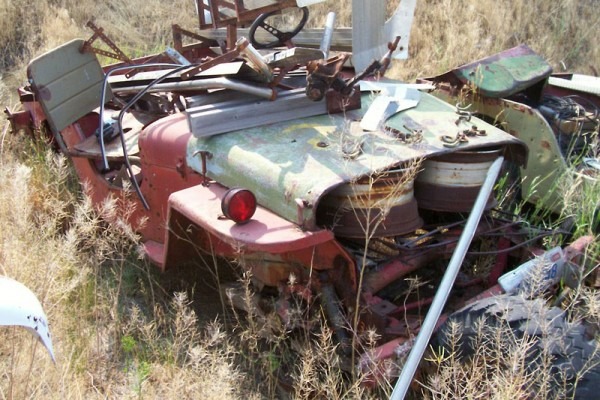
Once you've identified your Jeep, assess its current condition. Conduct a thorough inspection, noting any worn, damaged, or missing parts. Prioritize repairs based on safety and functionality. A systematic approach will prevent unnecessary purchases and ensure you focus on the most critical components first.
Section 2: Sourcing 1947 Willys Jeep Parts: Navigating the Market
Finding 1947 Willys Jeep parts can be both rewarding and challenging. Several avenues are available, each with its own advantages and disadvantages:
- Specialty Willys Jeep Parts Suppliers: These companies specialize in reproduction and NOS (New Old Stock) parts for vintage Jeeps. They offer a wide selection, expert knowledge, and often, technical support. However, prices may be higher than other sources. Examples include Kaiser Willys, Walck's Four Wheel Drive, and Midwest Military Equipment.
- Online Marketplaces (eBay, Craigslist, etc.): These platforms can be treasure troves for finding used and NOS parts at potentially lower prices. However, exercise caution, verify the seller's reputation, and carefully inspect photos before purchasing. Always ask questions about the part's condition and origin.
- Local Auto Parts Stores: While unlikely to stock many 1947-specific parts, local stores may carry some common components like spark plugs, filters, and hoses.
- Jeep Clubs and Forums: Connecting with other Willys Jeep enthusiasts through clubs and online forums can provide valuable insights into sourcing parts and finding reliable suppliers. Members often have parts for sale or can offer recommendations.
- Salvage Yards: Exploring salvage yards, especially those specializing in older vehicles, can sometimes unearth valuable original parts. Be prepared to do some digging and cleaning.
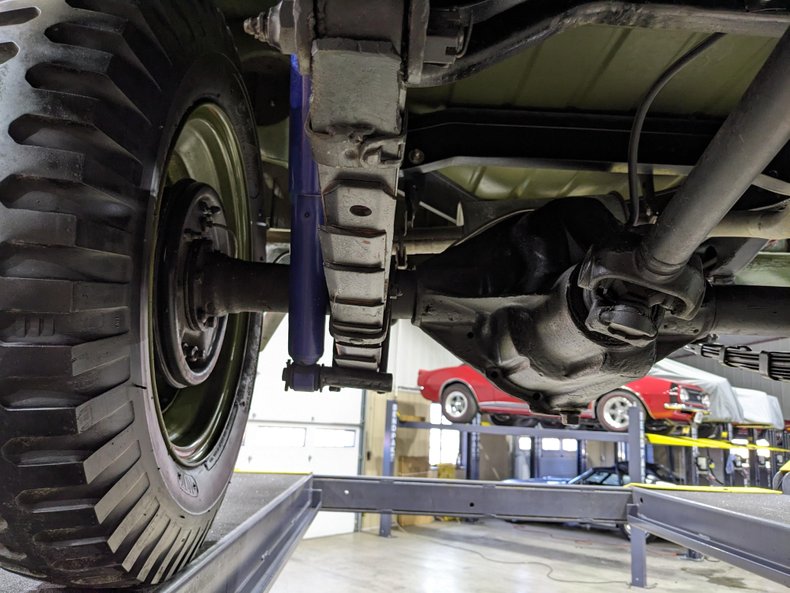

Section 3: Essential 1947 Willys Jeep Parts Categories
Understanding the main categories of parts is crucial for effective restoration and maintenance:
- Engine Parts: This includes everything from pistons and rings to carburetors and distributors. The L-134 "Go-Devil" engine is relatively simple but requires specific parts for optimal performance.
- Transmission and Drivetrain: The transmission, transfer case, axles, and driveshafts are critical for off-road capability. Inspect these components for wear and damage, especially seals and bearings.
- Suspension and Steering: Leaf springs, shocks, steering linkages, and kingpins are essential for a comfortable and safe ride. Worn suspension components can significantly affect handling.
- Brakes: The 1947 Willys Jeep used a basic drum brake system. Ensure all components, including brake shoes, wheel cylinders, and the master cylinder, are in good working order.
- Electrical System: The 6-volt electrical system can be finicky. Check wiring, the generator, starter, and lights for proper function. Consider upgrading to a 12-volt system for improved reliability.
- Body Parts: Fenders, hoods, grilles, and floor panels can often suffer from rust and damage. Reproduction body panels are available, but original parts are highly sought after for authenticity.
- Interior Parts: Seats, gauges, and steering wheels contribute to the Jeep's character. Reproduction interior parts are available, but restoring original components is often preferred.
- Accessories: Bumpers, winches, and other accessories enhance the Jeep's utility. Consider adding period-correct accessories to complete the restoration.
Section 4: Practical Tips for Working with 1947 Willys Jeep Parts
- Invest in a Shop Manual: A factory shop manual is an invaluable resource for understanding the Jeep's mechanics and proper repair procedures.
- Take Photos Before Disassembly: Documenting the original configuration of parts before taking them apart will aid in reassembly.
- Label Everything: Clearly label all parts and hardware as you disassemble them to avoid confusion later.
- Clean and Inspect Parts Thoroughly: Before reinstalling any part, clean it thoroughly and inspect it for wear, damage, or cracks.
- Use the Correct Tools: Using the appropriate tools will prevent damage to parts and make the job easier.
- Apply Anti-Seize Compound: Use anti-seize compound on bolts and fasteners to prevent them from seizing up in the future.
- Torque Fasteners to Specification: Tighten all fasteners to the torque specifications listed in the shop manual.
- Test and Adjust: After completing a repair, test the system thoroughly and make any necessary adjustments.
- Don't Be Afraid to Ask for Help: If you're unsure about a repair, don't hesitate to seek advice from experienced Willys Jeep enthusiasts or professional mechanics.
Section 5: Potential Challenges and Solutions
Restoring a 1947 Willys Jeep can present several challenges:
- Finding Rare or Obsolete Parts: Some parts may be difficult to find, requiring extensive searching or fabrication.
- Solution: Consider using reproduction parts, searching online forums and marketplaces, or contacting specialized Willys Jeep parts suppliers.
- Dealing with Rust and Corrosion: Rust is a common problem on older vehicles.
- Solution: Remove rust with mechanical methods or chemical treatments. Protect repaired areas with primer and paint.
- Working with a 6-Volt Electrical System: The 6-volt system can be unreliable and difficult to troubleshoot.
- Solution: Consider upgrading to a 12-volt system, ensuring all components are compatible.
- Understanding the Jeep's Mechanics: The Jeep's mechanical systems can be unfamiliar to modern mechanics.
- Solution: Invest in a shop manual, seek advice from experienced enthusiasts, or attend workshops on vintage Jeep repair.
Section 6: Upgrading vs. Maintaining Originality
A common dilemma for Willys Jeep owners is whether to upgrade certain components for improved performance and reliability or maintain the Jeep's original configuration.
- Upgrading: Upgrades can enhance performance, safety, and reliability. Common upgrades include converting to a 12-volt electrical system, installing disc brakes, or replacing the engine with a more modern unit.
- Maintaining Originality: Preserving the Jeep's original configuration is important for historical accuracy and collector value. This involves using original or NOS parts and adhering to factory specifications.
The decision to upgrade or maintain originality depends on your personal preferences and intended use for the Jeep. If you plan to use the Jeep for off-roading or daily driving, upgrades may be necessary. If you're primarily interested in preserving the Jeep's historical value, maintaining originality is the best approach.
Section 7: Table price
| Part Category | Part Description | Estimated Price Range | Notes |
|---|---|---|---|
| Engine | Complete Engine Rebuild Kit (L-134) | $800 - $1500 | Includes pistons, rings, bearings, gaskets |
| Carburetor (Rebuilt) | $150 - $300 | Carter or Solex models | |
| Distributor (Rebuilt) | $100 - $200 | ||
| Water Pump (New) | $50 - $100 | ||
| Transmission | Transmission Rebuild Kit | $200 - $400 | Includes bearings, seals, gaskets |
| Clutch Kit (New) | $100 - $200 | Pressure plate, disc, throwout bearing | |
| Drivetrain | Transfer Case Rebuild Kit | $150 - $300 | Includes bearings, seals, gaskets |
| U-Joint (Each) | $20 - $40 | ||
| Suspension | Leaf Spring (Each) | $100 - $200 | |
| Shock Absorber (Each) | $30 - $60 | ||
| Brakes | Brake Shoe Set (Front or Rear) | $40 - $80 | |
| Wheel Cylinder (Each) | $30 - $60 | ||
| Master Cylinder (Rebuilt) | $100 - $200 | ||
| Electrical | Wiring Harness (Complete) | $200 - $400 | |
| Generator (Rebuilt) | $150 - $300 | ||
| Starter (Rebuilt) | $100 - $200 | ||
| Body | Front Fender (Reproduction) | $200 - $400 | |
| Floor Pan (Reproduction) | $150 - $300 | ||
| Grille (Reproduction) | $200 - $400 | ||
| Interior | Seat Cover Set (Reproduction) | $200 - $400 | |
| Steering Wheel (Reproduction) | $100 - $200 | ||
| Miscellaneous | Fuel Tank (Reproduction) | $150 - $300 | |
| Tire (Military Tread, Each) | $100 - $200 |
Disclaimer: These prices are estimates and can vary based on vendor, condition (NOS, rebuilt, used), and geographical location. Always verify pricing and condition with the seller before making a purchase.
Section 8: Frequently Asked Questions (FAQ)
- Q: Where can I find the VIN on my 1947 Willys Jeep?
- A: The VIN is typically located on the frame rail, usually on the driver's side near the front.
- Q: Is it possible to convert my 1947 Willys Jeep to a 12-volt electrical system?
- A: Yes, converting to a 12-volt system is a common upgrade that improves reliability. You'll need to replace the generator, starter, lights, and other electrical components.
- Q: Are reproduction body panels as good as original parts?
- A: Reproduction body panels can be a good option if original parts are unavailable or too expensive. However, the quality can vary, so choose reputable suppliers.
- Q: How often should I change the oil in my 1947 Willys Jeep?
- A: It's recommended to change the oil every 1,000 to 2,000 miles, depending on driving conditions.
- Q: What type of oil should I use in my 1947 Willys Jeep?
- A: Use a high-quality conventional oil with a viscosity of 10W-30 or 10W-40.
- Q: How do I adjust the brakes on my 1947 Willys Jeep?
- A: Consult the shop manual for detailed instructions on adjusting the drum brakes.
Conclusion: Preserving a Legacy
Restoring and maintaining a 1947 Willys Jeep is a rewarding endeavor that connects you to a rich history. By understanding the Jeep's specific needs, sourcing the correct parts, and following proper repair procedures, you can ensure that this iconic vehicle continues to thrive for generations to come. The journey may be challenging, but the satisfaction of preserving a piece of American history makes it all worthwhile. The 1947 Willys Jeep is more than just a vehicle; it's a symbol of resilience, ingenuity, and the enduring spirit of adventure.
0 comments