Introduction: The Timeless Appeal and the Parts That Keep It Alive
The 1955 Jeep CJ5 stands as an icon of American ingenuity and off-road prowess. A direct descendant of the legendary World War II Jeeps, the CJ5 (Civilian Jeep 5) offered a blend of rugged functionality and a touch of civilian comfort. These vehicles are more than just transportation; they are rolling pieces of history, cherished by enthusiasts for their simplicity, durability, and unmistakable character. Owning a 1955 CJ5, however, comes with the responsibility of maintaining and, often, restoring it. This is where understanding the availability and nuances of 1955 Jeep CJ5 parts becomes paramount. This comprehensive guide delves into the world of CJ5 parts, covering everything from sourcing and identification to common issues and restoration tips, ensuring you can keep your classic Jeep running strong for years to come.
1955 Jeep CJ5 Parts: A Comprehensive Guide to Restoration and Maintenance
Section 1: Identifying and Sourcing 1955 CJ5 Parts: A Treasure Hunt
Finding the right parts for a 1955 CJ5 can feel like an archeological dig. The CJ5 underwent numerous changes throughout its production run (1954-1983), so accurately identifying the correct parts for your specific model year is crucial. Here's a breakdown:
-
Vehicle Identification Number (VIN): Located on the frame or firewall, the VIN is your Jeep's unique identifier. It can help you determine the original specifications and identify the exact engine, transmission, and other components your CJ5 was equipped with from the factory. Online VIN decoders are readily available.
-
Parts Manuals and Catalogs: Original parts manuals and catalogs are invaluable resources. They provide detailed diagrams, part numbers, and exploded views, making it easier to identify and order the correct components. Reproduction manuals are readily available online or from Jeep parts suppliers.
-
Online Parts Suppliers: Numerous online retailers specialize in Jeep parts, offering a vast selection of reproduction, NOS (New Old Stock), and used components. Some popular and reputable suppliers include:
- KaiserWillys Auto Supply
- Walck's Four Wheel Drive
- Quadratec
- Morris 4x4 Center

-
Local Auto Parts Stores: While less likely to carry specific CJ5 parts, local auto parts stores may have some common items like filters, spark plugs, and basic maintenance supplies.
-
Jeep Clubs and Forums: Online Jeep forums and local Jeep clubs are excellent resources for finding used parts, connecting with other enthusiasts, and getting advice on sourcing hard-to-find items.
-
Salvage Yards: Salvage yards specializing in older vehicles can be a goldmine for original CJ5 parts. Be prepared to do some searching and cleaning, but you may find rare or discontinued components at a reasonable price.
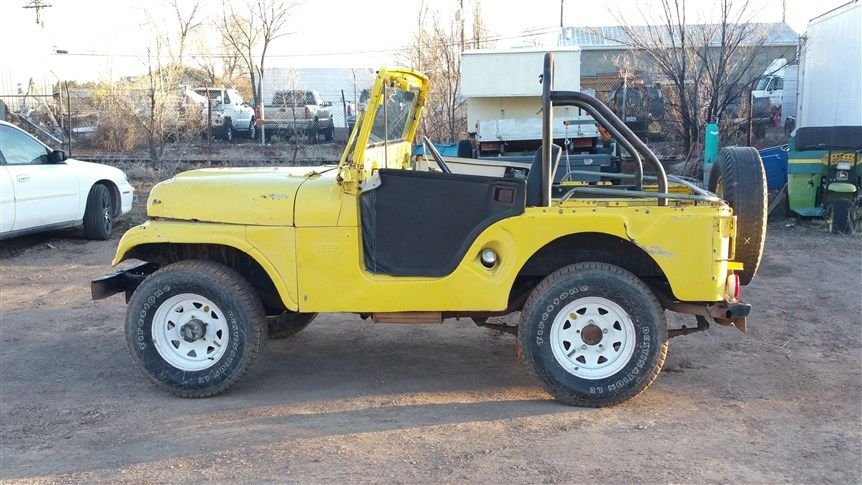

Section 2: Key Component Groups and Common Replacement Parts
Understanding the major component groups of your 1955 CJ5 is essential for effective maintenance and repair. Here's a breakdown of some key areas and common replacement parts:
-
Engine: The 1955 CJ5 typically came with the Willys "Hurricane" F-head four-cylinder engine. Common replacement parts include:
- Piston rings
- Bearings (main, rod, and camshaft)
- Gaskets (head, intake, exhaust)
- Water pump
- Fuel pump
- Distributor cap and rotor
- Spark plugs
- Timing chain or gears
-
Transmission and Transfer Case: The standard transmission was a Warner T-90 three-speed manual. The transfer case was a Dana 18. Common replacement parts include:
- Clutch disc, pressure plate, and throw-out bearing
- Transmission gears and bearings
- Transfer case gears and bearings
- Seals and gaskets for both the transmission and transfer case
-
Axles and Suspension: The 1955 CJ5 used Dana 25 front and Dana 44 rear axles. The suspension consisted of leaf springs and shocks. Common replacement parts include:
- Axle shafts
- Wheel bearings
- Brake drums, shoes, and wheel cylinders
- Leaf springs
- Shock absorbers
- Tie rod ends and drag link
-
Body and Frame: CJ5 bodies were prone to rust, especially in areas like the floorboards, rocker panels, and fender wells. Common replacement parts include:
- Floor pans
- Rocker panels
- Fender patches
- Windshield frames
- Body mounts
-
Electrical System: The 1955 CJ5 used a 6-volt electrical system. Common replacement parts include:
- Wiring harness
- Generator or alternator
- Starter motor
- Voltage regulator
- Lights and bulbs
- Switches
Section 3: Restoration Tips and Best Practices
Restoring a 1955 CJ5 is a labor of love that requires patience, attention to detail, and a willingness to learn. Here are some tips to help you achieve a successful restoration:
-
Start with a Solid Foundation: Begin by thoroughly inspecting the frame for rust and damage. Repair or replace any compromised sections before proceeding.
-
Document Everything: Take plenty of pictures and notes throughout the restoration process. This will be invaluable when reassembling the vehicle and troubleshooting any issues.
-
Disassemble Carefully: Disassemble the CJ5 methodically, labeling and organizing all parts. Use penetrating oil to loosen rusted bolts and avoid damaging components.
-
Clean and Inspect: Clean all parts thoroughly and inspect them for wear and damage. Replace any parts that are worn or beyond repair.
-
Use Correct Fasteners: Use the correct type and size of fasteners when reassembling the CJ5. Incorrect fasteners can damage components and compromise the integrity of the vehicle.
-
Pay Attention to Detail: The details make a big difference in a restoration. Pay attention to things like paint color, upholstery, and trim.
-
Seek Expert Advice: Don't be afraid to ask for help from experienced Jeep restorers. Jeep clubs and forums are great resources for getting advice and tips.
Section 4: Upgrades and Modifications: Enhancing Performance and Reliability
While preserving the original character of a 1955 CJ5 is important, some upgrades and modifications can enhance its performance and reliability without sacrificing its classic appeal. Some popular upgrades include:
-
12-Volt Conversion: Converting to a 12-volt electrical system provides more reliable starting and allows you to use modern accessories.
-
Power Steering: Adding power steering makes the CJ5 easier to handle, especially off-road.
-
Disc Brakes: Upgrading to disc brakes provides improved stopping power and safety.
-
Modern Engine: Swapping in a more modern engine, such as a small-block Chevy or a Jeep inline-six, can significantly improve performance.
-
Suspension Lift: Adding a suspension lift allows you to run larger tires and improves off-road capability.
Section 5: Addressing Common Issues and Troubleshooting
Even with meticulous maintenance, 1955 CJ5s are prone to certain common issues. Here are some troubleshooting tips:
-
Engine Issues:
- Hard Starting: Check the fuel system, ignition system, and compression.
- Overheating: Check the cooling system, including the radiator, water pump, and thermostat.
- Oil Leaks: Inspect the engine for leaks around the gaskets, seals, and oil pan.
-
Transmission and Transfer Case Issues:
- Difficulty Shifting: Check the clutch linkage and transmission fluid level.
- Popping Out of Gear: This could indicate worn gears or synchronizers.
- Noisy Transfer Case: Check the transfer case fluid level and inspect the gears and bearings.
-
Brake Issues:
- Soft Brake Pedal: Bleed the brakes to remove air from the system.
- Brakes Pulling to One Side: Check the brake shoes and wheel cylinders for wear and damage.
- Brakes Squealing: This could indicate worn brake shoes or drums.
Section 6: The Importance of Preventative Maintenance
Regular preventative maintenance is crucial for keeping your 1955 CJ5 running smoothly and avoiding costly repairs. Here are some key maintenance tasks:
- Oil Changes: Change the engine oil and filter every 3,000 miles.
- Lubrication: Lubricate the chassis, steering components, and driveline regularly.
- Fluid Checks: Check the fluid levels in the transmission, transfer case, axles, and cooling system.
- Tune-Ups: Perform regular tune-ups, including replacing the spark plugs, distributor cap, and rotor.
- Brake Inspections: Inspect the brakes regularly for wear and damage.
Price Table: Common 1955 Jeep CJ5 Parts (Approximate Prices)
| Part Description | Approximate Price (USD) | Notes |
|---|---|---|
| Piston Ring Set | $50 - $100 | Varies by engine size and material |
| Head Gasket | $20 - $40 | |
| Water Pump | $50 - $80 | |
| Fuel Pump | $40 - $70 | |
| Clutch Kit | $100 - $200 | Includes clutch disc, pressure plate, and throw-out bearing |
| Leaf Spring (Each) | $80 - $150 | Varies by brand and load capacity |
| Shock Absorber (Each) | $30 - $60 | |
| Floor Pan (Each) | $50 - $100 | |
| Wiring Harness | $150 - $300 | Complete replacement harness |
| Brake Shoe Set (Front/Rear) | $30 - $60 | |
| Wheel Cylinder (Each) | $20 - $40 |
Note: Prices are approximate and can vary depending on the supplier, brand, and condition of the part (new, used, NOS). It is always recommended to shop around and compare prices before making a purchase.
Conclusion: Preserving a Legacy, One Part at a Time
Owning and maintaining a 1955 Jeep CJ5 is a rewarding experience. It connects you to a rich history and allows you to experience the joys of open-air motoring in a truly iconic vehicle. By understanding the availability and nuances of 1955 CJ5 parts, you can keep your classic Jeep running strong and preserve its legacy for future generations. Whether you're embarking on a full restoration or simply performing routine maintenance, the knowledge and resources outlined in this guide will help you navigate the world of CJ5 parts with confidence.
Frequently Asked Questions (FAQ)
-
Q: Where can I find the VIN on my 1955 CJ5?
- A: The VIN is typically located on the frame or firewall.
-
Q: Are reproduction parts as good as original parts?
- A: Reproduction parts can vary in quality. Choose reputable suppliers and read reviews before purchasing.
-
Q: Is it difficult to convert a 1955 CJ5 to a 12-volt electrical system?
- A: The conversion is relatively straightforward, but it requires replacing several components, including the generator, starter, lights, and wiring harness.
-
Q: How often should I change the oil in my 1955 CJ5?
- A: Change the oil every 3,000 miles or every six months, whichever comes first.
-
Q: Where can I find a good mechanic who specializes in vintage Jeeps?
- A: Check with local Jeep clubs or online forums for recommendations.
By embracing the challenge of finding and fitting the right parts, you're not just fixing a vehicle; you're preserving a piece of automotive history. Happy Jeeping!
0 comments