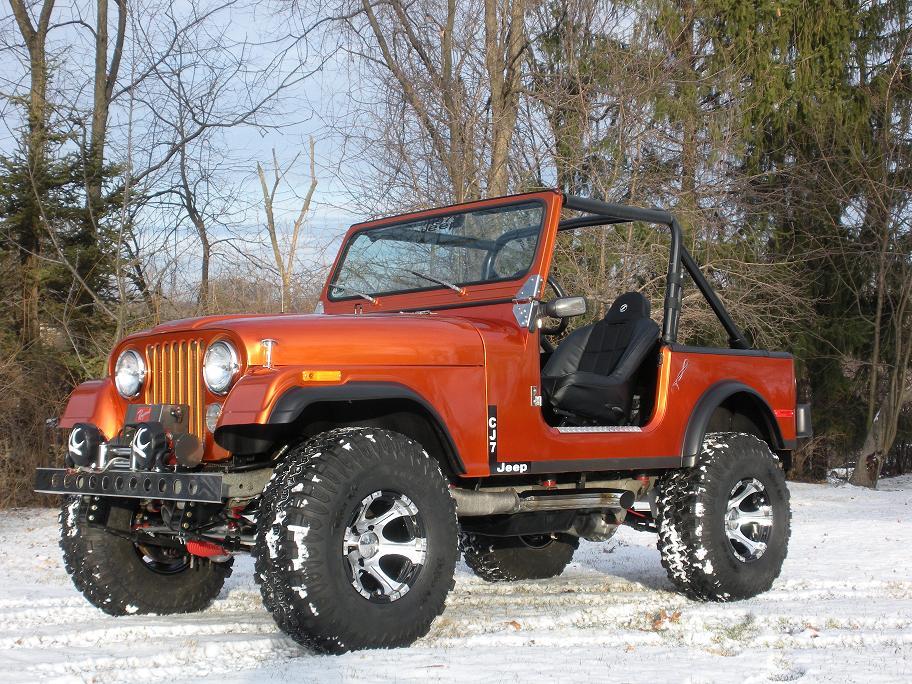
The 1976 Jeep CJ7 stands as an icon of American off-roading, a testament to rugged simplicity and enduring appeal. Owning one, whether as a seasoned enthusiast or a new admirer, comes with the responsibility of maintenance and, often, restoration. Understanding the landscape of 1976 Jeep CJ7 parts is crucial for keeping your classic Jeep on the road (or trail) for years to come. This comprehensive guide will delve into the essential components, providing valuable insights into sourcing, replacing, and even upgrading the parts that make your '76 CJ7 a true legend.
Introduction: The Enduring Legacy and the Importance of Parts
1976 Jeep CJ7 Parts: A Comprehensive Guide to Restoration and Enhancement
The CJ7, produced from 1976 to 1986, bridged the gap between the classic CJ5 and the more modern Wrangler. The 1976 model year, in particular, marks a significant point in CJ7 history. It was the first year of the model and offered a blend of old-school charm and new features. However, being over four decades old, many original parts have succumbed to wear and tear, rust, or simply the passage of time.
Sourcing and understanding the available parts for your 1976 CJ7 is paramount for several reasons:
- Maintaining Authenticity: Preserving the original character of your Jeep is important to many owners, and using correct or period-correct parts is crucial for achieving this.
- Ensuring Reliability: Replacing worn or damaged components with quality replacements guarantees a safer and more reliable driving experience.
- Enhancing Performance: Upgrading certain parts can improve your Jeep's off-road capabilities, handling, or overall performance.
- Preserving Value: A well-maintained and properly restored CJ7 holds its value, and often appreciates, making investment in quality parts a wise decision.
Section 1: The Heart of the Beast: Engine and Drivetrain Parts
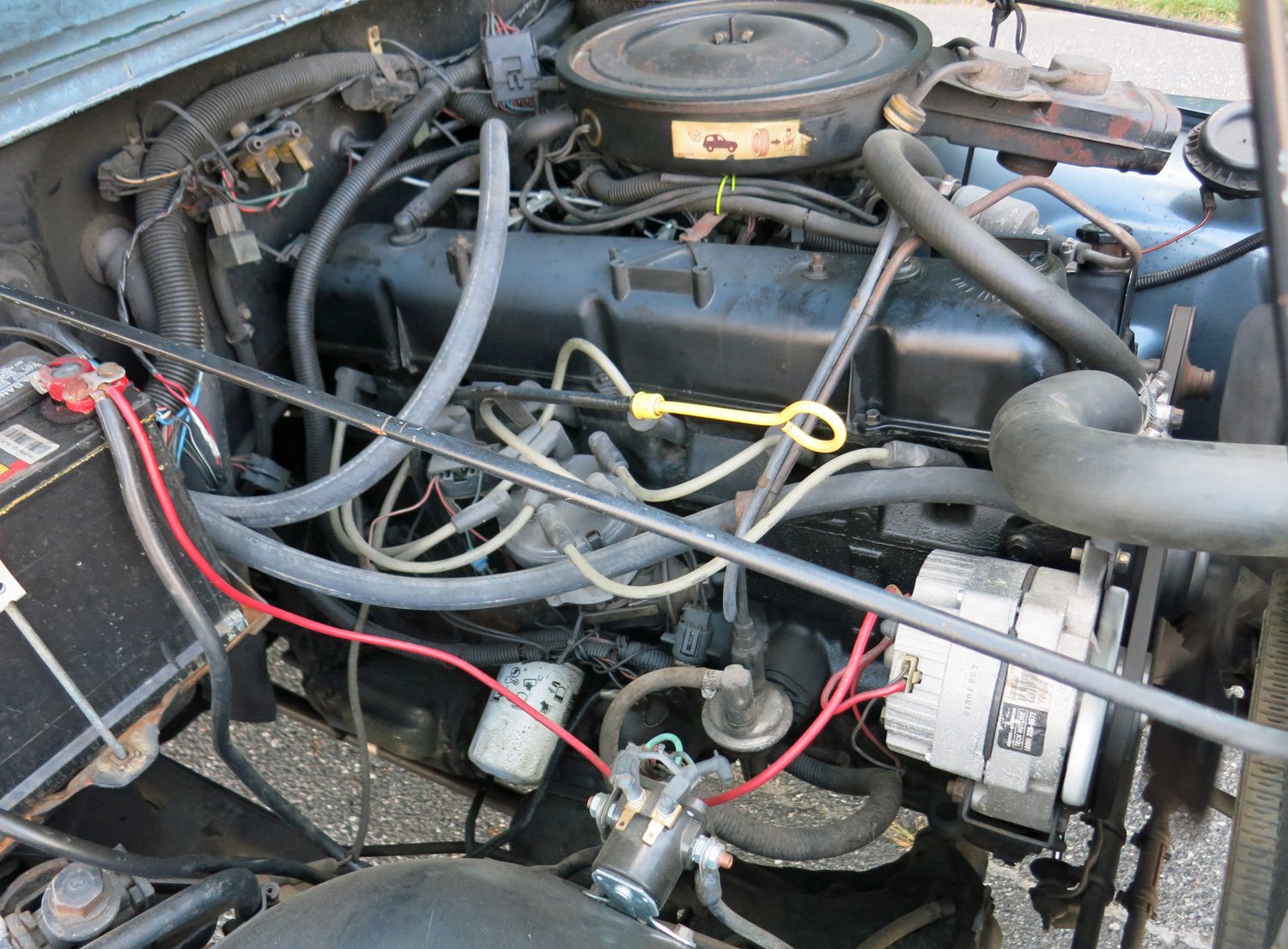
The engine and drivetrain are the core of any vehicle, and the 1976 CJ7 offered several engine options, each with its own set of parts needs:
- 258 Cubic Inch (4.2L) Inline-Six: This was the most common engine option, known for its reliability and low-end torque. Parts readily available include:
- Engine Rebuild Kits: Containing pistons, rings, bearings, gaskets, and seals.
- Carburetor Rebuild Kits: To restore optimal fuel delivery.
- Ignition Components: Distributor caps, rotors, spark plugs, and ignition coils.
- Cooling System Parts: Radiators, water pumps, thermostats, and hoses.
- Exhaust System Components: Manifolds, mufflers, and tailpipes.

- 304 Cubic Inch (5.0L) V8: A more powerful option for those seeking increased performance. Parts are generally available, but can be slightly more expensive than those for the inline-six.
- Transmission Options:
- Manual Transmissions: Typically the T-150 three-speed or T-18 four-speed. Parts include clutch kits, rebuild kits, shift forks, and bearings.
- Automatic Transmissions: Usually the Turbo-Hydramatic 400 (TH400). Parts include filters, gaskets, rebuild kits, and torque converters.
- Transfer Case: The Dana 20 transfer case was standard, providing two-wheel drive and four-wheel drive options. Rebuild kits, shift levers, and seals are readily available.
- Axles: The Dana 30 front axle and AMC 20 rear axle were standard. Parts include axle shafts, bearings, seals, ring and pinion gears, and differential components.
Practical Advice: When rebuilding an engine or transmission, consider using a reputable brand and follow the manufacturer's specifications. For axle repairs, inspect the axle housings for cracks or damage before investing in new internal components.
Section 2: Keeping it Rolling: Suspension, Steering, and Brakes
These components are critical for safety and handling:
- Suspension: The 1976 CJ7 used leaf springs front and rear.
- Leaf Springs: Replacing worn leaf springs will improve ride quality and handling. Consider different spring rates depending on your intended use (off-road vs. on-road).
- Shock Absorbers: Choose shocks that match your driving style and the spring rate you've selected.
- Bushings: Replacing worn bushings will tighten up the suspension and improve handling.
- Steering:
- Steering Gearbox: Rebuild kits or replacement gearboxes are available. Consider upgrading to a power steering system if your CJ7 doesn't have one.
- Steering Linkage: Tie rod ends, drag links, and ball joints are all subject to wear and should be inspected regularly.
- Brakes:
- Brake Shoes and Pads: Replace worn brake shoes or pads for optimal stopping power.
- Brake Drums and Rotors: Resurface or replace worn drums and rotors.
- Brake Master Cylinder: A faulty master cylinder can compromise braking performance.
- Brake Lines: Inspect brake lines for rust or leaks. Replace any damaged lines immediately.
Actionable Insights: Upgrading to disc brakes on the front axle can significantly improve braking performance, especially for off-road use. Regularly grease the steering components to prevent premature wear.
Section 3: Body and Interior: Restoring the Classic Look
The body and interior contribute significantly to the CJ7's aesthetic appeal:
- Body Panels: Fenders, quarter panels, floor pans, and rocker panels are prone to rust. Replacement panels are available from various manufacturers.
- Windshield Frame: Another common rust area. Replacement frames are available, or the original can be repaired.
- Soft Top and Hard Top: Replacements are available in various materials and colors.
- Seats: Reupholstering the original seats or replacing them with aftermarket seats can greatly improve comfort.
- Dashboard and Gauges: Replacement dashboards and gauges are available. Consider upgrading to modern gauges for improved accuracy and reliability.
- Wiring Harness: Aftermarket wiring harnesses are available to replace the original, which may be brittle or damaged.
Important Considerations: When replacing body panels, ensure a proper fit and use rust-resistant coatings to prevent future corrosion. Consider upgrading to a modern sound system for improved audio quality.
Section 4: Finding the Right Parts: Sourcing and Considerations
Finding the right parts for a 1976 CJ7 can be challenging, but several resources are available:
- Online Retailers: Numerous online retailers specialize in Jeep parts. Be sure to check reviews and compare prices.
- Local Auto Parts Stores: Some local auto parts stores may carry common parts for the CJ7.
- Jeep Forums and Clubs: These are excellent resources for finding used parts and getting advice from other CJ7 owners.
- Junkyards: Junkyards can be a good source for hard-to-find parts, but be prepared to do some searching.
Tips for Sourcing Parts:
- Know Your VIN: The Vehicle Identification Number (VIN) is essential for identifying the correct parts for your specific CJ7.
- Research Before You Buy: Read reviews and compare prices before making a purchase.
- Consider Used Parts: Used parts can be a cost-effective option, but inspect them carefully for damage.
- Don't Be Afraid to Ask Questions: If you're unsure about a part, ask the seller for more information.
Section 5: Potential Challenges and Solutions
Restoring a 1976 CJ7 can present some challenges:
- Finding Rare Parts: Some parts may be difficult to find, especially those specific to the 1976 model year.
- Solution: Be patient and persistent. Check online forums, junkyards, and specialized Jeep parts suppliers.
- Dealing with Rust: Rust is a common problem on older Jeeps.
- Solution: Properly remove rust before painting or installing new parts. Use rust-resistant coatings to prevent future corrosion.
- Compatibility Issues: Some aftermarket parts may not be a direct fit for the 1976 CJ7.
- Solution: Research the part carefully before buying it. Check reviews and ask the seller if it's compatible with your Jeep.
- Cost: Restoring a CJ7 can be expensive.
- Solution: Prioritize the most important repairs and spread the restoration over time.
Section 6: Essential Maintenance and Care for Longevity
Once your 1976 CJ7 is restored, regular maintenance is crucial for keeping it in good condition:
- Regular Oil Changes: Change the engine oil and filter every 3,000 miles.
- Grease the Chassis: Grease the chassis components regularly to prevent wear.
- Inspect and Maintain the Cooling System: Check the coolant level and inspect the hoses for leaks.
- Check the Brakes: Inspect the brake pads or shoes regularly and replace them as needed.
- Keep it Clean: Wash your CJ7 regularly to remove dirt and grime.
- Store it Properly: If you're not driving your CJ7 regularly, store it in a dry place to prevent rust.
Table Price for 1976 Jeep CJ7 Parts
| Part Category | Part Description | Estimated Price Range | Notes |
|---|---|---|---|
| Engine | |||
| Engine Rebuild Kit (258 Inline-Six) | $500 - $1500 | Includes pistons, rings, bearings, gaskets | |
| Carburetor Rebuild Kit | $50 - $150 | For original Carter BBD carburetor | |
| Radiator | $150 - $400 | Depends on material (aluminum, copper) and core size | |
| Water Pump | $50 - $150 | ||
| Transmission | |||
| Clutch Kit (Manual) | $150 - $400 | Includes clutch disc, pressure plate, throwout bearing | |
| Transmission Rebuild Kit (T-150) | $200 - $500 | Includes bearings, seals, gaskets | |
| Transmission Filter Kit (TH400 Automatic) | $20 - $50 | ||
| Transfer Case | |||
| Transfer Case Rebuild Kit (Dana 20) | $150 - $350 | Includes bearings, seals, gaskets | |
| Axles | |||
| Axle Shaft (AMC 20) | $100 - $300 (each) | Depends on quality and brand | |
| Ring and Pinion Gear Set | $200 - $500 | Price per set, depending on ratio | |
| Suspension | |||
| Leaf Springs (Front or Rear) | $150 - $400 (each) | Price per spring, varies with lift height and spring rate | |
| Shock Absorbers | $50 - $150 (each) | Depends on brand and type (gas, hydraulic) | |
| Steering | |||
| Steering Gearbox Rebuild Kit | $100 - $300 | ||
| Tie Rod End | $30 - $80 (each) | ||
| Brakes | |||
| Brake Shoes (Rear) | $30 - $70 (per set) | ||
| Brake Pads (Front - if converted to disc) | $40 - $100 (per set) | ||
| Brake Drum (Rear) | $50 - $150 (each) | ||
| Brake Rotor (Front - if converted to disc) | $75 - $200 (each) | ||
| Body | |||
| Floor Pan (Replacement) | $100 - $300 (each) | Depends on size and manufacturer | |
| Fender (Replacement) | $150 - $400 (each) | ||
| Soft Top (Replacement) | $300 - $800 | Depends on material and features | |
| Interior | |||
| Seat Upholstery Kit | $200 - $500 (per seat) | Depends on material and pattern | |
| Electrical | |||
| Wiring Harness (Complete Replacement) | $300 - $700 |
Disclaimer: Prices are estimates and can vary significantly depending on the vendor, brand, quality, and availability of the parts. Always verify prices with the supplier before making a purchase. Prices do not include labor costs for installation.
Frequently Asked Questions (FAQ)
- Q: Where can I find a complete parts catalog for my 1976 CJ7?
- A: While physical catalogs are less common, online retailers often have detailed parts listings with diagrams and specifications. Jeep forums and clubs can also be helpful in identifying the correct parts.
- Q: Are parts for the 1976 CJ7 interchangeable with other CJ models?
- A: Some parts are interchangeable, but it's essential to verify compatibility before making a purchase. The 1976 CJ7 shares many parts with the CJ5 and later CJ7 models, but there may be differences due to engine options, transmission types, and other variations.
- Q: Should I use original parts or aftermarket parts for my restoration?
- A: This depends on your goals and budget. Original parts can help maintain the authenticity of your Jeep, but they may be more expensive and harder to find. Aftermarket parts can be a more affordable option, and some offer improved performance or durability.
- Q: What are some common upgrades for the 1976 CJ7?
- A: Common upgrades include power steering, disc brakes, a modern ignition system, and a lift kit.
- Q: How can I protect my CJ7 from rust?
- A: Regularly wash and wax your Jeep. Apply rust-resistant coatings to vulnerable areas. Store your Jeep in a dry place when not in use.
Conclusion: Preserving a Piece of Automotive History
Restoring a 1976 Jeep CJ7 is a rewarding experience that allows you to connect with a piece of automotive history. By understanding the available parts and taking the time to source them carefully, you can ensure that your CJ7 remains a reliable and enjoyable vehicle for years to come. Whether you're aiming for a meticulous restoration or a customized off-road machine, the right parts are essential for achieving your vision. Embrace the challenge, and enjoy the journey of bringing your 1976 CJ7 back to its former glory.
0 comments