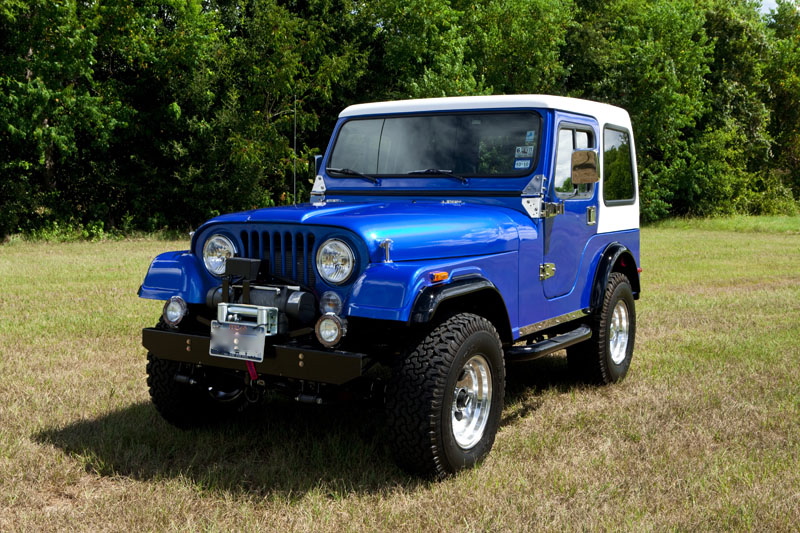
The 1983 Jeep represents a pivotal year in Jeep's history. It bridges the gap between the rugged simplicity of earlier models and the burgeoning advancements in automotive technology. For many enthusiasts, owning a 1983 Jeep CJ-7 or Jeep Scrambler (CJ-8) is more than just owning a vehicle; it's preserving a piece of automotive history. But keeping these classics on the road requires understanding and sourcing the right 1983 Jeep parts. This guide will provide a comprehensive overview of everything you need to know about sourcing, maintaining, and upgrading the parts that keep your 1983 Jeep running strong.
Why Focus on 1983 Jeep Parts Specifically?
1983 Jeep Parts: A Comprehensive Guide to Keeping Your Classic Alive
While many parts are interchangeable across the CJ model years (1976-1986), 1983 holds a unique position. It's old enough to be considered a true classic, but not so old that parts are impossible to find. However, it's also far enough back that generic "Jeep" parts might not always be a perfect fit. Subtle changes in design, manufacturing processes, and even available options mean that identifying parts specific to the 1983 model year is crucial for proper fitment and performance. Furthermore, understanding the unique challenges and common issues faced by 1983 Jeeps will help you prioritize maintenance and repairs effectively.
I. Engine and Drivetrain Components
The heart of any vehicle is its engine, and the 1983 Jeep offered several options, including the reliable AMC 258 cubic inch inline-six and the AMC 151 cubic inch (2.5L) inline-four. Understanding which engine your Jeep has is the first step in sourcing the correct parts.
-
Engine Parts:
- Rebuild Kits: If your engine is tired or experiencing significant issues, a rebuild kit can be a cost-effective solution. These kits typically include pistons, rings, bearings, gaskets, and other essential components.
- Carburetors: Many 1983 Jeeps used carburetors. Rebuilding or replacing the carburetor can drastically improve performance and fuel economy. Look for remanufactured units or upgrade to a more modern fuel injection system (though this requires more extensive modifications).
- Distributors and Ignition Components: Maintaining a healthy ignition system is vital. Replace spark plugs, wires, distributor caps, and rotors regularly. Upgrading to an electronic ignition system can improve reliability and performance.
- Cooling System: Overheating is a common problem with older vehicles. Inspect and replace hoses, radiators, water pumps, and thermostats as needed. Consider upgrading to an aluminum radiator for improved cooling efficiency.
-
Drivetrain Parts:
- Transmissions: The T4 and T5 manual transmissions were common in 1983 Jeeps. These transmissions can be rebuilt or replaced with stronger, more modern options.
- Transfer Cases: The Dana 300 transfer case is a robust unit, but seals and bearings can wear out over time. Rebuild kits are readily available.
- Axles: The Dana 30 front axle and AMC 20 rear axle (with its two-piece axle shafts) were standard. Consider upgrading the rear axle to a one-piece axle shaft design for increased strength and reliability, especially if you plan on off-roading.
- Driveshafts: Inspect driveshafts for wear and tear. Replace U-joints as needed.


II. Body and Exterior Components
The body of a 1983 Jeep is prone to rust, especially in areas with harsh winters or coastal environments.
-
Rust Repair:
- Floor Pans: Floor pans are notorious for rusting out. Replacement floor pans are readily available and relatively easy to install.
- Rocker Panels: Similar to floor pans, rocker panels are susceptible to rust.
- Body Mounts: Body mounts can deteriorate over time, leading to a bumpy ride and potential frame damage. Replace worn body mounts to improve ride quality and protect the frame.
-
Exterior Trim and Accessories:
- Bumpers: Replace rusted or damaged bumpers with aftermarket options or restore the originals.
- Fenders: Fenders are often damaged in off-road situations. Replacement fenders are available in steel or fiberglass.
- Grilles: Restore or replace the iconic Jeep grille.
- Soft Tops and Hard Tops: Replace worn or damaged soft tops or hard tops.
- Lighting: Upgrade to LED headlights and taillights for improved visibility and safety.
III. Interior Components
The interior of a 1983 Jeep is often showing its age.
- Seats: Replace worn or torn seats with aftermarket options or reupholster the originals.
- Dashboards: Dashboards can crack and fade over time. Replacement dashboards or dash covers are available.
- Gauges: Replace malfunctioning gauges or upgrade to a more modern gauge cluster.
- Carpeting: Replace worn or stained carpeting.
- Steering Wheel: Replace the steering wheel with a more comfortable or stylish option.
IV. Suspension and Steering Components
A well-maintained suspension and steering system is crucial for both on-road and off-road performance.
-
Suspension:
- Leaf Springs: Leaf springs can sag over time, leading to a poor ride quality. Replace worn leaf springs or upgrade to a lift kit for improved off-road performance.
- Shocks: Replace worn shocks to improve ride quality and handling.
- Bushings: Replace worn bushings in the leaf springs, shackles, and sway bar links.
-
Steering:
- Steering Gearbox: The steering gearbox can develop leaks and play over time. Rebuild or replace the steering gearbox.
- Tie Rods and Ball Joints: Inspect tie rods and ball joints for wear and tear. Replace them as needed.
- Power Steering Pump: Replace the power steering pump if it is leaking or not providing adequate assist.
V. Brakes
A properly functioning brake system is essential for safety.
- Brake Pads and Shoes: Replace brake pads and shoes as needed.
- Brake Rotors and Drums: Resurface or replace brake rotors and drums if they are worn or damaged.
- Brake Calipers and Wheel Cylinders: Rebuild or replace brake calipers and wheel cylinders if they are leaking or not functioning properly.
- Brake Lines: Inspect brake lines for rust and leaks. Replace them as needed.
- Master Cylinder: Replace the master cylinder if it is leaking or not providing adequate pressure.
VI. Finding 1983 Jeep Parts: Tips and Strategies
- Online Retailers: Numerous online retailers specialize in Jeep parts. Popular options include Quadratec, Morris 4x4 Center, and Amazon.
- Local Auto Parts Stores: Local auto parts stores can often source common parts, such as brake pads, filters, and spark plugs.
- Jeep Forums and Clubs: Jeep forums and clubs are a great resource for finding used parts and getting advice from other enthusiasts.
- Salvage Yards: Salvage yards can be a treasure trove of used parts, but be prepared to do some digging.
- Original Equipment Manufacturer (OEM) Parts: While often more expensive, OEM parts offer the best fit and quality.
VII. Common Issues and Solutions for 1983 Jeeps
- Rust: As mentioned earlier, rust is a major concern. Regular inspections and preventative measures, such as applying rust inhibitors, can help prolong the life of your Jeep.
- Electrical Problems: The wiring in older Jeeps can become brittle and corroded. Inspect the wiring harness for damage and replace any damaged wires.
- Carburetor Issues: Carburetors can be finicky and require regular maintenance. Consider upgrading to a fuel injection system for improved reliability and performance.
- Axle Problems: The AMC 20 rear axle is a known weak point. Upgrading to a one-piece axle shaft design is highly recommended.
VIII. Upgrading Your 1983 Jeep
Many owners choose to upgrade their 1983 Jeeps for improved performance, off-road capability, or aesthetics. Common upgrades include:
- Lift Kits: Lift kits provide increased ground clearance and allow for larger tires.
- Tire Upgrades: Larger tires improve off-road traction and give your Jeep a more aggressive look.
- Fuel Injection Conversion: Converting to fuel injection improves reliability, performance, and fuel economy.
- Axle Upgrades: Upgrading to stronger axles, such as a Dana 44 or Ford 8.8, can improve off-road capability and durability.
- Roll Cages: Adding a roll cage provides increased safety in the event of a rollover.
IX. Table Price for 1983 Jeep Parts
| Part Category | Part Description | Estimated Price Range | Notes |
|---|---|---|---|
| Engine | Carburetor (Rebuilt) | $200 - $400 | Prices vary depending on the specific carburetor model. |
| Distributor (New) | $100 - $250 | Electronic ignition distributors may be more expensive. | |
| Engine Rebuild Kit | $500 - $1500 | Varies depending on engine size and kit completeness. | |
| Drivetrain | T4/T5 Transmission (Rebuilt) | $800 - $1500 | Includes core charge in some cases. |
| Dana 300 Transfer Case Rebuild Kit | $150 - $300 | Includes seals, bearings, and gaskets. | |
| One-Piece Axle Shaft Kit (AMC 20) | $300 - $600 | Significantly improves rear axle strength. | |
| Body | Floor Pan (Replacement) | $100 - $300 per side | Prices vary depending on the extent of the replacement. |
| Soft Top (Replacement) | $300 - $800 | Depends on material and features. | |
| Suspension | Leaf Spring (Replacement) | $150 - $300 per spring | Prices vary depending on lift height. |
| Shock Absorbers (Set of 4) | $100 - $400 | Varies depending on brand and performance. | |
| Brakes | Brake Pads (Front Set) | $30 - $60 | |
| Brake Shoes (Rear Set) | $30 - $60 | ||
| Interior | Seat Upholstery Kit | $200 - $500 per seat | Depends on material and pattern. |
| Electrical | LED Headlights (Pair) | $80 - $200 | Improves visibility and safety. |
X. Frequently Asked Questions (FAQ)
-
Q: Are parts interchangeable between CJ-7 and CJ-8 models?
- A: Many parts are interchangeable, but there are some differences, particularly in body panels and some drivetrain components. Always verify compatibility before purchasing.
-
Q: Where can I find the VIN on my 1983 Jeep?
- A: The VIN is typically located on the driver's side dashboard, visible through the windshield. It may also be on the driver's side doorjamb.
-
Q: What type of oil should I use in my 1983 Jeep?
- A: Consult your owner's manual for specific recommendations. Generally, a high-quality 10W-30 or 10W-40 motor oil is suitable for most 1983 Jeep engines.
-
Q: How often should I change the oil in my 1983 Jeep?
- A: Change the oil every 3,000 miles or 3 months, whichever comes first.
-
Q: How can I tell if my 1983 Jeep has power steering?
- A: Check for a power steering pump mounted on the engine and a power steering fluid reservoir.
Conclusion
Maintaining and restoring a 1983 Jeep is a rewarding experience that allows you to connect with a classic piece of automotive history. By understanding the specific needs of your 1983 Jeep and utilizing the resources available, you can keep your Jeep running strong for years to come. Remember to prioritize safety, research parts thoroughly, and don't be afraid to ask for help from other Jeep enthusiasts. With dedication and the right 1983 Jeep parts, you can keep your classic alive and kicking. The journey is part of the fun!
0 comments