Introduction: Mastering the Steer of Your WJ
The 2001 Jeep Grand Cherokee, often referred to as the WJ model, is a legendary SUV known for its off-road capabilities and comfortable ride. However, like any vehicle, its steering system is crucial for safe and enjoyable driving. The steering system allows the driver to control the vehicle's direction. Over time, components within this system can wear out, leading to issues like loose steering, wandering, vibrations, and noises. Understanding the individual parts of the steering system and their function is critical for maintenance, troubleshooting, and repair. This guide will provide a detailed overview of the 2001 Jeep Grand Cherokee's steering parts, offering insights into their function, common issues, troubleshooting tips, and maintenance recommendations.
2001 Jeep Grand Cherokee Steering Parts: A Comprehensive Guide
I. Key Steering System Components: Anatomy of the WJ's Direction
The steering system of the 2001 Jeep Grand Cherokee is a complex assembly of interconnected parts. Here's a breakdown of the key components:
-
Steering Wheel: The most direct interface for the driver, initiating steering input.
-
Steering Shaft: Connects the steering wheel to the steering gear, transmitting rotational motion.

-
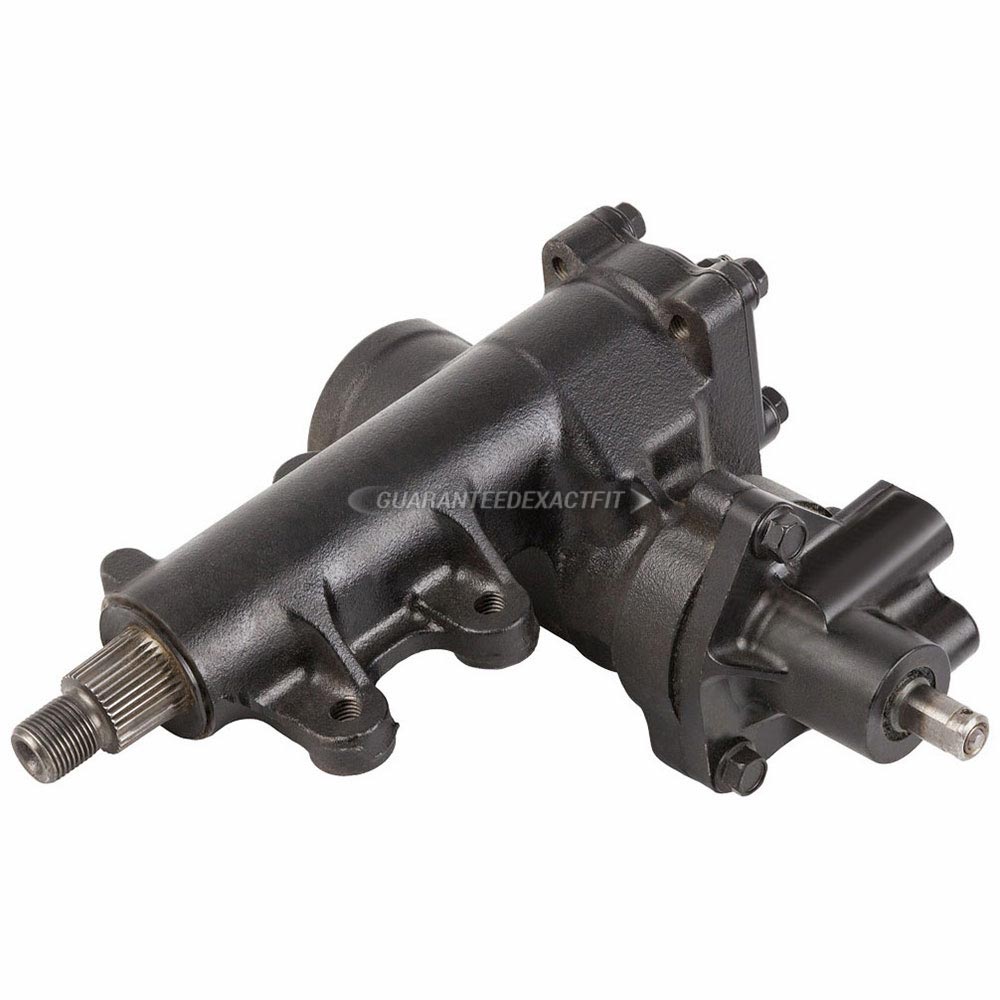
Steering Gearbox (Power Steering): A hydraulically assisted system that multiplies the driver's steering input, making it easier to turn the wheels. It houses a worm gear and piston assembly that uses power steering fluid pressure to aid steering.
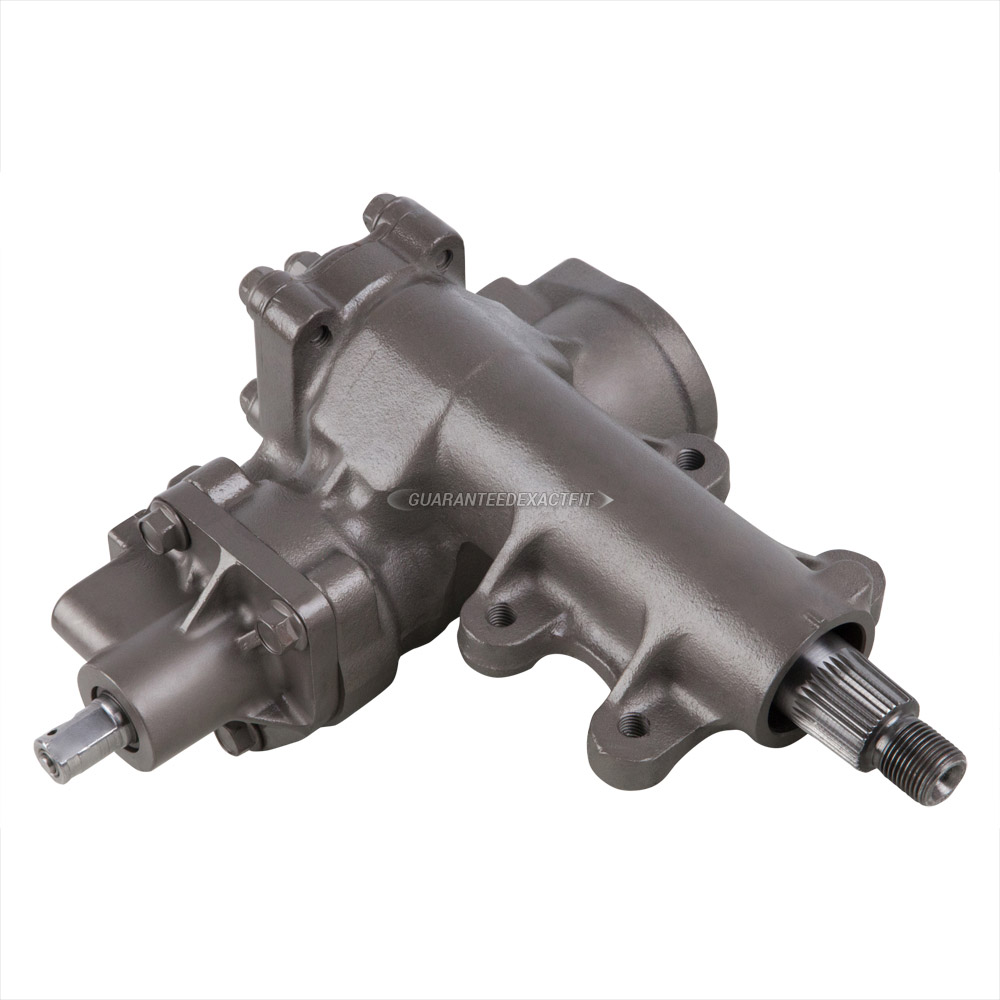
Power Steering Pump: Provides the hydraulic pressure needed for the power steering system to function. It's driven by the engine via a belt.
-
Power Steering Fluid Reservoir: Holds the power steering fluid, supplying it to the pump and receiving return flow.
-
Power Steering Hoses: High-pressure and low-pressure hoses that connect the power steering pump, gearbox, and reservoir, circulating the power steering fluid.
-
Pitman Arm: Connects to the steering gearbox output shaft and translates the rotational motion from the gearbox into linear motion.
-
Drag Link: Connects the Pitman arm to the steering knuckle on one side of the vehicle. It transmits the steering motion from the Pitman arm to the wheels.
-
Tie Rods (Inner and Outer): Connect the drag link to the steering knuckles on both sides of the vehicle. They allow for adjustment of wheel alignment (toe).
-
Steering Knuckles: The pivot points that hold the wheel bearings and allow the wheels to turn. They are connected to the suspension components and the tie rods.
-
Steering Stabilizer (Damper): A small shock absorber that helps dampen vibrations and reduce bump steer, improving steering stability.
II. Common Problems with 2001 Grand Cherokee Steering Parts
Several issues can arise with the steering system of a 2001 Grand Cherokee. Identifying these problems early can prevent further damage and ensure safe driving.
-
Loose Steering/Wandering: This can be caused by worn tie rod ends, ball joints, a worn steering gearbox, or loose steering shaft components. The vehicle may feel unstable, especially at higher speeds.
-
Power Steering Fluid Leaks: Leaks can occur at the power steering pump, hoses, reservoir, or steering gearbox. Low fluid levels can lead to pump noise, hard steering, and eventual pump failure.
-
Power Steering Pump Noise: A whining or groaning noise from the power steering pump often indicates low fluid, air in the system, or a failing pump.
-
Hard Steering: Difficulty turning the steering wheel can be caused by a failing power steering pump, low power steering fluid, a clogged power steering filter, or a binding steering linkage.
-
Vibrations in the Steering Wheel: Vibrations can be caused by unbalanced tires, worn suspension components, or a failing steering stabilizer.
-
Bump Steer: A condition where the steering wheel jerks or pulls to one side when hitting bumps. This can be caused by worn suspension components or improper steering geometry.
-
Play in the Steering Wheel: Excessive free play in the steering wheel before the wheels begin to turn indicates wear in the steering gearbox or steering linkage.
III. Troubleshooting and Diagnosis: Pinpointing the Problem
Diagnosing steering problems requires a systematic approach. Here's a step-by-step guide:
-
Visual Inspection: Start by visually inspecting all steering components for signs of wear, damage, or leaks. Check the power steering fluid level and condition. Look for cracks in hoses, worn tie rod ends, and loose connections.
-
Steering Wheel Play Check: With the engine off, check for excessive play in the steering wheel. If there's more than a couple of inches of free play, there's likely wear in the steering gearbox or linkage.
-
Suspension Component Check: Inspect ball joints, control arm bushings, and other suspension components for wear or looseness. These can contribute to steering problems.
-
Power Steering System Check: Listen for noises from the power steering pump while turning the steering wheel. Check for leaks around the pump, hoses, and gearbox. Bleed the power steering system if there's air in the system.
-
Road Test: Drive the vehicle and observe its steering behavior. Note any looseness, wandering, vibrations, or unusual noises.
-
Professional Inspection: If you're unable to diagnose the problem yourself, take the vehicle to a qualified mechanic for a professional inspection.
IV. Repair and Replacement: Getting Back on Track
Once you've identified the problem, you can proceed with repairs or replacements. Here are some common repair procedures:
-
Tie Rod End Replacement: Replace worn tie rod ends to eliminate loose steering and improve handling. This involves disconnecting the old tie rod end, installing the new one, and adjusting the wheel alignment.
-
Steering Gearbox Replacement: If the steering gearbox is worn or leaking, it may need to be replaced. This is a more complex procedure that requires disconnecting the steering shaft, power steering hoses, and Pitman arm.
-
Power Steering Pump Replacement: A failing power steering pump should be replaced to restore proper steering assist. This involves disconnecting the hoses, removing the old pump, installing the new pump, and bleeding the system.
-
Power Steering Hose Replacement: Replace damaged or leaking power steering hoses to prevent fluid loss and maintain proper pressure.
-
Steering Stabilizer Replacement: Replace a worn steering stabilizer to reduce vibrations and improve steering stability.
Important Considerations for Repair/Replacement:
- Quality Parts: Use high-quality replacement parts from reputable manufacturers.
- Proper Tools: Ensure you have the necessary tools for the job, including a tie rod separator, torque wrench, and power steering fluid.
- Wheel Alignment: After replacing any steering components, it's essential to have the wheel alignment checked and adjusted by a professional.
- Safety: Always disconnect the battery before working on the steering system. Wear safety glasses and gloves.
- Torque Specifications: Follow the manufacturer's torque specifications when tightening bolts and fasteners.
- Bleeding the System: After replacing any power steering components, it's crucial to bleed the system to remove air.
V. Maintenance and Prevention: Keeping Your WJ Steering Healthy
Regular maintenance can help prevent steering problems and extend the life of your steering components.
-
Check Power Steering Fluid Level: Check the power steering fluid level regularly and add fluid as needed. Use the correct type of fluid specified in your owner's manual.
-
Inspect Steering Components: Inspect steering components regularly for wear, damage, or leaks.
-
Grease Fittings: Lubricate grease fittings on tie rod ends and ball joints regularly to prevent wear.
-
Wheel Alignment: Have the wheel alignment checked and adjusted periodically, especially after hitting potholes or curbs.
-
Power Steering Fluid Flush: Flush the power steering fluid every few years to remove contaminants and maintain optimal performance.
VI. Price Table
| Part | Approximate Price (USD) | Notes |
|---|---|---|
| Steering Gearbox (Reman) | $200 - $400 | Price varies by brand and warranty. |
| Power Steering Pump (New) | $100 - $250 | Price varies by brand and if a core charge applies. |
| Tie Rod End (Each) | $20 - $50 | Prices vary by brand and whether it's an inner or outer tie rod end. |
| Drag Link | $50 - $150 | |
| Pitman Arm | $40 - $100 | |
| Power Steering Hose (Each) | $20 - $60 | High-pressure hoses are typically more expensive. |
| Steering Stabilizer | $30 - $80 | |
| Power Steering Fluid (Qt) | $5 - $15 | Use the correct type of fluid specified for your vehicle. |
Note: These prices are estimates and may vary depending on the supplier, brand, and location.
VII. Frequently Asked Questions (FAQ)
-
Q: How do I know if my tie rod ends are bad?
- A: Common symptoms include loose steering, wandering, uneven tire wear, and a clunking noise from the front end.
-
Q: How often should I flush my power steering fluid?
- A: Every 30,000 to 50,000 miles, or as recommended in your owner's manual.
-
Q: Can I drive with a leaking power steering hose?
- A: It's not recommended. Low fluid levels can damage the power steering pump. Repair or replace the hose as soon as possible.
-
Q: What type of power steering fluid does my 2001 Grand Cherokee use?
- A: Consult your owner's manual for the correct type of fluid. Mopar PSF+4 is often recommended.
-
Q: How do I bleed the power steering system?
- A: With the engine off, turn the steering wheel lock to lock several times. Check the fluid level and add fluid as needed. Repeat until the fluid level stabilizes and there are no air bubbles.
Conclusion: Steering Towards Confidence
The steering system of your 2001 Jeep Grand Cherokee is a vital component for safe and enjoyable driving. By understanding the individual parts, recognizing common problems, and performing regular maintenance, you can keep your WJ steering smoothly and confidently. Whether you're tackling off-road trails or cruising down the highway, a well-maintained steering system will ensure a secure and controlled driving experience. Remember, when in doubt, always consult a qualified mechanic for assistance.

0 comments