The 2007 Jeep Commander, with its rugged design and three-row seating, offered a unique blend of off-road capability and family practicality. However, like any vehicle, especially one now over a decade old, maintaining and repairing a 2007 Commander requires a good understanding of its parts. This comprehensive guide will delve into the various aspects of 2007 Jeep Commander parts, covering essential components, potential issues, maintenance tips, and resources for finding the right replacements. Whether you're a seasoned mechanic or a DIY enthusiast, this article will equip you with the knowledge to keep your 2007 Commander running smoothly for years to come.
Introduction: Understanding the Importance of 2007 Jeep Commander Parts
2007 Jeep Commander Parts: A Comprehensive Guide
The 2007 Jeep Commander, designated the XK, was a bold attempt to blend Jeep's legendary off-road prowess with the practicality of a large SUV. While it offered a comfortable ride and ample space, its age means that replacement parts are becoming increasingly crucial. Understanding the specific parts relevant to the 2007 model year is vital for effective repairs and maintenance. Using the correct parts ensures optimal performance, safety, and longevity of your vehicle. This guide will break down the key systems and components, helping you navigate the world of 2007 Jeep Commander parts.
Engine and Drivetrain Components
The 2007 Jeep Commander was offered with a variety of engine options, each requiring specific parts:
- 3.7L V6: This engine was the base option, providing adequate power for everyday driving. Common replacement parts include spark plugs, ignition coils, fuel injectors, water pump, thermostat, and serpentine belt.
- 4.7L V8: A significant upgrade in power, the 4.7L V8 requires parts like oxygen sensors, camshaft position sensors, and exhaust manifold gaskets. It's also crucial to monitor and maintain the cooling system due to the increased heat generated by the V8.
- 5.7L HEMI V8: The most powerful option, the HEMI requires robust components. Pay close attention to the MDS (Multi-Displacement System) solenoids, which can sometimes fail and impact fuel economy. Other important parts include the engine mounts, oil pump, and high-performance air filter.
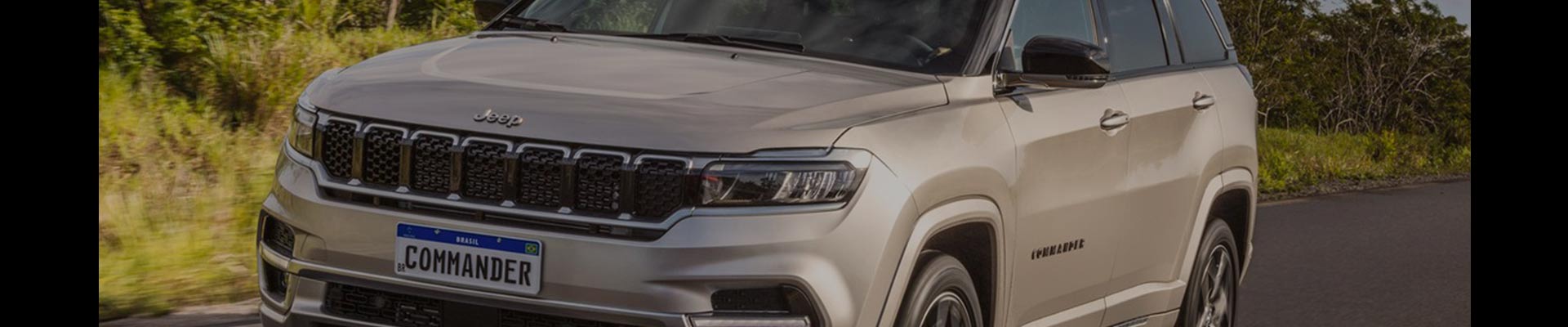
Drivetrain: Regardless of the engine, the drivetrain components are critical. These include:
- Transmission: The 2007 Commander uses automatic transmissions. Regular fluid changes are essential to prevent slippage and damage. Common replacement parts include the transmission filter, pan gasket, and solenoid pack.
- Transfer Case: The transfer case distributes power to the front and rear axles in 4WD models. Fluid changes are vital, and potential issues include chain stretch and bearing wear.
- Differentials: Maintaining the front and rear differentials with the correct gear oil is crucial for smooth operation and preventing premature wear.
- Driveshafts: Inspect the driveshafts for worn U-joints and center support bearings. Replacing these components can prevent vibrations and potential catastrophic failures.
Suspension and Steering System
The suspension and steering systems are vital for ride comfort, handling, and off-road capability. Key parts include:
- Shocks and Struts: Replacing worn shocks and struts improves ride quality and handling. Consider upgrading to aftermarket options for enhanced performance.
- Control Arms: Inspect the control arm bushings for wear and tear. Replacing the entire control arm or just the bushings can significantly improve handling and reduce noise.
- Ball Joints: Worn ball joints can cause looseness in the steering and should be replaced promptly.
- Tie Rod Ends: Tie rod ends connect the steering rack to the wheels. Worn tie rod ends can cause alignment issues and should be inspected regularly.
- Steering Rack: The steering rack can develop leaks over time. Consider replacing it with a remanufactured or new unit.
- Power Steering Pump: A whining noise from the power steering pump indicates potential wear. Replace the pump and flush the power steering fluid.
Braking System
A properly functioning braking system is paramount for safety. Key components include:
- Brake Pads and Rotors: Regular inspection and replacement of brake pads and rotors are essential. Consider upgrading to performance brake pads for improved stopping power.
- Brake Calipers: Brake calipers can seize over time, leading to uneven brake wear. Rebuilding or replacing the calipers is necessary.
- Brake Lines: Inspect the brake lines for corrosion and leaks. Replace them with stainless steel lines for improved durability and performance.
- Master Cylinder: A faulty master cylinder can cause brake pedal feel issues and reduced braking power.
- ABS System: The ABS system requires regular maintenance. Check the ABS sensors and ensure they are functioning correctly.
Electrical System
The electrical system powers all the vehicle's essential functions. Key components include:
- Battery: The battery provides power to start the engine and operate electrical accessories. Ensure it's properly maintained and replaced when necessary.
- Alternator: The alternator charges the battery and powers the electrical system while the engine is running.
- Starter: The starter motor cranks the engine to start it.
- Sensors: Numerous sensors monitor various engine and vehicle functions. Replace faulty sensors promptly to ensure proper operation.
- Wiring Harness: Inspect the wiring harness for damage and corrosion. Repair or replace damaged sections as needed.
- Fuses and Relays: Fuses and relays protect the electrical system from overloads. Replace blown fuses with the correct amperage.
Exterior and Interior Components
These components contribute to the vehicle's appearance and comfort.
- Body Panels: Repair or replace damaged body panels to maintain the vehicle's appearance and structural integrity.
- Lighting: Ensure all lights are functioning correctly. Replace bulbs as needed.
- Seats: Repair or replace worn or damaged seats.
- Dashboard and Trim: Repair or replace damaged dashboard and trim pieces.
- Air Conditioning System: Maintain the air conditioning system by recharging the refrigerant and replacing the filter.
- Windows and Mirrors: Repair or replace damaged windows and mirrors.
Tips for Finding the Right Parts
- Vehicle Identification Number (VIN): Use your VIN to identify the exact parts that fit your 2007 Jeep Commander.
- OEM vs. Aftermarket: OEM (Original Equipment Manufacturer) parts are made by the vehicle manufacturer and typically offer the best fit and performance. Aftermarket parts can be more affordable but may not be of the same quality.
- Online Retailers: Online retailers offer a wide selection of parts at competitive prices.
- Local Auto Parts Stores: Local auto parts stores provide expert advice and often offer same-day availability.
- Used Parts: Consider using used parts for less critical components to save money.
Potential Challenges and Solutions
- Part Availability: Some parts for the 2007 Jeep Commander may be becoming harder to find.
- Solution: Check with multiple suppliers and consider using aftermarket or used parts.
- Incorrect Parts: Ordering the wrong parts can be frustrating and time-consuming.
- Solution: Double-check the part numbers and use your VIN to ensure compatibility.
- Installation Difficulties: Some parts can be challenging to install, requiring specialized tools or expertise.
- Solution: Consult a mechanic or watch instructional videos before attempting the installation.
Price Table of 2007 Jeep Commander Parts
| Part Name | OEM Price (Approx.) | Aftermarket Price (Approx.) | Notes |
|---|---|---|---|
| Spark Plugs (Set of 6/8) | $40 - $80 | $20 - $50 | Price varies depending on the engine type (V6, V8). |
| Ignition Coils (Each) | $50 - $100 | $30 - $70 | Price varies depending on the engine type (V6, V8). |
| Front Brake Pads (Pair) | $60 - $100 | $40 - $70 | Price can vary based on brand and material (ceramic, semi-metallic). |
| Front Brake Rotors (Each) | $80 - $150 | $50 - $100 | Price depends on the brand and type (drilled, slotted). |
| Air Filter | $20 - $40 | $10 - $30 | Standard replacement. Consider high-performance options. |
| Oil Filter | $10 - $20 | $5 - $15 | Crucial for engine health. |
| Water Pump | $100 - $200 | $70 - $150 | Important for cooling system. |
| Thermostat | $20 - $40 | $10 - $30 | Regulates engine temperature. |
| Serpentine Belt | $30 - $60 | $20 - $40 | Drives various engine accessories. |
| Oxygen Sensor (Each) | $50 - $150 | $30 - $100 | Affects fuel efficiency and emissions. |
| Front Shock Absorber (Each) | $80 - $150 | $50 - $100 | Impacts ride quality and handling. |
| Ball Joint (Each) | $40 - $80 | $25 - $60 | Critical for steering. |
| Tie Rod End (Each) | $30 - $60 | $20 - $40 | Essential for steering alignment. |
| Battery | $120 - $250 | $80 - $200 | Choose the correct CCA (Cold Cranking Amps) for your climate. |
| Alternator | $200 - $400 | $150 - $300 | Provides power to the electrical system. |
| Starter Motor | $150 - $300 | $100 - $250 | Cranks the engine to start. |
| Transmission Filter Kit | $30 - $60 | $20 - $40 | Essential for transmission maintenance. |
| Transfer Case Fluid (Quart) | $20 - $40 | $15 - $30 | Use the correct fluid type specified by Jeep. |
Disclaimer: These prices are approximate and can vary based on the brand, retailer, and location. It's always recommended to get a quote from a reputable source before purchasing any parts.
Frequently Asked Questions (FAQ)
-
Q: Where can I find the correct part number for my 2007 Jeep Commander?
- A: You can find the part number in the owner's manual, on the original part itself, or by using your VIN at a reputable online parts retailer.
-
Q: Is it better to use OEM or aftermarket parts?
- A: OEM parts typically offer the best fit and performance, but aftermarket parts can be more affordable. Consider the criticality of the part and your budget when making your decision.
-
Q: How often should I change the oil in my 2007 Jeep Commander?
- A: Refer to your owner's manual for the recommended oil change interval. Typically, it's every 3,000 to 5,000 miles for conventional oil or 7,500 to 10,000 miles for synthetic oil.
-
Q: How do I know if my brakes need to be replaced?
- A: Common signs of worn brakes include squealing or grinding noises, a soft brake pedal, and longer stopping distances.
-
Q: Can I install parts myself, or should I take my 2007 Jeep Commander to a mechanic?
- A: It depends on your mechanical skills and the complexity of the repair. Simple tasks like changing the oil or replacing the air filter can be done at home, while more complex repairs should be left to a professional.
Conclusion: Keeping Your 2007 Jeep Commander on the Road
Maintaining and repairing a 2007 Jeep Commander requires a solid understanding of its parts and systems. By following the advice in this guide, you can ensure your vehicle remains reliable and capable for years to come. Remember to use the correct parts, perform regular maintenance, and address any issues promptly. With proper care and attention, your 2007 Jeep Commander can continue to provide years of driving enjoyment, both on and off the road. The key to longevity is proactive maintenance and informed decision-making when it comes to replacing parts. Keep exploring, keep learning, and keep your Commander running strong!
0 comments