The 2012 Jeep Compass, while offering a more fuel-efficient and budget-friendly alternative to larger SUVs, still embodies the spirit of Jeep with its adventurous styling and available four-wheel drive. Like any vehicle, maintaining its performance and appearance requires replacing parts over time. This comprehensive guide will delve into the world of 2012 Jeep Compass parts, covering everything from essential components to common upgrades, helping you keep your Compass running smoothly and looking its best. Whether you're a seasoned DIY mechanic or a first-time car owner, this article will provide valuable insights and practical advice.
Introduction: Understanding the Importance of 2012 Jeep Compass Parts
2012 Jeep Compass Parts: A Comprehensive Guide
The 2012 Jeep Compass, situated between a compact car and a full-fledged SUV, strikes a balance between practicality and capability. To keep your Compass performing optimally, understanding the various parts that comprise it is crucial. From routine maintenance items like filters and brakes to more complex components like the engine and transmission, each part plays a vital role in the vehicle's overall health and performance. Neglecting worn or damaged parts can lead to diminished performance, increased fuel consumption, and potentially dangerous driving conditions. By familiarizing yourself with the common parts and their functions, you can proactively address maintenance needs and ensure the longevity of your 2012 Jeep Compass.
Section 1: Essential Maintenance Parts for the 2012 Jeep Compass
Regular maintenance is the cornerstone of a healthy vehicle. These parts require periodic replacement to ensure optimal performance and prevent more significant problems down the road:
- Oil Filter: Crucial for removing contaminants from the engine oil, preventing premature wear. Change with every oil change (typically every 3,000-7,500 miles, depending on oil type and driving conditions).
- Air Filter: Prevents dust, pollen, and other debris from entering the engine, ensuring proper airflow for efficient combustion. Replace every 12,000-15,000 miles, or more frequently in dusty environments.
- Cabin Air Filter: Filters the air entering the passenger compartment, removing allergens and pollutants. Replace every 12,000-15,000 miles for optimal air quality.
- Spark Plugs: Ignite the air-fuel mixture in the engine cylinders. Replace according to the manufacturer's recommended interval (typically every 30,000-60,000 miles, depending on the type of spark plug).
- Brake Pads/Rotors: Essential for safe stopping. Brake pads should be inspected regularly and replaced when worn down. Rotors may need resurfacing or replacement if warped or damaged.
- Brake Fluid: Transmits pressure from the brake pedal to the brakes. Needs to be flushed and replaced every 2-3 years to prevent corrosion and maintain optimal braking performance.
- Engine Coolant: Prevents overheating and freezing. Needs to be flushed and replaced every 3-5 years to maintain its protective properties.
- Transmission Fluid: Lubricates and cools the transmission. Replace according to the manufacturer's recommended interval (check your owner's manual).
- Belts and Hoses: Drive various engine components and carry fluids. Inspect regularly for cracks, wear, and leaks, and replace as needed.
- Battery: Provides the electrical power to start the engine and operate electrical accessories. Replace every 3-5 years.

Section 2: Common Replacement Parts for the 2012 Jeep Compass
These parts often require replacement due to wear and tear, damage, or failure:
- Headlights and Taillights: Ensure visibility and safety. Replace bulbs as needed. Consider upgrading to LED lights for improved brightness and longevity.
- Windshield Wipers: Maintain clear visibility in inclement weather. Replace blades every 6-12 months.
- Tires: Essential for traction and handling. Replace when tread depth is insufficient or tires are damaged.
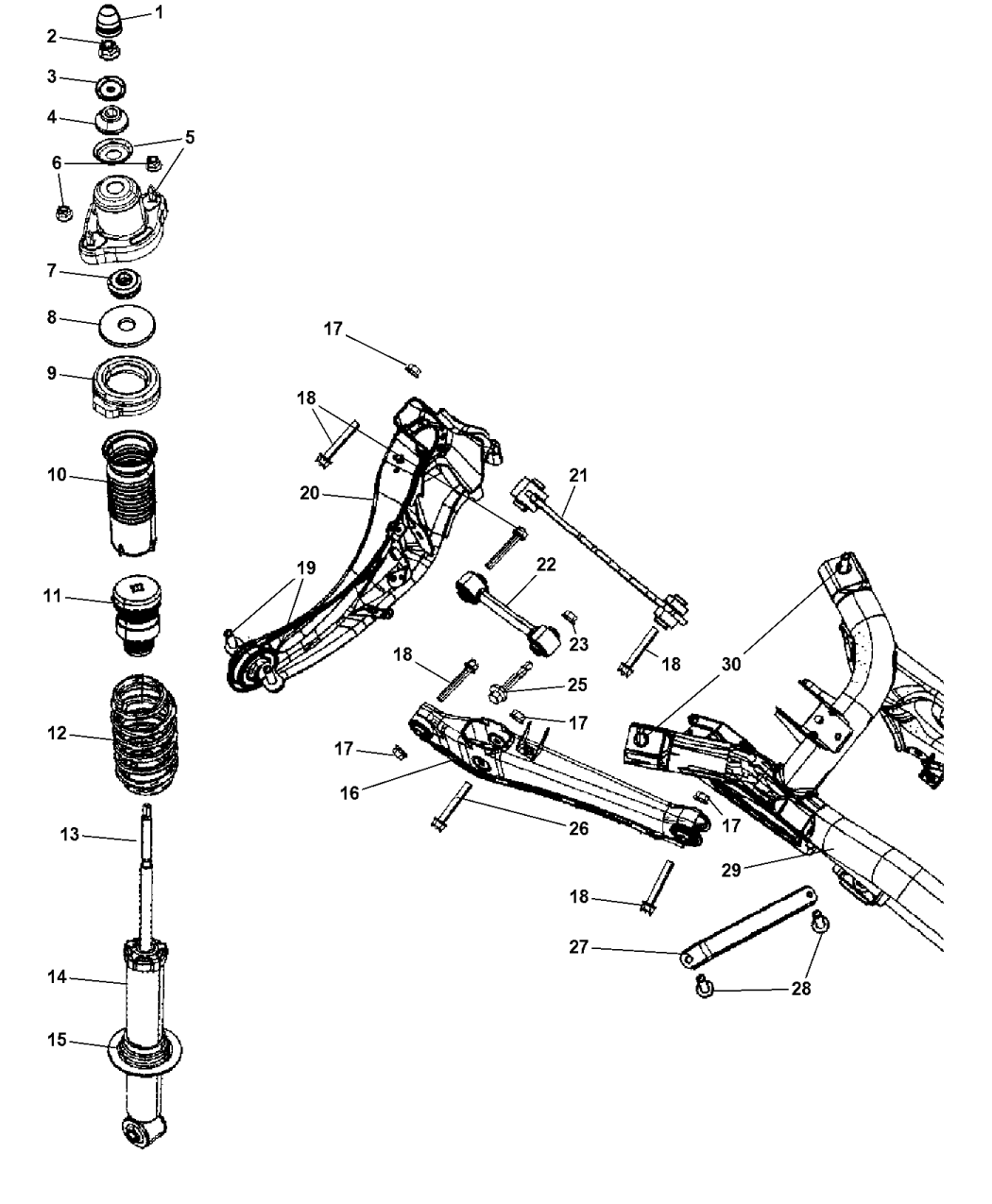
- Shocks and Struts: Control vehicle ride and handling. Replace when worn or leaking, resulting in a bouncy or unstable ride.
- Ball Joints and Tie Rod Ends: Part of the suspension system. Replace when worn, causing loose steering or clunking noises.
- Oxygen Sensors: Monitor exhaust gases and help regulate fuel mixture. Replace when faulty, leading to poor fuel economy or emissions issues.
- Catalytic Converter: Reduces harmful emissions. Replace when clogged or damaged, resulting in reduced engine performance or failing an emissions test.
- Water Pump: Circulates coolant through the engine. Replace when leaking or making noise, preventing overheating.
- Starter: Cranks the engine to start the vehicle. Replace when failing to start the engine consistently.
- Alternator: Charges the battery and powers electrical accessories. Replace when failing to charge the battery or causing dimming lights.
Section 3: Upgrading Your 2012 Jeep Compass with Performance Parts
While the 2012 Jeep Compass isn't designed for high-performance driving, some upgrades can improve its capabilities and aesthetics:
- Cold Air Intake: Improves engine airflow, potentially increasing horsepower and fuel economy.
- Performance Exhaust System: Reduces exhaust backpressure, potentially increasing horsepower and improving the engine's sound.
- Suspension Lift Kit: Increases ground clearance for off-road driving.
- Larger Tires: Improves off-road traction and appearance.
- Performance Brake Pads: Improves braking performance, especially in demanding driving conditions.
- Tuning/ECU Remap: Optimizes engine parameters for improved performance and fuel economy (consult a professional).
Section 4: Body Parts and Exterior Accessories for the 2012 Jeep Compass
These parts enhance the appearance and functionality of your Compass:
- Bumpers: Protect the vehicle from impacts. Replace damaged bumpers to restore the vehicle's appearance and safety.
- Grille: Enhances the front-end styling. Consider aftermarket grilles for a customized look.
- Side Mirrors: Essential for visibility. Replace damaged mirrors for safety.
- Fender Flares: Protect the body from mud and debris, and enhance the off-road look.
- Roof Rack: Provides additional cargo-carrying capacity.
- Running Boards/Side Steps: Facilitate entry and exit from the vehicle.
Section 5: Interior Parts and Accessories for the 2012 Jeep Compass
These parts enhance the comfort and functionality of the interior:
- Seat Covers: Protect the seats from wear and tear, and enhance the interior appearance.
- Floor Mats: Protect the carpets from dirt and spills.
- Steering Wheel Cover: Improves grip and comfort.
- Dashboard Cover: Protects the dashboard from sun damage.
- Audio System Upgrade: Improves sound quality.
- Navigation System: Provides GPS navigation.
Section 6: Finding the Right Parts: OEM vs. Aftermarket
When replacing parts, you have two main options: Original Equipment Manufacturer (OEM) parts and aftermarket parts.
- OEM Parts: Manufactured by the same company that made the original parts for your Jeep. They are guaranteed to fit and perform as intended but are often more expensive.
- Aftermarket Parts: Manufactured by third-party companies. They can be more affordable than OEM parts and may offer improved performance or features. However, quality can vary significantly, so it's essential to research reputable brands.
Section 7: Tips for Sourcing and Installing 2012 Jeep Compass Parts
- Consult your owner's manual: Provides valuable information on recommended maintenance intervals and part specifications.
- Research reputable parts suppliers: Choose suppliers with a good reputation for quality and customer service.
- Compare prices: Shop around to find the best deals.
- Consider online retailers: Offer a wide selection of parts at competitive prices.
- Read reviews: See what other customers have to say about specific parts and suppliers.
- If unsure, consult a qualified mechanic: They can diagnose problems and recommend the right parts for your vehicle.
- Follow the manufacturer's instructions carefully when installing parts.
- Use the correct tools.
- Prioritize safety.
Section 8: Potential Challenges and Solutions
- Finding obsolete parts: Some parts may be difficult to find, especially for older vehicles. Consider searching online forums, junkyards, or specialized parts suppliers.
- Compatibility issues with aftermarket parts: Ensure the parts are compatible with your specific model year and trim level.
- Difficulty installing parts: Some parts may require specialized tools or expertise. Consider hiring a qualified mechanic if you're not comfortable doing the work yourself.
Table Price of 2012 Jeep Compass Parts
| Part | OEM Price (Approx.) | Aftermarket Price (Approx.) | Notes |
|---|---|---|---|
| Oil Filter | $8 - $15 | $5 - $12 | Price varies based on brand and type. |
| Air Filter | $15 - $25 | $10 - $20 | |
| Cabin Air Filter | $15 - $30 | $10 - $25 | |
| Spark Plugs (Set of 4) | $30 - $60 | $20 - $50 | Price depends on the type of plug (e.g., Iridium, Platinum). |
| Front Brake Pads | $50 - $100 | $30 - $80 | Price per set. |
| Front Brake Rotors (Each) | $80 - $150 | $50 - $120 | |
| Headlight Bulb | $20 - $50 | $10 - $40 | Price varies based on type (Halogen, LED). |
| Windshield Wiper Blades | $20 - $40 (Pair) | $15 - $30 (Pair) | |
| Battery | $120 - $250 | $100 - $200 | Price depends on CCA (Cold Cranking Amps) and battery type. |
| Starter | $200 - $400 | $150 - $300 | |
| Alternator | $300 - $500 | $200 - $400 | |
| Water Pump | $150 - $300 | $100 - $250 | |
| Oxygen Sensor | $80 - $150 | $50 - $120 | Price varies based on sensor location (upstream, downstream). |
| Catalytic Converter | $500 - $1200 | $300 - $800 | Price varies based on manufacturer and CARB compliance. |
| Front Bumper | $300 - $600 | $200 - $500 | Unpainted. Price can increase significantly with paint and labor. |
| Side Mirror | $150 - $300 | $100 - $250 | Price depends on features (heated, power). |
Disclaimer: Prices are approximate and can vary depending on the supplier, location, and specific part features. Labor costs for installation are not included. It is always recommended to get quotes from multiple sources before purchasing parts.
Frequently Asked Questions (FAQ)
-
Q: Where can I find the part number for my 2012 Jeep Compass?
- A: The part number can often be found on the original part itself. You can also find it in your owner's manual or by contacting a Jeep dealership or parts supplier with your VIN (Vehicle Identification Number).
-
Q: How do I know if a part is compatible with my 2012 Jeep Compass?
- A: Always check the part specifications to ensure it's designed for your specific model year and trim level. Use the vehicle selection tool on online parts websites or consult a parts professional.
-
Q: Can I install parts myself, or should I hire a mechanic?
- A: It depends on your skill level and the complexity of the job. Simple maintenance tasks like changing filters or wiper blades can often be done yourself. More complex repairs should be left to a qualified mechanic.
-
Q: Are OEM parts always better than aftermarket parts?
- A: Not necessarily. OEM parts are guaranteed to fit and perform as intended, but some aftermarket parts may offer improved performance or features. Research reputable brands and read reviews before making a decision.
-
Q: How often should I perform routine maintenance on my 2012 Jeep Compass?
- A: Refer to your owner's manual for the manufacturer's recommended maintenance schedule. Adjust the schedule based on your driving conditions.
Conclusion: Keeping Your Compass on the Road
Understanding the various parts that comprise your 2012 Jeep Compass is essential for maintaining its performance, reliability, and appearance. By performing regular maintenance, addressing worn or damaged parts promptly, and considering strategic upgrades, you can ensure that your Compass continues to provide years of dependable service. Whether you choose OEM or aftermarket parts, remember to prioritize quality and compatibility. With a little knowledge and effort, you can keep your 2012 Jeep Compass running smoothly and looking its best. Remember to consult with qualified professionals when in doubt, and always prioritize safety when working on your vehicle.

0 comments