78 Jeep Cherokee Parts: A Comprehensive Guide to Keeping Your Classic Alive
Introduction
78 Jeep Cherokee Parts
The 1978 Jeep Cherokee: a symbol of rugged individualism, off-road capability, and classic American automotive design. These Cherokees, built during the Full-Size Jeep (FSJ) era, possess a unique charm that continues to captivate enthusiasts today. However, owning a vehicle of this age inevitably involves sourcing parts. Navigating the world of "78 Jeep Cherokee Parts" can seem daunting, but with the right knowledge and resources, you can keep your vintage Jeep running strong for years to come. This guide provides a comprehensive overview of finding, selecting, and understanding the parts needed to maintain, repair, or restore your 1978 Cherokee.
Why 1978 Jeep Cherokee Parts Matter
Unlike modern vehicles, many parts for classic cars like the '78 Cherokee are no longer readily available from dealerships. This scarcity makes it crucial to understand where to look, how to identify the correct parts, and what factors to consider when making your purchase. Using the correct, high-quality parts ensures:
- Preservation of Authenticity: Maintaining the original look and functionality of your classic Cherokee.
- Reliability and Safety: Ensuring the vehicle operates safely and reliably, especially when used off-road or for everyday driving.
- Increased Value: Proper maintenance and restoration with correct parts can significantly increase the value of your Cherokee.
- Enjoyment of Ownership: Being able to confidently enjoy your vehicle without constant worries about breakdowns.
Section 1: Identifying Your 1978 Jeep Cherokee
Before diving into parts acquisition, proper identification is paramount. Jeep Cherokees of this era had various trim levels (Base, Chief, Golden Eagle, Limited), engine options (258 I6, 360 V8, 401 V8), and transmission choices (manual and automatic). Knowing the specifics of your Cherokee is essential for ordering the correct parts.
- VIN (Vehicle Identification Number): The VIN is your best friend. Located on the driver's side dashboard or doorjamb, the VIN provides a wealth of information about your Cherokee's factory configuration. Online VIN decoders can break down this code and reveal the original engine, transmission, trim level, and other key details.
- Engine Identification: The engine code is often stamped on the engine block itself. Knowing the exact engine size (258, 360, or 401 cubic inches) is crucial for ordering engine-related parts.
- Transmission Identification: Similar to the engine, the transmission will have a code stamped on its casing. This code will help you identify whether it is a TH400, or a manual transmission.
- Axle Identification: Different axle ratios and types were available. The axle code is usually stamped on the axle housing.
Section 2: Common Parts Needed for a '78 Cherokee
This section outlines some of the most frequently needed parts for 1978 Cherokees:
- Engine Components:
- Tune-Up Parts: Spark plugs, distributor cap, rotor, ignition coil, points (if equipped), condenser, air filter, fuel filter.
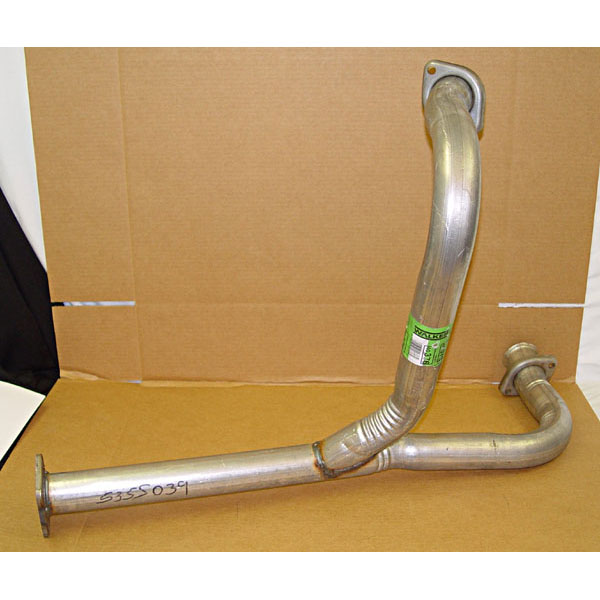
- Gaskets and Seals: Valve cover gaskets, intake manifold gaskets, exhaust manifold gaskets, oil pan gasket, rear main seal.
- Water Pump: A common failure point on older engines.
- Radiator: Essential for proper cooling. Consider upgrading to an aluminum radiator for improved efficiency.
- Carburetor/Fuel System: Carburetor rebuild kits, fuel pump, fuel lines.
- Timing Chain/Belt: Essential maintenance to prevent catastrophic engine failure.
- Transmission and Drivetrain:
- Transmission Filter and Fluid: Regular maintenance is critical for automatic transmissions.
- U-Joints: A common wear item on driveshafts.
- Transfer Case Components: Seals, chains, bearings.
- Axle Seals and Bearings: Vital for preventing leaks and ensuring smooth operation.
- Suspension and Steering:
- Leaf Springs: Prone to sagging over time. Replacement leaf springs can restore ride height and handling.
- Shocks: Worn shocks significantly impact ride quality.
- Ball Joints: Critical for steering stability.
- Tie Rod Ends: Another essential steering component.
- Steering Gearbox: Rebuild or replacement may be necessary due to wear.
- Brakes:
- Brake Pads/Shoes: Regular replacement is essential for safety.
- Brake Rotors/Drums: Can become worn or warped.
- Brake Calipers/Wheel Cylinders: Rebuild or replacement may be needed.
- Brake Hoses: Rubber hoses can deteriorate over time.
- Master Cylinder: Critical for brake system function.
- Body and Interior:
- Rust Repair Panels: A common need due to the age of the vehicle.
- Weatherstripping: Door seals, window seals, etc., to prevent leaks.
- Seat Upholstery: Replacement or restoration may be desired.
- Dashboard Components: Cracking and fading are common.
- Lights: Headlights, taillights, marker lights.
Section 3: Where to Find 1978 Jeep Cherokee Parts
Finding the right parts requires a strategic approach:
- Online Retailers:
- Specialty Jeep Parts Suppliers: These retailers specialize in Jeep parts and often have a wide selection of parts for older models. Examples include: Quadratec, Morris 4x4 Center, and others.
- General Automotive Parts Retailers: Websites like Amazon, eBay, and RockAuto can also be valuable sources, but be sure to verify the compatibility of the parts with your specific Cherokee.
- Local Auto Parts Stores: While they may not stock everything, local stores can often order parts for you or provide cross-reference information.
- Junkyards: A great source for used parts, especially body panels and interior components. Bring your tools and be prepared to do some digging.
- Jeep Forums and Online Communities: These forums are invaluable for connecting with other Cherokee owners who may have parts for sale or can offer advice on where to find them.
- Swap Meets and Car Shows: These events can be excellent places to find rare or hard-to-find parts.
Section 4: Choosing the Right Parts: OEM, Aftermarket, and Used
- OEM (Original Equipment Manufacturer) Parts: These are the parts that were originally installed on your Cherokee at the factory. They are often the highest quality but can be more expensive and harder to find.
- Aftermarket Parts: These are parts manufactured by companies other than Jeep. They can be more affordable than OEM parts and are often available in a wider variety of options. However, quality can vary, so it's important to research brands and read reviews.
- Used Parts: Used parts can be a cost-effective option, especially for non-critical components. However, be sure to inspect used parts carefully for wear or damage before purchasing them.
Considerations When Choosing Parts:
- Quality: Don't sacrifice quality for price, especially on critical components like brakes and steering parts.
- Compatibility: Always verify that the part is compatible with your specific Cherokee model and year.
- Warranty: Look for parts with a warranty to protect yourself against defects.
- Reviews: Read reviews from other customers to get an idea of the part's quality and performance.
Section 5: Installation Tips and Considerations
- Safety First: Always disconnect the battery before working on any electrical components. Use jack stands when working under the vehicle. Wear safety glasses and gloves.
- Tools: Make sure you have the necessary tools for the job. A good set of wrenches, sockets, screwdrivers, and pliers is essential.
- Reference Materials: A repair manual (like a Haynes or Chilton manual) can be invaluable for providing step-by-step instructions and torque specifications.
- Take Pictures: Before disassembling anything, take pictures to help you remember how everything goes back together.
- Label Everything: Label all wires and hoses to avoid confusion during reassembly.
- Don't Force It: If something doesn't seem to fit, don't force it. Double-check that you have the correct part and that you're installing it correctly.
- Torque Specifications: Always torque bolts to the manufacturer's specifications to prevent damage.
- Ask for Help: If you're not comfortable performing a particular repair, don't hesitate to ask for help from a qualified mechanic.
Section 6: Potential Challenges and Solutions
- Finding Obsolete Parts: Some parts may be very difficult or impossible to find. Consider searching online forums, contacting Jeep clubs, or exploring custom fabrication options.
- Rust: Rust is a common problem on older Cherokees. Address rust issues before they become major problems. Consider welding in new metal panels or using rust repair products.
- Wiring Issues: Old wiring can become brittle and corroded. Inspect the wiring harness carefully and repair any damaged wires.
- Engine Problems: Older engines may require more frequent maintenance and repairs. Consider rebuilding the engine or swapping it for a newer engine.
Section 7: Maintaining Your 1978 Cherokee
- Regular Oil Changes: Change the oil and filter every 3,000 miles.
- Check Fluids Regularly: Check the levels of all fluids (coolant, brake fluid, power steering fluid, transmission fluid) and top them off as needed.
- Inspect Hoses and Belts: Inspect hoses and belts for cracks or wear and replace them as needed.
- Lubricate Chassis: Lubricate all chassis components (ball joints, tie rod ends, etc.) regularly.
- Keep it Clean: Wash and wax your Cherokee regularly to protect the paint from the elements.
Price Table for 1978 Jeep Cherokee Parts (Approximate)
| Part | OEM Price (Approx.) | Aftermarket Price (Approx.) | Used Price (Approx.) | Notes |
|---|---|---|---|---|
| Spark Plugs (Set) | $25 | $15 | N/A | Price varies by brand and type. |
| Distributor Cap | $40 | $25 | $10 | Price varies by brand. |
| Water Pump | $120 | $75 | $30 | Rebuilt options available. |
| Radiator | $300 | $150-250 | $75 | Aluminum radiators can be more expensive. |
| Brake Pads (Front) | $50 | $30 | N/A | Price varies by brand and material. |
| Brake Rotors (Front) | $80 | $50 | $25 | |
| Leaf Spring (Single) | N/A (Often Obsolete) | $150-250 | $75 | Price varies by brand and load capacity. |
| Shock Absorber (Each) | $60 | $40 | $20 | Price varies by brand and type (gas, hydraulic). |
| Seat Upholstery (Kit) | N/A (Custom) | $300-500 | N/A | Custom upholstery kits are often required. |
| Rust Repair Panel | N/A | $50-150 | N/A | Price varies by panel size and complexity. |
| Carburetor Rebuild Kit | N/A | $40-$75 | N/A | Price varies by brand. |
Note: These prices are approximate and can vary depending on the vendor, location, and condition of the part. Always verify the price and compatibility before purchasing. OEM prices are often unavailable for many parts, hence "N/A".
Frequently Asked Questions (FAQ)
- Q: Where can I find a wiring diagram for my 1978 Jeep Cherokee?
- A: Repair manuals (Haynes, Chilton) typically include wiring diagrams. Online Jeep forums and communities are also good resources.
- Q: What type of oil should I use in my 1978 Cherokee?
- A: Consult your owner's manual or a qualified mechanic. Generally, a conventional 10W-30 or 10W-40 oil is suitable for these engines.
- Q: How can I identify the correct carburetor for my engine?
- A: The carburetor should have a tag or stamping with a part number. Cross-reference this number with online resources or consult a carburetor specialist.
- Q: Are there any common modifications that improve the performance of a 1978 Cherokee?
- A: Popular modifications include upgrading the ignition system, installing a more efficient carburetor or fuel injection system, and upgrading the exhaust system.
- Q: How do I know if my leaf springs need to be replaced?
- A: Signs of worn leaf springs include sagging ride height, poor handling, and a rough ride.
- Q: What is the best way to deal with rust on my Cherokee?
- A: The best approach depends on the severity of the rust. Minor surface rust can be treated with a rust converter. More severe rust may require welding in new metal panels.
Conclusion
Restoring and maintaining a 1978 Jeep Cherokee is a rewarding experience. By understanding the importance of proper parts selection, knowing where to find them, and following the installation tips outlined in this guide, you can keep your classic Jeep running strong and looking great for years to come. Remember to prioritize safety, research thoroughly, and don't hesitate to seek help from experienced mechanics or fellow Jeep enthusiasts. The spirit of the '78 Cherokee lives on, and with dedication, you can keep its legacy alive on and off the road.
0 comments