Introduction: The Enduring Legacy of the 1994 Jeep Grand Cherokee
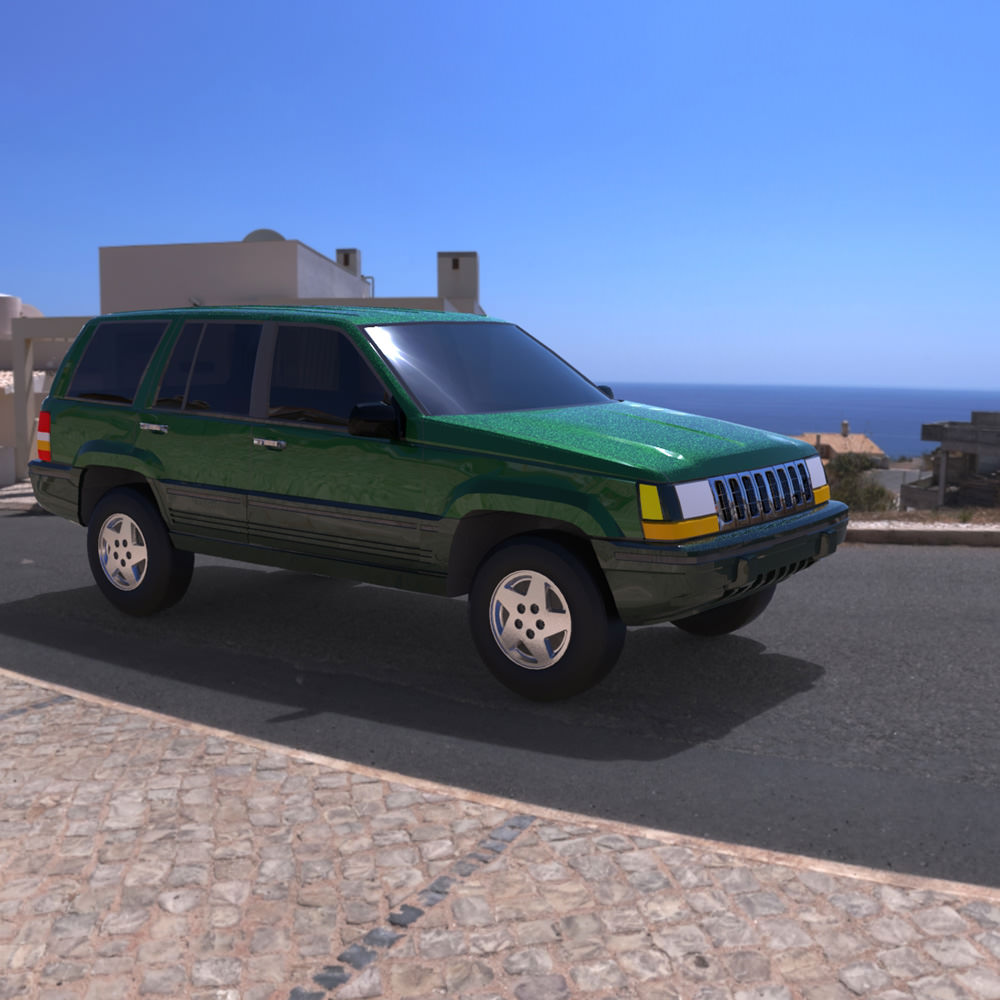
The 1994 Jeep Grand Cherokee ZJ. It's a vehicle that evokes nostalgia, rugged capability, and a certain classic charm. These SUVs, built in an era before overly complex electronics took over, are known for their reliability and relatively simple mechanical design. However, even the most well-maintained '94 Grand Cherokee will eventually need replacement parts. Whether you're tackling routine maintenance, restoring a project vehicle, or addressing a specific issue, understanding the available parts and how to source them is crucial to keeping your ZJ on the road (or trail) for years to come. This comprehensive guide dives deep into the world of '94 Jeep Grand Cherokee parts, covering everything from essential components to troubleshooting tips and sourcing strategies.
94 Jeep Grand Cherokee Parts: A Comprehensive Guide to Keeping Your Classic Alive
Section 1: Essential Maintenance Parts: Keeping the Heart of Your ZJ Beating
Preventative maintenance is the cornerstone of a long-lasting vehicle. For a '94 Grand Cherokee, focusing on these essential parts will minimize breakdowns and keep it running smoothly:
-
Filters (Oil, Air, Fuel, Cabin): Regular filter changes are non-negotiable.
- Oil Filter: A clean oil filter ensures proper lubrication and prevents engine wear. Change it with every oil change (typically every 3,000-5,000 miles).
- Air Filter: Prevents dirt and debris from entering the engine, impacting performance and fuel economy. Check and replace every 12,000-15,000 miles, or more frequently in dusty conditions.
- Fuel Filter: Protects the fuel injectors from contaminants, ensuring optimal fuel delivery. Replace every 30,000 miles or as recommended by your mechanic.
- Cabin Air Filter (if equipped): Improves air quality inside the cabin. Replace annually or as needed.

Fluids (Oil, Coolant, Transmission Fluid, Brake Fluid, Power Steering Fluid): Maintaining proper fluid levels and condition is vital.
- Engine Oil: Use the correct viscosity grade (typically 10W-30 or 5W-30, consult your owner's manual) and change regularly.
- Coolant: Use the correct type of coolant (ethylene glycol-based) and maintain the proper mixture (usually 50/50 with distilled water). Flush and replace every 2-3 years.
- Transmission Fluid: The 42RE automatic transmission is sensitive to fluid condition. Use ATF+4 fluid and change it every 30,000-60,000 miles, depending on usage.
- Brake Fluid: Brake fluid absorbs moisture, which can reduce braking performance. Flush and replace every 2-3 years.
- Power Steering Fluid: Check the fluid level regularly and top off as needed. Replace if it appears dirty or contaminated.
-
Spark Plugs and Wires: Essential for proper ignition and engine performance.
- Spark Plugs: Replace every 30,000 miles or as recommended by your mechanic. Use the correct type and gap for your engine.
- Spark Plug Wires: Check for cracks, damage, or excessive resistance. Replace as needed to ensure a strong spark.
-
Belts and Hoses: Check for cracks, wear, and looseness. Replace belts every 50,000-75,000 miles and hoses every 4-5 years.
- Serpentine Belt: Powers accessories like the alternator, power steering pump, and air conditioning compressor.
- Radiator Hoses: Carry coolant to and from the engine.
- Heater Hoses: Carry coolant to the heater core.
Section 2: Suspension and Steering Parts: Restoring Ride Quality and Handling
A '94 Grand Cherokee with worn suspension and steering components can be uncomfortable to drive and potentially unsafe. Here's a look at common replacement parts:
-
Shocks and Struts: Worn shocks and struts compromise ride quality and handling. Replace them as a set for best results.
- Types: Options range from standard replacement shocks to heavy-duty off-road shocks.
- Considerations: Choose shocks that match your driving style and terrain.
-
Control Arms and Bushings: Control arms connect the wheels to the frame. Bushings wear out over time, causing play in the suspension.
- Symptoms of worn bushings: Clunking noises, poor handling, uneven tire wear.
- Replacement: Consider replacing the entire control arm assembly for ease of installation.
-
Ball Joints: Allow the wheels to pivot for steering. Worn ball joints can cause play in the steering and uneven tire wear.
- Symptoms of worn ball joints: Popping or clicking noises when turning, loose steering.
- Replacement: Requires specialized tools and knowledge.
-
Tie Rod Ends: Connect the steering linkage to the wheels. Worn tie rod ends can cause play in the steering and uneven tire wear.
- Symptoms of worn tie rod ends: Loose steering, wandering on the road.
- Replacement: An alignment is required after replacing tie rod ends.
-
Steering Stabilizer: Dampens vibrations and improves steering feel. Replace if it's leaking or damaged.
Section 3: Brake System Parts: Ensuring Safe Stopping Power
A properly functioning brake system is paramount. Here are essential brake parts for a '94 Grand Cherokee:
-
Brake Pads and Rotors: The most frequently replaced brake components.
- Types of Brake Pads: Organic, semi-metallic, and ceramic. Choose based on your driving style and budget.
- Brake Rotors: Resurface or replace rotors when replacing brake pads to ensure optimal braking performance.
-
Brake Calipers: House the brake pads and apply pressure to the rotors.
- Symptoms of a failing caliper: Leaking brake fluid, uneven brake wear, pulling to one side when braking.
- Replacement: Consider replacing calipers in pairs.
-
Brake Hoses: Carry brake fluid to the calipers. Replace every 4-5 years to prevent cracking and leaks.
- Types: Rubber and stainless steel braided. Stainless steel hoses offer improved performance and durability.
-
Master Cylinder: Provides hydraulic pressure to the brake system.
- Symptoms of a failing master cylinder: Soft brake pedal, difficulty stopping, brake fluid leaks.
-
Brake Booster: Assists the master cylinder in applying brake pressure.
- Symptoms of a failing brake booster: Hard brake pedal, reduced braking power.
Section 4: Engine and Drivetrain Parts: Powering the Beast
The engine and drivetrain are the heart and soul of your Grand Cherokee. Here's a look at common replacement parts:
-
Engine Components:
- Water Pump: Circulates coolant through the engine. Replace if it's leaking or making noise.
- Thermostat: Regulates engine temperature. Replace if the engine is overheating or running too cold.
- Sensors (Crankshaft Position, Camshaft Position, Oxygen): Monitor engine performance. Replace if they are faulty.
- Distributor Cap and Rotor (for 4.0L I6 engine): Distribute spark to the spark plugs. Replace every 30,000 miles.
-
Drivetrain Components:
- U-Joints: Connect the driveshaft to the axles. Replace if they are worn or damaged.
- Axle Shafts: Transfer power from the differential to the wheels. Replace if they are bent or broken.
- Transfer Case: Selects between 2WD and 4WD. Check the fluid level regularly and replace as needed.
- Differentials: Allow the wheels to rotate at different speeds. Check the fluid level regularly and replace as needed.
Section 5: Body and Interior Parts: Restoring Aesthetics and Comfort
These parts contribute to the overall appearance and functionality of your Grand Cherokee:
- Body Panels: Fenders, doors, hoods, and bumpers.
- Lights: Headlights, taillights, and marker lights.
- Glass: Windshield, windows, and mirrors.
- Interior Trim: Dashboards, door panels, and seats.
- Electrical Components: Switches, wiring harnesses, and fuses.
Section 6: Sourcing '94 Jeep Grand Cherokee Parts
Finding the right parts can be challenging, but here are several options:
-
Local Auto Parts Stores: NAPA, AutoZone, Advance Auto Parts, and O'Reilly Auto Parts are good starting points.
- Pros: Convenient, knowledgeable staff, warranty options.
- Cons: May not carry all parts, prices can be higher.
-
Online Retailers: RockAuto, Amazon, and eBay offer a wide selection of parts.
- Pros: Competitive prices, vast inventory.
- Cons: Shipping costs, potential for counterfeit parts, returns can be a hassle.
-
Jeep Dealerships: Can be a reliable source for OEM parts.
- Pros: Guaranteed quality, proper fitment.
- Cons: Higher prices.
-
Junkyards and Salvage Yards: A great source for used parts at discounted prices.
- Pros: Very affordable, good for hard-to-find parts.
- Cons: Parts may be worn or damaged, no warranty.
-
Jeep Forums and Online Communities: Connect with other Grand Cherokee owners and enthusiasts.
- Pros: Valuable advice, parts recommendations, potential for finding used parts.
- Cons: Requires time and effort to research.
Section 7: Tips for Buying '94 Jeep Grand Cherokee Parts
- Know Your Vehicle's VIN: The Vehicle Identification Number (VIN) is essential for identifying the correct parts.
- Check Part Numbers: Verify that the part number matches the original part.
- Read Reviews: See what other customers have to say about the parts you're considering.
- Compare Prices: Shop around to find the best deal.
- Consider Aftermarket vs. OEM Parts: OEM (Original Equipment Manufacturer) parts are made by the original manufacturer, while aftermarket parts are made by other companies. Aftermarket parts can be cheaper, but they may not be of the same quality.
- Check the Return Policy: Make sure you can return the parts if they don't fit or are defective.
Section 8: Common Challenges and Solutions
- Finding Discontinued Parts: Some parts for the '94 Grand Cherokee may be discontinued. Try searching online forums, junkyards, or specialty parts suppliers.
- Identifying the Correct Part: Use your VIN to ensure you're ordering the right part. Consult with a mechanic or parts specialist if needed.
- Dealing with Rust: Rust is a common problem on older vehicles. Address rust issues before replacing parts to prevent further damage.
Section 9: Table Price: 94 Jeep Grand Cherokee Parts
| Part Description | Estimated Price Range | Notes |
|---|---|---|
| Oil Filter | $5 - $15 | Varies by brand and quality. |
| Air Filter | $10 - $25 | Varies by brand and material. |
| Fuel Filter | $15 - $35 | Inline filter; important for fuel delivery. |
| Spark Plugs (Set of 6) | $20 - $60 | Check engine code; use recommended type. |
| Brake Pads (Front Set) | $25 - $75 | Varies by material (organic, semi-metallic, ceramic). |
| Brake Rotors (Front Pair) | $50 - $150 | Resurface or replace when changing pads. |
| Shocks (Front Pair) | $60 - $200 | Varies by brand and performance (standard, heavy-duty). |
| Water Pump | $40 - $100 | Preventative maintenance; replace if leaking. |
| Radiator Hose (Upper) | $15 - $30 | Inspect for cracks; replace if needed. |
| Serpentine Belt | $15 - $40 | Replace every 50,000-75,000 miles. |
| Ball Joint (Upper) | $20 - $50 | Can be replaced individually or as part of control arm. |
| Tie Rod End (Inner/Outer) | $20 - $60 each | Requires alignment after replacement. |
| Headlight Assembly | $50 - $150 each | Can upgrade to brighter options. |
| Tail Light Assembly | $40 - $100 each | Check for cracks and fading. |
Section 10: Frequently Asked Questions (FAQ)
-
Q: Where can I find a reliable mechanic who specializes in older Jeeps?
- A: Ask for recommendations from other Jeep owners in online forums or local clubs. Look for shops with experience in vintage vehicles.
-
Q: Are parts for the '94 Grand Cherokee becoming harder to find?
- A: Some parts are becoming scarce, but many are still available through online retailers, junkyards, and specialty suppliers.
-
Q: How can I tell if a part is a genuine OEM part?
- A: OEM parts typically have the manufacturer's logo and part number stamped on them. Purchase from reputable sources to avoid counterfeit parts.
-
Q: What's the best way to remove rust from my '94 Grand Cherokee?
- A: Sandblasting, wire brushing, and chemical rust removers are all effective methods. Be sure to prime and paint the area after removing the rust.
-
Q: Should I replace all the suspension components at once?
- A: Replacing all suspension components at once can improve handling and ride quality, but it can also be expensive. Prioritize replacing worn or damaged parts first.
Conclusion: Keeping the Legend Alive
Maintaining a '94 Jeep Grand Cherokee requires a commitment to preventative maintenance and a willingness to tackle repairs. By understanding the available parts, sourcing options, and potential challenges, you can keep your ZJ running strong and looking great for many years to come. The '94 Grand Cherokee is more than just a vehicle; it's a piece of automotive history. With the right parts and a little elbow grease, you can preserve this classic and enjoy its rugged capability and timeless style. Don't be afraid to get your hands dirty, learn about your vehicle, and embrace the journey of keeping this legendary Jeep alive.
0 comments