Introduction: The Allure of Authentic and Affordable Jeep Components
The Jeep, a symbol of American ingenuity and rugged capability, has a rich history deeply intertwined with the military. From its indispensable role in World War II to its continued service in modern conflicts, the Jeep's legacy is one of reliability and adaptability. This legacy extends beyond the battlefield and into the civilian world, where enthusiasts embrace the Jeep for its off-road prowess and its inherent connection to history. For many, the ultimate expression of this passion lies in restoring and customizing their Jeeps using authentic army surplus parts.
Army Surplus Jeep Parts: A Comprehensive Guide to Restoring and Enhancing Your Ride
Army surplus Jeep parts offer a unique opportunity to connect with the vehicle's heritage while often saving money compared to purchasing new aftermarket components. These parts, salvaged from decommissioned military vehicles, possess a tangible link to the Jeep's past, adding character and authenticity to any restoration or modification project. This guide will delve into the world of army surplus Jeep parts, exploring their benefits, potential challenges, and providing practical advice for sourcing, selecting, and utilizing these historical treasures.
Section 1: Defining Army Surplus Jeep Parts: What Are You Really Buying?
Army surplus Jeep parts refer to components salvaged from military vehicles that have been retired from service. These vehicles, ranging from WWII-era Willys MBs and Ford GPWs to later models like the M38, M38A1, M151 (MUTT), and even more modern iterations, are often sold at auction or scrapped for parts. The parts harvested from these vehicles are then categorized, cleaned, and offered for sale as "army surplus."
It's crucial to understand that "army surplus" doesn't necessarily equate to "new" or "like-new." Parts can range in condition from excellent, nearly unused, to heavily worn and requiring significant repair. Common army surplus Jeep parts include:
- Engine components: Blocks, heads, carburetors, distributors, starters, alternators.
- Transmission and drivetrain: Gearboxes, transfer cases, axles, differentials, driveshafts.
- Body parts: Fenders, hoods, windshield frames, grilles, tailgates, seats.
- Suspension components: Leaf springs, shocks, shackles.
- Electrical components: Wiring harnesses, lights, switches.
- Miscellaneous: Fuel tanks, jerry cans, tools, canvas tops, military accessories.
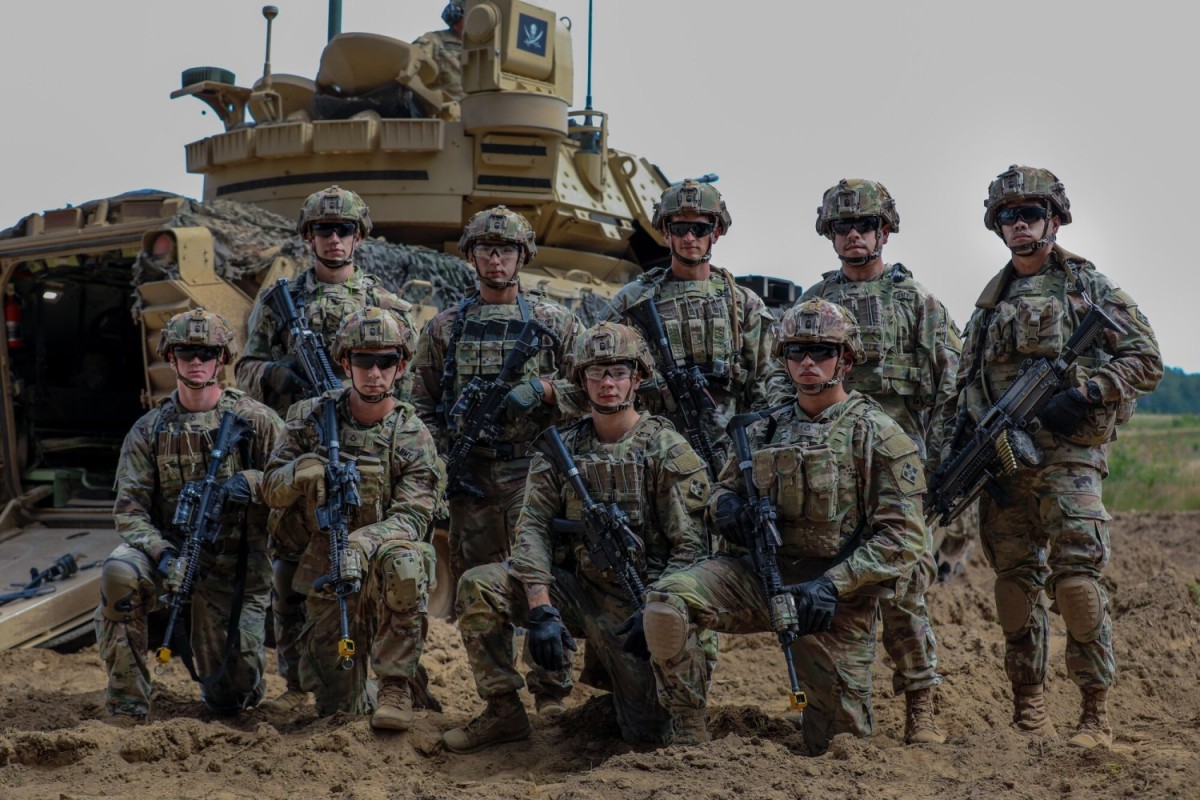
The availability of specific parts varies greatly depending on the model and the frequency of military vehicle decommissioning. WWII-era parts are naturally rarer and often command higher prices than those from later models.
Section 2: The Benefits of Choosing Army Surplus: Authenticity and Affordability
Why choose army surplus Jeep parts over new aftermarket components? The primary advantages are:
- Authenticity: For restoration projects, army surplus parts are unmatched in their ability to maintain the vehicle's original character and historical accuracy. Replicas can come close, but the patina and provenance of a genuine military part are irreplaceable.
- Affordability: In many cases, army surplus parts are significantly cheaper than new aftermarket alternatives. This is especially true for components that are no longer in production or are difficult to source.
- Durability: Military-spec parts are often built to a higher standard than civilian versions. They are designed to withstand harsh conditions and prolonged use, making them potentially more durable than some aftermarket options.
- Unique Character: Army surplus parts often bear the marks of their military service – minor dents, scratches, and faded paint that tell a story. These imperfections add character and individuality to your Jeep.
- Environmental Friendliness: Reusing existing parts reduces the demand for new manufacturing, contributing to a more sustainable approach to vehicle restoration and modification.
Section 3: Finding Army Surplus Jeep Parts: Where to Look and What to Expect
Sourcing army surplus Jeep parts requires patience and a discerning eye. Here are some common avenues:
- Online Auction Sites: Platforms like eBay are a popular starting point, offering a vast selection of parts from various sellers. Be sure to carefully examine the photos and descriptions, and read seller reviews before making a purchase.
- Military Surplus Dealers: Specialized dealers who acquire surplus vehicles and parts directly from the military are a reliable source. They often have a larger inventory and more expertise than individual sellers.
- Jeep Clubs and Forums: Networking with other Jeep enthusiasts can lead to valuable leads and personal connections. Members may have surplus parts they are willing to sell or trade.
- Auctions: Government auctions, such as those conducted by the Defense Logistics Agency (DLA), occasionally offer surplus vehicles and parts. These auctions can be competitive, but they offer the potential to acquire parts at wholesale prices.
- Swap Meets: Attending Jeep-specific swap meets and vintage military vehicle shows can be a great way to find rare and hard-to-find parts.
What to expect:
- Variable Condition: Be prepared to encounter parts in varying conditions. Some may be in excellent working order, while others may require repair or refurbishment.
- Rust and Corrosion: Rust is a common issue with army surplus parts, especially those that have been stored for extended periods. Assess the extent of the rust and determine if it can be effectively removed.
- Modified Parts: Some military vehicles may have been modified or repaired in the field using non-standard parts. Be aware of these potential discrepancies and verify compatibility before purchasing.
- Missing Components: Surplus parts may be missing small components, such as bolts, washers, or seals. Factor in the cost of replacing these missing items when evaluating the overall value of the part.
Section 4: Inspecting and Assessing Army Surplus Parts: A Buyer's Checklist
Before purchasing any army surplus Jeep part, conduct a thorough inspection to assess its condition and suitability for your project. Here's a checklist:
- Visual Inspection: Look for signs of damage, such as cracks, dents, or excessive wear. Pay close attention to critical areas, such as bearing surfaces, threads, and mounting points.
- Rust Assessment: Evaluate the extent and severity of rust. Surface rust can often be removed with minimal effort, but deep pitting can compromise the structural integrity of the part.
- Functionality Check: If possible, test the functionality of the part before purchasing. For example, spin bearings to check for smoothness, operate switches to ensure proper function, and inspect electrical components for continuity.
- Compatibility Verification: Ensure that the part is compatible with your specific Jeep model and year. Refer to parts manuals and online resources to confirm compatibility.
- Documentation: If available, obtain any documentation or service records that accompany the part. This information can provide valuable insights into the part's history and condition.
- Ask Questions: Don't hesitate to ask the seller questions about the part's history, condition, and functionality. A reputable seller will be transparent and willing to provide detailed information.
Section 5: Restoration and Refurbishment: Bringing Surplus Parts Back to Life
Many army surplus Jeep parts will require some degree of restoration or refurbishment before they can be used. Common tasks include:
- Cleaning: Thoroughly clean the part to remove dirt, grease, and rust. Use appropriate cleaning solutions and tools, such as wire brushes, solvents, and pressure washers.
- Rust Removal: Remove rust using methods such as media blasting, chemical rust removal, or electrolysis.
- Repair: Repair any damage, such as cracks or dents, using welding, brazing, or body filler.
- Painting: Apply a fresh coat of paint to protect the part from rust and corrosion and to restore its original appearance.
- Rebuilding: Rebuild worn components, such as carburetors, starters, and alternators, using new replacement parts.
- Lubrication: Lubricate moving parts with appropriate lubricants to ensure smooth operation and prevent wear.
Section 6: Potential Challenges and Solutions: Overcoming Obstacles
Working with army surplus parts can present certain challenges:
- Part Identification: Identifying the correct part can be difficult, especially for older models. Use parts manuals, online resources, and expert advice to ensure accurate identification.
- Compatibility Issues: Parts from different models or years may not be directly compatible. Research compatibility issues thoroughly before purchasing.
- Missing Parts: Surplus parts may be missing small components. Source replacement parts from aftermarket suppliers or other surplus dealers.
- Condition Issues: Be prepared to deal with rust, damage, and wear. Factor in the cost of restoration and refurbishment when evaluating the overall value of the part.
- Availability: Some parts may be difficult to find, especially for rare or early models. Be patient and persistent in your search.
Table: Price Range of Common Army Surplus Jeep Parts
| Part Category | Part Example | Approximate Price Range | Notes |
|---|---|---|---|
| Engine Components | Cylinder Head (Willys MB) | $150 - $400 | Price varies greatly depending on condition and whether it's been rebuilt. |
| Transmission/Drivetrain | Transfer Case (M38A1) | $200 - $500 | Inspect carefully for wear and damage to gears and bearings. |
| Body Parts | Fender (M151 MUTT) | $100 - $300 | Condition is key; check for rust and dents. |
| Suspension | Leaf Spring (CJ-5) | $50 - $150 per spring | Inspect for cracks and fatigue. Consider replacing in pairs for even suspension. |
| Electrical | Voltage Regulator (MB) | $30 - $100 | Check for proper function before installation. |
| Miscellaneous | Jerry Can | $25 - $75 | Ensure it's in usable condition and doesn't leak. |
Disclaimer: Prices are estimates and may vary based on seller, condition, rarity, and location.
Section 7: Tips for Success: Maximizing Your Army Surplus Experience
- Do Your Research: Thoroughly research the parts you need and their compatibility with your Jeep model.
- Be Patient: Finding the right parts may take time and effort. Don't rush into a purchase without carefully evaluating the options.
- Negotiate Prices: Don't be afraid to negotiate prices with sellers, especially for parts that require restoration.
- Build Relationships: Establish relationships with reputable surplus dealers and Jeep enthusiasts. They can provide valuable advice and leads.
- Document Everything: Keep detailed records of your purchases, including prices, descriptions, and seller information.
- Safety First: Always prioritize safety when working with tools and equipment. Wear appropriate safety gear, such as gloves, eye protection, and respiratory protection.
Frequently Asked Questions (FAQ)
-
Q: Are army surplus parts always cheaper than new parts?
- A: Not always. The price depends on the part's rarity, condition, and the availability of new aftermarket alternatives. However, surplus parts are often more affordable.
-
Q: How can I tell if a part is genuine army surplus?
- A: Look for military markings, such as part numbers, inspection stamps, and manufacturer codes. Compare the part to photos and diagrams in military parts manuals.
-
Q: What should I do if a surplus part is damaged?
- A: Assess the extent of the damage and determine if it can be effectively repaired. If the damage is too severe, consider returning the part or seeking a replacement.
-
Q: Are army surplus parts covered by a warranty?
- A: Warranties are rare for surplus parts. It's essential to inspect the part thoroughly before purchasing and to understand the seller's return policy.
-
Q: Can I use army surplus parts to modify my Jeep?
- A: Yes, but be sure to research the compatibility of the parts and to follow proper installation procedures. Consider consulting with a qualified mechanic or Jeep specialist.
Conclusion: Embracing the Legacy of Army Surplus
Army surplus Jeep parts offer a unique and rewarding way to connect with the vehicle's rich history. By carefully sourcing, inspecting, and restoring these parts, you can enhance your Jeep's authenticity, durability, and character. While challenges may arise, the benefits of affordability, historical accuracy, and environmental responsibility make army surplus parts a compelling option for Jeep enthusiasts seeking to restore, customize, or simply maintain their beloved vehicles. So, embrace the legacy, do your research, and embark on your own army surplus adventure – you might just uncover a piece of history that transforms your Jeep into something truly special.
0 comments