Introduction: The CJ-2A - More Than Just Parts, It's History
The Willys-Overland CJ-2A, affectionately known as the "Universal Jeep," represents a pivotal moment in automotive history. Born from the battlefields of World War II, the CJ-2A was the first mass-produced civilian Jeep, bringing the rugged utility and go-anywhere capability of the military Jeep to the public. Restoring or maintaining a CJ-2A is more than just a hobby; it's a connection to a legacy of American ingenuity and resilience. But tackling a CJ-2A project means becoming intimately familiar with its unique components. Understanding CJ-2A Jeep parts is crucial, whether you're aiming for a meticulous restoration, a reliable daily driver, or a modified off-road beast. This comprehensive guide will explore the key aspects of CJ-2A parts, from sourcing and identifying them to installation tips and common challenges.
Cj2 Jeep Parts: A Comprehensive Guide to Restoring a Legend
Section 1: Understanding the CJ-2A's Anatomy - Key Component Groups
Before diving into specific parts, it's essential to understand the major component groups that make up a CJ-2A. This breakdown will help you navigate parts catalogs and understand the overall system:
- Engine: The heart of the CJ-2A is typically the L-134 "Go-Devil" engine, a 134 cubic inch inline four-cylinder. Parts include the block, head, pistons, crankshaft, camshaft, valves, carburetor, distributor, and all associated components.
- Transmission and Transfer Case: The standard CJ-2A transmission is a three-speed manual. The transfer case provides two-wheel and four-wheel drive options. Parts encompass gears, bearings, shafts, shift levers, and housings.
- Axles and Suspension: Solid front and rear axles provide the CJ-2A's legendary off-road capability. Leaf springs and shock absorbers make up the suspension. Parts include axle shafts, differentials, leaf springs, shackles, shock absorbers, and steering knuckles.
- Body: The iconic CJ-2A body is made of steel and includes the tub, fenders, hood, grille, windshield frame, and tailgate. Parts also involve floors, repair panels, and fasteners.
- Electrical System: A basic 6-volt electrical system powers the CJ-2A. Components include the battery, generator (or alternator in modified Jeeps), starter, wiring harness, lights, and gauges.
- Brakes: Drum brakes are found on all four wheels of the CJ-2A. Parts encompass drums, shoes, wheel cylinders, master cylinder, and brake lines.
- Frame: The sturdy frame provides the foundation for the entire Jeep. Parts include the frame rails, cross members, and mounting points for various components.
- Wheels and Tires: Original CJ-2As came with steel wheels and military-style tires. Modern replacements offer a wider range of sizes and tread patterns.
- Interior: While spartan, the CJ-2A interior includes seats, steering wheel, gauges, and basic controls.
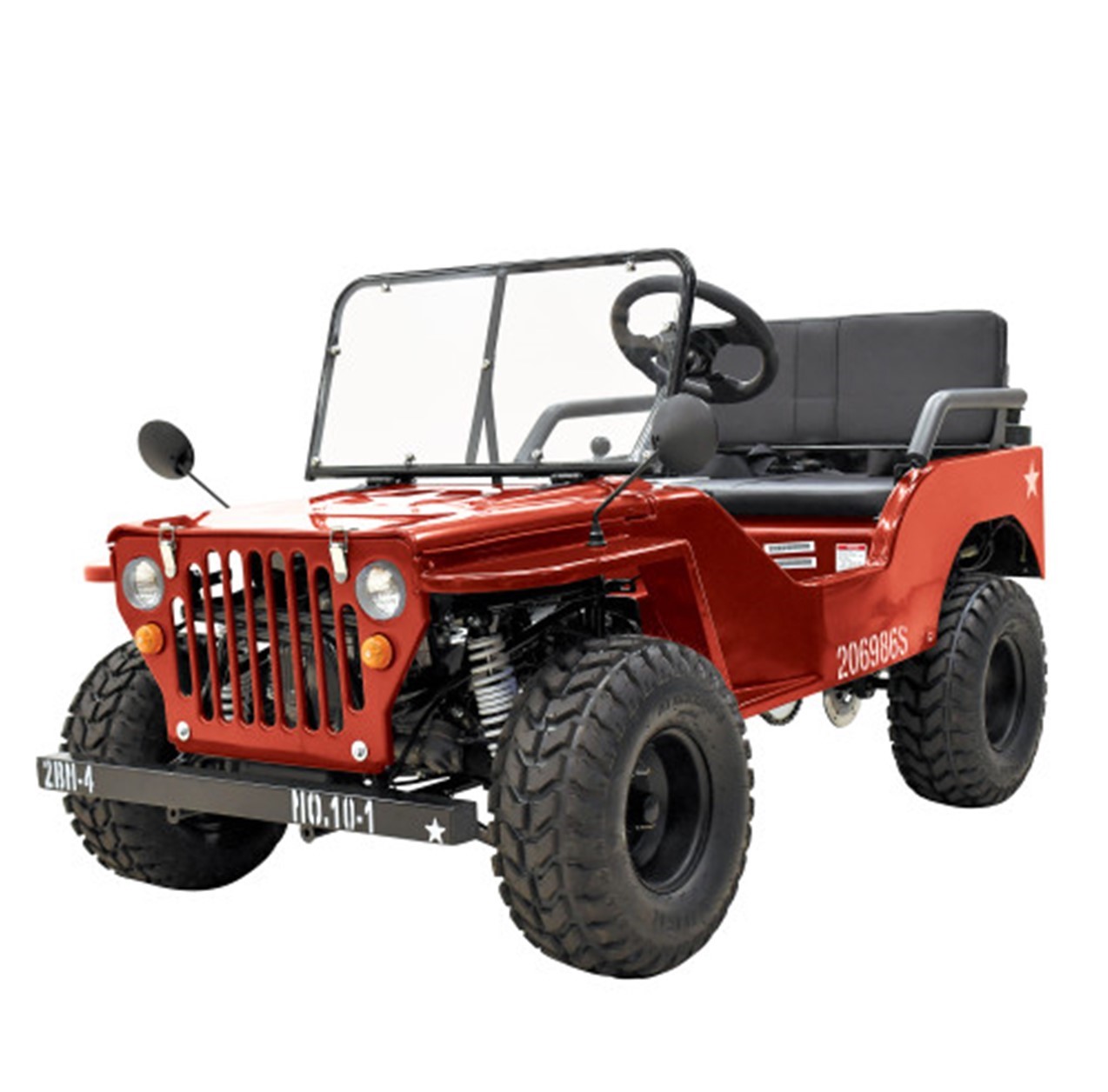

Section 2: Sourcing CJ-2A Parts - Where to Find the Right Pieces
Finding the right CJ-2A parts can be a treasure hunt. Here are the primary sources:
- Specialty Jeep Parts Suppliers: Companies specializing in vintage Jeep parts are the go-to source for original and reproduction components. They often have extensive catalogs and knowledgeable staff. Examples include KaiserWillys Auto Supply, Walcks 4WD, and Midwest Military.
- Online Marketplaces: Websites like eBay, Craigslist, and Facebook Marketplace can be good for finding used parts, especially for body panels or less-critical components. Be sure to inspect parts carefully before buying.
- Local Auto Parts Stores: Some auto parts stores still carry basic maintenance items like spark plugs, filters, and brake components that fit the CJ-2A.
- Swap Meets and Jeep Events: Jeep-specific swap meets and events are excellent places to find rare or hard-to-find parts and connect with other Jeep enthusiasts.
- Salvage Yards: While increasingly rare, some salvage yards may have older Jeeps with usable parts. Be prepared to do some digging.

Tips for Sourcing Parts:
- Know Your Jeep's Year and Model: CJ-2As underwent minor changes throughout their production run (1945-1949). Knowing the exact year is crucial for ensuring parts compatibility.
- Research Part Numbers: Original parts manuals and online resources can help you identify the correct part numbers.
- Compare Prices: Shop around to get the best deals on parts. Prices can vary significantly between suppliers.
- Check for Reviews: Read reviews of suppliers and parts before making a purchase.
- Consider Reproduction Quality: Reproduction parts can vary in quality. Research the manufacturer and read reviews to ensure you're getting a good product.
Section 3: Identifying CJ-2A Parts - Distinguishing Originals from Replacements
Distinguishing original CJ-2A parts from reproduction or later model replacements can be challenging but essential for authentic restorations. Here are some key indicators:
- Part Numbers: Original parts often have stamped or cast part numbers. These can be cross-referenced with parts manuals.
- Markings: Look for specific markings, stamps, or logos that identify the manufacturer or the part's intended use.
- Material and Finish: Original parts typically have a specific material and finish that may differ from modern reproductions. For example, early CJ-2A parts often had a phosphate coating.
- Construction Details: Examine the construction details of the part, such as welding techniques, rivet placement, and casting quality. These details can often reveal whether a part is original or a reproduction.
- Wear Patterns: While not always definitive, wear patterns can sometimes indicate the age and authenticity of a part.
Section 4: Common CJ-2A Restoration Projects and Necessary Parts
Here are some typical CJ-2A restoration projects and the parts you'll likely need:
- Engine Rebuild: This is a common project to restore the CJ-2A's performance. Parts include pistons, rings, bearings, gaskets, valves, valve guides, timing chain, and water pump.
- Transmission and Transfer Case Overhaul: These components can wear out over time. Parts include gears, bearings, seals, synchronizers, and shift forks.
- Brake System Overhaul: Essential for safety, this project involves replacing brake shoes, wheel cylinders, master cylinder, brake lines, and drums.
- Electrical System Rewiring: Old wiring can become brittle and corroded. A complete wiring harness replacement is often necessary, along with new lights, switches, and gauges.
- Body Repair: Rust is a common problem in CJ-2As. Repair panels, floor pans, and welding supplies may be needed to repair or replace damaged body sections.
- Frame Repair: Inspect the frame for rust and cracks. Welding and frame repair parts may be necessary.
Section 5: Practical Tips for Working with CJ-2A Parts
- Take Pictures: Before disassembling anything, take plenty of pictures. This will help you remember how things go back together.
- Label Everything: Label all parts and hardware as you remove them. This will save you time and frustration later.
- Use a Parts Washer: A parts washer is invaluable for cleaning greasy and dirty parts.
- Invest in Good Tools: Quality tools will make the job easier and prevent damage to parts.
- Refer to the Shop Manual: The original CJ-2A shop manual is an essential resource for disassembly, repair, and assembly procedures.
- Ask for Help: Don't be afraid to ask for help from other Jeep enthusiasts or experienced mechanics.
Section 6: Potential Challenges and Solutions
- Finding Rare Parts: Some CJ-2A parts are extremely rare and difficult to find. Be patient and persistent in your search. Consider using online forums and communities to connect with other enthusiasts who may have the parts you need.
- Dealing with Rust: Rust is a common problem in CJ-2As. Be prepared to spend time and effort repairing or replacing rusted parts. Consider using rust converters or electrolysis to remove rust.
- Working with Old Wiring: Old wiring can be brittle and difficult to work with. Be careful when handling old wiring and consider replacing the entire wiring harness if necessary.
- Ensuring Compatibility: Not all parts are created equal. Be sure to verify the compatibility of parts before purchasing them.
Section 7: Modifications and Upgrades
While preserving originality is important for many CJ-2A owners, some modifications and upgrades can improve reliability, performance, and safety. Common modifications include:
- Converting to a 12-Volt Electrical System: This improves starting reliability and allows you to use modern accessories.
- Installing Electronic Ignition: This improves engine performance and fuel economy.
- Upgrading Brakes: Disc brake conversions offer improved stopping power.
- Adding Power Steering: This makes the CJ-2A easier to steer, especially off-road.
- Installing a Modern Engine: While not for purists, an engine swap can significantly increase power and reliability.
Section 8: Maintaining Your CJ-2A - Keeping the Legend Alive
Once your CJ-2A is restored, regular maintenance is essential to keep it running smoothly. This includes:
- Regular Oil Changes: Use the correct type and weight of oil for the CJ-2A engine.
- Lubricating Chassis Components: Grease all chassis lubrication points regularly.
- Checking Fluid Levels: Regularly check and top off all fluid levels, including brake fluid, coolant, and transmission fluid.
- Inspecting Brakes: Regularly inspect brake shoes, drums, and lines for wear and damage.
- Adjusting Valves: Periodically adjust the engine valves to ensure proper performance.
- Storing Properly: If storing the CJ-2A for an extended period, take steps to protect it from rust and damage.
Table Price: Estimated Costs for Common CJ-2A Parts
| Part | Description | Estimated Price Range | Notes |
|---|---|---|---|
| Engine Rebuild Kit | Includes pistons, rings, bearings, gaskets | $800 - $1500 | Price varies based on quality and included components |
| Carburetor (New) | Replacement carburetor | $250 - $400 | Choose a reputable brand for reliable performance |
| Distributor (New) | Replacement distributor | $150 - $300 | Electronic ignition upgrades can be more expensive but offer benefits |
| Brake Shoe Set (4 Wheels) | Replacement brake shoes | $80 - $150 | Ensure compatibility with your CJ-2A's brake system |
| Wheel Cylinder (Each) | Replacement wheel cylinder | $40 - $80 | Replace all wheel cylinders for optimal brake performance |
| Master Cylinder (New) | Replacement master cylinder | $100 - $200 | Bench bleed the master cylinder before installation |
| Wiring Harness (Complete) | Full replacement wiring harness | $300 - $500 | Consider a 12-volt conversion harness if upgrading the electrical system |
| Floor Pan Repair Panel (Each) | Steel floor pan repair panel | $50 - $150 | Price varies depending on the size and complexity of the panel |
| Leaf Spring (Each) | Replacement leaf spring | $150 - $300 | Consider replacing all leaf springs for improved ride quality |
| Shock Absorber (Each) | Replacement shock absorber | $40 - $80 | Choose shock absorbers designed for vintage Jeeps |
| Seat Cover Set (Front) | Replacement seat covers | $200 - $400 | Price varies based on material and style |
| Tire (Each) | Replacement tire | $100 - $250 | Choose tires appropriate for your intended use |
Note: These prices are estimates and can vary depending on the supplier, quality, and availability of parts. Always compare prices from multiple sources before making a purchase.
FAQ: Common Questions About CJ-2A Parts
- Q: Are CJ-2A parts interchangeable with other Jeep models?
- A: Some parts are interchangeable with other early Jeep models like the CJ-3A and MB/GPW, but many are unique to the CJ-2A. Always verify compatibility before purchasing.
- Q: Where can I find a CJ-2A parts manual?
- A: Reproduction CJ-2A parts manuals are available from specialty Jeep parts suppliers and online retailers. Digital versions can also be found online.
- Q: What's the best way to clean rusty CJ-2A parts?
- A: Options include wire brushing, sandblasting, chemical rust removers, and electrolysis. Choose the method that's best suited for the size and condition of the part.
- Q: Can I use modern lubricants in my CJ-2A?
- A: Yes, but choose lubricants that are compatible with the CJ-2A's age and design. Consult a vintage Jeep expert or online resources for recommendations.
- Q: How do I know if a part is original or a reproduction?
- A: Look for part numbers, markings, material, finish, and construction details that are consistent with original CJ-2A specifications.
- Q: Is it worth restoring a CJ-2A?
- A: For many, restoring a CJ-2A is a rewarding experience that connects them to automotive history. The value of a restored CJ-2A can also be significant, especially for well-preserved or meticulously restored examples.
Conclusion: Preserving a Piece of History
Restoring or maintaining a CJ-2A is a challenging but rewarding endeavor. By understanding the CJ-2A's anatomy, sourcing parts carefully, and following best practices, you can keep this iconic vehicle running for years to come. More than just a collection of parts, the CJ-2A represents a legacy of ingenuity, durability, and American spirit. Embrace the challenge, enjoy the journey, and preserve a piece of history for future generations.
0 comments