Jeep ownership is more than just driving a vehicle; it's embracing a lifestyle of adventure and exploration. For many Jeep enthusiasts, that means taking their rigs off-road and pushing them to their limits. One of the most popular and impactful modifications for enhancing off-road performance is installing a lift kit. But before you dive headfirst into lifting your Jeep, it's crucial to understand the various Jeep lift kit parts, their functions, and how they work together to transform your vehicle. This comprehensive guide will break down everything you need to know, empowering you to make informed decisions and conquer any terrain.
Why Lift Your Jeep? The Benefits of a Lift Kit
Conquer Any Terrain: A Comprehensive Guide to Jeep Lift Kit Parts
Before we dissect the individual components, let's quickly recap why people choose to lift their Jeeps. The primary benefits include:
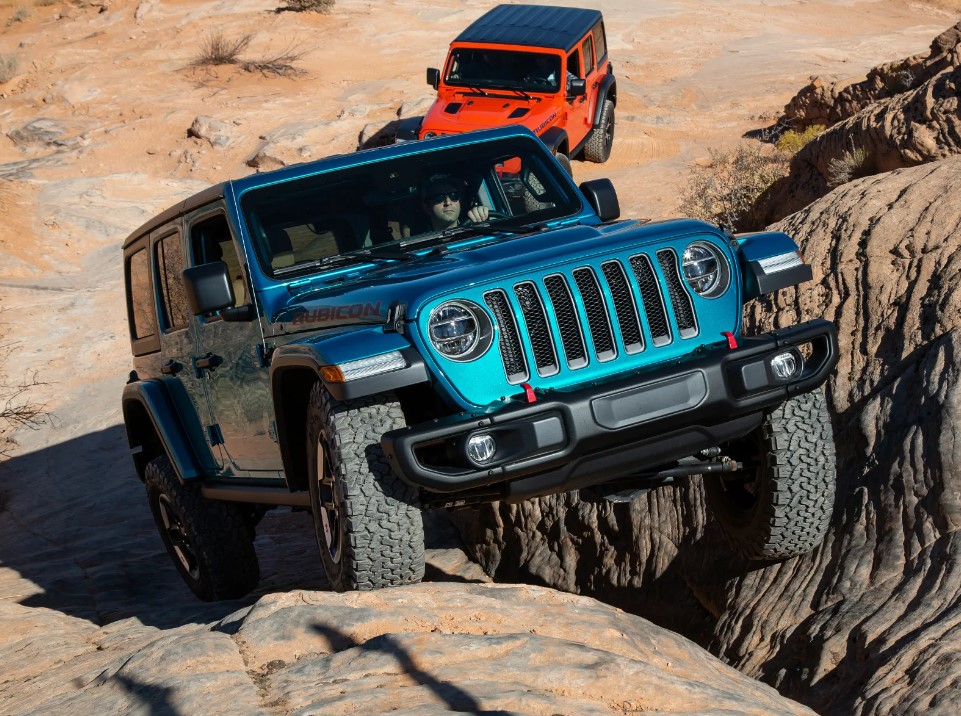
- Increased Ground Clearance: A lift kit raises the chassis, allowing you to clear larger obstacles, rocks, and debris on the trail.
- Larger Tire Fitment: Lifting your Jeep creates more space in the wheel wells, enabling you to install larger, more aggressive tires for improved traction and off-road capability.
- Improved Approach, Departure, and Breakover Angles: These angles determine your Jeep's ability to navigate challenging terrain without scraping the bumpers or undercarriage.
- Enhanced Aesthetics: Let's be honest, a lifted Jeep simply looks more aggressive and capable.
Dissecting the Anatomy: Essential Jeep Lift Kit Parts

A lift kit isn't just one component; it's a collection of parts designed to work in harmony. The specific parts included will vary depending on the type and height of the lift kit, but here's a breakdown of the most common and crucial elements:
-
Coil Springs (Front & Rear): Coil springs are the heart of many Jeep suspension systems. A lift kit replaces the factory coil springs with longer, stiffer springs to achieve the desired lift height. The spring rate (the amount of weight required to compress the spring one inch) is crucial for ride quality and load-carrying capacity.
-
Shocks (Front & Rear): Shocks, also known as dampers, control the movement of the suspension. Lift kits typically include longer shocks to accommodate the increased travel and prevent the suspension from bottoming out. Upgraded shocks can significantly improve ride quality and handling, both on and off-road. Look for features like adjustable damping, remote reservoirs, and monotube or twin-tube designs.
-
Control Arms (Upper & Lower): Control arms connect the axles to the Jeep's frame and control the axle's movement. Lifting a Jeep changes the suspension geometry, and longer or adjustable control arms are often needed to correct the caster angle (which affects steering stability) and pinion angle (which affects driveshaft vibration). Aftermarket control arms are typically stronger and more durable than the factory arms.
-
Track Bar (Front & Rear): The track bar (also known as a Panhard bar) locates the axle laterally (side-to-side) under the Jeep. Lifting a Jeep shifts the axle off-center, and an adjustable track bar allows you to re-center the axle and maintain proper handling. A track bar relocation bracket can also achieve the same result.
-
Sway Bar Links (Front & Rear): Sway bars reduce body roll during cornering, improving on-road stability. Lift kits often include longer sway bar links to compensate for the increased height and maintain proper sway bar function. Disconnects are also a popular option, allowing you to disconnect the sway bar for increased articulation off-road.
-
Brake Lines: As the suspension is extended, the factory brake lines may become stretched and potentially damaged. Lift kits often include extended brake lines (typically stainless steel braided) to ensure sufficient length and prevent brake line failure.
-
Bump Stops: Bump stops limit the upward travel of the suspension, preventing the tires from contacting the fenders. Lift kits often include longer or adjustable bump stops to properly limit travel with the larger tires.
-
Driveshaft Modifications (Slip Yoke Eliminator (SYE), CV Driveshaft): Lifting a Jeep changes the driveshaft angles, which can lead to vibrations and premature wear. For lifts of 3 inches or more, a slip yoke eliminator (SYE) and CV (constant velocity) driveshaft are often recommended. An SYE replaces the slip yoke on the transfer case with a fixed yoke, allowing for a longer, CV driveshaft that operates at a smoother angle.
-
Steering Correction (Drop Pitman Arm, Drag Link Flip): Lifting a Jeep can alter the steering geometry, leading to bump steer (where the steering wheel jerks when hitting bumps). A drop pitman arm lowers the pitman arm (which connects the steering box to the drag link) to correct the steering angle. A drag link flip achieves a similar result by relocating the drag link to the top of the knuckle.
-
Transfer Case Drop or Tummy Tuck: Lifting a Jeep can exacerbate the already shallow ground clearance of the transfer case. A transfer case drop lowers the transfer case to reduce driveline angles, while a "tummy tuck" involves installing a skid plate that raises the transfer case higher for improved ground clearance.
-
Hardware (Bolts, Nuts, Washers): Don't underestimate the importance of quality hardware. Lift kits should include all the necessary bolts, nuts, and washers for a secure and reliable installation.
Types of Jeep Lift Kits: Choosing the Right One for You
Jeep lift kits come in various forms, each offering different levels of performance, cost, and complexity. Here's a brief overview:
-
Budget Boosts (Coil Spacers): These are the simplest and most affordable type of lift kit. They use spacers placed on top of the factory coil springs to achieve a small lift (typically 1-2 inches). While budget-friendly, they don't improve ride quality or articulation.
-
Coil Spring Lift Kits: These kits replace the factory coil springs with longer springs, providing a more significant lift and improved ride quality. They are a good option for those looking for a balance between cost and performance.
-
Short Arm Lift Kits: These kits typically include longer coil springs, shocks, and sometimes control arm drop brackets. They provide a good increase in articulation and off-road performance, but can limit flex compared to long arm kits.
-
Long Arm Lift Kits: These are the most comprehensive and expensive type of lift kit. They replace the factory short control arms with longer control arms that are mounted further back on the frame. This improves suspension geometry, articulation, and ride quality. Long arm kits are typically recommended for serious off-roaders.
Important Considerations Before You Buy
- Lift Height: Consider your intended use and the type of terrain you'll be tackling. A smaller lift (1-2 inches) is often sufficient for moderate off-roading, while a larger lift (3 inches or more) may be necessary for more challenging trails.
- Tire Size: Determine the maximum tire size you want to run and choose a lift kit that will accommodate those tires.
- Budget: Lift kits range in price from a few hundred dollars to several thousand dollars. Set a realistic budget and stick to it.
- Installation: Consider your mechanical skills and whether you'll be installing the lift kit yourself or hiring a professional. Some lift kits are more complex to install than others.
- Ride Quality: Research the ride quality of different lift kits. Some kits are stiffer than others, which can affect on-road comfort.
- Compatibility: Ensure the lift kit is compatible with your specific Jeep model and year.
Tips for a Successful Lift Kit Installation
- Read the Instructions Carefully: Before you start, thoroughly read the installation instructions and familiarize yourself with the process.
- Use the Right Tools: Having the right tools will make the job much easier and safer.
- Work Safely: Use jack stands to support the vehicle and wear safety glasses to protect your eyes.
- Torque to Specification: Use a torque wrench to tighten all bolts to the manufacturer's specifications.
- Get an Alignment: After installing a lift kit, it's essential to get a professional wheel alignment.
- Re-Check All Hardware: After a few hundred miles, re-check all the hardware to ensure everything is still tight.
Potential Challenges and Solutions
- Driveline Vibrations: As mentioned earlier, lifting a Jeep can cause driveline vibrations. This can be addressed with an SYE and CV driveshaft.
- Bump Steer: Correct steering geometry with a drop pitman arm or drag link flip.
- Clearance Issues: Larger tires may rub on the fenders or suspension components. Trimming the fenders or using wheel spacers can help.
- ABS/Brake Issues: Ensure the brake lines have sufficient slack and that the ABS system is functioning properly after the lift.
Price Table: Jeep Lift Kit Parts
| Part | Description | Price Range (USD) | Notes |
|---|---|---|---|
| Coil Springs (Pair) | Replacement coil springs for lifting the vehicle. | $150 - $500 | Price varies depending on spring rate and brand. |
| Shocks (Set of 4) | Damping components to control suspension movement. | $200 - $1000+ | Price depends on features like adjustable damping, remote reservoirs, and monotube/twin-tube design. |
| Control Arms (Upper & Lower, Set) | Connect axles to the frame and control axle movement. | $300 - $1500+ | Price varies based on adjustability, material (steel, aluminum), and brand. |
| Track Bar (Adjustable) | Locates the axle laterally under the vehicle; allows centering the axle after lifting. | $100 - $400 | Ensure compatibility with lift height. |
| Sway Bar Links (Extended, Set) | Connect sway bar to the axle, maintaining sway bar function after lifting. | $50 - $200 | Consider disconnects for increased articulation off-road. |
| Brake Lines (Extended, Set) | Provides sufficient length for brake lines after lifting. | $50 - $200 | Typically stainless steel braided for increased durability. |
| Bump Stops (Extended or Adjustable) | Limits upward suspension travel to prevent tire contact. | $20 - $100 | Adjustability is beneficial for fine-tuning suspension travel. |
| Slip Yoke Eliminator (SYE) Kit | Replaces the slip yoke on the transfer case for CV driveshaft installation. | $200 - $600 | Often recommended for lifts of 3" or more. |
| CV Driveshaft | Constant Velocity driveshaft for smoother driveline operation after SYE installation. | $300 - $800+ | Required with SYE kit. |
| Drop Pitman Arm | Lowers the pitman arm to correct steering geometry. | $50 - $200 | Alternative is a drag link flip kit. |
| Transfer Case Drop Kit | Lowers the transfer case to reduce driveline angles. | $50 - $200 | Alternative is a "tummy tuck" (skid plate that raises the transfer case). |
| Hardware Kit (Bolts, Nuts, Washers) | Complete set of necessary hardware for installation. | $20 - $100 | Ensure high-quality hardware for a secure installation. |
| Budget Boost (Coil Spacers, Set) | Spacers placed on top of coil springs for a small lift. | $50 - $200 | Simplest and most affordable option. |
Frequently Asked Questions (FAQ)
-
Q: How much does it cost to lift a Jeep?
- A: The cost can vary widely depending on the type of lift kit, the height of the lift, and whether you install it yourself or hire a professional. Expect to spend anywhere from a few hundred dollars for a budget boost to several thousand dollars for a long arm kit with professional installation.
-
Q: What size tires can I fit after lifting my Jeep?
- A: This depends on the lift height and the Jeep model. Research online forums and consult with a tire shop to determine the appropriate tire size for your setup.
-
Q: Do I need to re-gear after lifting my Jeep?
- A: Re-gearing may be necessary if you install larger tires, as it can affect your Jeep's acceleration and fuel economy.
-
Q: Will lifting my Jeep void my warranty?
- A: Lifting your Jeep may void the warranty on certain suspension and drivetrain components. Consult with your dealer for more information.
-
Q: Can I install a lift kit myself?
- A: It depends on your mechanical skills and the complexity of the lift kit. If you're not comfortable working on your vehicle, it's best to hire a professional.
Conclusion: Elevate Your Adventure
Lifting your Jeep is a transformative modification that can significantly enhance its off-road capabilities and overall appearance. By understanding the various Jeep lift kit parts, their functions, and the different types of lift kits available, you can make informed decisions and choose the right setup for your needs and budget. Remember to prioritize safety, research thoroughly, and consult with experts when needed. With the right lift kit and proper installation, you'll be ready to conquer any terrain and elevate your Jeep adventure to new heights.
0 comments