Jeeps are legendary for their off-road prowess, but transforming one into a true rock crawler requires more than just four-wheel drive. It demands a carefully selected arsenal of specialized parts designed to withstand the brutal demands of navigating boulders, scaling steep inclines, and maintaining control in precarious situations. These aren't just accessories; they are the essential components that elevate a stock Jeep into a virtually unstoppable rock-crawling machine. In this comprehensive guide, we'll delve into the world of Jeep rock crawler parts, exploring the key components, their benefits, considerations for selection, and how they work together to conquer the most challenging terrain.
Why Upgrade to Rock Crawler Parts?
Conquering the Uncharted: A Deep Dive into Jeep Rock Crawler Parts
The stock components of a Jeep, while capable for moderate off-roading, are simply not built to handle the extreme stresses of rock crawling. Upgrading to specialized rock crawler parts offers several key advantages:
- Increased Durability: Rock crawling puts immense stress on suspension components, axles, and drivetrain. Upgraded parts are constructed from stronger materials like chromoly steel and feature reinforced designs to withstand impacts and prevent breakage.
- Enhanced Articulation: Increased suspension articulation allows the Jeep to keep its tires in contact with the ground, maximizing traction on uneven terrain. This is crucial for maintaining momentum and preventing wheel spin.
- Improved Ground Clearance: Larger tires and lifted suspensions significantly increase ground clearance, allowing the Jeep to navigate obstacles that would otherwise damage the undercarriage.
- Greater Control: Upgraded steering systems, like hydraulic assist, provide improved control and maneuverability when navigating tight trails and challenging obstacles.
- Peace of Mind: Knowing your Jeep is equipped with robust and reliable components allows you to tackle demanding trails with confidence, minimizing the risk of breakdowns and expensive repairs.

Essential Rock Crawler Parts: A Component-by-Component Breakdown
Let's examine the core components that make up a rock crawler and the upgrades typically employed:
1. Suspension System:
The suspension is arguably the most critical aspect of a rock crawler. It determines articulation, ride quality, and overall off-road capability.
- Lift Kits: Lift kits raise the vehicle's ride height, increasing ground clearance and allowing for larger tires. They come in various forms, including:
- Coil Spacers: The most affordable option, but they don't improve articulation or ride quality.
- Coil Spring Lifts: Replace the stock coil springs with longer, stiffer springs. Offer a better ride and some improvement in articulation.
- Long Arm Kits: The gold standard for rock crawling. Replace the factory control arms with longer arms, improving suspension geometry, articulation, and ride quality.
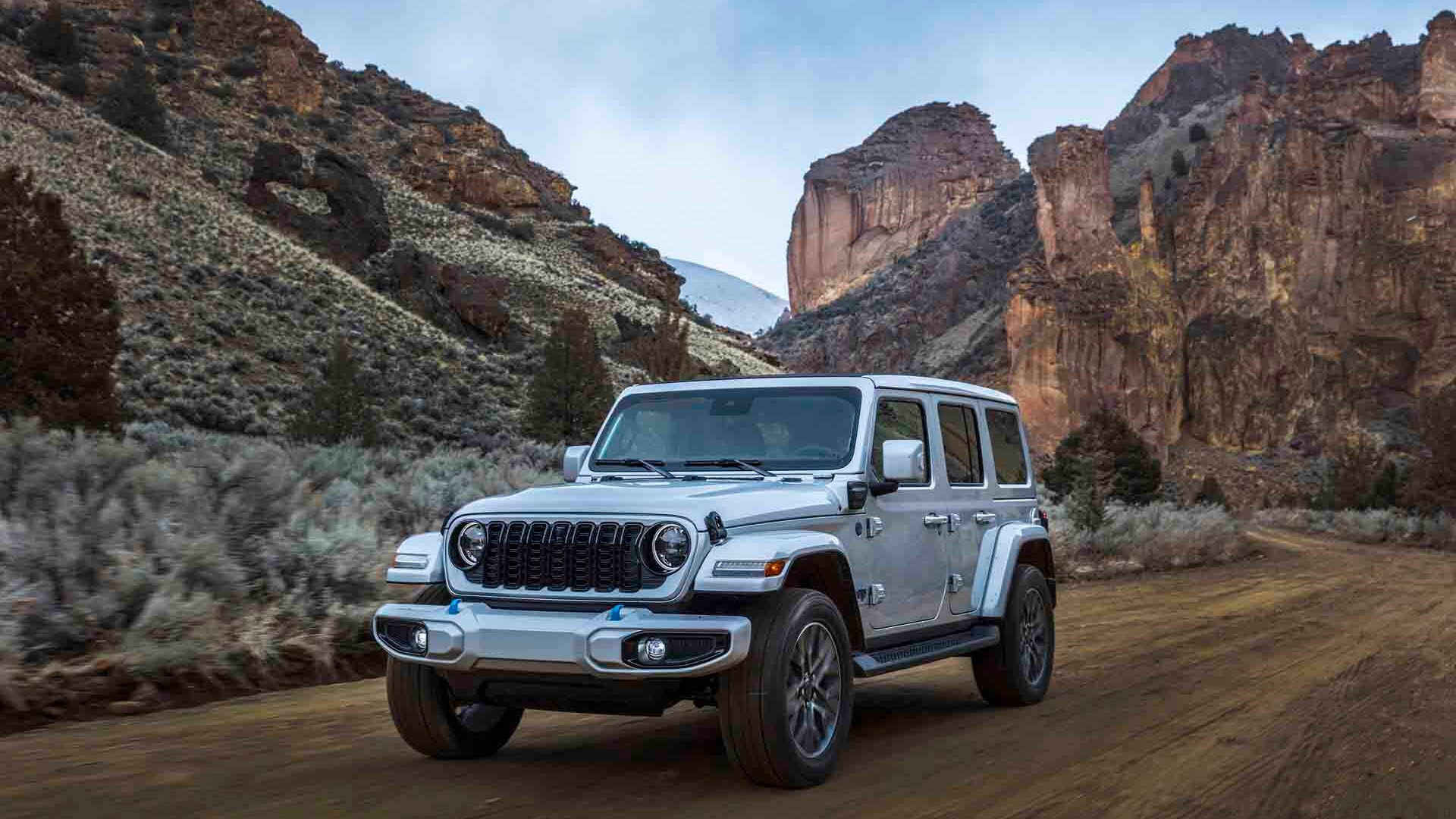
- Shocks: Upgraded shocks are essential for controlling the movement of the suspension and absorbing impacts. Look for shocks with adjustable dampening to fine-tune the ride for different terrain. Popular options include:
- Gas-Charged Shocks: Provide a firmer ride and better control.
- Remote Reservoir Shocks: Offer increased oil capacity for better cooling and fade resistance during extended use.
- Control Arms: Control arms connect the axles to the frame. Upgrading to adjustable control arms allows you to fine-tune the axle position and pinion angle, improving handling and driveline angles.
- Sway Bar Disconnects: Sway bars limit body roll on the road but restrict articulation off-road. Sway bar disconnects allow you to quickly disconnect the sway bars for maximum articulation when rock crawling.
- Bump Stops: Bump stops prevent the suspension from bottoming out and damaging the chassis or axles. Upgraded bump stops are often adjustable to fine-tune the suspension travel.
2. Axles:
The axles are responsible for transferring power from the drivetrain to the wheels. Stock axles are often the weak link in a rock crawler.
- Axle Shafts: Upgrading to stronger axle shafts made from chromoly steel or other high-strength alloys is crucial for preventing breakage under extreme stress.
- Axle Housings: Reinforced axle housings provide additional strength and rigidity to the axle assembly.
- Lockers: Lockers lock the axles together, forcing both wheels to spin at the same speed, regardless of traction. This is essential for maximizing traction on slippery or uneven terrain. Different types of lockers include:
- Automatic Lockers: Automatically engage when wheel spin is detected.
- Selectable Lockers: Can be engaged and disengaged manually.
- Gears: Re-gearing the axles is often necessary when running larger tires. Lower gear ratios provide more torque at the wheels, improving crawling ability.
3. Steering System:
Navigating tight trails and challenging obstacles requires a precise and responsive steering system.
- Hydraulic Assist Steering: Provides additional power to the steering system, making it easier to turn the wheels under heavy load.
- Steering Box Brace: Reinforces the steering box mounting points to prevent damage from the increased stress of rock crawling.
- Heavy-Duty Tie Rods and Drag Links: Replace the stock tie rods and drag links with stronger, more durable components.
4. Drivetrain:
The drivetrain transmits power from the engine to the axles.
- Transfer Case: The transfer case splits power between the front and rear axles. Upgrading to a lower gear ratio transfer case provides more torque at the wheels, improving crawling ability.
- Driveshafts: Upgrading to stronger driveshafts is essential for preventing breakage under extreme stress.
- Skid Plates: Skid plates protect the vulnerable components of the drivetrain, such as the transfer case and fuel tank, from damage.
5. Tires and Wheels:
Tires and wheels are the direct interface between the vehicle and the terrain.
- Off-Road Tires: Choose tires with aggressive tread patterns designed for maximum traction on rocks, mud, and other off-road surfaces.
- Beadlock Wheels: Beadlock wheels clamp the tire bead to the wheel, preventing the tire from de-beading at low pressures.
6. Body Protection:
Protecting the body of your Jeep is essential when rock crawling.
- Rock Sliders: Protect the rocker panels from damage when navigating rocks and obstacles.
- Steel Bumpers: Provide increased protection and clearance.
- Fender Flares: Protect the body from debris thrown up by the tires.
Important Considerations When Choosing Rock Crawler Parts:
- Budget: Rock crawler parts can be expensive. Set a budget and prioritize the most important upgrades.
- Driving Style: Consider your driving style and the type of terrain you plan to tackle when choosing parts.
- Vehicle Modifications: Make sure the parts you choose are compatible with your vehicle and any existing modifications.
- Installation: Some parts require professional installation. Factor in the cost of installation when budgeting for upgrades.
- Research: Thoroughly research different brands and products before making a purchase. Read reviews and talk to other rock crawlers to get their recommendations.
Tips for a Successful Rock Crawler Build:
- Start with a Solid Foundation: Focus on the suspension and axles first. These are the most critical components for rock crawling.
- Don't Overbuild: Choose parts that are appropriate for your driving style and the type of terrain you plan to tackle.
- Test Your Setup: After making any modifications, test your Jeep in a controlled environment to ensure everything is working properly.
- Join a Rock Crawling Club: Learn from experienced rock crawlers and get their advice on building and maintaining your Jeep.
- Safety First: Always wear appropriate safety gear, including a helmet and gloves, when rock crawling.
Potential Challenges and Solutions:
- Budget Constraints: Prioritize essential upgrades and gradually add more components as your budget allows. Consider used parts in good condition.
- Installation Difficulties: Consult with experienced mechanics or rock crawlers for assistance. Thoroughly research installation procedures before attempting to install parts yourself.
- Part Compatibility Issues: Ensure that all parts are compatible with your vehicle and existing modifications. Double-check part numbers and specifications before making a purchase.
- Breakdowns on the Trail: Carry essential tools and spare parts for common repairs. Learn basic troubleshooting techniques to diagnose and fix problems on the trail.
Price Table: Common Jeep Rock Crawler Parts
| Part Category | Description | Estimated Price Range |
|---|---|---|
| Lift Kit (Coil Spring) | 3-4" Lift, includes coils & shocks | $500 - $1500 |
| Lift Kit (Long Arm) | 4-6" Lift, includes long arms & shocks | $2000 - $5000 |
| Axle Shafts (Chromoly) | Upgraded front or rear axle shafts | $400 - $1000 per pair |
| Locking Differential | Selectable or automatic locker | $800 - $1500 |
| Gear Set | Re-gearing front and rear axles | $500 - $1000 |
| Hydraulic Assist Steering | Complete hydraulic assist steering kit | $1000 - $2500 |
| Transfer Case (Lower Gear) | Upgraded transfer case with lower gear ratio | $1500 - $3000 |
| Rock Sliders | Steel rock sliders for body protection | $300 - $800 per pair |
| Steel Bumper | Front or rear steel bumper | $400 - $1200 |
| Off-Road Tires | 35" - 40" aggressive off-road tires | $200 - $500 per tire |
| Beadlock Wheels | 17" beadlock wheels | $300 - $600 per wheel |
Prices are approximate and may vary depending on brand, quality, and retailer.
Conclusion: Building Your Rock-Conquering Machine
Transforming a Jeep into a capable rock crawler is a rewarding endeavor that requires careful planning, research, and investment. By understanding the function of each component and selecting the right parts for your needs, you can build a machine that can conquer the most challenging terrain with confidence. Remember to prioritize safety, test your setup thoroughly, and learn from experienced rock crawlers to maximize your enjoyment and minimize the risk of breakdowns. With the right parts and a spirit of adventure, your Jeep will be ready to tackle the uncharted and leave its mark on the rocks.
Frequently Asked Questions (FAQ)
Q: What's the first thing I should upgrade on my Jeep for rock crawling?
A: A lift kit with upgraded shocks and tires is a great starting point. This will improve ground clearance and traction, allowing you to tackle more challenging obstacles.
Q: Do I need lockers for rock crawling?
A: Lockers are highly recommended for serious rock crawling. They significantly improve traction and prevent wheel spin on uneven terrain.
Q: How much does it cost to build a rock crawler?
A: The cost can vary widely depending on the extent of the modifications. A basic rock crawler build can cost anywhere from $5,000 to $15,000 or more.
Q: Can I install rock crawler parts myself?
A: Some parts, such as lift kits and bumpers, can be installed by experienced DIYers. However, more complex installations, such as axle re-gearing and hydraulic steering, are best left to professionals.
Q: What size tires should I run for rock crawling?
A: 35" to 40" tires are a popular choice for rock crawling. However, the ideal tire size will depend on the amount of lift and the type of terrain you plan to tackle.
Q: Are beadlock wheels necessary for rock crawling?
A: Beadlock wheels are not strictly necessary, but they are highly recommended for running very low tire pressures. Low tire pressures improve traction and conformability to rocks.
Q: How important is body protection for rock crawling?
A: Body protection is essential for preventing damage to your Jeep's body when navigating rocks and obstacles. Rock sliders and steel bumpers are highly recommended.

0 comments