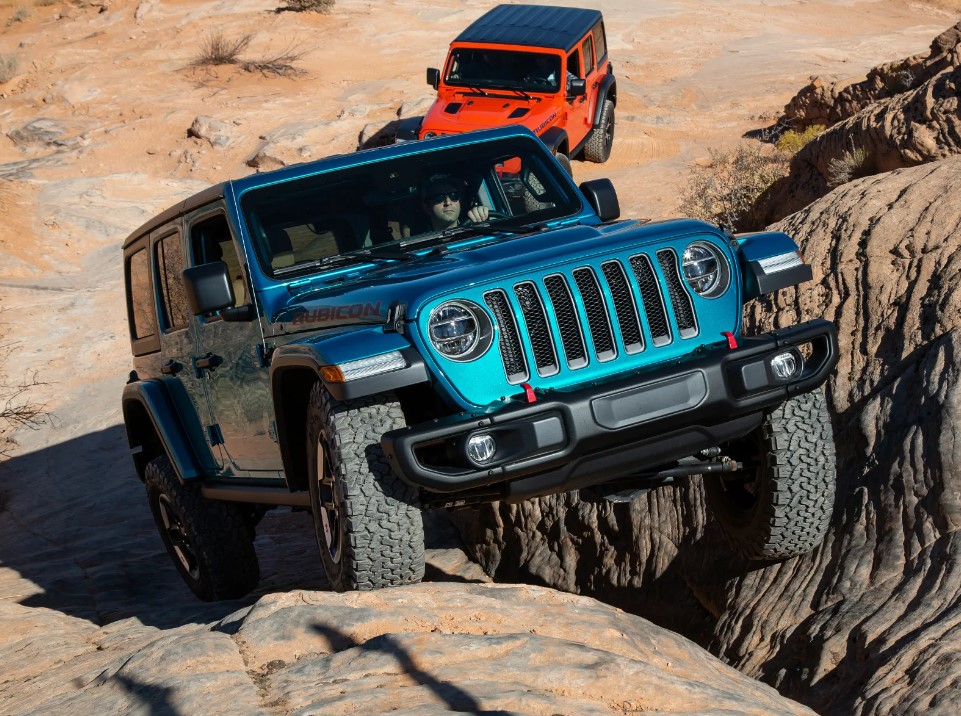
Jeep vehicles are renowned for their off-road prowess, a reputation built on a robust drivetrain designed to conquer challenging terrains. At the heart of this system lies the transfer case, a critical component responsible for distributing power from the transmission to both the front and rear axles. Understanding the inner workings of your Jeep's transfer case, particularly its individual parts, is essential for maintenance, troubleshooting, and ensuring optimal performance both on and off the road. This comprehensive guide will delve into the world of Jeep transfer case parts, providing you with the knowledge to keep your Jeep running strong.
Why Understanding Transfer Case Parts Matters
Decoding the Gears: A Comprehensive Guide to Jeep Transfer Case Parts
The transfer case isn't just a metal box filled with gears; it's a precision-engineered system subject to significant stress, especially during demanding off-road use. Over time, individual parts can wear down, break, or malfunction, leading to performance issues, noise, and even complete transfer case failure. By familiarizing yourself with the various components and their functions, you can:
- Diagnose problems early: Identifying unusual noises or performance changes can help you pinpoint potential issues before they escalate.
- Perform basic maintenance: Knowing how to check fluid levels and inspect seals can prevent costly repairs.
- Make informed decisions about repairs and upgrades: Understanding the specific parts that need replacement allows you to choose the right components for your Jeep and budget.
- Enhance your understanding of your Jeep's drivetrain: Appreciating the complexity of the transfer case will give you a deeper connection to your vehicle.
Key Components of a Jeep Transfer Case

While specific parts may vary depending on the transfer case model (e.g., NP231, NP242, NP247, NV241OR), the fundamental components remain largely consistent. Here's a breakdown of the most crucial parts:
- Input Shaft: This shaft connects directly to the transmission and transmits power into the transfer case. It's a critical component subjected to high torque and stress.
- Output Shafts (Front & Rear): These shafts deliver power to the front and rear axles, respectively. Their condition directly affects the vehicle's ability to engage four-wheel drive.
- Main Shaft: The main shaft serves as the central axis around which other gears and components rotate. It supports the primary gear sets within the transfer case.
- Range Fork(s) and Shift Rail(s): These components are responsible for engaging and disengaging different drive modes (2H, 4H, 4L). The shift fork moves along the shift rail to engage the desired gear.
- Sprockets and Chain (Chain-Driven Cases): Many Jeep transfer cases utilize a chain-driven system to transfer power between the input and output shafts, particularly in low-range. The chain and sprockets must be in good condition to prevent slippage or breakage.
- Planetary Gear Set (Some Models): Used in some transfer cases to provide low-range gearing. These gears multiply torque for crawling over obstacles.
- Bearings: Bearings support the rotating shafts and gears within the transfer case, reducing friction and wear. Worn bearings can cause noise and premature failure of other components.
- Seals: Seals prevent fluid leaks and keep contaminants out of the transfer case. Leaking seals can lead to low fluid levels and damage to internal parts.
- Housing: The housing protects the internal components of the transfer case and provides a mounting point for the vehicle. Cracks or damage to the housing can compromise its integrity.
- Mode Indicator Switch: This switch sends a signal to the vehicle's computer indicating the current drive mode (2H, 4H, 4L).
Common Issues and Solutions
Understanding common problems and their potential causes is crucial for troubleshooting and maintaining your Jeep's transfer case. Here are a few examples:
- Noise (Whining, Grinding, Clunking):
- Possible Cause: Worn bearings, damaged gears, low fluid level, stretched or damaged chain.
- Solution: Inspect and replace worn bearings or gears. Check and top off fluid level, or replace the fluid entirely. Replace the chain if stretched or damaged.
- Difficulty Shifting into 4WD:
- Possible Cause: Sticking shift fork, damaged shift rail, low vacuum (if vacuum-actuated), worn linkage.
- Solution: Inspect and lubricate the shift linkage. Check the vacuum system for leaks or malfunctions. Inspect the shift fork and shift rail for damage.
- Fluid Leaks:
- Possible Cause: Worn or damaged seals, cracks in the housing.
- Solution: Replace the leaking seals. Repair or replace the housing if cracked.
- Chain Slippage (Chain-Driven Cases):
- Possible Cause: Stretched or worn chain, damaged sprockets.
- Solution: Replace the chain and sprockets as a set.
- "Death Wobble" (Sometimes Related): While not directly a transfer case issue, excessive play in the transfer case output shaft can contribute to death wobble symptoms. Ensuring proper tightening and maintenance of the output shaft components is crucial.
Maintenance Tips for a Long-Lasting Transfer Case
Preventive maintenance is key to extending the life of your Jeep's transfer case. Here are some essential tips:
- Regular Fluid Checks: Check the fluid level every 3,000-6,000 miles, or more frequently if you engage in heavy off-roading.
- Fluid Changes: Change the transfer case fluid according to your Jeep's maintenance schedule (typically every 30,000-60,000 miles). Use the correct type of fluid specified in your owner's manual.
- Inspect Seals: Regularly inspect the seals for leaks. Address leaks promptly to prevent damage to internal components.
- Lubricate Linkage: Lubricate the shift linkage regularly to ensure smooth and easy shifting.
- Avoid Abrupt Shifting: Avoid shifting into or out of 4WD while the vehicle is in motion unless the transfer case is specifically designed for "shift-on-the-fly" operation.
- Use 4WD Periodically: Even if you don't frequently off-road, engage 4WD occasionally to keep the internal components lubricated and prevent them from seizing.
Table Price for Jeep Transfer Case Parts
| Part Name | Estimated Price Range | Notes |
|---|---|---|
| Input Shaft | $75 - $200 | Varies depending on the transfer case model. |
| Output Shaft (Front/Rear) | $100 - $300 | Prices can vary based on length, spline count, and material. |
| Main Shaft | $150 - $400 | Important to match the specific transfer case model. |
| Range Fork | $50 - $150 | Typically sold individually. |
| Shift Rail | $40 - $100 | Check for wear and straightness. |
| Sprocket (Chain-Driven) | $60 - $180 | Typically replaced in pairs with the chain. |
| Chain (Transfer Case) | $80 - $250 | Quality varies; consider a heavy-duty chain for off-road use. |
| Bearing Kit | $50 - $150 | Includes multiple bearings for a complete rebuild. |
| Seal Kit | $20 - $50 | Essential for preventing leaks after any disassembly. |
| Housing (Complete) | $300 - $800+ | Consider a used housing in good condition for cost savings. |
| Mode Indicator Switch | $30 - $80 | Important for proper 4WD system operation. |
| Complete Rebuild Kit | $200 - $600+ | Includes bearings, seals, and sometimes other wear parts. |
Note: These prices are estimates and can vary depending on the supplier, brand, and specific Jeep model. It's always recommended to shop around and compare prices before making a purchase. Prices do not include labor costs.
Frequently Asked Questions (FAQ)
-
Q: How do I know what transfer case I have?
- A: Check the identification tag on the transfer case housing. It will typically list the model number (e.g., NP231, NP242). You can also find this information in your Jeep's owner's manual.
-
Q: What type of fluid should I use in my transfer case?
- A: Consult your Jeep's owner's manual for the recommended fluid type. Using the wrong fluid can damage the transfer case. Common fluids include ATF (Automatic Transmission Fluid) and specific transfer case fluids.
-
Q: Can I rebuild my transfer case myself?
- A: Rebuilding a transfer case requires mechanical knowledge, specialized tools, and a clean workspace. If you're not comfortable working on complex mechanical systems, it's best to have a professional mechanic perform the rebuild.
-
Q: How often should I change my transfer case fluid?
- A: Refer to your Jeep's maintenance schedule. Generally, fluid changes are recommended every 30,000-60,000 miles, or more frequently if you engage in heavy off-roading.
-
Q: What is "shift-on-the-fly"?
- A: "Shift-on-the-fly" refers to the ability to shift between 2H and 4H while the vehicle is in motion, typically at lower speeds. Not all transfer cases are designed for this. Consult your owner's manual to determine if your Jeep has this feature.
-
Q: What is a slip yoke eliminator (SYE) kit?
- A: An SYE kit replaces the slip yoke on the transfer case with a fixed yoke and a longer driveshaft. This reduces driveline vibrations and improves off-road performance, particularly on lifted Jeeps.
Conclusion
The Jeep transfer case is a vital component that enables your vehicle's legendary off-road capabilities. By understanding its individual parts, potential problems, and proper maintenance procedures, you can ensure its longevity and optimal performance. Whether you're a seasoned off-roader or simply want to keep your Jeep running smoothly, investing in knowledge and preventative maintenance will pay dividends in the long run. Remember to always consult your Jeep's owner's manual and seek professional assistance when needed. Happy trails!

0 comments