The automotive world is a complex landscape of mergers, acquisitions, and strategic alliances. Brands rise and fall, change ownership, and sometimes, get entangled in webs of misinformation. One common question that surfaces frequently is: Is Jeep part of General Motors (GM)?
The short answer is a resounding no. Jeep is not part of General Motors. However, the confusion is understandable, given the long and intertwined history of the automotive industry. This article aims to definitively clarify Jeep's ownership, trace its historical journey, and dispel any lingering myths about its connection to GM.
Is Jeep Part Of GM? Separating Fact from Automotive Fiction
Why the Confusion?
The notion that Jeep might be associated with GM likely stems from a few factors:
- The Sheer Size of GM: General Motors is one of the largest automakers in the world, with a vast portfolio of brands like Chevrolet, Buick, GMC, and Cadillac. Its immense size often leads to assumptions about its involvement with other companies.
- The Legacy of American Automakers: GM, Ford, and Chrysler (now Stellantis) are the "Big Three" American automakers, dominating the industry for decades. Their interwoven history and occasional collaborations might blur the lines in people's minds.
- Chrysler's Turbulent History: Chrysler, the parent company of Jeep for a significant period, has experienced financial difficulties and ownership changes over the years. This instability might contribute to uncertainty about which companies are ultimately connected.
- Historical Alliances: There have been instances of automakers collaborating on specific projects or sharing components. While these alliances exist, they don't necessarily translate to ownership.
Jeep's Ownership: A Clear Timeline
To understand Jeep's current status, it's essential to trace its ownership history:
- Willys-Overland (1941-1953): The original Jeep was developed by Willys-Overland during World War II. They secured the initial contract to produce the iconic military vehicle.
- Kaiser Jeep (1953-1970): Kaiser Motors purchased Willys-Overland in 1953, forming Kaiser Jeep.
- American Motors Corporation (AMC) (1970-1987): AMC acquired Kaiser Jeep in 1970. This marked a period of innovation and challenges for the Jeep brand.
- Chrysler Corporation (1987-2009): In 1987, Chrysler Corporation purchased AMC, bringing Jeep under the Chrysler umbrella. This era saw the rise of popular Jeep models like the Grand Cherokee.
- Chrysler LLC (2007-2009): Following DaimlerChrysler's restructuring, Chrysler became Chrysler LLC.
- Chrysler Group LLC (2009-2014): After a government bailout and restructuring, Chrysler emerged as Chrysler Group LLC, with Fiat S.p.A. taking a controlling stake.
- Fiat Chrysler Automobiles (FCA) (2014-2021): Fiat acquired the remaining shares of Chrysler, forming Fiat Chrysler Automobiles (FCA).
- Stellantis (2021-Present): In 2021, FCA merged with the French PSA Group (Peugeot S.A.), creating Stellantis.
Therefore, as of today, Jeep is owned by Stellantis.
Why This Matters: Understanding Automotive Ownership
Understanding the ownership structure of automotive brands is important for several reasons:
- Investment Decisions: Knowing who owns a company can influence investment decisions. Investors want to be aware of the financial health and strategic direction of the parent company.
- Brand Strategy: Ownership influences brand strategy. Different parent companies have different priorities, which can impact product development, marketing, and overall brand image.
- Technology Sharing: Ownership can facilitate technology sharing between brands within the same group. For example, Stellantis can leverage technology from its various brands to enhance Jeep vehicles.
- Manufacturing and Distribution: Ownership impacts manufacturing and distribution networks. A parent company can streamline operations and reduce costs by leveraging its existing infrastructure.
The Benefits of Jeep Being Part of Stellantis
Being part of Stellantis offers Jeep several benefits:
- Global Reach: Stellantis has a global presence, allowing Jeep to expand its sales and marketing efforts in new markets.
- Shared Resources: Stellantis provides access to a vast pool of resources, including engineering expertise, manufacturing facilities, and financial capital.
- Technological Innovation: Stellantis is investing heavily in electric vehicle technology and autonomous driving systems, which will benefit Jeep as it transitions to a more sustainable future.
- Brand Synergy: Stellantis has a diverse portfolio of brands, allowing Jeep to leverage synergies and cross-promote its vehicles.
Practical Advice for Jeep Enthusiasts
- Stay Informed: Keep up-to-date on the latest news and developments in the automotive industry, particularly those related to Stellantis and Jeep.
- Research Models: When considering a Jeep purchase, research the specific model and its features. Understand how Stellantis' technology and resources are incorporated into the vehicle.
- Join Online Communities: Connect with other Jeep enthusiasts online to share information and experiences.
- Follow Stellantis' Announcements: Pay attention to Stellantis' announcements regarding future product plans and technology innovations.
Potential Challenges and Solutions for Jeep Under Stellantis
While being part of Stellantis offers many benefits, there are also potential challenges:
- Brand Dilution: The risk of diluting the Jeep brand by sharing too many components or technologies with other Stellantis brands. Solution: Maintain a distinct Jeep identity by focusing on its core values of off-road capability and ruggedness.
- Integration Issues: Integrating Jeep's operations with those of other Stellantis brands can be complex. Solution: Implement clear communication channels and collaborative processes to ensure a smooth integration.
- Market Competition: Jeep faces intense competition in the SUV market. Solution: Differentiate Jeep vehicles through innovative features, superior performance, and a strong brand image.
Types of Jeep Vehicles
Jeep offers a diverse range of vehicles to suit different needs and preferences:
- Wrangler: The iconic off-road vehicle, known for its ruggedness and customization options.
- Grand Cherokee: A luxurious SUV with a spacious interior and advanced technology.
- Cherokee: A compact SUV that offers a blend of comfort and off-road capability.
- Compass: A subcompact SUV that is fuel-efficient and stylish.
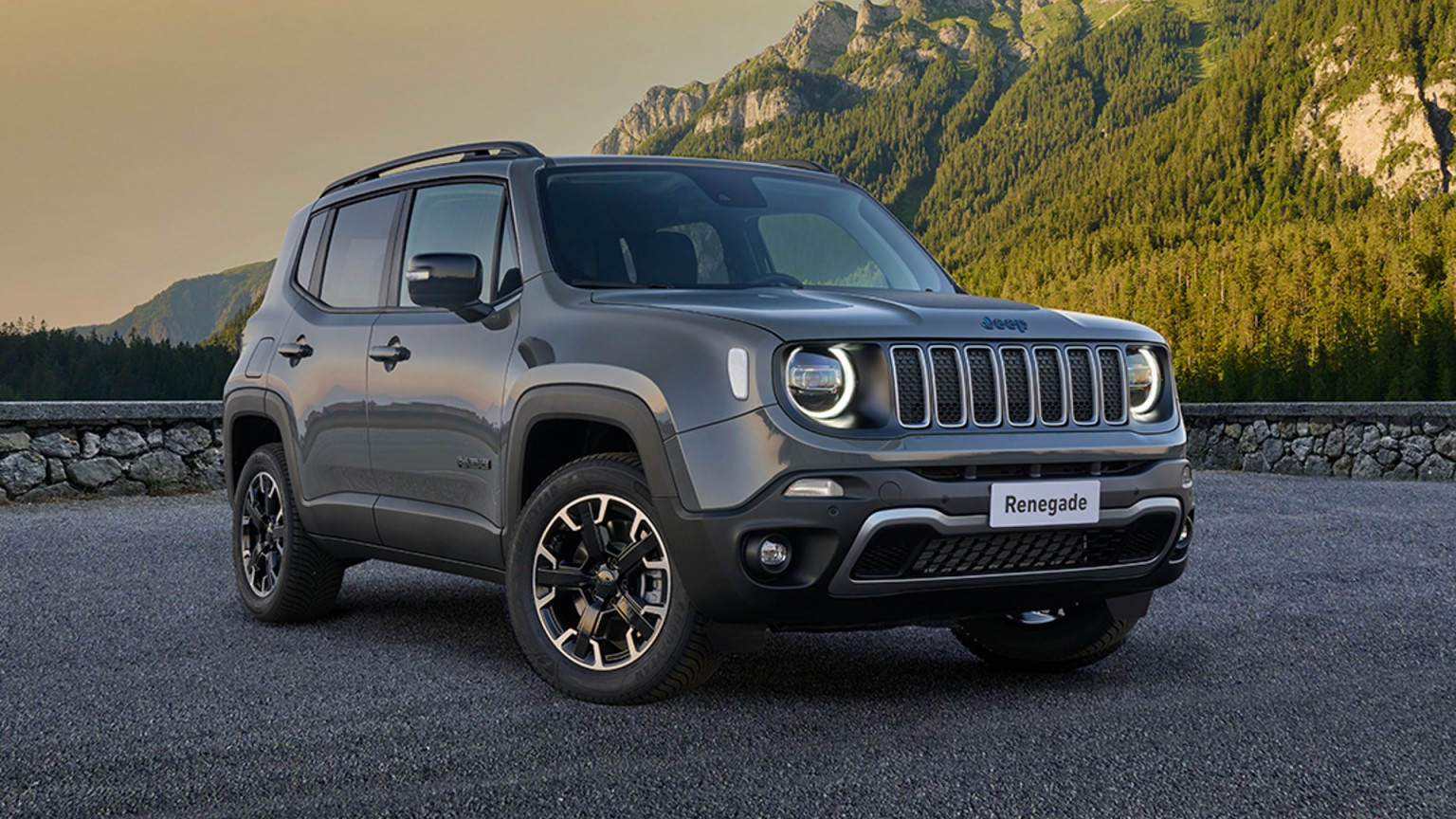
- Renegade: A small SUV with a distinctive design and surprising off-road prowess.
- Gladiator: A mid-size pickup truck that combines the ruggedness of the Wrangler with the utility of a truck bed.
Tips for Choosing the Right Jeep
- Consider Your Needs: Determine how you will primarily use the vehicle (e.g., daily commuting, off-roading, family trips).
- Set a Budget: Establish a realistic budget and stick to it.
- Research Different Models: Compare the features, specifications, and prices of different Jeep models.
- Test Drive: Take the vehicle for a test drive to experience its handling, comfort, and performance.
- Read Reviews: Consult online reviews and consumer reports to get insights from other Jeep owners.
Is Jeep Part Of Gm Table Price
| Feature | Detail |
|---|---|
| Ownership Status | Jeep is NOT part of General Motors (GM). |
| Current Owner | Stellantis (formed by the merger of Fiat Chrysler Automobiles (FCA) and PSA Group) |
| Key Historical Owners | Willys-Overland, Kaiser Jeep, American Motors Corporation (AMC), Chrysler Corporation, Fiat Chrysler Automobiles (FCA) |
| Benefits of Stellantis Ownership | Global reach, shared resources, technological innovation, brand synergy |
| Potential Challenges Under Stellantis | Brand dilution, integration issues, market competition |
| Typical Price Range of New Jeeps (USD) | Varies greatly by model and trim level: |
| * Wrangler: $35,000 - $90,000+ | |
| * Grand Cherokee: $40,000 - $85,000+ | |
| * Cherokee: $30,000 - $45,000+ | |
| * Compass: $25,000 - $40,000+ | |
| * Renegade: $24,000 - $35,000+ | |
| * Gladiator: $40,000 - $70,000+ | |
| Note: | Prices are approximate and depend on location, options, and incentives. Consult your local Jeep dealer for the most accurate pricing. |
Frequently Asked Questions (FAQ)
-
Q: Has Jeep ever been part of GM?
- A: No, Jeep has never been part of General Motors.
-
Q: Who owns Jeep now?
- A: Jeep is currently owned by Stellantis.
-
Q: How did Jeep get its name?
- A: The origin of the name "Jeep" is debated, but one popular theory is that it came from the military designation "GP" (General Purpose).
-
Q: Are Jeep vehicles reliable?
- A: Reliability can vary by model and year. It's essential to research specific models and consult consumer reports.
-
Q: Where are Jeep vehicles manufactured?
- A: Jeep vehicles are manufactured in various locations around the world, including the United States, Mexico, and Italy.
Conclusion: A Legacy of Independence
While rumors and historical context might lead some to believe Jeep is part of GM, the reality is that Jeep is a proud member of the Stellantis family. Understanding its ownership history and current position provides valuable insight for investors, enthusiasts, and anyone interested in the automotive industry. Jeep's legacy of ruggedness and off-road capability continues to thrive under Stellantis' guidance, ensuring its future as a leading SUV brand on the global stage. Remember to stay informed, research thoroughly, and enjoy the journey with your chosen Jeep!

0 comments