The Jeep. A symbol of freedom, ruggedness, and the unyielding spirit of exploration. But beneath the iconic body and powerful engine lies a critical component often overlooked: the chassis. Jeep chassis parts form the very foundation upon which your off-road adventures are built. They are the unsung heroes that ensure stability, control, and durability, whether you're tackling rocky trails, navigating muddy swamps, or simply cruising down the highway. Understanding the key components of your Jeep's chassis, their function, and how to maintain them is crucial for ensuring its longevity and your safety. This article will delve into the world of Jeep chassis parts, providing you with the knowledge you need to keep your Jeep performing at its best.
What is a Jeep Chassis and Why is it Important?
Jeep Chassis Parts: The Backbone of Your Off-Road Adventure
The chassis, also known as the frame, is the structural foundation of your Jeep. It's the skeleton to which all other components – the engine, transmission, suspension, body, and wheels – are attached. Think of it as the backbone of your Jeep, bearing the weight, absorbing impacts, and providing the necessary rigidity for safe and controlled movement.
The importance of a robust and well-maintained chassis cannot be overstated. A damaged or weakened chassis can lead to:
- Reduced Handling and Stability: This can make your Jeep difficult to control, especially in challenging off-road conditions.
- Increased Risk of Accidents: A compromised chassis can fail under stress, leading to accidents and potentially serious injuries.
- Premature Wear and Tear on Other Components: A misaligned or weakened chassis can put undue stress on the suspension, drivetrain, and body, leading to accelerated wear and tear.
- Reduced Off-Road Capability: The chassis is the foundation for off-road modifications. A weak chassis limits your ability to safely install larger tires, lift kits, and other performance-enhancing upgrades.
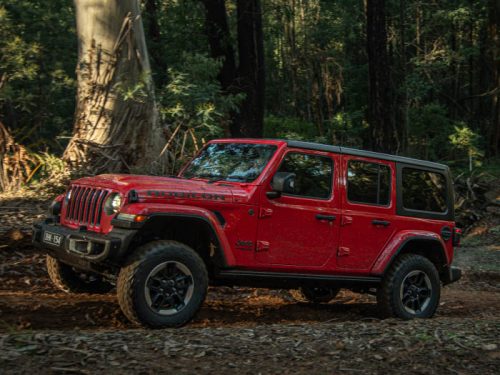
Therefore, understanding and maintaining your Jeep's chassis is paramount for safety, performance, and the overall lifespan of your vehicle.
Key Jeep Chassis Parts and Their Functions
The Jeep chassis is comprised of numerous interconnected parts, each playing a vital role. Here's a breakdown of some of the most important components:
- Frame Rails: These are the main longitudinal beams that run the length of the Jeep. They provide the primary structural support and are typically constructed from heavy-gauge steel. They bear the brunt of the Jeep's weight and absorb impacts from the road or trail. Damage to the frame rails can severely compromise the Jeep's structural integrity.
- Crossmembers: These are lateral beams that connect the frame rails, providing additional rigidity and preventing the frame from twisting or flexing excessively. They also serve as mounting points for various components, such as the transmission, transfer case, and skid plates.
- Body Mounts: These are rubber or polyurethane bushings that isolate the body from the frame. They help to dampen vibrations and reduce noise, providing a more comfortable ride. Worn or damaged body mounts can lead to excessive body roll, vibrations, and noise.
- Suspension Mounts: These are brackets welded to the frame that provide attachment points for the suspension components, such as the axles, springs, shocks, and control arms. The design and placement of these mounts significantly impact the Jeep's handling and ride quality.
- Axle Mounts/Spring Perches: These are specific mounts that directly attach the axles and springs to the frame. They are critical for maintaining proper axle alignment and suspension geometry.
- Steering Box Mount: This is a reinforced section of the frame designed to securely mount the steering box. A strong and properly aligned steering box mount is essential for precise steering control.
- Skid Plates (Optional but Recommended): While not technically part of the chassis itself, skid plates are often bolted directly to the frame or crossmembers to protect vulnerable components, such as the oil pan, transmission, and transfer case, from rocks and other obstacles.
- Bumpers (Front and Rear): These are attached to the frame and provide protection in the event of a collision. Aftermarket bumpers often offer increased strength and additional features, such as winch mounts and recovery points.

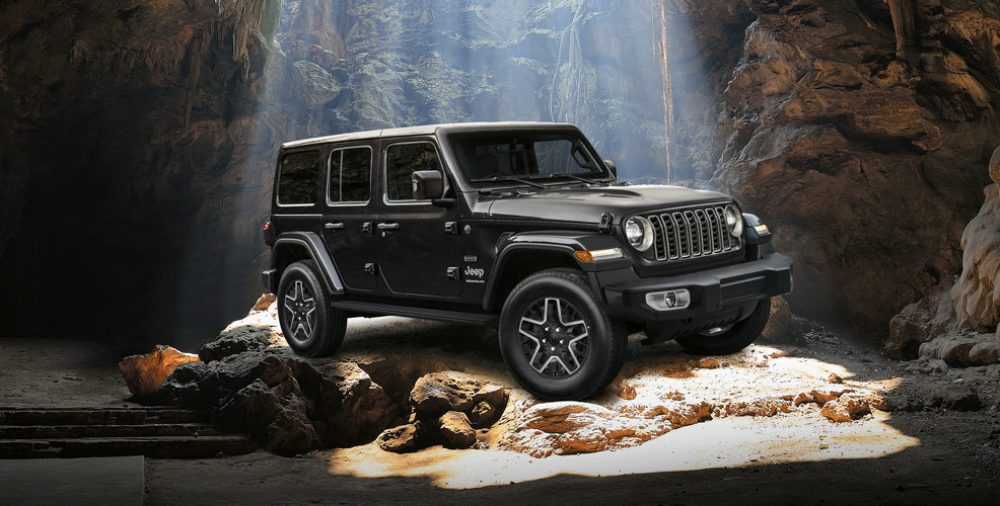
Inspection and Maintenance of Jeep Chassis Parts
Regular inspection and maintenance are crucial for ensuring the longevity and reliability of your Jeep's chassis. Here's what to look for and how to maintain it:
- Visual Inspection: Periodically inspect the frame rails, crossmembers, and body mounts for signs of rust, cracks, dents, or other damage. Pay close attention to areas that are exposed to moisture, salt, or debris.
- Check Body Mounts: Inspect the body mounts for wear and tear, cracking, or separation. Worn body mounts can cause excessive body roll and vibrations.
- Inspect Suspension Mounts: Check the suspension mounts for cracks, bends, or loose bolts. Damaged suspension mounts can affect the Jeep's handling and stability.
- Clean and Protect: Regularly clean the chassis with soap and water to remove dirt, mud, and salt. Apply a rust inhibitor or undercoating to protect the frame from corrosion.
- Tighten Bolts: Periodically check and tighten all bolts and fasteners associated with the chassis, suspension, and body.
- Professional Inspection: If you suspect any serious damage to the chassis, have it inspected by a qualified mechanic or frame specialist.
Modifying Your Jeep's Chassis: Important Considerations
Modifying your Jeep's chassis, such as adding a lift kit or installing aftermarket bumpers, can enhance its off-road capabilities and appearance. However, it's important to consider the following:
- Compatibility: Ensure that any modifications you make are compatible with your Jeep's year, make, and model.
- Quality: Choose high-quality parts from reputable manufacturers.
- Professional Installation: Unless you have extensive mechanical experience, it's best to have modifications installed by a qualified mechanic.
- Alignment: After any suspension modifications, it's essential to have the Jeep's alignment checked and adjusted.
- Safety: Always prioritize safety when modifying your Jeep's chassis. Ensure that all modifications are properly installed and do not compromise the vehicle's structural integrity.
Addressing Common Chassis Problems
Here are some common chassis problems and potential solutions:
- Rust: Rust is a common problem, especially in areas with harsh winters. Remove rust with a wire brush and apply a rust inhibitor or undercoating. For severe rust, professional repair or frame replacement may be necessary.
- Bent Frame: A bent frame can result from accidents or severe off-road impacts. A professional frame specialist can straighten or repair a bent frame.
- Cracked Frame: A cracked frame can be caused by stress, fatigue, or corrosion. A qualified welder can repair a cracked frame, but reinforcement may be necessary.
- Worn Body Mounts: Replace worn body mounts with new ones to restore ride quality and reduce body roll.
Price Table for Common Jeep Chassis Parts (Estimates Only - Prices Vary by Brand and Model)
| Part | Estimated Price Range | Notes |
|---|---|---|
| Body Mount Kit | $50 - $200 | Varies based on material (rubber vs. polyurethane) and completeness of the kit. |
| Frame Repair Kit | $100 - $500+ | Depends on the severity of the damage and the complexity of the repair. |
| Aftermarket Front Bumper | $300 - $1500+ | Price varies greatly depending on features (winch mount, bull bar, etc.) and brand. |
| Aftermarket Rear Bumper | $300 - $1200+ | Similar to front bumpers, price depends on features (tire carrier, recovery points, etc.). |
| Skid Plate (Transfer Case) | $50 - $300 | Price depends on material (steel vs. aluminum) and thickness. |
| Skid Plate (Oil Pan) | $50 - $250 | Similar to transfer case skid plates. |
| Lift Kit (Basic) | $300 - $1000+ | Price depends on lift height, components included (springs, shocks, etc.), and brand. |
| Complete Frame Replacement | $2000 - $8000+ | This is a major repair and the price will vary greatly based on labor costs and frame availability. |
Important Note: These are estimated prices and can vary significantly depending on the specific part, brand, retailer, and location. Always get a quote from a reputable parts supplier or mechanic before making any purchases or repairs.
Frequently Asked Questions (FAQ)
-
Q: How often should I inspect my Jeep's chassis?
- A: At least twice a year, or more frequently if you regularly off-road.
-
Q: What's the best way to protect my Jeep's chassis from rust?
- A: Regularly clean the chassis and apply a rust inhibitor or undercoating.
-
Q: Can I weld on my Jeep's frame?
- A: Yes, but it's best to have it done by a qualified welder who understands proper welding techniques for automotive frames.
-
Q: Are aftermarket bumpers worth the investment?
- A: Yes, if you plan to off-road regularly. Aftermarket bumpers offer increased protection and additional features, such as winch mounts and recovery points.
-
Q: Can I lift my Jeep without modifying the chassis?
- A: While you can install a small lift kit (1-2 inches) without significant chassis modifications, larger lifts often require additional modifications to maintain proper suspension geometry and prevent drivetrain issues.
Conclusion
The Jeep chassis is the critical foundation upon which your vehicle's performance, safety, and longevity are built. By understanding the key components, performing regular inspections and maintenance, and addressing any issues promptly, you can ensure that your Jeep's chassis remains strong and reliable for years to come. Whether you're a seasoned off-roader or simply enjoy cruising down the highway, taking care of your Jeep's chassis is an investment in its performance and your peace of mind. So, take the time to get to know your Jeep's underbelly – it's the key to unlocking its full potential and enjoying countless adventures.
0 comments