The Jeep CJ, a true icon of off-road adventure, evokes images of rugged trails, open-air freedom, and a connection to the untamed spirit of exploration. Produced from the 1940s to the mid-1980s, the CJ (Civilian Jeep) series holds a special place in automotive history. While these vehicles are undeniably robust, their age often necessitates upgrades and modifications to enhance performance, reliability, and personalization. This is where the world of Jeep CJ aftermarket parts comes into play. This article serves as a comprehensive guide to navigating the vast landscape of aftermarket components, providing insights, advice, and actionable information to help you transform your CJ into the ultimate off-road machine or meticulously restore it to its former glory.
Why Aftermarket Parts for Your Jeep CJ?
Jeep CJ Aftermarket Parts: Unleash the Legend Within
The decision to invest in aftermarket parts for your CJ can stem from several motivations:
- Enhancing Off-Road Performance: CJs, while capable, can be significantly improved for serious off-roading with upgrades to suspension, axles, tires, and drivetrain components.
- Improving Reliability: Aging components can be replaced with newer, more durable alternatives, mitigating the risk of breakdowns on the trail.
- Restoring Originality: For enthusiasts aiming for a factory-correct restoration, aftermarket parts offer faithful reproductions of original components.
- Personalization and Customization: Aftermarket parts allow you to tailor your CJ to your specific needs and aesthetic preferences, creating a truly unique vehicle.
- Increased Safety: Upgrading braking systems, adding roll cages, and improving lighting can enhance safety both on and off the road.
Key Categories of Jeep CJ Aftermarket Parts
The aftermarket parts universe for Jeep CJs is expansive, covering nearly every aspect of the vehicle. Here's a breakdown of some key categories:
-
Suspension Systems:

- Leaf Springs: Upgrading leaf springs can improve ride quality, increase lift, and enhance off-road articulation. Options range from standard replacements to heavy-duty springs designed for extreme conditions.
- Benefits: Improved ride, increased lift, better articulation.
- Considerations: Spring rate, lift height, shackle length.
- Installation: Requires removing old springs, installing new ones, and aligning the vehicle.
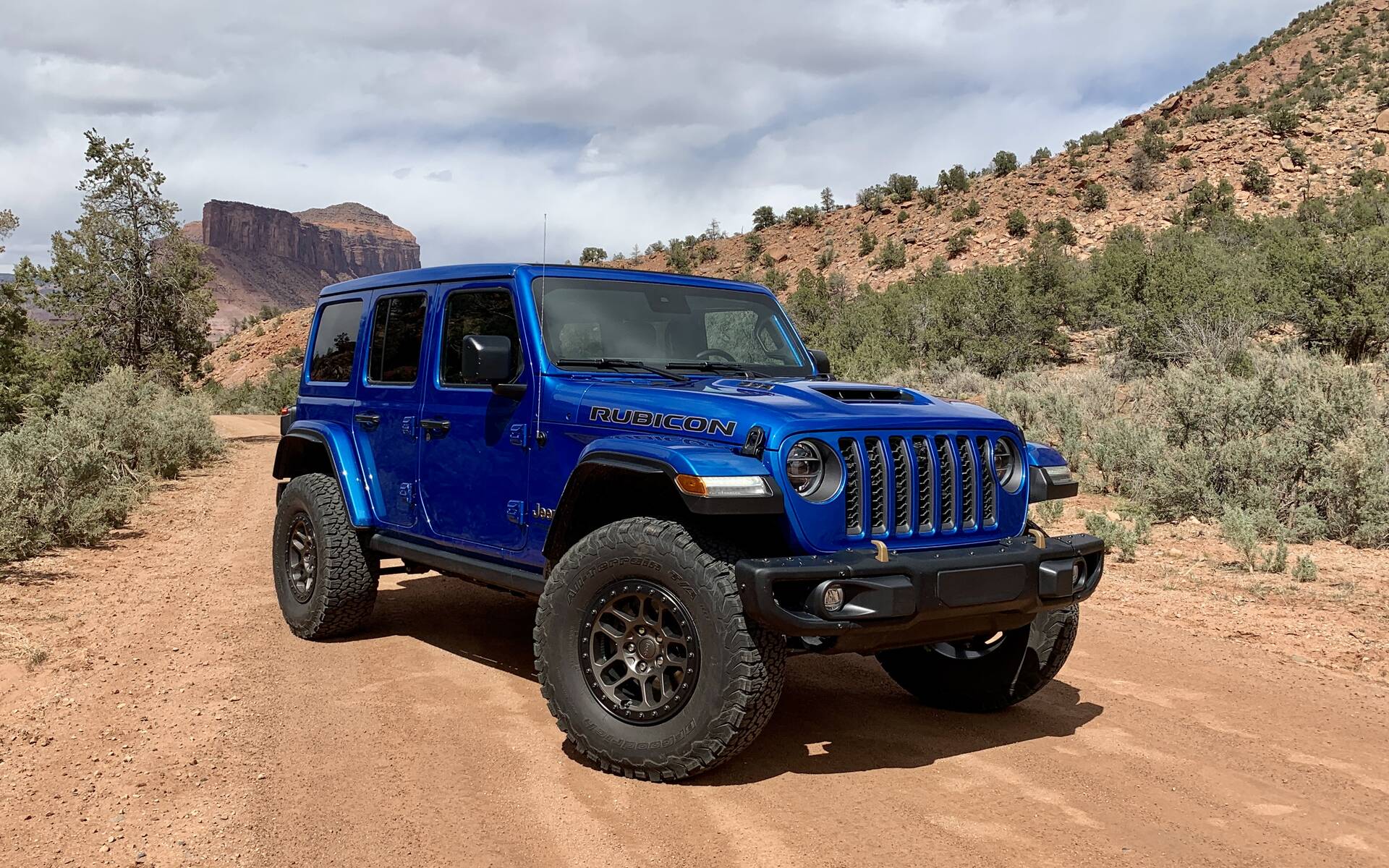
- Lift Kits: Lift kits provide increased ground clearance and allow for larger tires. They often include springs, shocks, and other necessary components.
- Benefits: Increased ground clearance, allows for larger tires, improved off-road capability.
- Considerations: Lift height, driveline angles, steering geometry.
- Installation: Can be complex, requiring specialized tools and expertise.
- Shocks: Upgraded shocks improve damping and control, leading to a smoother ride and better handling both on and off-road.
- Benefits: Improved ride quality, better handling, enhanced control.
- Considerations: Shock length, damping characteristics, intended use.
- Installation: Relatively straightforward, involving removing old shocks and installing new ones.
- Leaf Springs: Upgrading leaf springs can improve ride quality, increase lift, and enhance off-road articulation. Options range from standard replacements to heavy-duty springs designed for extreme conditions.
-
Drivetrain Components:
- Axles: Stronger axles are essential for handling larger tires and increased torque, preventing breakage on the trail.
- Benefits: Increased strength, improved durability, reduced risk of breakage.
- Considerations: Axle type, gear ratio, spline count.
- Installation: Complex, requiring specialized tools and expertise.
- Gears: Re-gearing allows you to optimize the gear ratio for larger tires or specific driving conditions.
- Benefits: Improved torque, better fuel economy, optimized performance.
- Considerations: Tire size, engine performance, intended use.
- Installation: Complex, requiring specialized tools and expertise.
- Transfer Cases: Upgraded transfer cases offer improved strength and lower gear ratios for enhanced crawling ability.
- Benefits: Increased strength, lower gear ratios, improved crawling ability.
- Considerations: Gear ratios, shift mechanism, compatibility.
- Installation: Can be complex, requiring specialized tools and expertise.
- Axles: Stronger axles are essential for handling larger tires and increased torque, preventing breakage on the trail.
-
Engine and Performance Parts:
- Carburetors/Fuel Injection: Upgrading to a modern fuel injection system can improve performance, fuel economy, and reliability.
- Benefits: Improved performance, better fuel economy, enhanced reliability.
- Considerations: System type, compatibility, tuning requirements.
- Installation: Can be complex, requiring specialized tools and expertise.
- Ignition Systems: Upgraded ignition systems provide a stronger spark, improving engine performance and starting reliability.
- Benefits: Improved engine performance, enhanced starting reliability.
- Considerations: Ignition type, compatibility, spark plug selection.
- Installation: Relatively straightforward, involving replacing ignition components.
- Exhaust Systems: Upgraded exhaust systems can improve engine performance and sound.
- Benefits: Improved engine performance, enhanced sound.
- Considerations: Exhaust diameter, muffler type, emissions compliance.
- Installation: Relatively straightforward, involving replacing exhaust components.
- Carburetors/Fuel Injection: Upgrading to a modern fuel injection system can improve performance, fuel economy, and reliability.
-
Body and Exterior Parts:
- Bumpers: Aftermarket bumpers offer increased protection and mounting points for winches and other accessories.
- Benefits: Increased protection, mounting points for accessories.
- Considerations: Bumper material, design, winch compatibility.
- Installation: Relatively straightforward, involving bolting on the new bumper.
- Fenders: Aftermarket fenders provide increased tire clearance and a more aggressive look.
- Benefits: Increased tire clearance, aggressive look.
- Considerations: Fender material, design, installation requirements.
- Installation: Can be complex, requiring cutting and welding.
- Roll Cages: Roll cages provide crucial protection in the event of a rollover.
- Benefits: Crucial protection in the event of a rollover.
- Considerations: Cage design, material, certification.
- Installation: Requires welding and specialized expertise.
- Bumpers: Aftermarket bumpers offer increased protection and mounting points for winches and other accessories.
-
Interior Parts:
- Seats: Upgraded seats provide improved comfort and support.
- Benefits: Improved comfort and support.
- Considerations: Seat type, material, mounting requirements.
- Installation: Relatively straightforward, involving bolting in the new seats.
- Dashboards: Aftermarket dashboards offer a modern look and improved functionality.
- Benefits: Modern look and improved functionality.
- Considerations: Dashboard design, gauge compatibility, wiring requirements.
- Installation: Can be complex, requiring wiring and modifications.
- Steering Wheels: Upgraded steering wheels provide improved grip and control.
- Benefits: Improved grip and control.
- Considerations: Steering wheel diameter, material, adapter requirements.
- Installation: Relatively straightforward, involving replacing the steering wheel.
- Seats: Upgraded seats provide improved comfort and support.
Important Considerations Before Purchasing Aftermarket Parts
- Compatibility: Ensure the parts you're purchasing are compatible with your specific CJ model and year.
- Quality: Research brands and read reviews to ensure you're buying high-quality parts that will last.
- Intended Use: Consider how you plan to use your CJ (e.g., daily driving, off-roading, restoration) and choose parts accordingly.
- Budget: Set a budget and stick to it. Aftermarket parts can be expensive, so prioritize the most important upgrades.
- Installation: Determine whether you can install the parts yourself or if you'll need to hire a professional.
- Safety: Prioritize safety when choosing aftermarket parts, especially those related to suspension, brakes, and roll protection.
- Legality: Be aware of local laws and regulations regarding vehicle modifications.
Tips for Choosing the Right Aftermarket Parts
- Do Your Research: Read reviews, compare prices, and consult with other CJ owners before making any purchases.
- Start Small: Begin with a few key upgrades and gradually add more as needed.
- Focus on Reliability: Prioritize parts that will improve the reliability of your CJ, especially if it's an older model.
- Don't Be Afraid to Ask for Help: If you're unsure about anything, consult with a mechanic or experienced CJ owner.
- Buy from Reputable Dealers: Purchase parts from reputable dealers who offer warranties and customer support.
Potential Challenges and Solutions
- Compatibility Issues: Double-check part numbers and consult with the dealer to ensure compatibility.
- Installation Difficulties: If you're not comfortable with the installation process, hire a professional mechanic.
- Quality Concerns: Research brands and read reviews to avoid low-quality parts.
- Budget Overruns: Set a budget and stick to it. Prioritize the most important upgrades.
- Finding the Right Parts: Online forums and communities can be valuable resources for finding specific parts.
Jeep CJ Aftermarket Parts Price Table
| Part Category | Part Description | Estimated Price Range | Notes |
|---|---|---|---|
| Suspension | 2.5" Lift Kit | $500 - $1500 | Includes springs, shocks, and necessary hardware. |
| Suspension | Heavy-Duty Leaf Springs (Pair) | $300 - $800 | Price per pair; varies by spring rate and lift height. |
| Suspension | Performance Shocks (Set of 4) | $200 - $600 | Price for a set of four; varies by brand and features. |
| Drivetrain | Dana 44 Axle Assembly | $1500 - $4000 | Varies by condition (new, rebuilt) and features. |
| Drivetrain | Gear Set (Front and Rear) | $300 - $800 | Price for a set for both axles; varies by gear ratio. |
| Drivetrain | Rebuilt Transfer Case | $500 - $1500 | Price for a rebuilt unit; new units are more expensive. |
| Engine | Carburetor Upgrade Kit | $200 - $500 | Includes carburetor, intake manifold, and necessary hardware. |
| Engine | Electronic Ignition Conversion Kit | $150 - $400 | Includes distributor, coil, and wiring. |
| Engine | Performance Exhaust System | $200 - $600 | Varies by material (stainless steel, aluminized steel). |
| Body | Front Bumper with Winch Mount | $200 - $800 | Varies by material and features. |
| Body | Fender Flares (Set of 4) | $100 - $400 | Price for a set of four; varies by material and design. |
| Body | Roll Cage Kit | $400 - $1500 | Varies by design and material. |
| Interior | High-Back Bucket Seats (Pair) | $300 - $800 | Price per pair; varies by material and features. |
| Interior | Replacement Dashboard | $200 - $500 | Varies by material and features. |
| Interior | Steering Wheel | $50 - $200 | Varies by material and design. |
| Lighting | LED Headlights (Pair) | $100 - $300 | Price per pair; significantly brighter and more efficient than stock. |
Frequently Asked Questions (FAQ)
- Q: Where can I find Jeep CJ Aftermarket Parts?
- A: You can find them at online retailers specializing in Jeep parts, local auto parts stores, and through Jeep-specific forums and clubs.
- Q: How do I know which lift kit is right for my CJ?
- A: Consider your intended use (e.g., off-roading, daily driving), tire size, and budget. Research different lift kit options and read reviews.
- Q: Is it difficult to install aftermarket parts myself?
- A: Some parts are relatively easy to install, while others require specialized tools and expertise. If you're not comfortable with the installation process, hire a professional mechanic.
- Q: Will upgrading my engine void my warranty?
- A: Since CJs are older vehicles, they are generally not under warranty anymore. However, modifications can affect the reliability and longevity of other components.
- Q: What are some essential upgrades for off-roading?
- A: Suspension lift, larger tires, upgraded axles, a winch, and skid plates are all essential upgrades for off-roading.
- Q: How can I improve the ride quality of my CJ?
- A: Upgrading to softer leaf springs, better shocks, and more comfortable seats can significantly improve ride quality.
- Q: Are there any aftermarket parts that can improve fuel economy?
- A: Upgrading to a modern fuel injection system and optimizing the gear ratio can improve fuel economy.
- Q: How do I choose the right gear ratio for my CJ?
- A: Consider your tire size, engine performance, and intended use. Consult with a mechanic or experienced CJ owner for recommendations.
Conclusion
The world of Jeep CJ aftermarket parts offers a wealth of opportunities to enhance the performance, reliability, and personalization of these iconic vehicles. By carefully considering your needs, budget, and intended use, you can transform your CJ into the ultimate off-road machine or meticulously restore it to its former glory. Remember to prioritize safety, research your options thoroughly, and don't be afraid to ask for help when needed. With the right aftermarket parts, you can unleash the legend within your Jeep CJ and experience the true spirit of adventure.
0 comments