The Jeep CJ, a rugged icon of American off-roading, represents a simpler time. Its boxy design, utilitarian features, and unwavering reliability have cemented its place in automotive history. But owning a classic CJ comes with its own unique set of challenges, primarily centered around sourcing and understanding Jeep CJ Parts. This comprehensive guide will navigate you through the world of CJ parts, from identifying what you need to restoring your beloved Jeep to its former glory.
Introduction: The Enduring Appeal of the Jeep CJ and the Importance of Quality Parts
Jeep CJ Parts: A Comprehensive Guide to Keeping Your Classic Alive
The Jeep CJ (Civilian Jeep) lineage, spanning from the CJ-2A to the CJ-8 Scrambler, embodies the spirit of adventure. These vehicles were built for durability and simplicity, making them incredibly appealing to off-road enthusiasts, collectors, and anyone seeking a taste of vintage Americana. However, as these Jeeps age, the availability and condition of original parts become crucial factors in maintaining their performance and value. Using the correct and, ideally, high-quality Jeep CJ Parts ensures that your restoration or repair project not only looks authentic but also provides lasting reliability. Cheap imitations can compromise safety, performance, and ultimately, the value of your CJ.
Section 1: Identifying Your Jeep CJ Model and its Specific Needs
Before you even begin searching for parts, you need to accurately identify your Jeep CJ model. The variations between CJ-2A, CJ-3A, CJ-3B, CJ-5, CJ-6, CJ-7, and CJ-8 Scrambler are significant, and parts are often not interchangeable.
- Identifying your model: Check the VIN (Vehicle Identification Number), typically located on the driver's side dashboard or door frame. This number will reveal the exact year and model of your Jeep.
- Understanding the differences: Each CJ model has distinct characteristics. For example, the CJ-5 had a longer wheelbase than earlier models, while the CJ-7 introduced a wider track and improved suspension. The CJ-8 Scrambler, with its extended wheelbase and pickup bed, is another unique variation.
- Creating a needs assessment: Once you know your model, assess the condition of your Jeep. Is it a complete restoration project, or are you simply replacing worn-out components? Identify the specific areas needing attention: engine, transmission, suspension, body, interior, electrical, etc.
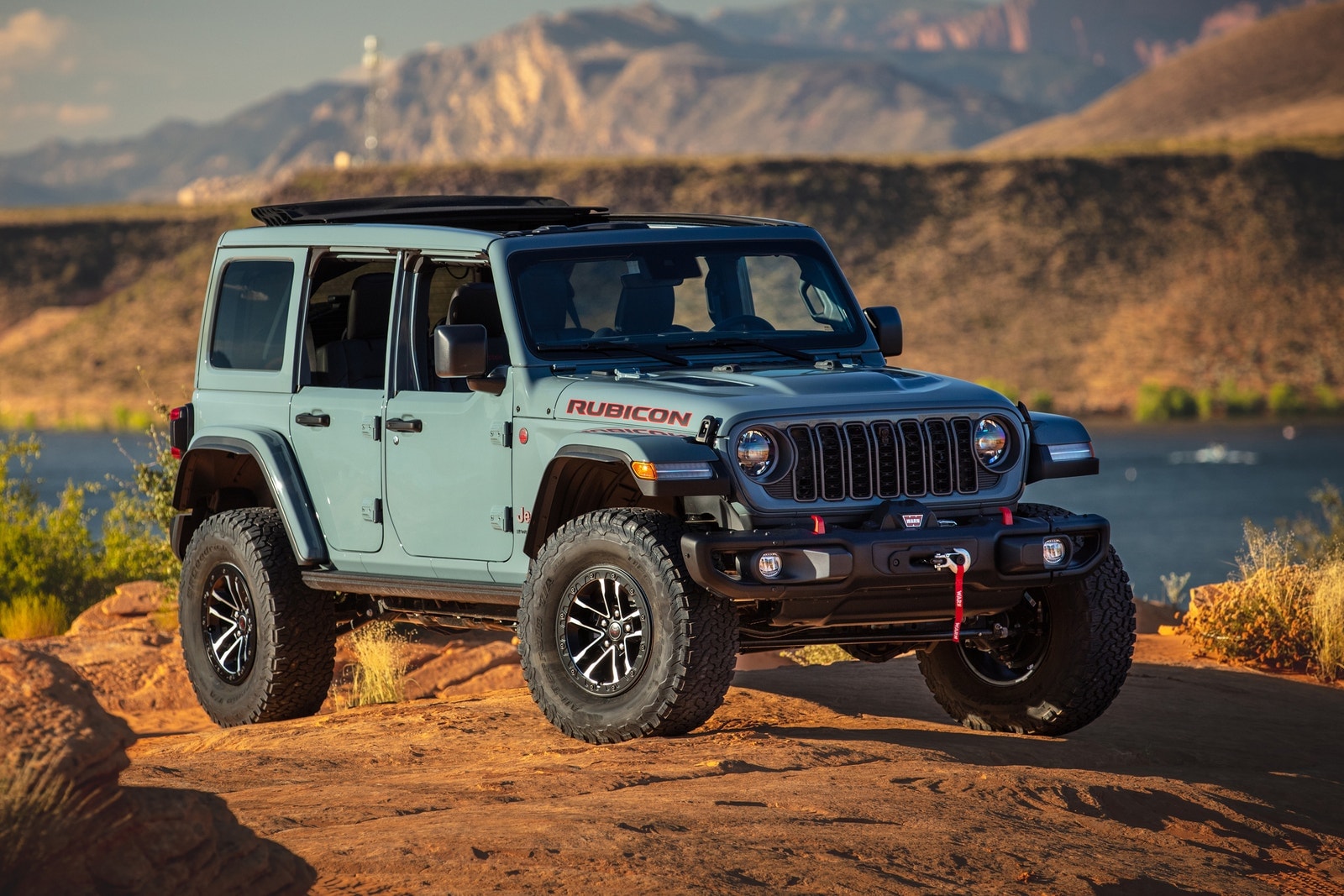
Section 2: Sourcing Jeep CJ Parts: Where to Look and What to Look For
Finding the right parts for your CJ requires research and patience. Here are the primary sources and considerations:
- Online Retailers: Numerous online retailers specialize in Jeep CJ Parts. These websites often offer extensive catalogs, detailed product descriptions, and helpful search filters. Examples include:
- Quadratec: A well-known retailer with a comprehensive selection of Jeep parts.
- Morris 4x4 Center: Another reputable source for Jeep parts and accessories.
- Summit Racing Equipment: Carries a wide range of performance and restoration parts, including CJ components.
- eBay: Can be a treasure trove for used and NOS (New Old Stock) parts.

- Local Auto Parts Stores: While they might not stock everything for a CJ, local auto parts stores can often source common wear items like brake pads, filters, and fluids.
- Jeep Clubs and Forums: These online communities are invaluable resources for finding rare parts, getting advice, and connecting with other CJ owners.
- Swap Meets and Auto Shows: Attending automotive swap meets and shows can be a great way to find hard-to-find parts and meet other enthusiasts.
- Junkyards: While it requires more effort, junkyards can be a source of affordable parts, especially for body panels and interior components.
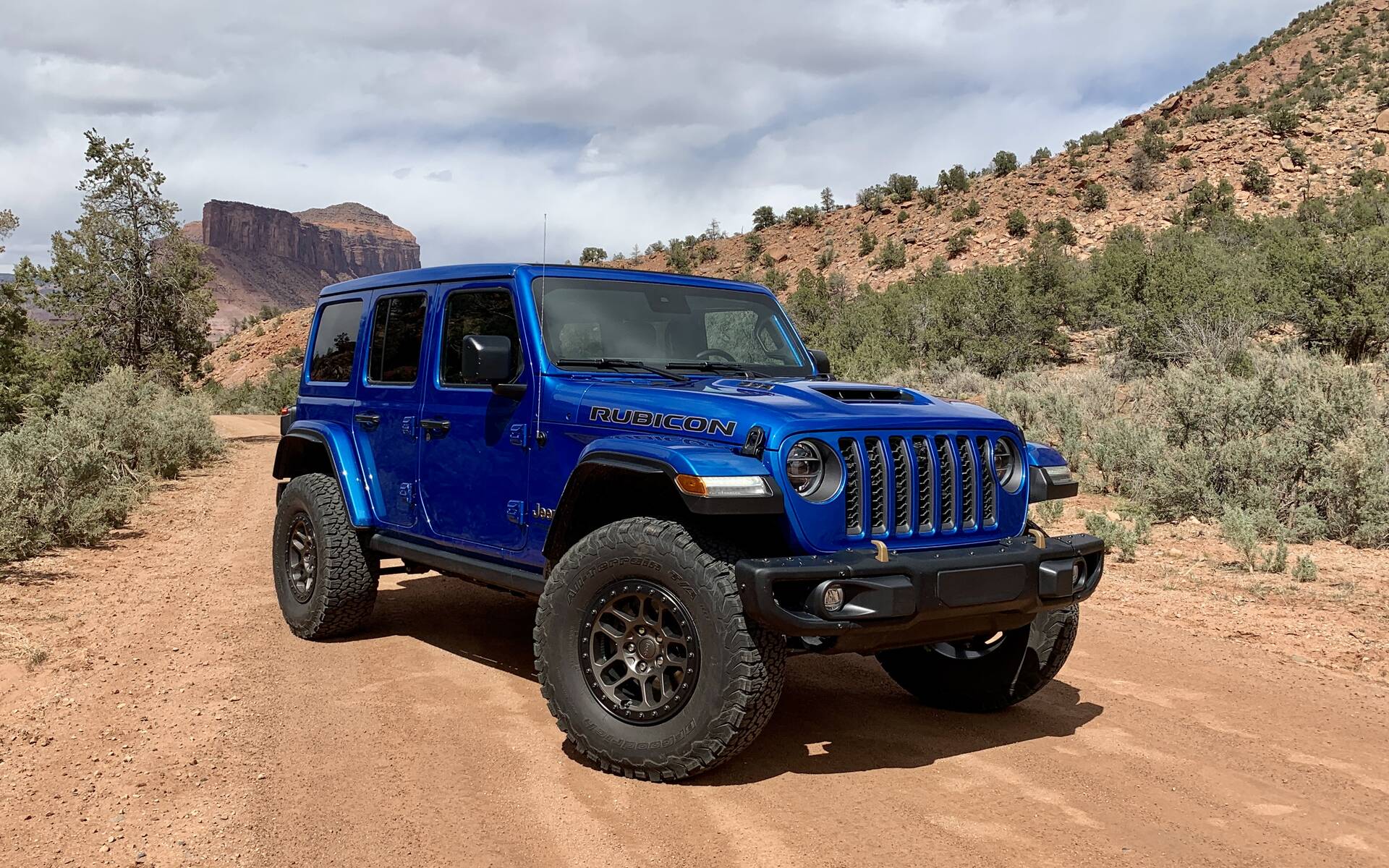
Important Considerations When Sourcing Parts:
- New vs. Used vs. NOS: Weigh the pros and cons of each. New parts offer reliability and warranty, used parts are more affordable, and NOS parts provide authenticity.
- Quality and Brand Reputation: Opt for reputable brands known for producing high-quality Jeep parts. Research reviews and ask for recommendations from other CJ owners.
- Fitment and Compatibility: Ensure the parts you purchase are specifically designed for your CJ model and year. Double-check part numbers and descriptions before ordering.
- Return Policies: Always check the return policy of the retailer before making a purchase. This is crucial in case the part doesn't fit or is defective.
Section 3: Common Jeep CJ Parts Categories and Their Significance
Understanding the different categories of CJ parts is essential for a successful restoration or repair.
- Engine Parts: Includes components like pistons, rings, camshafts, carburetors, fuel pumps, and ignition systems. Maintaining a reliable engine is paramount for CJ performance.
- Transmission and Drivetrain Parts: Covers transmissions, transfer cases, differentials, axles, and driveshafts. These parts are crucial for transferring power to the wheels and ensuring proper off-road capability.
- Suspension and Steering Parts: Includes springs, shocks, steering boxes, tie rod ends, and ball joints. A well-maintained suspension and steering system are essential for handling and safety.
- Brake Parts: Covers brake pads, rotors, calipers, master cylinders, and brake lines. Properly functioning brakes are critical for safety.
- Body Parts: Includes fenders, hoods, doors, windshields, and body tubs. Restoring the body is essential for preserving the CJ's appearance and structural integrity.
- Interior Parts: Covers seats, dashboards, gauges, carpets, and door panels. Restoring the interior enhances comfort and aesthetics.
- Electrical Parts: Includes wiring harnesses, lights, switches, and starters. A properly functioning electrical system is essential for reliability and safety.
Section 4: Essential Tools and Resources for Working on Your Jeep CJ
Having the right tools and resources will make your CJ repair and restoration projects much easier.
- Basic Hand Tools: Wrenches, sockets, screwdrivers, pliers, hammers, and measuring tools are essential.
- Specialty Tools: Depending on the project, you might need specialized tools like a torque wrench, ball joint separator, spring compressor, and timing light.
- Service Manual: A service manual specific to your CJ model is invaluable for providing detailed instructions and diagrams.
- Online Forums and Communities: These online resources offer a wealth of information, advice, and support from other CJ owners.
- Local Machine Shops: For engine rebuilding or other complex repairs, a reputable machine shop can provide specialized services.
Section 5: Tips for Maintaining Your Jeep CJ and Preventing Future Problems
Regular maintenance is crucial for extending the life of your Jeep CJ and preventing costly repairs.
- Regular Oil Changes: Change the engine oil and filter according to the manufacturer's recommendations.
- Grease the Chassis: Lubricate all grease fittings on the suspension and steering components.
- Check Fluid Levels: Regularly check and top off all fluid levels, including engine coolant, brake fluid, power steering fluid, and transmission fluid.
- Inspect Brake Components: Regularly inspect brake pads, rotors, and lines for wear and damage.
- Check Tire Pressure: Maintain proper tire pressure for optimal handling and fuel efficiency.
- Address Rust Promptly: Repair any rust spots as soon as they appear to prevent further corrosion.
- Store Your CJ Properly: If you're storing your CJ for an extended period, take steps to protect it from the elements and prevent deterioration.
Section 6: Potential Challenges and Solutions When Working with Jeep CJ Parts
Working on a classic Jeep CJ can present unique challenges. Here are some common issues and their solutions:
- Finding Obsolete Parts: Some CJ parts are no longer manufactured. In these cases, consider using used parts, NOS parts, or aftermarket alternatives.
- Dealing with Rust: Rust is a common problem on CJs. Repairing rust requires welding, bodywork, and painting.
- Identifying Correct Part Numbers: Incorrect part numbers can lead to ordering the wrong parts. Double-check part numbers and descriptions before ordering.
- Wiring Issues: Older CJ's can suffer from brittle wiring and corrosion. Replacing the wiring harness can be a major undertaking, but it's often necessary for reliability.
- Engine Problems: Rebuilding a CJ engine can be complex. Consider hiring a qualified mechanic or machine shop for this task.
Table Price Jeep Cj Parts
| Part Category | Part Description | Approximate Price Range | Notes |
|---|---|---|---|
| Engine | Carburetor (Rebuilt) | $200 - $400 | Price varies based on brand and model. |
| Water Pump (New) | $50 - $150 | Consider a heavy-duty pump for off-roading. | |
| Distributor Cap & Rotor Kit | $20 - $50 | Replace regularly for optimal ignition. | |
| Transmission | Clutch Kit (New) | $150 - $300 | Includes pressure plate, disc, and throwout bearing. |
| Transmission Mount (New) | $30 - $60 | Check for cracks and wear. | |
| Suspension | Leaf Spring (Each) | $100 - $300 | Price varies based on lift height and brand. |
| Shock Absorber (Each) | $40 - $100 | Choose shocks based on your driving style and terrain. | |
| Brakes | Brake Pads (Front Set) | $30 - $70 | Choose high-quality pads for optimal braking performance. |
| Brake Rotor (Each) | $50 - $100 | Inspect for wear and damage. | |
| Body | Fender (New) | $150 - $400 | Price depends on quality and finish. |
| Floor Pan (Replacement) | $100 - $300 | Common rust area; welding required. | |
| Interior | Seat Cover (Pair) | $100 - $300 | Price varies based on material and style. |
| Dashboard Pad (Replacement) | $50 - $150 | Can be difficult to find in good condition; consider aftermarket options. | |
| Electrical | Wiring Harness (Complete) | $300 - $600 | Essential for restoring electrical reliability. |
| Headlight (Each) | $20 - $50 | Upgrade to LED for improved visibility. |
Disclaimer: These prices are approximate and can vary depending on the vendor, location, and part quality. It's always best to shop around and compare prices before making a purchase.
Frequently Asked Questions (FAQ)
-
Q: Where can I find a complete Jeep CJ parts catalog?
- A: Many online retailers, like Quadratec and Morris 4x4 Center, offer downloadable or online parts catalogs specific to Jeep CJ models.
-
Q: How can I tell if a part is compatible with my CJ?
- A: Check the part number and description carefully, and compare it to the part number listed in your service manual. Contact the retailer or manufacturer for clarification if needed.
-
Q: What are some common rust areas on Jeep CJs?
- A: Common rust areas include the floor pans, rocker panels, fenders, and around the windshield frame.
-
Q: How often should I change the oil in my Jeep CJ?
- A: Follow the manufacturer's recommendations in your service manual, or change the oil every 3,000 miles or 3 months, whichever comes first.
-
Q: What's the best way to remove rust from my CJ?
- A: Depending on the severity of the rust, you can use a wire brush, sandpaper, or a chemical rust remover. For severe rust, welding in new metal may be necessary.
-
Q: Are there any common upgrades I should consider for my CJ?
- A: Common upgrades include a modern fuel injection system, power steering, disc brakes, and LED lighting.
Conclusion: Preserving a Legacy, One Part at a Time
Owning and maintaining a Jeep CJ is a rewarding experience. By understanding the importance of quality Jeep CJ Parts, knowing where to find them, and following proper maintenance procedures, you can ensure that your classic Jeep continues to provide years of enjoyment. The journey of restoring or simply keeping a CJ on the road is a testament to the enduring appeal of these iconic vehicles. Remember, patience, research, and a passion for these timeless machines are the keys to success.
0 comments