Jeep ownership is synonymous with adventure, exploration, and a certain rugged individualism. However, amidst the thrill of off-roading and open-air driving, safety remains paramount. Arguably, one of the most critical safety features in any vehicle, including a Jeep, is the seat belt system. Understanding the various Jeep seat belt parts, their function, and maintenance is crucial for ensuring the safety of yourself and your passengers. This comprehensive guide will delve into the intricacies of Jeep seat belt parts, providing you with the knowledge to maintain, repair, and even upgrade your system for optimal performance.
Why Understanding Jeep Seat Belt Parts Matters
Jeep Seat Belt Parts: A Comprehensive Guide to Safety and Functionality
Seat belts are designed to restrain occupants during a collision, preventing ejection from the vehicle and minimizing impact with the interior. A properly functioning seat belt system can significantly reduce the risk of serious injury or death in an accident. Ignoring issues with your seat belt system, or neglecting to maintain it, can have devastating consequences. This guide aims to empower Jeep owners with the knowledge to proactively address potential problems and ensure their safety on and off the road.
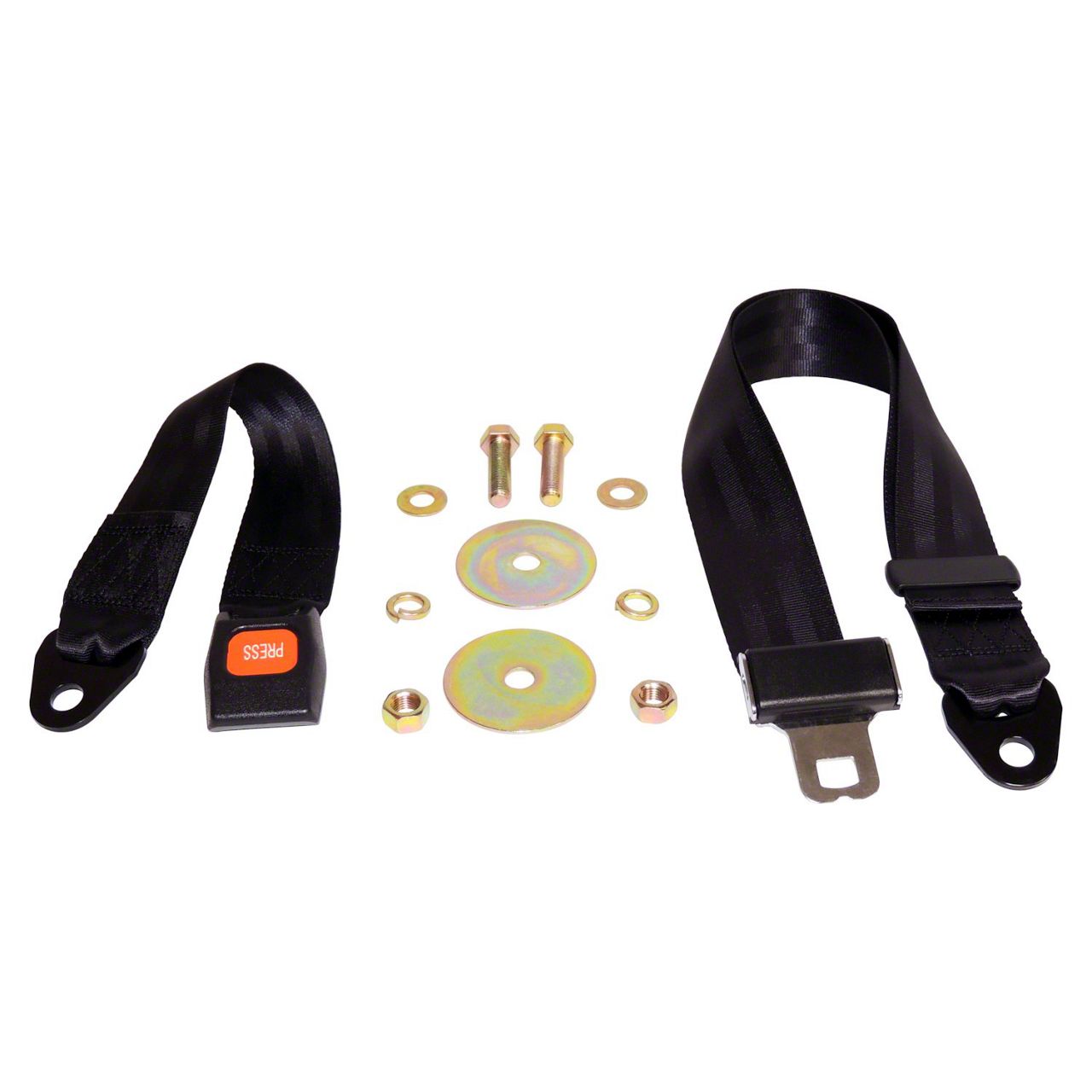
I. Anatomy of a Jeep Seat Belt System: Key Components
A Jeep seat belt system is more than just a strap; it's a complex assembly of interconnected parts working in unison. Understanding these components is the first step towards proper maintenance and troubleshooting.
- Seat Belt Webbing (Strap): This is the most visible part of the seat belt system, the durable fabric strap that restrains the occupant. It's typically made of a high-strength polyester or nylon material designed to withstand significant force.
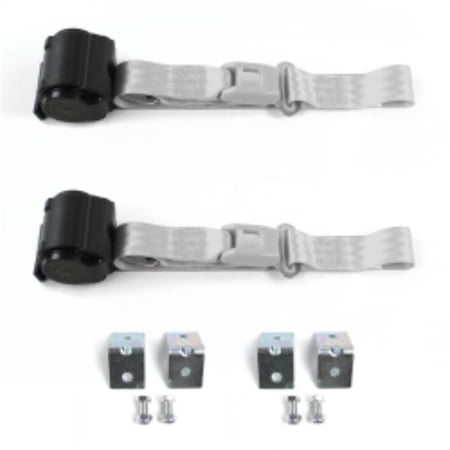
- Retractor Assembly: The retractor is a spring-loaded mechanism that stores the seat belt webbing when not in use and allows it to extend and retract smoothly. It also incorporates a locking mechanism that engages during sudden deceleration or impact.
- Buckle Assembly: This is the receptacle into which the seat belt latch plate is inserted. It contains a release button that allows the occupant to disengage the seat belt.
- Latch Plate (Tongue): The latch plate is the metal piece that is inserted into the buckle to secure the seat belt.
- Anchoring Points: These are the secure attachment points on the vehicle's frame or body to which the seat belt retractor, buckle, and shoulder strap are anchored.
- Height Adjuster (Shoulder Belt Guide): Found in many modern Jeeps, this allows adjustment of the shoulder belt height to ensure a comfortable and effective fit for different sized occupants.
- Pretensioner (If Equipped): Some newer Jeeps feature seat belt pretensioners, which are pyrotechnic devices that tighten the seat belt webbing in the event of a collision, further reducing occupant movement.
- Seat Belt Warning System: This system includes sensors, wiring, and indicator lights that alert the driver when a seat belt is not fastened.

II. Common Issues and Troubleshooting with Jeep Seat Belt Parts
Like any mechanical system, Jeep seat belts can experience wear and tear over time, leading to malfunctions. Recognizing these issues early can prevent serious problems.
- Sticking or Slow Retraction: This is a common issue caused by dirt, debris, or lubricant buildup in the retractor mechanism.
- Solution: Clean the seat belt webbing with a mild soap and water solution. Avoid harsh chemicals. You can also try lubricating the retractor mechanism with a silicone-based lubricant, but be careful not to over-lubricate.
- Webbing Fraying or Damage: Tears, cuts, or excessive fraying of the seat belt webbing compromise its strength and effectiveness.
- Solution: Replace the seat belt immediately. Do not attempt to repair damaged webbing.
- Buckle Malfunction: The buckle may become difficult to latch or unlatch, or the release button may stick.
- Solution: Clean the buckle with compressed air to remove debris. If the problem persists, try lubricating the latching mechanism with a silicone-based lubricant. If the buckle is severely damaged, it needs to be replaced.
- Retractor Locking Up: The retractor may lock up even when the vehicle is not experiencing sudden deceleration.
- Solution: This could be due to a faulty retractor mechanism. Check for any obstructions or damage to the retractor. Replacement is often the best solution.
- Seat Belt Warning Light Stays On: This could indicate a problem with the seat belt buckle sensor, the wiring, or the vehicle's computer system.
- Solution: Check the connections to the seat belt buckle sensor. If the wiring is damaged, it needs to be repaired or replaced. Consult a qualified mechanic for further diagnosis.
III. Repairing vs. Replacing Jeep Seat Belt Parts
The decision to repair or replace a seat belt part depends on the severity of the damage and your comfort level with performing the repair.
- Repair: Minor issues like cleaning a dirty buckle or lubricating a sticky retractor can often be resolved with simple repairs.
- Replace: Significant damage to the webbing, a faulty retractor, or a broken buckle requires replacement. Never attempt to repair damaged seat belt webbing.
Important Considerations:
- Safety First: When working on seat belt systems, disconnect the vehicle's battery to prevent accidental airbag deployment.
- Use OEM or Quality Aftermarket Parts: Always use original equipment manufacturer (OEM) parts or high-quality aftermarket replacements that meet or exceed safety standards.
- Proper Installation: Ensure that all seat belt components are properly installed and tightened to the manufacturer's specifications.
- Professional Help: If you are not comfortable performing the repairs yourself, consult a qualified mechanic.
IV. Upgrading Your Jeep Seat Belt System
While primarily focused on safety, seat belt systems can also be upgraded for added comfort and convenience.
- Adding Shoulder Belt Height Adjusters: If your Jeep doesn't have shoulder belt height adjusters, you can often retrofit them for a more comfortable and effective fit.
- Installing a Seat Belt Extender: For individuals who need additional length in their seat belt, extenders are available. Ensure the extender is compatible with your Jeep's seat belt system and meets safety standards.
- Upgrading to a Harness System: For serious off-road enthusiasts, a harness system provides greater restraint and support than a standard seat belt. These systems typically consist of multiple straps that secure the occupant in place.
V. Maintaining Your Jeep Seat Belt System for Longevity
Regular maintenance is key to ensuring the longevity and proper functioning of your Jeep's seat belt system.
- Regular Inspection: Inspect the seat belt webbing, buckles, and retractors for any signs of damage or wear.
- Cleaning: Clean the seat belt webbing and buckles regularly with a mild soap and water solution.
- Lubrication: Lubricate the retractor and buckle mechanisms with a silicone-based lubricant as needed.
- Address Issues Promptly: Don't ignore minor issues. Address them promptly to prevent them from escalating into more serious problems.
VI. Jeep Seat Belt Parts Price Table
| Part Name | Description | Estimated Price (USD) | Notes |
|---|---|---|---|
| Seat Belt Webbing | Replacement strap for one seat | $50 - $150 | Price varies depending on material and length; custom colors may increase the price. |
| Retractor Assembly | Complete retractor unit for one seat | $80 - $200 | Price varies depending on model and year of Jeep; includes the spring and locking mechanism. |
| Buckle Assembly | Replacement buckle for one seat | $40 - $100 | Price varies depending on type of buckle (e.g., standard, with sensor); includes the release button. |
| Latch Plate (Tongue) | Replacement latch plate for one seat | $20 - $50 | Ensure compatibility with your specific Jeep model and buckle type. |
| Shoulder Belt Height Adjuster | Kit to add or replace the height adjuster | $30 - $80 | Often includes mounting hardware; check compatibility with your Jeep model. |
| Seat Belt Extender | Extends the length of the existing seat belt | $20 - $60 | Ensure it meets safety standards and is compatible with your Jeep. |
| Pretensioner (New) | Replacement pretensioner unit | $150 - $300 | Requires professional installation; ensure it's compatible with your Jeep's airbag system. |
VII. Frequently Asked Questions (FAQ) about Jeep Seat Belt Parts
- Q: Can I repair a frayed seat belt webbing?
- A: No. Damaged seat belt webbing should never be repaired. It must be replaced.
- Q: How often should I clean my seat belts?
- A: Clean your seat belts every few months, or more frequently if they become dirty or stained.
- Q: What type of lubricant should I use on my seat belt retractor?
- A: Use a silicone-based lubricant. Avoid using petroleum-based lubricants, as they can damage the plastic components.
- Q: Can I install seat belts from a different vehicle in my Jeep?
- A: No. It is not recommended to install seat belts from a different vehicle, as they may not be compatible with your Jeep's anchoring points and safety systems.
- Q: How do I know if my seat belt retractor is working properly?
- A: The retractor should retract the seat belt webbing smoothly and easily. It should also lock up during sudden deceleration. If the retractor is sticking or not locking properly, it needs to be repaired or replaced.
- Q: My seat belt warning light is on, even though I'm wearing my seat belt. What could be the problem?
- A: This could be due to a faulty seat belt buckle sensor, damaged wiring, or a problem with the vehicle's computer system. Consult a qualified mechanic for diagnosis and repair.
Conclusion: Prioritizing Safety with Properly Maintained Jeep Seat Belts
Your Jeep's seat belt system is a critical safety feature that should not be overlooked. By understanding the components of the system, recognizing common issues, and performing regular maintenance, you can ensure the safety of yourself and your passengers. Whether you're tackling challenging off-road trails or cruising down the highway, a properly functioning seat belt system provides invaluable protection. Don't compromise on safety – invest the time and effort to maintain and repair your Jeep's seat belt parts, and enjoy the peace of mind that comes with knowing you're protected.
0 comments