Introduction:
The iconic Jeep. A symbol of freedom, adventure, and the open road (or lack thereof!). But the heart of a Jeep's off-road prowess lies not just in its rugged engine and 4x4 system, but also in its meticulously engineered suspension. Jeep suspension parts are the unsung heroes that absorb bumps, maintain tire contact with the terrain, and provide the stability and control needed to conquer challenging landscapes. Understanding these components is crucial for any Jeep owner, whether you're a seasoned off-roader or simply looking to improve your on-road ride quality. This guide delves deep into the world of Jeep suspension parts, exploring their functions, types, benefits, and considerations for upgrading or maintaining your Jeep's suspension system.
Jeep Suspension Parts: A Comprehensive Guide to Enhancing Your Ride
I. The Fundamentals: Understanding Jeep Suspension Systems
Before diving into individual parts, it's essential to understand the fundamental principles of a Jeep suspension system. Its primary functions include:
- Soaking up Bumps: Protecting the vehicle and its occupants from jarring impacts on uneven terrain.
- Maintaining Tire Contact: Keeping the tires in contact with the road or trail surface, maximizing traction for optimal handling and braking.
- Controlling Body Roll: Minimizing the vehicle's tendency to lean during turns, improving stability and driver confidence.
- Supporting Vehicle Weight: Distributing the weight of the vehicle and its cargo evenly across the axles.
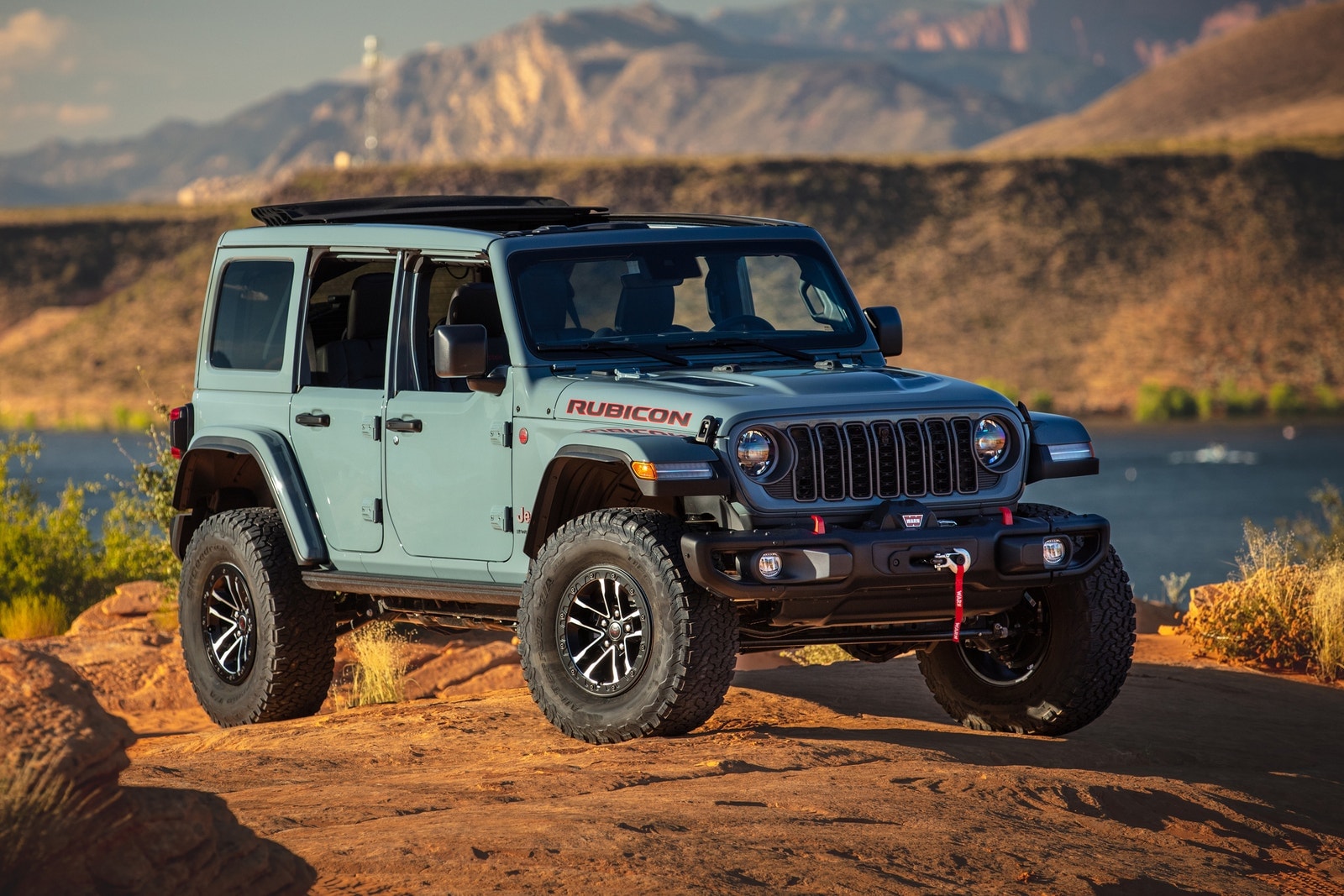
Jeep suspension systems typically consist of a combination of springs, shocks (dampers), control arms, track bars, sway bars, and other related components. The specific configuration varies depending on the Jeep model and year, but the core principles remain the same.
II. Key Suspension Components and Their Functions
Let's explore the critical components that make up a Jeep's suspension system:
- Springs: Springs are responsible for supporting the vehicle's weight and absorbing initial impacts. Common types include:
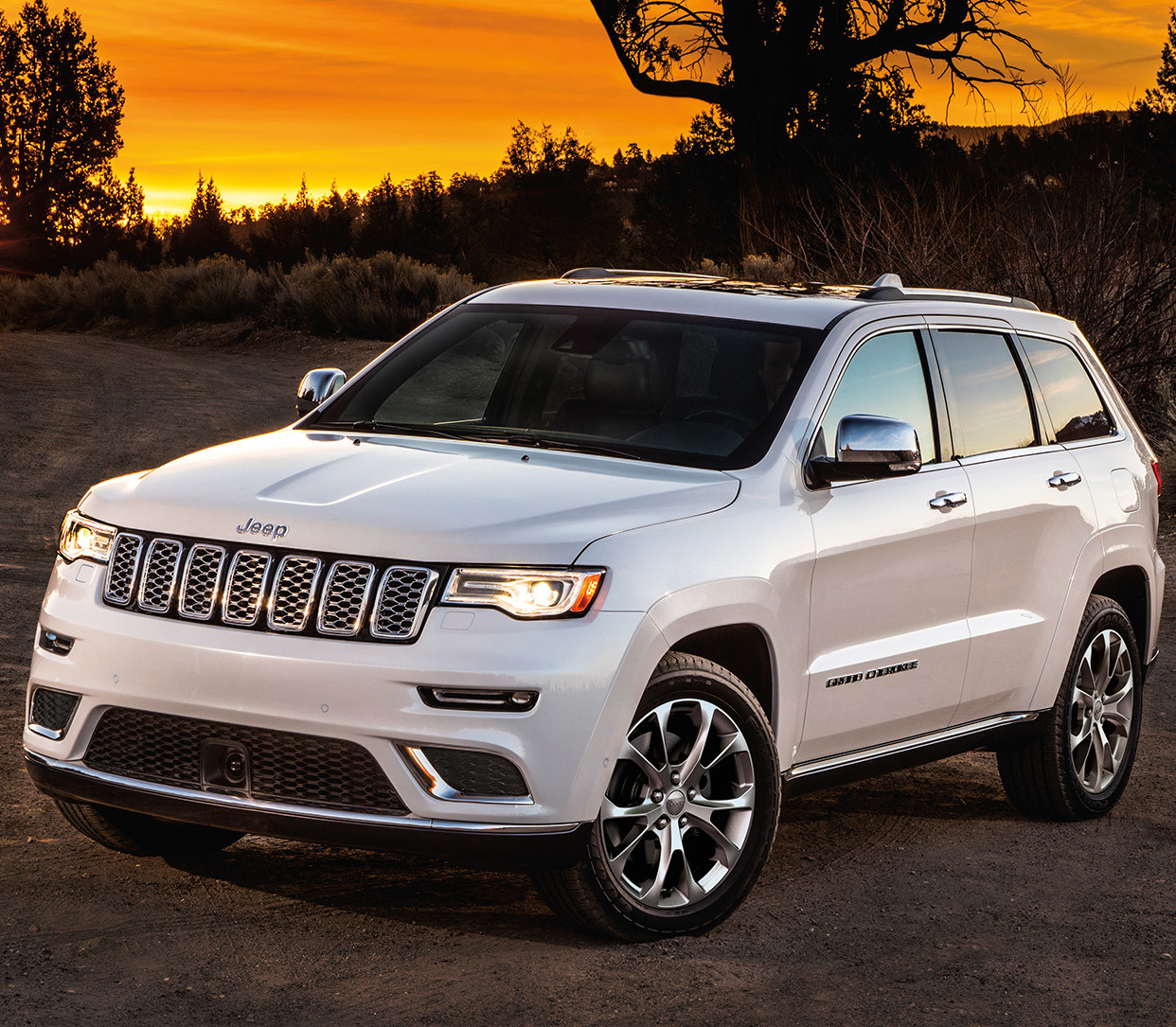
- Coil Springs: Found on most modern Jeeps, coil springs offer a good balance of ride quality and load-carrying capacity.
- Leaf Springs: Primarily used on older Jeeps and some heavy-duty applications, leaf springs provide excellent load capacity and durability.
- Air Springs: Offer adjustable ride height and load-leveling capabilities, often used in aftermarket suspension systems.
- Shocks (Dampers): Shocks control the oscillation of the springs, preventing the vehicle from bouncing excessively after hitting a bump. They convert kinetic energy into heat, which is then dissipated.
- Control Arms: Control arms connect the axle to the vehicle's frame, controlling the movement of the axle and maintaining proper alignment.
- Track Bar (Panhard Bar): The track bar prevents lateral (side-to-side) movement of the axle, ensuring it remains centered under the vehicle.
- Sway Bar (Anti-Roll Bar): The sway bar connects the left and right sides of the suspension, reducing body roll during cornering. Disconnecting sway bar links are often used for improved off-road articulation.
- Bump Stops: Bump stops prevent the suspension from bottoming out, protecting the shocks and other components from damage.
- Steering Stabilizer: Dampens vibrations and helps maintain steering control, especially when off-roading.
- Bushings: Rubber or polyurethane bushings are used at the connection points of suspension components to absorb vibrations and reduce noise.
- Lift Kits: Aftermarket kits that raise the ride height of the Jeep, allowing for larger tires and improved ground clearance. These kits often include new springs, shocks, control arms, and other necessary components.

III. Upgrading Your Jeep's Suspension: Benefits and Considerations
Upgrading your Jeep's suspension can significantly improve its on-road and off-road performance. Here are some of the key benefits:
- Improved Ride Quality: Aftermarket shocks and springs can provide a smoother, more comfortable ride, both on and off-road.
- Increased Ground Clearance: Lift kits allow for larger tires and increased ground clearance, enabling you to tackle more challenging terrain.
- Enhanced Off-Road Performance: Upgraded suspension components can improve articulation, allowing your Jeep to flex over obstacles and maintain traction.
- Greater Load Capacity: Heavier-duty springs and shocks can increase the vehicle's load-carrying capacity, making it suitable for hauling gear or towing.
- Customization: Upgrading your suspension allows you to tailor your Jeep's performance to your specific needs and preferences.
However, it's crucial to consider the following factors before upgrading your suspension:
- Budget: Suspension upgrades can range from a few hundred dollars to several thousand dollars, depending on the components you choose.
- Intended Use: Consider how you primarily use your Jeep. A mild lift kit may be sufficient for occasional off-roading, while a more aggressive system is needed for serious trail riding.
- Compatibility: Ensure that the suspension components you choose are compatible with your specific Jeep model and year.
- Installation: Suspension upgrades can be complex and may require professional installation.
- Alignment: After installing a lift kit, it's essential to have your Jeep's alignment checked and adjusted to ensure proper handling and tire wear.
IV. Maintaining Your Jeep's Suspension: Ensuring Longevity and Performance
Regular maintenance is essential for keeping your Jeep's suspension in good condition. Here are some tips:
- Inspect Suspension Components Regularly: Check for signs of wear, damage, or corrosion on springs, shocks, control arms, bushings, and other components.
- Lubricate Grease Fittings: Many suspension components have grease fittings that need to be lubricated periodically to prevent wear and corrosion.
- Replace Worn Bushings: Worn bushings can cause noise, vibration, and poor handling. Replace them as needed.
- Check Shock Absorbers: Leaking or worn shock absorbers should be replaced to maintain proper damping and ride quality.
- Torque Suspension Components to Specification: Ensure that all suspension components are torqued to the manufacturer's specifications.
- Get Regular Alignments: Proper alignment is crucial for maintaining tire wear and handling. Get your Jeep aligned after any suspension work or if you notice uneven tire wear.
V. Troubleshooting Common Suspension Issues
Here are some common suspension problems and potential solutions:
- Bouncing or Floating Ride: Worn shock absorbers or weak springs. Replace the shocks or springs.
- Clunking or Squeaking Noises: Worn bushings, loose bolts, or damaged components. Inspect and replace worn parts, and tighten loose bolts.
- Uneven Tire Wear: Misalignment, worn suspension components, or improper tire inflation. Get an alignment, replace worn parts, and maintain proper tire pressure.
- Vibration at High Speeds: Out-of-balance tires, bent wheels, or worn suspension components. Balance the tires, replace bent wheels, and inspect and replace worn parts.
- Poor Handling: Worn suspension components, misalignment, or improper tire pressure. Replace worn parts, get an alignment, and maintain proper tire pressure.
VI. Price table of Jeep Suspension Parts
| Part | Description | Price Range (USD) | Notes |
|---|---|---|---|
| Coil Springs | Front or Rear, Standard Replacement | $80 - $200 (each) | Price varies by Jeep model and spring rate. Performance springs will be higher. |
| Leaf Springs | Front or Rear, Standard Replacement | $150 - $400 (each) | Common on older Jeeps. Heavy-duty options available for increased load capacity. |
| Shock Absorbers | Standard Replacement | $50 - $150 (each) | Price varies by brand and type (e.g., hydraulic, gas-charged). Performance shocks like Bilstein or Fox will be more expensive. |
| Control Arms | Upper or Lower, Front or Rear | $75 - $250 (each) | Price varies by Jeep model and material (e.g., stamped steel, tubular steel). Adjustable control arms are more expensive. |
| Track Bar | Front or Rear | $100 - $300 | Adjustable track bars are recommended for lifted Jeeps to center the axle. |
| Sway Bar Links | Front or Rear | $30 - $100 (pair) | Quick disconnects for off-roading can be more expensive. |
| Sway Bar | Front or Rear | $150 - $400 | Heavier duty sway bars can improve handling. |
| Bump Stops | Front or Rear | $20 - $50 (pair) | Hydraulic bump stops are a high-end option for extreme off-roading. |
| Steering Stabilizer | Standard Replacement | $50 - $150 | Dual steering stabilizers are used for Jeeps with larger tires. |
| Bushings | Control Arm, Track Bar, Sway Bar | $5 - $20 (each) | Polyurethane bushings are more durable than rubber bushings but can transmit more vibration. |
| Lift Kit (Complete) | 2-3 inch lift, basic | $500 - $1500 | Includes springs, shocks, and possibly sway bar links. |
| Lift Kit (Complete) | 3.5+ inch lift, more comprehensive | $1500 - $5000+ | Includes springs, shocks, control arms, track bars, brake line extensions, and other necessary components. Price depends on brand and complexity. |
| Alignment | $80 - $200 | Crucial after any suspension work. | |
| Labor (Installation) | Suspension Components (per hour) | $80 - $150 | Labor rates vary by shop. Complex installations like lift kits will take longer. |
Disclaimer: Prices are estimates and can vary significantly based on brand, quality, retailer, and location. It's always best to get a quote from a reputable mechanic or parts supplier.
VII. Frequently Asked Questions (FAQ)
- Q: What is the difference between a shock and a strut?
- A: Shocks are damping devices that control spring oscillation. Struts combine the functions of a shock absorber and a structural support, typically found in independent suspension systems. Jeeps primarily use shocks.
- Q: How often should I replace my shocks?
- A: Shocks typically last between 50,000 and 100,000 miles, depending on driving conditions. Look for signs of wear, such as leaking fluid, excessive bouncing, or poor handling.
- Q: What is the best type of suspension lift for my Jeep?
- A: The best lift kit depends on your intended use and budget. A budget boost (coil spacers) is a simple and inexpensive way to add a small amount of lift. Suspension lifts that include new springs and shocks provide better ride quality and performance. Long arm kits offer the best articulation and off-road performance but are more expensive and complex to install.
- Q: Do I need to replace my control arms when I lift my Jeep?
- A: It depends on the amount of lift. Lifts over 3 inches typically require longer or adjustable control arms to maintain proper geometry and prevent binding.
- Q: Can I install a lift kit myself?
- A: While some simple lift kits can be installed by experienced DIYers, more complex kits are best left to professionals. Suspension work can be dangerous, and improper installation can lead to serious handling problems.
- Q: What is the importance of a steering stabilizer?
- A: A steering stabilizer dampens vibrations in the steering system, helping to maintain control, especially on rough terrain or with larger tires.
Conclusion:
Understanding Jeep suspension parts is crucial for maintaining the performance, safety, and enjoyment of your vehicle. Whether you're seeking to enhance your off-road capabilities, improve ride quality, or simply keep your Jeep running smoothly, investing in quality suspension components and regular maintenance is a worthwhile endeavor. By carefully considering your needs, budget, and intended use, you can choose the right suspension parts to create a Jeep that is perfectly suited for your adventures. Remember to consult with experienced professionals when making significant changes to your suspension system. Ultimately, a well-maintained and properly upgraded suspension will unlock the full potential of your Jeep, allowing you to confidently tackle any challenge the road (or trail) throws your way.

0 comments