Introduction: The Soul of Your TJ – Preserving and Enhancing Its Body
The Jeep TJ, produced from 1997 to 2006, holds a special place in the hearts of off-road enthusiasts. Its robust design, coil-spring suspension, and iconic Jeep styling make it a highly sought-after platform for both daily driving and serious trail adventures. However, years of sun exposure, rust, dings, and the occasional encounter with a tree or rock can take their toll on the TJ's body. That's where understanding Jeep TJ body parts becomes crucial. Whether you're embarking on a complete restoration, repairing accident damage, or simply customizing your TJ for a unique look, knowing the available options, their benefits, and the challenges involved is essential for a successful project. This comprehensive guide will walk you through everything you need to know about Jeep TJ body parts, from identifying them to installation and maintenance.
Jeep TJ Body Parts: A Comprehensive Guide to Restoration, Repair, and Customization
Section 1: Identifying Key Jeep TJ Body Parts
The TJ's body is comprised of several key components, each serving a specific purpose and contributing to the vehicle's overall structure and aesthetics. Understanding these parts is the first step in any restoration or repair project.
- Fenders: These are arguably the most vulnerable body parts, often bearing the brunt of off-road mishaps. Front fenders are generally bolt-on, while rear fenders can be part of the tub or separate, depending on the model and aftermarket options.
- Hood: Protecting the engine bay, the hood is another frequently replaced item, either due to damage or for aesthetic upgrades like cowl induction hoods.
- Grille: The iconic Jeep grille, with its vertical slots, is a defining feature of the TJ. Grilles can be easily damaged or replaced for a custom look.
- Windshield Frame: Prone to rust, especially along the bottom edge, the windshield frame is a common replacement item.
- Tub (Body): The main body of the Jeep, encompassing the floor pans, side panels, and rear. Tub replacements are a significant undertaking, typically reserved for severely rusted or damaged vehicles.
- Doors: Full steel doors, half doors (steel or fabric), and doorless operation are all options for the TJ. Door hinges and latches are also common replacement parts.
- Rocker Panels: Located beneath the doors, rocker panels are particularly susceptible to damage from rocks and trail obstacles.
- Tailgate: The TJ features a swing-out tailgate, which can be prone to rust and damage.
- Corner Guards: These protect the rear corners of the tub from damage.
- Body Mounts: These rubber or polyurethane cushions isolate the body from the frame, reducing vibration and noise. They often deteriorate over time.
- Floor Pans: Subjected to rust and damage from moisture and off-road debris.


Section 2: Reasons for Replacing Jeep TJ Body Parts
Several factors can necessitate replacing or repairing body parts on your Jeep TJ:
- Rust: This is the most common enemy of the TJ, especially in regions with harsh winters and salted roads. Rust can weaken structural components and compromise the vehicle's appearance.
- Accident Damage: Collisions, whether on-road or off-road, can result in dents, bends, and even structural damage to body panels.
- Off-Road Damage: Rock crawling and trail riding can lead to dents, scratches, and damage to fenders, rocker panels, and other vulnerable areas.
- Customization: Many Jeep owners choose to replace body parts for aesthetic reasons, such as installing aftermarket fenders, hoods, or grilles to create a unique look.
- Restoration: Restoring a classic TJ often involves replacing rusted or damaged body panels to bring the vehicle back to its original glory.
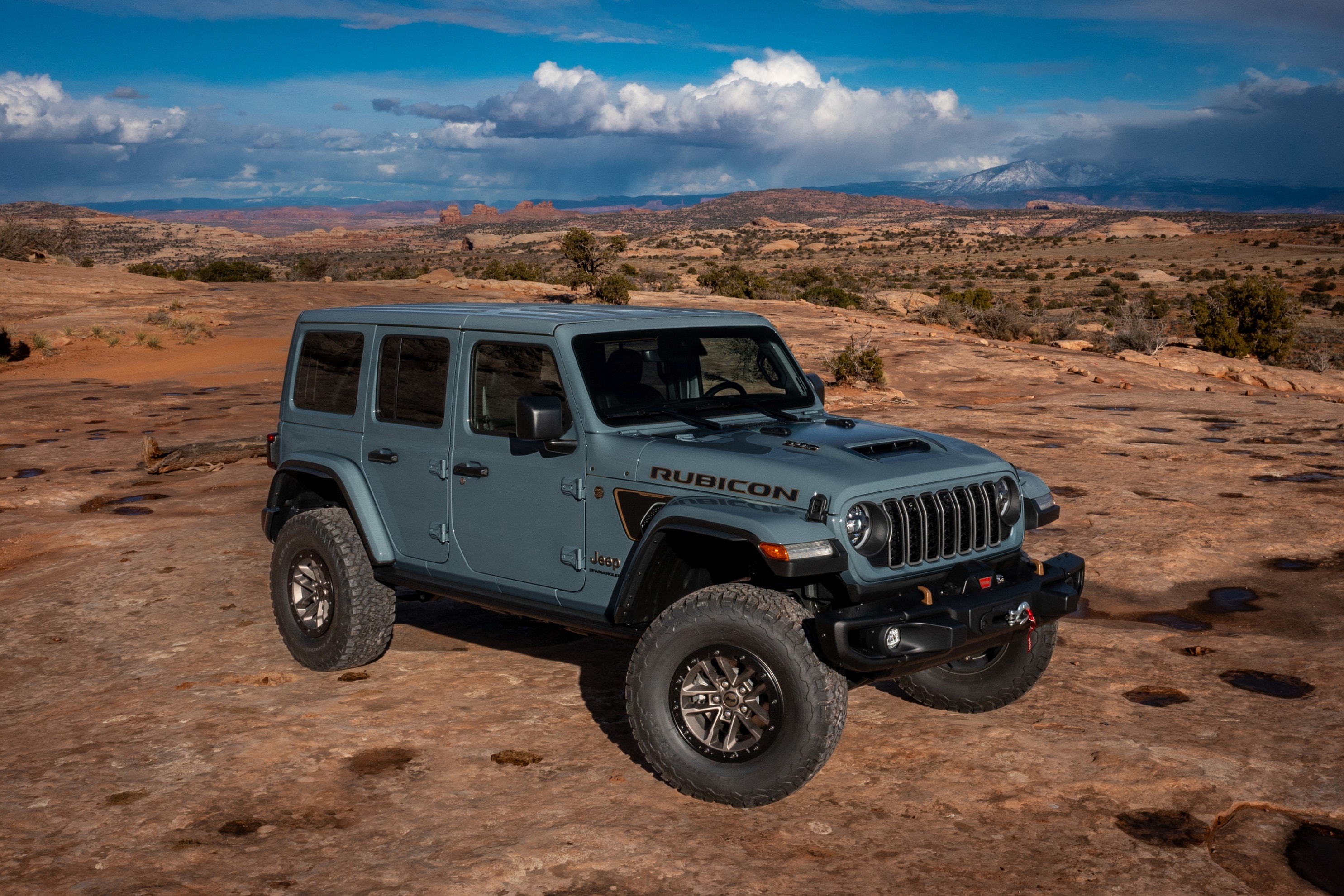
Section 3: Types of Jeep TJ Body Parts: OEM vs. Aftermarket
When it comes to replacing body parts, you have two main options: Original Equipment Manufacturer (OEM) parts and aftermarket parts.
- OEM Parts: These are manufactured by or for Jeep and are designed to be direct replacements for the original parts. They offer the best fit and finish but are typically more expensive.
- Aftermarket Parts: These are manufactured by third-party companies and can offer a wider range of options, including different styles, materials, and price points. Aftermarket parts can be more affordable than OEM parts, but the quality and fit can vary.
Section 4: Materials Used in Jeep TJ Body Parts
Understanding the materials used in body parts is important for choosing the right replacement.
- Steel: The most common material for body panels, steel offers strength and durability. However, it is susceptible to rust.
- Aluminum: Lighter than steel and rust-resistant, aluminum is used in some aftermarket body panels, such as hoods and fenders.
- Fiberglass: A lightweight and relatively inexpensive material, fiberglass is often used for aftermarket fenders, hoods, and body kits. However, it is more prone to cracking than steel or aluminum.
- Plastic: Used for some trim pieces and fender flares.
Section 5: Considerations Before Replacing Body Parts
Before you start replacing body parts, consider the following:
- Budget: Determine how much you're willing to spend on parts and labor. OEM parts are generally more expensive than aftermarket parts.
- Skill Level: Assess your own mechanical skills. Some body part replacements, such as fender swaps, are relatively straightforward, while others, such as tub replacements, are more complex and may require professional assistance.
- Tools: Make sure you have the necessary tools for the job. This may include wrenches, sockets, screwdrivers, a hammer, a dolly, a welder (for some repairs), and a paint sprayer.
- Safety: Always wear appropriate safety gear, such as safety glasses, gloves, and a respirator, when working on your vehicle.
- Fitment: Check the fitment of aftermarket parts before you start the installation process. Some aftermarket parts may require modifications to fit properly.
- Paint: If you're replacing painted body panels, you'll need to match the paint to the rest of the vehicle. This may require professional paint matching and application.
Section 6: How-To: Replacing a Jeep TJ Fender (Simplified)
This is a simplified guide; always consult a repair manual for your specific model year.
- Disconnect the battery: Safety first!
- Remove the inner fender liner: Usually held in place with screws or clips.
- Disconnect any wiring: Headlights, turn signals, etc.
- Unbolt the fender: Locate the bolts holding the fender to the body and carefully remove them.
- Remove the old fender: Carefully lift the fender off the vehicle.
- Install the new fender: Align the new fender with the mounting holes and bolt it into place.
- Reconnect the wiring: Reconnect any wiring that you disconnected earlier.
- Reinstall the inner fender liner: Secure the inner fender liner with screws or clips.
- Test the lights: Make sure all lights are working properly.
Section 7: Common Challenges and Solutions
- Rust Removal: Removing rust can be a time-consuming and challenging process. Use a wire brush, sandpaper, or a chemical rust remover to remove rust.
- Welding: Welding can be required for some body repairs, such as patching rust holes or repairing damaged rocker panels. If you're not comfortable welding, it's best to take your vehicle to a professional.
- Paint Matching: Matching the paint to the rest of the vehicle can be difficult. Take a sample of the paint to an automotive paint store to have it matched.
- Fitment Issues: Aftermarket parts may not always fit perfectly. Be prepared to make modifications to ensure a proper fit.
Section 8: Customization Options for Jeep TJ Body Parts
The Jeep TJ offers a wide range of customization options for body parts.
- Aftermarket Fenders: Tube fenders, flat fenders, and high-clearance fenders can improve off-road performance and give your TJ a more aggressive look.
- Cowl Induction Hoods: These hoods add a sporty touch and can improve engine cooling.
- Rock Sliders: These protect the rocker panels from damage.
- Corner Guards: These protect the rear corners of the tub.
- Steel Bumpers: Offer improved protection and a more rugged look.
- Custom Paint Jobs: A custom paint job can make your TJ stand out from the crowd.
Section 9: Maintaining Your Jeep TJ Body
Proper maintenance can help prevent rust and prolong the life of your Jeep TJ's body.
- Wash and Wax Regularly: Wash your TJ regularly to remove dirt, salt, and other contaminants. Apply wax to protect the paint.
- Inspect for Rust: Regularly inspect your TJ for rust, especially in areas prone to corrosion, such as the floor pans, rocker panels, and windshield frame.
- Touch Up Paint Chips: Repair paint chips promptly to prevent rust from forming.
- Apply Rust Inhibitor: Apply a rust inhibitor to vulnerable areas.
- Address Minor Damage Promptly: Repair dents and scratches promptly to prevent rust from forming.
Section 10: Table Price of Jeep Tj Body Parts
| Part | OEM Price (Approximate) | Aftermarket Price (Approximate) | Notes |
|---|---|---|---|
| Front Fender (Each) | $300 - $500 | $150 - $400 | Price varies based on style (stock, tube, flat) |
| Hood | $400 - $700 | $250 - $600 | Price varies based on material and style (cowl, stock) |
| Grille | $200 - $400 | $100 - $300 | Price varies based on material (plastic, metal) |
| Windshield Frame | $350 - $600 | $200 - $500 | Price varies based on features (defroster vents) |
| Tub (Bare) | $2,500 - $4,000 | $1,500 - $3,500 | Significant project, price varies based on material and condition |
| Door (Full Steel, Each) | $500 - $800 | $300 - $700 | Price varies based on condition (new, used) |
| Rocker Panel (Each) | $150 - $300 | $80 - $250 | Price varies based on material (steel, aluminum) and thickness |
| Tailgate | $300 - $500 | $150 - $400 | Price varies based on condition and features (spare tire carrier) |
| Corner Guards (Pair) | N/A | $100 - $300 | Aftermarket only, price varies based on material and thickness |
| Body Mount Kit | $100 - $200 | $50 - $150 | Price varies based on material (rubber, polyurethane) |
| Floor Pan (Each) | $100 - $200 | $50 - $150 | Price varies based on the location (front, rear) |
Note: Prices are approximate and can vary depending on the vendor, location, and condition of the part.
Conclusion: Keeping the Legend Alive
The Jeep TJ is a vehicle that inspires passion and adventure. By understanding the various body parts, their purpose, and the challenges involved in restoration and customization, you can ensure that your TJ remains a head-turner for years to come. Whether you're tackling a minor repair or a complete rebuild, the information in this guide will help you make informed decisions and achieve your goals. The effort you put into maintaining and enhancing your TJ's body is an investment in preserving a true off-road icon.
Frequently Asked Questions (FAQ)
Q: How can I tell if my Jeep TJ has rust damage?
A: Look for bubbling paint, surface rust, or holes in the body panels, especially in areas prone to corrosion like the floor pans, rocker panels, and windshield frame.
Q: Is it better to repair or replace a rusted body panel?
A: It depends on the extent of the rust damage. Minor surface rust can be repaired, but extensive rust damage may require replacing the entire panel.
Q: Can I paint my Jeep TJ myself?
A: Yes, but it requires proper preparation, equipment, and skill. If you're not experienced in painting cars, it's best to take your vehicle to a professional.
Q: Where can I find Jeep TJ body parts?
A: You can find Jeep TJ body parts at online retailers, auto parts stores, and Jeep dealerships.
Q: What is the best way to protect my Jeep TJ from rust?
A: Wash and wax your TJ regularly, inspect for rust, touch up paint chips, apply rust inhibitor, and address minor damage promptly.
0 comments