The Jeep Grand Cherokee WJ, produced from 1999 to 2004, holds a special place in the hearts of Jeep enthusiasts. Known for its blend of on-road comfort and off-road capability, the WJ offered a significant step up in refinement compared to its predecessor. However, like any vehicle of its age, the WJ requires regular maintenance and, for many owners, opens the door to exciting upgrades. Understanding Jeep WJ parts is crucial for both preserving its reliability and enhancing its performance. This comprehensive guide will delve into various aspects of WJ parts, offering practical advice, actionable insights, and answering common questions to help you keep your Grand Cherokee running smoothly and looking its best.
Introduction: The Enduring Appeal of the Jeep WJ and the Importance of Quality Parts
Jeep WJ Parts: A Comprehensive Guide to Maintaining and Upgrading Your Grand Cherokee (1999-2004)
The Jeep Grand Cherokee WJ was a game-changer. Its improved suspension, more powerful engine options (including the legendary 4.7L PowerTech V8), and more luxurious interior made it a popular choice for families and off-road adventurers alike. Even today, well-maintained WJs are highly sought after due to their affordability, capability, and relative simplicity compared to newer models.
However, age takes its toll. Original parts wear down, and the availability of high-quality replacements becomes paramount. Using substandard or incorrect parts can lead to reduced performance, increased wear and tear on other components, and potentially dangerous situations. Investing in quality Jeep WJ parts, whether for routine maintenance or performance upgrades, is essential for preserving the longevity and enjoyment of your Grand Cherokee.
Section 1: Essential Maintenance Parts for the Jeep WJ
Maintaining your WJ involves replacing wear-and-tear items regularly. Here are some of the most critical maintenance parts:
- Filters (Oil, Air, Fuel, Cabin Air): These are the lifeblood of your engine and HVAC system. Regular replacement (oil every 3,000-5,000 miles, air and fuel every 15,000-30,000 miles, cabin air yearly) ensures optimal performance and prevents damage.
- Fluids (Oil, Coolant, Transmission Fluid, Brake Fluid, Power Steering Fluid, Differential Fluid): Keeping these fluids clean and at the correct levels is crucial. Follow the manufacturer's recommended service intervals. Using the correct type of fluid (e.g., ATF+4 for the transmission) is critical.
- Brake Components (Pads, Rotors, Calipers, Brake Lines): Brakes are your primary safety system. Inspect them regularly and replace worn components immediately. Consider upgrading to slotted or drilled rotors for improved heat dissipation if you frequently tow or off-road.
- Suspension Components (Shocks, Struts, Springs, Bushings, Ball Joints, Tie Rod Ends): Worn suspension components affect handling, ride quality, and tire wear. Replace shocks and struts every 50,000-75,000 miles. Inspect bushings and ball joints for wear and tear.
- Belts and Hoses: Inspect belts and hoses for cracks, fraying, and leaks. Replace them every 50,000-75,000 miles, or sooner if necessary.
- Spark Plugs: Replace spark plugs according to the manufacturer's recommended interval (typically every 30,000-100,000 miles, depending on the type of plug).
Practical Advice:

- Keep a maintenance log: Track when you performed maintenance and what parts you used. This will help you stay on top of your vehicle's needs.
- Buy in bulk: Consider purchasing filters and fluids in bulk to save money in the long run.
- Inspect regularly: Visually inspect your vehicle regularly for signs of wear and tear. This can help you catch problems early before they become major issues.
Section 2: Upgrading Your Jeep WJ for Enhanced Performance and Capability
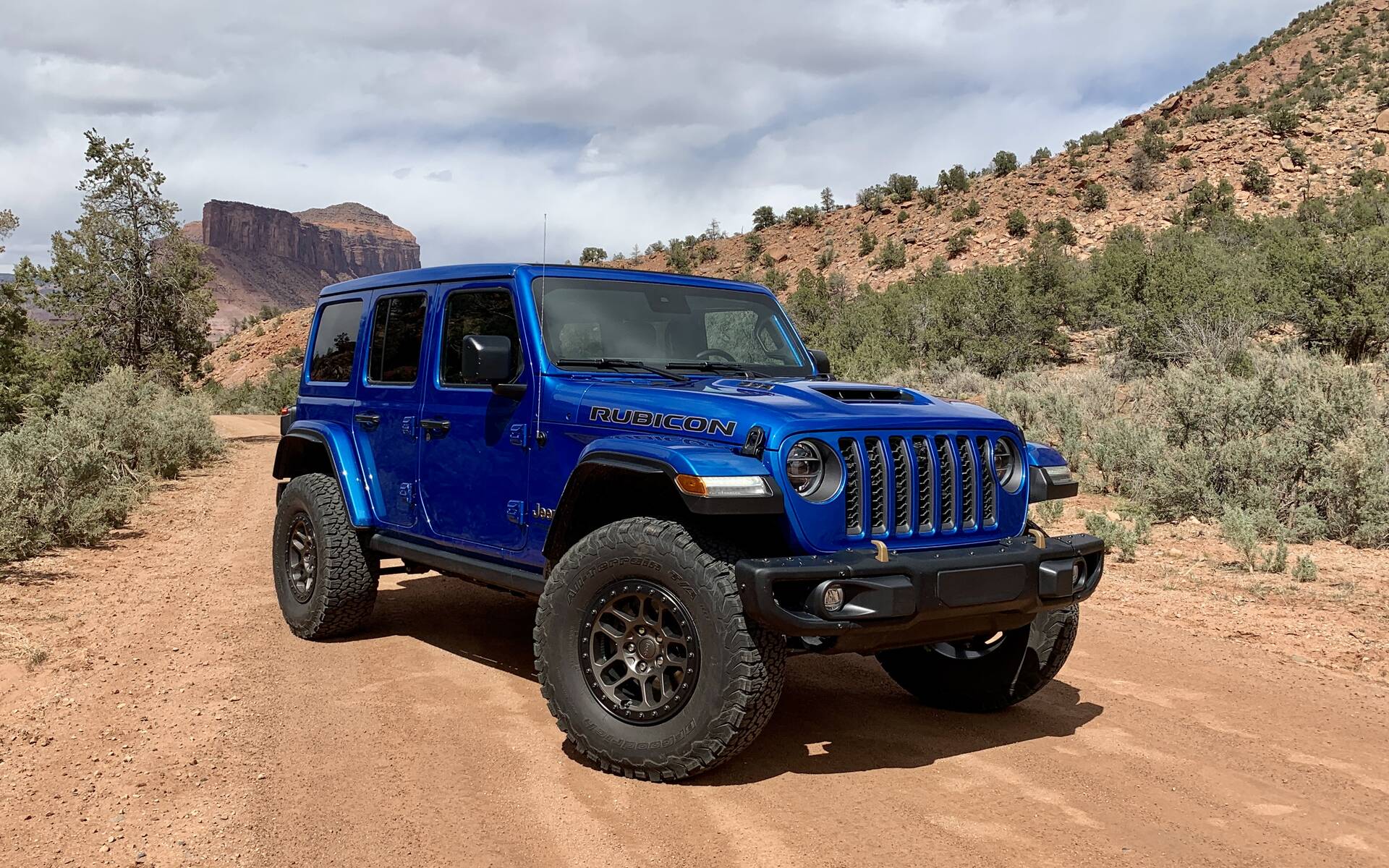
The WJ offers a fantastic platform for upgrades. Here are some popular modifications:
- Lift Kits: Lifting your WJ allows you to install larger tires for increased ground clearance and improved off-road performance. Options range from budget-friendly 2-inch spacer lifts to more elaborate long-arm suspension systems.
- Tires: Choosing the right tires is crucial for both on-road and off-road performance. Consider all-terrain tires for a good balance of both, or mud-terrain tires for more aggressive off-roading.
- Bumpers and Armor: Replacing the stock bumpers with aftermarket steel bumpers provides increased protection and improved approach and departure angles for off-roading. Rock sliders protect the rocker panels from damage.
- Lighting: Upgrading to LED headlights, fog lights, and auxiliary lights improves visibility and safety, especially during nighttime off-roading.
- Engine Performance Upgrades: Options include cold air intakes, performance exhaust systems, and ECU tuning for increased horsepower and torque.
- Axle Upgrades: For serious off-roading, upgrading the axles with stronger components (e.g., chromoly axle shafts, stronger differential carriers) is essential.
Important Considerations:
- Budget: Upgrades can be expensive. Set a budget and prioritize the modifications that are most important to you.
- Intended Use: Consider how you primarily use your WJ. If you mostly drive on the road, focus on upgrades that improve on-road performance and comfort. If you frequently off-road, prioritize upgrades that enhance off-road capability and protection.
- Compatibility: Ensure that the parts you choose are compatible with your specific WJ model and year.
- Installation: Some upgrades are relatively easy to install yourself, while others require professional installation. Consider your skill level and the complexity of the job.
Section 3: Locating and Selecting Quality Jeep WJ Parts
Finding the right parts for your WJ can be challenging, especially with the proliferation of online retailers. Here are some tips for sourcing quality components:
- Reputable Brands: Stick to well-known and reputable brands known for producing high-quality Jeep parts. Research brands and read reviews before making a purchase.
- Online Retailers: Several online retailers specialize in Jeep parts. Compare prices and read reviews before ordering. Ensure the retailer has a good return policy.
- Local Auto Parts Stores: Local auto parts stores are a good option for common maintenance items like filters, fluids, and brake pads.
- Jeep Dealerships: Jeep dealerships can provide genuine Mopar parts, but they are often more expensive than aftermarket options.
- Salvage Yards: Salvage yards can be a good source for used parts, but inspect the parts carefully before purchasing.
- Jeep Forums and Clubs: Jeep forums and clubs are a great resource for finding information about parts and vendors.
Tips:
- Use your VIN: When ordering parts online, use your vehicle identification number (VIN) to ensure you are getting the correct parts for your specific WJ model.
- Read reviews: Read reviews of parts and vendors before making a purchase.
- Compare prices: Shop around and compare prices from different vendors.
- Check the warranty: Ensure that the parts you purchase are covered by a warranty.
Section 4: Addressing Common WJ Issues and Their Corresponding Parts
The Jeep WJ is known for a few common issues. Knowing these issues and the corresponding parts needed for repair can save you time and money.
- Blend Door Actuator Failure: This is a common problem that causes issues with the HVAC system. Replacing the blend door actuator is usually the solution.
- Front Differential Issues (Vari-Lok): The Vari-Lok front differential can be prone to failure. Consider a rebuild kit or replacing it with a standard open differential.
- Overheating: Check the radiator, water pump, thermostat, and cooling fan clutch. Replacing these components may be necessary.
- Sagging Suspension: Worn springs can cause the suspension to sag. Replacing the springs or installing a lift kit can address this issue.
- Rust: Rust is a common problem on older vehicles. Repairing rusted areas and applying rust preventative measures is important. Body panels, floor pans, and rocker panels are common areas for rust.
Section 5: Troubleshooting and Diagnosing Part Failures
Before replacing a part, it's important to properly diagnose the problem. Here are some tips:
- Use a scan tool: A scan tool can read diagnostic trouble codes (DTCs) and help you identify the source of the problem.
- Consult a repair manual: A repair manual provides detailed information about the vehicle's systems and components.
- Use a multimeter: A multimeter can be used to test electrical circuits and components.
- Visually inspect the components: Look for signs of wear, damage, or leaks.
- Listen for unusual noises: Listen for unusual noises coming from the engine, transmission, or other components.
Potential Challenges and Solutions:
- Finding obsolete parts: Some WJ parts are becoming increasingly difficult to find. Consider aftermarket options or searching salvage yards.
- Incorrect diagnosis: Misdiagnosing the problem can lead to replacing the wrong parts. Seek professional help if you are unsure.
- Poor quality parts: Using low-quality parts can lead to premature failure. Stick to reputable brands.
- Installation difficulties: Some repairs can be challenging to perform yourself. Consider seeking professional help if you are not comfortable with the job.
Jeep WJ Parts Price Table
| Part Name | Brand | Price (USD) | Notes |
|---|---|---|---|
| Oil Filter (Mopar) | Mopar | $8 - $15 | Recommended for stock engines |
| Air Filter (K&N) | K&N | $40 - $60 | Reusable, improves airflow |
| Brake Pads (Front, Ceramic) | Power Stop | $50 - $80 | Low dust, good stopping power |
| Brake Rotors (Front, Slotted) | EBC Brakes | $100 - $150 | Improved heat dissipation |
| Shocks (Front, Bilstein 5100) | Bilstein | $120 - $180 | Excellent off-road performance |
| Lift Kit (2" Spacer) | Rough Country | $150 - $250 | Budget-friendly, easy to install |
| Steel Front Bumper | Smittybilt | $500 - $800 | Increased protection, winch mount |
| LED Headlights | Auxbeam | $80 - $120 | Improved visibility |
| Blend Door Actuator | Dorman | $30 - $50 | Common failure point |
| Water Pump | Gates | $50 - $80 | Essential for cooling system |
| Radiator | Mishimoto | $250 - $400 | Aluminum, improved cooling capacity |
| Spark Plugs (NGK Iridium) | NGK | $8 - $12 | Long-lasting, improved performance |
| Transmission Filter Kit (ATF+4) | Mopar | $20 - $40 | Use correct ATF+4 fluid |
| Fuel Pump | Delphi | $100 - $150 | Reliable fuel delivery |
| Ball Joint (Upper) | Moog | $40 - $60 | Durable, greaseable |
| Tie Rod End (Outer) | Mevotech | $30 - $50 | Steering component |
| Rock Sliders | JCR Offroad | $400 - $600 | Protect rocker panels |
| ECU Tuning (Custom) | DiabloSport | $400 - $600 | Requires professional tuning |
Frequently Asked Questions (FAQ)
- Q: Where can I find a parts diagram for my WJ?
- A: Online parts retailers, Jeep dealerships, and repair manuals often have parts diagrams available.
- Q: What is the best type of oil to use in my WJ?
- A: Consult your owner's manual for the recommended oil type and viscosity. Synthetic oil is generally recommended for its superior protection.
- Q: How often should I change the fluids in my WJ?
- A: Follow the manufacturer's recommended service intervals.
- Q: Can I install a lift kit myself?
- A: Depending on the complexity of the lift kit, you may be able to install it yourself. However, it is recommended to have it professionally installed if you are not comfortable working on your vehicle.
- Q: What are the benefits of upgrading to LED headlights?
- A: LED headlights provide brighter and more focused light, improving visibility and safety.
- Q: My check engine light is on. What should I do?
- A: Have the code read by a scan tool. This will help you identify the source of the problem.
- Q: How do I know if my shocks are worn out?
- A: Signs of worn shocks include a bouncy ride, excessive body roll, and poor handling.
- Q: What is the best way to prevent rust on my WJ?
- A: Regularly wash and wax your vehicle. Apply rust preventative coatings to vulnerable areas. Address any rust spots as soon as they appear.
Concluding Summary: Preserving the Legacy of the Jeep WJ
The Jeep Grand Cherokee WJ remains a capable and desirable vehicle. By understanding the importance of quality parts, performing regular maintenance, and considering strategic upgrades, you can ensure that your WJ continues to provide years of reliable performance and off-road adventures. Whether you're tackling a challenging trail or simply commuting to work, investing in the right Jeep WJ parts is an investment in the longevity and enjoyment of your Grand Cherokee. Keep it maintained, keep it upgraded, and keep it on the road (or off it!).
0 comments