Introduction: Preserving the Icon, One Panel at a Time
The Jeep Wrangler. The name conjures images of rugged trails, open-air freedom, and a vehicle built for adventure. But even the toughest machine can succumb to the elements, the trail, or the occasional fender bender. That's where Jeep Wrangler replacement body parts come in. They're the key to keeping your Jeep looking its best, maintaining its structural integrity, and ensuring it's ready for whatever challenges you throw its way. Whether you're dealing with rust, damage from off-roading, or simply want to upgrade your Jeep's appearance, understanding the world of replacement body parts is essential for any Wrangler owner. This comprehensive guide will walk you through everything you need to know, from identifying the right parts to navigating the installation process.
Jeep Wrangler Replacement Body Parts: A Comprehensive Guide
I. Why Replace Body Parts on Your Jeep Wrangler?
There are several compelling reasons to consider replacing body parts on your Jeep Wrangler:
- Damage Repair: Accidents happen. Dents, scratches, and more serious damage from collisions or off-road mishaps can compromise the appearance and potentially the safety of your vehicle. Replacement parts restore your Jeep to its original condition (or better!).
- Rust Prevention and Repair: Rust is a Wrangler's nemesis, especially in regions with harsh winters or coastal environments. Replacing rusted panels prevents further corrosion and maintains the structural integrity of the Jeep.
- Customization and Upgrades: Many owners use replacement body parts to customize their Wranglers. This could involve installing aftermarket fenders, hoods, or bumpers for a more aggressive look or improved off-road performance.
- Restoration: For classic Wranglers, replacing worn or damaged body panels is a crucial part of the restoration process, bringing these iconic vehicles back to their former glory.
- Maintaining Value: A well-maintained Jeep Wrangler holds its value remarkably well. Replacing damaged body parts helps preserve its resale value.

II. Common Jeep Wrangler Body Parts Requiring Replacement
Here's a breakdown of the most frequently replaced body parts on Jeep Wranglers:
- Fenders: Front and rear fenders are vulnerable to damage from rocks, trees, and other obstacles encountered off-road. They are also susceptible to rust in certain climates. Aftermarket fender flares are also very popular to provide extra tire coverage.
- Hoods: Hoods can be damaged in collisions or by falling debris. Aftermarket hoods often offer improved ventilation or a more aggressive style.
- Bumpers: Both front and rear bumpers are designed to absorb impact. They can be damaged in minor accidents or during off-road adventures. Upgrading to heavy-duty aftermarket bumpers is a common modification.
- Rock Sliders/Side Steps: These protect the rocker panels (the area below the doors) from damage when off-roading.
- Doors: Wrangler doors, especially the removable ones, can be prone to dents and scratches. Half doors and tube doors are popular aftermarket options.
- Grille: The iconic Jeep grille is a defining feature, but it can be damaged by impacts or simply become faded over time.
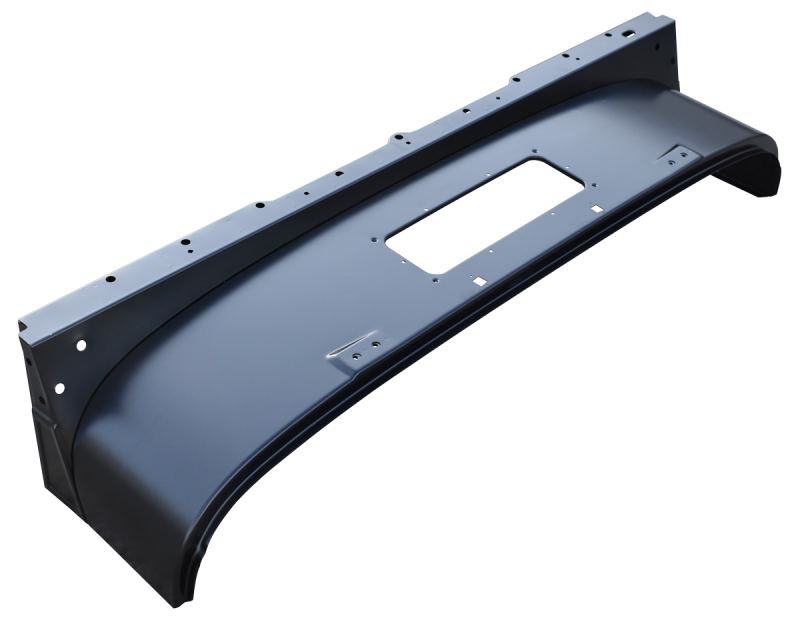
- Body Panels (Quarter Panels, Rocker Panels, etc.): These larger panels are often replaced due to rust or significant damage.
- Tailgate/Rear Gate: Tailgates can be damaged from impacts or wear and tear.

III. Types of Replacement Body Parts: OEM vs. Aftermarket
When sourcing replacement body parts, you'll encounter two main categories:
- OEM (Original Equipment Manufacturer) Parts: These are parts manufactured by or for Jeep and are identical to the parts originally installed on your vehicle.
- Pros: Guaranteed fit and finish, maintain original appearance, often higher quality.
- Cons: Generally more expensive.
- Aftermarket Parts: These are parts manufactured by third-party companies.
- Pros: Often more affordable, wider variety of styles and options, sometimes offer improved performance or durability.
- Cons: Fit and finish can vary, quality can be inconsistent, may not match the original appearance perfectly.
Choosing between OEM and aftermarket parts depends on your budget, priorities, and the specific part you need. For critical components like structural body panels, OEM parts might be the preferred choice. For cosmetic upgrades like bumpers or fender flares, aftermarket parts can be a great option.
IV. Finding the Right Replacement Body Parts
- Identify Your Jeep's Year, Make, and Model: This is crucial for ensuring proper fitment.
- Determine the Specific Part Needed: Be precise. For example, "front right fender for a 2018 Jeep Wrangler JL."
- Research Reputable Suppliers: Look for established online retailers, local auto parts stores, or Jeep specialty shops. Read reviews and check their return policies.
- Compare Prices: Prices can vary significantly between different suppliers and brands.
- Consider the Material: Body parts are typically made from steel, aluminum, or plastic. Choose the material that best suits your needs and budget.
- Check for Certifications: Some aftermarket parts are certified by organizations like CAPA (Certified Automotive Parts Association), which ensures they meet certain quality standards.
V. Installation: DIY vs. Professional
The complexity of installing replacement body parts varies greatly. Some parts, like bumpers or fender flares, can be relatively easy to install with basic tools and some mechanical knowledge. Others, like quarter panels or rocker panels, require welding, bodywork, and painting, which are best left to professionals.
DIY Installation (for simpler parts):
- Gather the Necessary Tools: Wrenches, sockets, screwdrivers, pliers, a jack, jack stands, and possibly a torque wrench.
- Consult a Repair Manual or Online Tutorial: These resources provide step-by-step instructions and diagrams.
- Disconnect the Battery: This is a safety precaution to prevent electrical shocks.
- Follow the Instructions Carefully: Pay attention to torque specifications and any specific warnings.
- Take Your Time: Rushing the job can lead to mistakes.
Professional Installation:
- Find a Reputable Body Shop: Ask for recommendations from friends or family, read online reviews, and get multiple quotes.
- Discuss the Project in Detail: Explain your expectations and any specific requirements.
- Get a Written Estimate: This should include the cost of parts and labor.
- Check the Shop's Warranty: Make sure the shop stands behind its work.
VI. Important Considerations Before Replacing Body Parts
- Rust Repair: If you're replacing a part due to rust, address the underlying cause of the rust to prevent it from recurring. This may involve cleaning, treating, and sealing the affected area.
- Paint Matching: If you're replacing a painted part, ensure the new part is painted to match your Jeep's existing color. This may require professional paint matching and blending.
- Wiring and Electrical Components: Be careful when working around wiring and electrical components. Disconnect the battery and take precautions to avoid damaging any wires.
- Safety: Always wear appropriate safety gear, such as gloves and eye protection, when working on your vehicle.
VII. Tips for Maintaining Your Jeep Wrangler's Body
- Regular Washing and Waxing: This helps protect the paint from the elements and prevents rust.
- Touch-Up Paint: Use touch-up paint to repair minor scratches and chips.
- Undercoating: Apply an undercoating to protect the undercarriage from rust and corrosion.
- Mud Flaps: Install mud flaps to protect the body from rocks and debris.
- Garage Parking: When possible, park your Jeep in a garage or carport to protect it from the elements.
VIII. Potential Challenges and Solutions
- Finding Discontinued Parts: For older Wranglers, finding certain body parts can be challenging. Check with salvage yards, online forums, and Jeep specialty shops.
- Incorrect Fitment: Always double-check the part number and description before ordering. If a part doesn't fit properly, contact the supplier for a replacement or refund.
- Rust Prevention: Proper rust prevention is essential for extending the life of your Jeep's body. Clean, treat, and seal any areas prone to rust.
- Paint Matching: Getting an exact paint match can be difficult. Consult with a professional body shop for the best results.
IX. Price Table
| Part | OEM Price (Approx.) | Aftermarket Price (Approx.) | Notes |
|---|---|---|---|
| Front Fender | $300 - $600 | $150 - $400 | Prices vary based on year, model, and material. |
| Rear Fender | $400 - $700 | $200 - $500 | Prices vary based on year, model, and material. |
| Hood | $500 - $1000 | $300 - $800 | Aftermarket hoods may offer functional vents. |
| Front Bumper | $400 - $800 | $200 - $600 | Aftermarket bumpers often more durable, with winch mounts. |
| Rear Bumper | $300 - $600 | $150 - $400 | Aftermarket bumpers often more durable. |
| Rock Sliders/Side Steps | N/A | $200 - $500 (pair) | Aftermarket only. Price depends on material and design. |
| Door (Bare) | $800 - $1500 | $500 - $1200 | Price per door, excludes hardware. |
| Grille | $200 - $400 | $100 - $300 | Prices vary based on year, model, and style. |
| Quarter Panel | $500 - $900 | $300 - $700 | Installation typically requires professional bodywork. |
| Tailgate/Rear Gate | $600 - $1200 | $400 - $1000 | Prices vary based on year and model. |
X. Frequently Asked Questions (FAQ)
- Q: How do I know if I need to replace a body part?
- A: Look for signs of damage, rust, or significant wear and tear. If a part is structurally compromised or aesthetically unappealing, it may be time to replace it.
- Q: Can I paint a replacement body part myself?
- A: Yes, but achieving a professional-quality finish requires experience and the right equipment. Consider having it professionally painted for the best results.
- Q: Are aftermarket body parts as good as OEM parts?
- A: Quality can vary. Research the brand and read reviews before purchasing. Some aftermarket parts are better than others.
- Q: How much does it cost to have a body part professionally installed?
- A: Labor costs vary depending on the complexity of the job and the hourly rate of the body shop. Get multiple quotes before proceeding.
- Q: Where can I find used Jeep Wrangler body parts?
- A: Salvage yards and online marketplaces like eBay are good sources for used parts. Be sure to inspect the parts carefully before purchasing.
- Q: What tools do I need to replace a Jeep Wrangler fender?
- A: Typically, you'll need a socket set, wrench set, screwdriver set, and possibly a torque wrench. Consult a repair manual for specific tool requirements.
Conclusion: Keeping the Legend Alive
Replacing body parts on your Jeep Wrangler is an investment in its appearance, performance, and longevity. By understanding the different types of parts available, sourcing them from reputable suppliers, and choosing the right installation method, you can keep your Jeep looking its best and ready for any adventure. Whether you're restoring a classic, repairing damage, or customizing your ride, replacement body parts are essential for preserving the Jeep Wrangler legend.

0 comments