The Jeep YJ, produced from 1987 to 1995, holds a special place in the hearts of off-road enthusiasts. Its boxy design, iconic square headlights, and rugged simplicity make it a classic canvas for customization. But to truly unlock its off-road prowess, upgrading with specific parts is essential. This comprehensive guide explores the world of Jeep YJ off-road parts, covering everything from essential modifications to advanced upgrades, helping you transform your YJ into a capable trail machine.
Why Upgrade Your Jeep YJ for Off-Roading?
Jeep YJ Off-Road Parts: Unleashing the Wrangler's Potential
The stock Jeep YJ, while decent, has limitations when tackling challenging terrain. Upgrading with off-road parts addresses these shortcomings, offering:
- Increased Ground Clearance: Allows you to navigate obstacles without scraping the undercarriage.
- Improved Traction: Provides better grip on loose surfaces like mud, sand, and rocks.
- Enhanced Suspension: Absorbs bumps and impacts, providing a smoother and more controlled ride.
- Greater Durability: Protects vulnerable components from damage.
- Enhanced Safety: Improves control and stability in difficult conditions.

Essential Jeep YJ Off-Road Parts: A Step-by-Step Guide
This section breaks down the essential upgrades, offering practical advice and considerations for each.
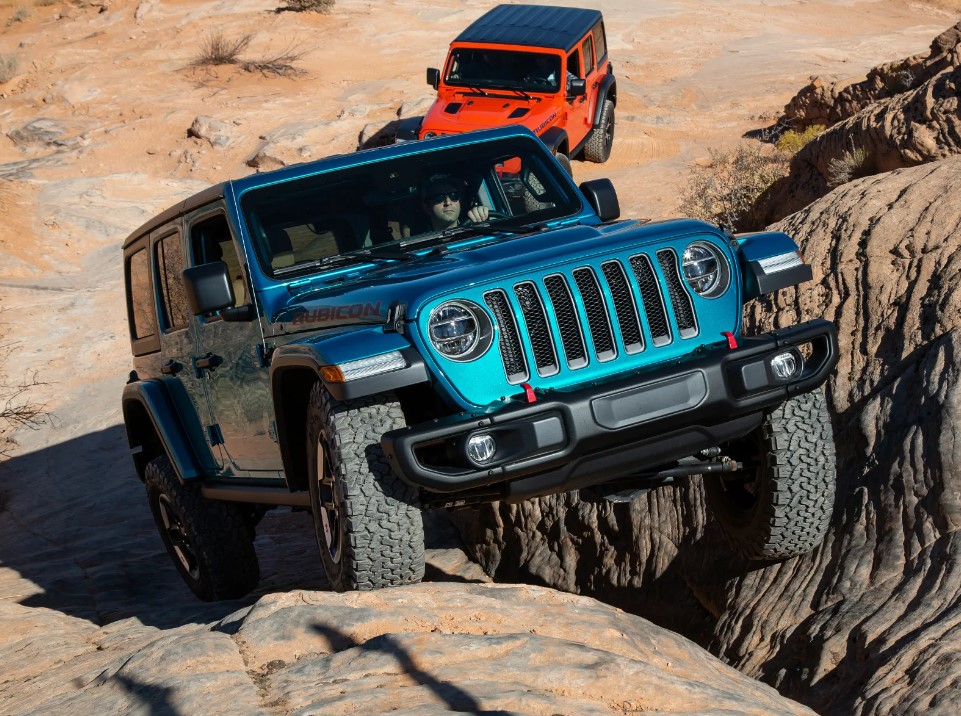
1. Suspension Lift Kits:
- What They Are: Suspension lift kits raise the vehicle's body and frame, increasing ground clearance and allowing for larger tires.
- Types:
- Budget Boost (Coil Spacers/Shackle Lifts): The most affordable option, providing a small lift (1-2 inches) without significantly altering suspension geometry. Suitable for mild off-roading.
- Leaf Spring Lifts: Replace the stock leaf springs with longer, more flexible ones. Offer a wider range of lift heights (2.5-6 inches) and improved articulation.
- Long Arm Kits: The most advanced (and expensive) option. Replace the stock control arms with longer ones, improving articulation and ride quality. Suitable for extreme off-roading.
- How-To Considerations:
- Lift Height: Consider the type of terrain you'll be tackling. A 2.5-inch lift is a good starting point for general off-roading, while a 4-6 inch lift is better for more challenging trails.
- Tire Size: Choose tires that are proportional to the lift height. A 2.5-inch lift typically allows for 31-inch tires, while a 4-6 inch lift can accommodate 33-35 inch tires.
- Driveline Angles: Lifting a YJ can alter driveline angles, potentially causing vibrations. Consider installing a transfer case drop kit or a slip yoke eliminator (SYE) kit to correct these angles.
- Installation: Suspension lift kits can be installed at home with the proper tools and mechanical knowledge. However, professional installation is recommended for more complex kits.
- Potential Challenges:
- "Death Wobble": A dangerous vibration that can occur at highway speeds after lifting a YJ. Proper alignment and steering component upgrades are crucial to prevent this.
- Increased Body Roll: Lifting a YJ can increase body roll during cornering. Sway bar disconnects can improve off-road articulation but should be reconnected for on-road driving.
2. Tires:
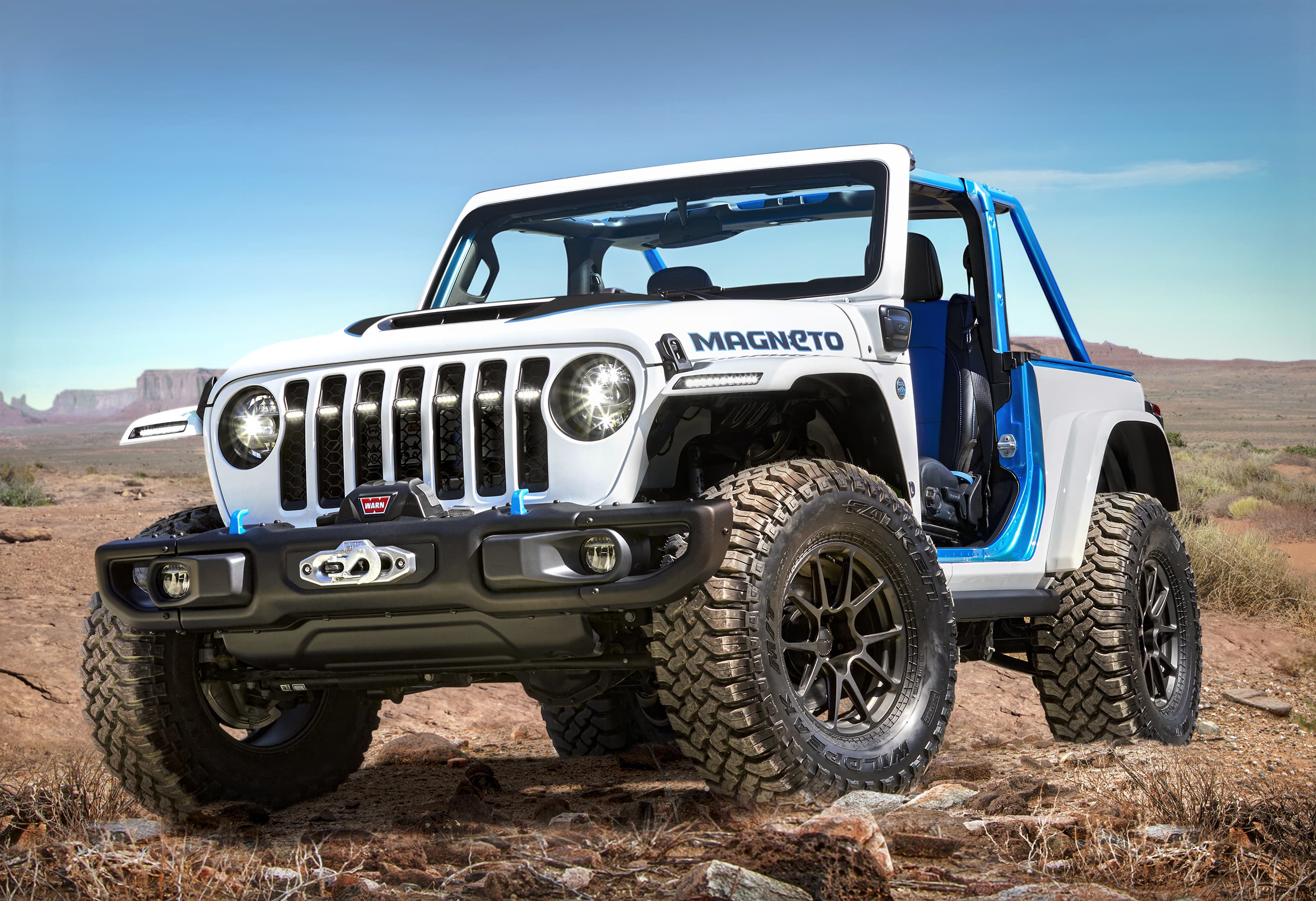
- What They Are: Off-road tires provide superior traction and durability compared to stock tires.
- Types:
- All-Terrain (AT): A good compromise between on-road comfort and off-road capability. Suitable for general off-roading and daily driving.
- Mud-Terrain (MT): Designed for maximum traction in mud and other soft terrains. More aggressive tread pattern and stronger sidewalls. Can be noisier on the road.
- Rock Crawling Tires: Specialized tires with extreme tread patterns and durable sidewalls for tackling rocks.
- How-To Considerations:
- Tire Size: Choose a tire size that is appropriate for your lift height and wheel well clearance.
- Tread Pattern: Consider the type of terrain you'll be encountering most often.
- Load Rating: Ensure the tires have a load rating that is sufficient for the weight of your YJ.
- Potential Challenges:
- Rubbing: Larger tires may rub against the fenders or suspension components. Trimming the fenders or installing wheel spacers can alleviate this.
- Reduced Fuel Economy: Off-road tires can reduce fuel economy due to their heavier weight and increased rolling resistance.
3. Bumpers and Armor:
- What They Are: Aftermarket bumpers and armor provide increased protection for the YJ's body and vital components.
- Types:
- Front Bumpers: Offer increased protection for the front of the vehicle and often include features like winch mounts and D-ring shackle mounts.
- Rear Bumpers: Protect the rear of the vehicle and may include a tire carrier.
- Rock Sliders: Protect the rocker panels from damage when navigating rocks.
- Skid Plates: Protect the engine, transmission, transfer case, and fuel tank from impacts.
- How-To Considerations:
- Material: Steel bumpers and armor are more durable than aluminum ones.
- Features: Consider features like winch mounts, D-ring shackle mounts, and tire carriers.
- Installation: Some bumpers and armor can be installed at home, while others require professional installation.
- Potential Challenges:
- Weight: Steel bumpers and armor can add significant weight to the YJ. Consider upgrading the suspension to compensate for the added weight.
- Cost: Aftermarket bumpers and armor can be expensive.
4. Winches:
- What They Are: Winches are essential for self-recovery when stuck in mud, sand, or other challenging terrain.
- Types:
- Electric Winches: The most common type of winch. Powered by the vehicle's battery.
- Hydraulic Winches: More powerful than electric winches, but require a hydraulic pump.
- How-To Considerations:
- Capacity: Choose a winch with a capacity that is at least 1.5 times the weight of your YJ.
- Rope Type: Synthetic rope is lighter and stronger than steel cable.
- Installation: Winches typically require a winch mount.
- Potential Challenges:
- Battery Drain: Electric winches can drain the vehicle's battery quickly. Consider upgrading the battery and alternator.
- Proper Use: Learn how to use a winch safely and effectively.
5. Lighting:
- What They Are: Upgraded lighting improves visibility on the trail, especially at night.
- Types:
- LED Light Bars: Provide a wide beam of light for illuminating the trail ahead.
- Spotlights: Focus a narrow beam of light on a specific area.
- Rock Lights: Illuminate the undercarriage of the vehicle, making it easier to see obstacles.
- How-To Considerations:
- Brightness: Choose lights with a brightness that is appropriate for your needs.
- Beam Pattern: Consider the beam pattern of the lights.
- Installation: LED lights are typically easy to install.
- Potential Challenges:
- Wiring: Ensure the lights are wired correctly to avoid electrical problems.
- Legality: Check local laws regarding the use of auxiliary lights.
Price Table for Jeep YJ Off-Road Parts
| Part Category | Item Description | Estimated Price Range | Notes |
|---|---|---|---|
| Suspension | 2.5" Lift Kit (Leaf Springs) | $500 - $1,200 | Includes leaf springs, shocks, and necessary hardware. |
| 4" Lift Kit (Leaf Springs) | $700 - $1,500 | Includes leaf springs, shocks, and necessary hardware. | |
| Long Arm Kit | $2,000 - $4,000+ | Requires professional installation. | |
| Tires | 31" All-Terrain Tires (Set of 4) | $600 - $1,000 | Price varies based on brand and model. |
| 33" Mud-Terrain Tires (Set of 4) | $800 - $1,400 | Price varies based on brand and model. | |
| Bumpers | Front Bumper (Steel) | $300 - $800 | With winch mount. |
| Rear Bumper (Steel) | $250 - $700 | With tire carrier adds to the price. | |
| Armor | Rock Sliders (Pair) | $200 - $500 | |
| Skid Plates (Full Set) | $300 - $700 | ||
| Winch | 9,500 lb Electric Winch | $300 - $700 | |
| 12,000 lb Electric Winch | $400 - $900 | ||
| Lighting | LED Light Bar (20") | $50 - $200 | |
| LED Rock Lights (Set of 4) | $30 - $100 | ||
| Axle & Drivetrain | Re-gearing (Front & Rear) | $800 - $1,500 | Necessary for larger tires. Includes parts and labor. |
| Slip Yoke Eliminator (SYE) | $200 - $400 |
Note: Prices are estimates and may vary based on brand, retailer, and location.
Frequently Asked Questions (FAQ)
- Q: What's the best lift kit for my YJ?
- A: It depends on your budget and intended use. A budget boost is fine for mild off-roading, while a leaf spring lift is better for more challenging trails. Long arm kits are for extreme off-roading.
- Q: What size tires can I fit on my YJ without a lift?
- A: You can typically fit 30-inch tires on a stock YJ without rubbing.
- Q: Do I need to re-gear my axles after installing larger tires?
- A: Re-gearing is recommended for larger tires to restore power and fuel economy.
- Q: How do I prevent "Death Wobble" after lifting my YJ?
- A: Ensure proper alignment, tighten all steering components, and consider upgrading to a heavy-duty steering stabilizer.
- Q: Can I install these parts myself?
- A: Some parts, like LED lights and basic bumpers, can be installed at home with basic tools. However, more complex modifications like suspension lifts and re-gearing should be performed by a professional.
Conclusion
Transforming your Jeep YJ into an off-road machine requires careful planning and the right parts. By understanding the benefits and considerations of each upgrade, you can build a YJ that is capable, reliable, and tailored to your specific needs. Remember to prioritize safety, research thoroughly, and choose quality parts from reputable manufacturers. With the right modifications, your Jeep YJ will be ready to conquer any trail.
0 comments