The Jeep Grand Cherokee ZJ, produced from 1993 to 1998, represents a sweet spot in Jeep history. Combining rugged off-road capability with a surprisingly comfortable ride, the ZJ is a popular choice for enthusiasts who appreciate classic styling and robust performance. However, like any vehicle of its age, maintaining and upgrading a ZJ requires knowledge of its specific parts and systems. This guide provides a comprehensive overview of Jeep ZJ parts, covering everything from essential maintenance components to popular upgrades and common issues.
Why Understanding Jeep ZJ Parts is Crucial
Jeep ZJ Parts: A Comprehensive Guide to Maintaining and Upgrading Your Grand Cherokee
The ZJ's age means that original parts are wearing down, and some may be becoming difficult to find. Understanding the various parts available allows you to:
- Keep Your ZJ on the Road: Identifying and replacing worn or damaged components ensures reliability and prevents breakdowns.
- Improve Performance: Upgrading certain parts can enhance off-road capability, handling, and overall driving experience.
- Maintain Value: Keeping your ZJ in good condition preserves its value and makes it more desirable to potential buyers.
- Personalize Your Ride: Customizing your ZJ with aftermarket parts allows you to tailor it to your specific needs and preferences.
- Save Money: Performing some maintenance and repairs yourself can significantly reduce labor costs.
Essential Maintenance Parts for Your ZJ
Regular maintenance is vital for extending the life of your ZJ. Here are some key parts to consider:
- Filters:
- Oil Filter: Essential for removing contaminants from the engine oil. Replace every 3,000-5,000 miles, depending on driving conditions.
- Air Filter: Prevents dirt and debris from entering the engine. Replace every 12,000-15,000 miles.
- Fuel Filter: Keeps fuel clean and prevents clogging of the fuel injectors. Replace every 24,000-30,000 miles.
- Cabin Air Filter (if equipped): Filters air entering the cabin. Replace annually or as needed.

- Fluids:
- Engine Oil: Lubricates engine components. Use the correct viscosity specified in your owner's manual.
- Coolant: Prevents overheating and protects against freezing. Use a coolant specifically designed for Jeep vehicles.
- Transmission Fluid: Lubricates the transmission. Use the correct type of fluid (ATF+4 for most ZJs).
- Power Steering Fluid: Ensures smooth steering operation.
- Brake Fluid: Enables proper braking performance.
- Differential Fluid: Lubricates the front and rear differentials.
- Brakes:
- Brake Pads/Shoes: Provide friction to stop the vehicle. Replace when worn.
- Brake Rotors/Drums: The surfaces that the pads/shoes press against. Resurface or replace if worn or warped.
- Brake Calipers/Wheel Cylinders: Actuate the brakes. Inspect for leaks and replace if necessary.
- Brake Lines: Carry brake fluid to the calipers/wheel cylinders. Replace if cracked or damaged.
- Spark Plugs: Ignite the air-fuel mixture in the engine. Replace according to the manufacturer's recommendations.
- Belts and Hoses:
- Serpentine Belt: Drives engine accessories. Inspect for cracks and wear, and replace as needed.
- Coolant Hoses: Carry coolant to and from the engine. Inspect for leaks and replace if cracked or swollen.
Upgrading Your Jeep ZJ: Enhancing Performance and Capability
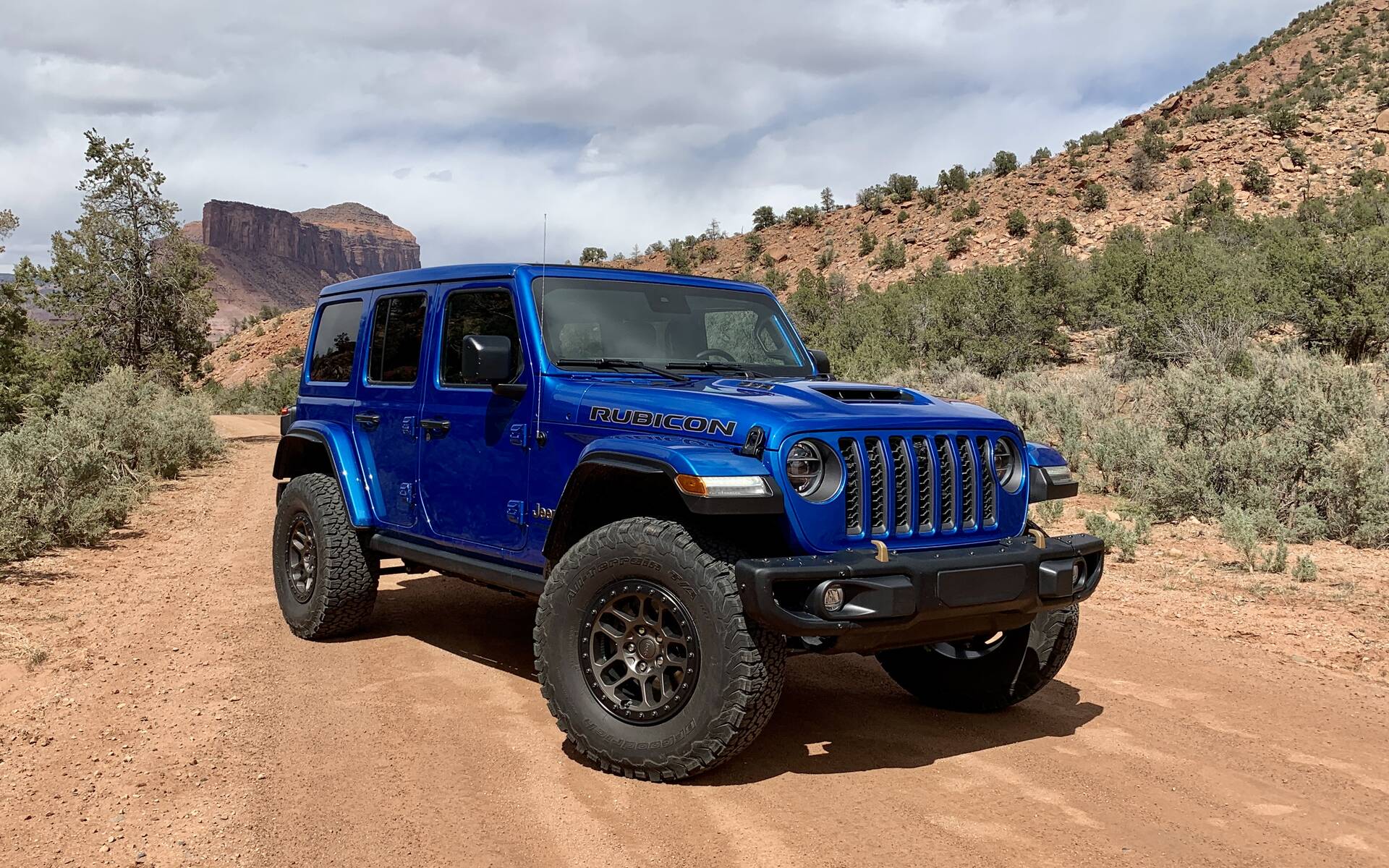
The ZJ is a capable vehicle in stock form, but upgrading certain parts can significantly improve its performance and off-road prowess.
- Suspension Lift Kits: Increase ground clearance and allow for larger tires. Common lift sizes range from 2" to 6".
- Budget Boost (Coil Spacers): A cost-effective way to achieve a small lift.
- Coil Spring Lifts: Replace the factory coil springs with longer, stiffer springs.
- Long Arm Lifts: Provide superior articulation and off-road performance.
- Tires and Wheels: Larger, more aggressive tires improve traction and off-road capability.
- Bumpers: Aftermarket bumpers offer increased protection and provide mounting points for winches and other accessories.
- Winch: A valuable tool for self-recovery in off-road situations.
- Skid Plates: Protect vulnerable underbody components from damage.
- Lighting: Upgrading to LED headlights and auxiliary lights improves visibility.
- Axle Upgrades: Stronger axles can handle the stress of larger tires and more aggressive driving.
- Engine Upgrades: Performance chips, exhaust systems, and cold air intakes can increase horsepower and torque.
- Cooling System Upgrades: Replace radiator for aluminum version to enhance cooling, especially for off-roading and towing.
Finding the Right ZJ Parts
Several sources offer Jeep ZJ parts:
- Local Auto Parts Stores: A convenient option for common maintenance items.
- Online Retailers: Offer a wide selection of parts, often at competitive prices. Examples include Quadratec, Summit Racing, and Amazon.
- Jeep Dealerships: Can provide original equipment manufacturer (OEM) parts.
- Junkyards: A good source for used parts at a low cost.
- Specialty Jeep Shops: Offer expert advice and installation services.
Important Considerations When Buying ZJ Parts
- Compatibility: Ensure that the part is compatible with your specific ZJ model and year.
- Quality: Choose reputable brands and read reviews to ensure quality.
- Warranty: Check the warranty offered by the manufacturer or retailer.
- Installation: Consider whether you can install the part yourself or if you need professional assistance.
- Price: Compare prices from different sources to find the best deal.
- OEM vs. Aftermarket: OEM parts are made by the original manufacturer and typically offer the best fit and quality. Aftermarket parts can be more affordable or offer improved performance.
Common ZJ Problems and Their Solutions
- Overheating: Check coolant level, radiator, thermostat, and water pump.
- Transmission Issues: Check transmission fluid level and condition. Consider a transmission flush or rebuild if necessary.
- Electrical Problems: Check fuses, relays, and wiring.
- Rust: Repair rust damage to prevent further deterioration.
- Death Wobble: A violent shaking of the front end, often caused by worn suspension components. Replace ball joints, tie rod ends, and steering stabilizer.
- Cracked Exhaust Manifold: A common problem on the 4.0L engine. Replace with an aftermarket header or a new manifold.
Tips for Maintaining Your ZJ
- Regularly inspect your vehicle: Check fluids, tires, brakes, and suspension components.
- Follow the maintenance schedule in your owner's manual.
- Use quality parts and fluids.
- Address problems promptly to prevent further damage.
- Keep your ZJ clean and protected from the elements.
- Consult with a qualified mechanic for major repairs.
Potential Challenges and Solutions
- Finding Discontinued Parts: Search online forums, junkyards, and specialty Jeep shops.
- Diagnosing Complex Problems: Use a diagnostic scanner to read fault codes. Consult with a qualified mechanic.
- Dealing with Rust: Repair rust damage promptly to prevent it from spreading.
- Budgeting for Repairs: Prioritize essential repairs and spread out upgrades over time.
Table Price Containing All Complete Information About Jeep Zj Parts
| Part Category | Part Name | Average Price Range | Notes |
|---|---|---|---|
| Engine | Oil Filter | $5 - $15 | Choose a quality filter from a reputable brand. |
| Air Filter | $10 - $30 | Consider a reusable air filter for increased airflow. | |
| Fuel Filter | $15 - $40 | Replace regularly to prevent fuel system issues. | |
| Spark Plugs (set of 6) | $20 - $60 | Choose the correct spark plugs for your engine. | |
| Serpentine Belt | $20 - $50 | Inspect regularly for cracks and wear. | |
| Radiator | $100 - $300 | Aluminum radiators offer improved cooling. | |
| Brakes | Brake Pads (front/rear set) | $30 - $80 | Choose ceramic or semi-metallic pads for good performance. |
| Brake Rotors (each) | $40 - $100 | Resurface or replace if worn or warped. | |
| Brake Calipers (each) | $50 - $150 | Inspect for leaks and replace if necessary. | |
| Brake Lines (set) | $50 - $150 | Replace if cracked or damaged. | |
| Suspension | Shocks (each) | $40 - $150 | Choose shocks based on your driving style and terrain. |
| Coil Springs (pair) | $100 - $300 | Consider a lift kit for increased ground clearance. | |
| Control Arms (each) | $50 - $200 | Replace worn control arms to improve handling. | |
| Ball Joints (each) | $20 - $80 | Replace worn ball joints to prevent "death wobble". | |
| Drivetrain | Transmission Filter Kit | $20 - $50 | Replace the filter and fluid regularly to maintain transmission health. |
| U-Joints (each) | $20 - $50 | Inspect regularly and replace if worn. | |
| Axle Shafts (each) | $100 - $300 | Upgrade to stronger axle shafts for off-road use. | |
| Exterior | Headlights (pair) | $50 - $200 | Upgrade to LED headlights for improved visibility. |
| Bumpers | $200 - $1000+ | Aftermarket bumpers offer increased protection and functionality. | |
| Skid Plates (set) | $100 - $500 | Protect vulnerable underbody components. | |
| Interior | Seat Covers | $50 - $200 | Protect your seats and improve the interior appearance. |
| Floor Mats | $30 - $100 | Protect your carpets from dirt and wear. |
Note: Prices are estimates and may vary depending on the brand, quality, and retailer.
Frequently Asked Questions (FAQ)
- What is the best engine oil for my ZJ? Consult your owner's manual for the recommended viscosity. Synthetic oil is a good option for improved performance and protection.
- How often should I change my transmission fluid? Every 30,000-60,000 miles, depending on driving conditions.
- What is "death wobble"? A violent shaking of the front end, often caused by worn suspension components.
- Where can I find a good mechanic for my ZJ? Ask for recommendations from other ZJ owners or check online reviews.
- Are there any common modifications I should avoid? Avoid modifications that could compromise safety or reliability.
- How do I identify the correct parts for my specific ZJ model? Use your VIN number to ensure compatibility.
Conclusion
Maintaining and upgrading your Jeep Grand Cherokee ZJ can be a rewarding experience. By understanding the various parts available, addressing common issues, and following a regular maintenance schedule, you can keep your ZJ on the road for many years to come. With a little knowledge and effort, you can transform your ZJ into a capable and reliable vehicle that reflects your personal style and preferences. Remember to research thoroughly, choose quality parts, and consult with professionals when needed. Happy Jeeping!
0 comments