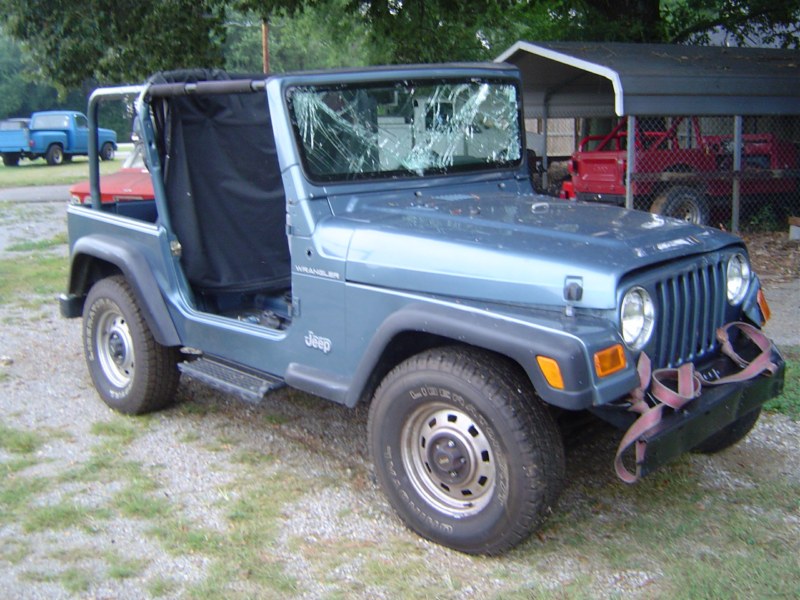
The 1998 Jeep, particularly the Wrangler TJ and Grand Cherokee ZJ, occupies a special place in the hearts of off-road enthusiasts and classic car aficionados alike. These models represent a sweet spot in Jeep history, blending rugged capability with a touch of modern comfort. However, time takes its toll. Keeping these iconic vehicles on the road, and more importantly, performing optimally, relies heavily on understanding and sourcing the right 1998 Jeep parts.
This article serves as your comprehensive guide to navigating the world of 1998 Jeep parts. We'll explore the key components, where to find them, how to maintain them, and address common issues, ensuring your '98 Jeep continues to conquer trails and turn heads for years to come.
Keeping the Legend Alive: A Comprehensive Guide to 1998 Jeep Parts
Why are 1998 Jeep Parts Important?
The 1998 Jeep models, while robust, are now over two decades old. This means that original parts are aging, experiencing wear and tear, and potentially failing. Replacing worn or damaged components with high-quality parts is crucial for:
- Maintaining Performance: Worn engine parts can lead to decreased fuel efficiency and power. Suspension components affect handling and ride quality.
- Ensuring Reliability: Preventing breakdowns by replacing parts before they fail saves time, money, and potential frustration.
- Preserving Value: Maintaining your Jeep with genuine or high-quality aftermarket parts helps retain its value and appeal.
- Safety: Worn brakes, steering components, or lighting can compromise safety for you and other drivers.
- Continuing the Legacy: Keeping these classic Jeeps on the road preserves a piece of automotive history and allows future generations to experience their unique charm.
Understanding the Key Components and Systems
The 1998 Jeep Wrangler TJ and Grand Cherokee ZJ share some components but also have distinct differences. Here's a breakdown of the major systems and common parts associated with each:
Engine: The TJ and ZJ offered various engine options, including inline-six (4.0L) and V8 (5.2L and 5.9L) engines. Common replacement parts include:
- Filters: Oil, air, and fuel filters are essential for maintaining engine health.
- Spark Plugs and Wires: Critical for ignition and performance.
- Belts and Hoses: Subject to cracking and wear, requiring periodic replacement.
- Water Pump: A common failure point, leading to overheating.
- Radiator: Crucial for cooling, prone to leaks and corrosion.
- Sensors: Oxygen (O2), Crankshaft Position (CKP), and Throttle Position (TPS) sensors can fail, affecting engine performance.
- Gaskets: Head gaskets, valve cover gaskets, and oil pan gaskets can leak over time.

-
Transmission: Both manual and automatic transmissions were available. Common replacement parts include:
- Filters and Fluid: Regular maintenance is vital for transmission longevity.
- Clutch Kit (Manual): Includes the clutch disc, pressure plate, and throwout bearing.
- Torque Converter (Automatic): Can fail, causing slipping and poor performance.
- Transmission Mount: Dampens vibrations and supports the transmission.
-
Drivetrain: This includes the transfer case, axles, and differentials. Common replacement parts include:
- U-Joints: Connecting the driveshaft to the axles, prone to wear and failure.
- Axle Shafts: Can break under stress, especially during off-roading.
- Differential Components: Gears, bearings, and seals require maintenance and replacement.
- Transfer Case Chain: Can stretch and wear, affecting 4WD performance.
-
Suspension: Crucial for ride quality and off-road capability. Common replacement parts include:
- Shocks and Struts: Dampen vibrations and control body roll.
- Springs: Support the vehicle's weight and provide ride height.
- Control Arms: Connect the suspension to the frame.
- Ball Joints: Allow the wheels to pivot.
- Bushings: Absorb vibrations and reduce noise.
- Track Bar: Keeps the axle centered under the vehicle.
-
Brakes: Essential for safety. Common replacement parts include:
- Brake Pads and Rotors: Wear down over time, requiring replacement.
- Brake Calipers: Can seize or leak.
- Brake Lines: Subject to corrosion and leaks.
- Master Cylinder: Provides hydraulic pressure to the brakes.
-
Steering: Allows you to control the vehicle. Common replacement parts include:
- Steering Gear Box: Can develop play and leaks.
- Power Steering Pump: Provides hydraulic pressure to the steering system.
- Tie Rod Ends: Connect the steering linkage to the wheels.
- Steering Stabilizer: Dampens vibrations and improves steering control.
-
Electrical System: Powers all the vehicle's electrical components. Common replacement parts include:
- Battery: Provides power to start the engine and operate electrical accessories.
- Alternator: Charges the battery and provides power while the engine is running.
- Starter: Cranks the engine to start it.
- Fuses and Relays: Protect electrical circuits from overload.
- Wiring Harnesses: Can become brittle and corroded over time.
-
Body and Interior: Includes exterior panels, seats, trim, and other components. Common replacement parts include:
- Bumpers: Protect the vehicle from damage.
- Fenders: Cover the wheels and protect the engine compartment.
- Grille: Provides airflow to the radiator.
- Seats: Can become worn and torn.
- Dashboard: Can crack and fade.
- Door Panels: Can become loose and damaged.

Where to Find 1998 Jeep Parts
Sourcing the right parts is crucial for a successful repair or restoration. Here are some options:
- Local Auto Parts Stores: NAPA, AutoZone, Advance Auto Parts, and O'Reilly Auto Parts are good starting points for common replacement parts.
- Online Retailers: Websites like Quadratec, Morris 4x4 Center, Amazon, and eBay offer a wide selection of parts for 1998 Jeeps.
- Jeep Dealerships: While often more expensive, dealerships can provide genuine Mopar parts.
- Salvage Yards: A good source for used parts, especially for body panels and interior components.
- Online Jeep Forums and Communities: Often a great resource for finding used parts and connecting with other Jeep owners.
Choosing the Right Parts: OEM vs. Aftermarket
When replacing parts, you'll often face the choice between Original Equipment Manufacturer (OEM) parts and aftermarket parts.
- OEM Parts: These are manufactured by the original supplier to Jeep. They are guaranteed to fit and function correctly but are typically more expensive.
- Aftermarket Parts: These are manufactured by third-party companies. They can be more affordable than OEM parts, and some aftermarket brands offer improved performance or durability. However, quality can vary, so it's important to research reputable brands.
Tips for Finding and Selecting Parts
- Know Your Jeep: Accurately identify your Jeep's year, model, engine, and transmission. This information is crucial for finding the correct parts.
- Check Part Numbers: If possible, find the OEM part number for the component you need. This will ensure you get the right part, regardless of whether you choose OEM or aftermarket.
- Read Reviews: Before buying aftermarket parts, read online reviews from other Jeep owners to gauge the quality and reliability of the product.
- Consider the Warranty: Choose parts with a good warranty to protect yourself against defects.
- Compare Prices: Shop around to find the best prices on the parts you need.
- Don't Sacrifice Quality: While saving money is important, don't compromise on quality, especially for critical components like brakes and steering parts.
Potential Challenges and Solutions
- Finding Discontinued Parts: Some parts for the 1998 Jeep may be discontinued. In this case, you may need to search salvage yards, online forums, or consider using aftermarket alternatives.
- Identifying the Correct Part: With so many different models and engine options, identifying the correct part can be challenging. Double-check part numbers and consult with a knowledgeable parts specialist if needed.
- Dealing with Rust: Rust can be a major problem on older Jeeps. When replacing parts, be sure to inspect the surrounding area for rust and address it accordingly.
Price Table for Common 1998 Jeep Parts (Estimates)
| Part | OEM Price (Approx.) | Aftermarket Price (Approx.) | Notes |
|---|---|---|---|
| Oil Filter (4.0L) | $10 - $15 | $5 - $10 | Price varies based on brand and filter type. |
| Air Filter (4.0L) | $15 - $25 | $10 - $20 | Price varies based on brand and filter type. |
| Brake Pads (Front) | $50 - $80 | $30 - $60 | Price per set. Varies based on material (organic, ceramic, etc.). |
| Brake Rotors (Front) | $80 - $120 | $50 - $100 | Price per rotor. |
| Water Pump (4.0L) | $100 - $150 | $60 - $120 | Price varies based on brand and quality. |
| Spark Plugs (Set of 6, 4.0L) | $30 - $60 | $20 - $40 | Price varies based on brand and plug type. |
| U-Joint | $30 - $50 | $20 - $40 | Price per U-joint. |
| Ball Joint (Upper) | $50 - $80 | $30 - $60 | Price per ball joint. |
| Shock Absorber | $60 - $100 | $40 - $80 | Price per shock. Varies greatly based on brand and type. |
| Starter (4.0L) | $150 - $250 | $100 - $200 | Remanufactured starters are often available at a lower price. |
Disclaimer: These prices are estimates and can vary significantly depending on the brand, retailer, location, and specific part number. Always check with multiple sources to get the most accurate pricing.
Frequently Asked Questions (FAQ)
-
Q: Where can I find a build sheet for my 1998 Jeep?
- A: You can often request a build sheet from a Jeep dealership or online through Mopar's customer service. You'll need your VIN.
-
Q: How do I know if a part will fit my specific 1998 Jeep model?
- A: Always check the part number and compare it to the OEM part number for your vehicle. Many online retailers also have compatibility checkers.
-
Q: Are aftermarket parts as good as OEM parts?
- A: The quality of aftermarket parts can vary. Research reputable brands and read reviews before making a purchase. Some aftermarket parts may even offer improved performance or durability.
-
Q: How often should I change the oil in my 1998 Jeep?
- A: Refer to your owner's manual for the recommended oil change interval. Generally, every 3,000-5,000 miles is a good rule of thumb, depending on driving conditions.
-
Q: Where can I find a repair manual for my 1998 Jeep?
- A: Haynes and Chilton repair manuals are readily available at auto parts stores and online. These manuals provide detailed instructions for common repairs and maintenance procedures.
Conclusion
Maintaining a 1998 Jeep requires a commitment to sourcing and replacing parts as needed. By understanding the key components, knowing where to find them, and making informed choices about OEM vs. aftermarket options, you can keep your Jeep running strong and enjoying the open road (or off-road trails) for many years to come. Remember to prioritize safety, research thoroughly, and don't be afraid to seek help from experienced mechanics or fellow Jeep enthusiasts. Your 1998 Jeep is a testament to enduring design and rugged capability – keep that legacy alive!
0 comments