The Jeep Wrangler: an icon of off-road capability, open-air freedom, and rugged individualism. More than just a vehicle, it's a lifestyle. But even the most dependable machine requires maintenance and repairs. Whether you're tackling challenging trails or cruising city streets, understanding Jeep Wrangler replacement parts is crucial for keeping your beloved Jeep running smoothly and safely. This comprehensive guide will walk you through everything you need to know, from identifying essential components to making informed purchasing decisions.
Why Understanding Jeep Wrangler Replacement Parts Matters
Keeping Your Jeep Wrangler Ready for Adventure: A Comprehensive Guide to Replacement Parts
The Wrangler's popularity means a thriving aftermarket for replacement parts, but this also means a vast range of options, qualities, and prices. Understanding the differences between these options allows you to:
- Maintain Performance: Using quality replacement parts ensures your Wrangler continues to perform optimally, both on and off-road.
- Extend Lifespan: Regular maintenance with appropriate replacements can significantly extend the lifespan of your Jeep.
- Ensure Safety: Worn or damaged parts can compromise safety. Replacing them promptly is crucial for protecting yourself and others.
- Customize and Upgrade: The Wrangler is highly customizable. Replacement parts allow you to tailor your Jeep to your specific needs and preferences.
- Save Money: Identifying and addressing issues early can prevent more costly repairs down the road.

Essential Categories of Jeep Wrangler Replacement Parts
The world of Jeep Wrangler replacement parts is vast. To navigate it effectively, let's break it down into essential categories:
1. Engine & Drivetrain:
- Engine Components: This encompasses everything from spark plugs and filters (oil, air, fuel) to belts, hoses, and even major components like pistons, rings, and cylinder heads. Maintaining these parts is crucial for engine performance and longevity.
- Cooling System: Radiators, water pumps, thermostats, and coolant hoses are vital for preventing overheating, a common issue with Wranglers, especially during off-road adventures.
- Exhaust System: Mufflers, catalytic converters, exhaust manifolds, and pipes. Replacing these can improve performance, fuel economy, and reduce emissions.
- Transmission & Transfer Case: Automatic or manual transmissions, transfer cases, and related components like clutches, shift levers, and linkage. These are responsible for transmitting power from the engine to the wheels.
- Axles & Driveline: Axle shafts, U-joints, CV joints, differentials, and driveshafts. These transfer power from the transmission to the wheels and are essential for off-road traction.

2. Suspension & Steering:
- Shocks & Struts: These control the vehicle's movement and provide a comfortable ride. Upgrading shocks is a common modification for off-road enthusiasts.
- Springs: Coil springs or leaf springs (depending on the model) support the vehicle's weight and determine ride height.
- Control Arms & Bushings: These connect the suspension components and allow for controlled movement. Worn bushings can cause vibrations and poor handling.
- Steering Components: Steering boxes, power steering pumps, tie rod ends, and ball joints. These are essential for precise steering control.
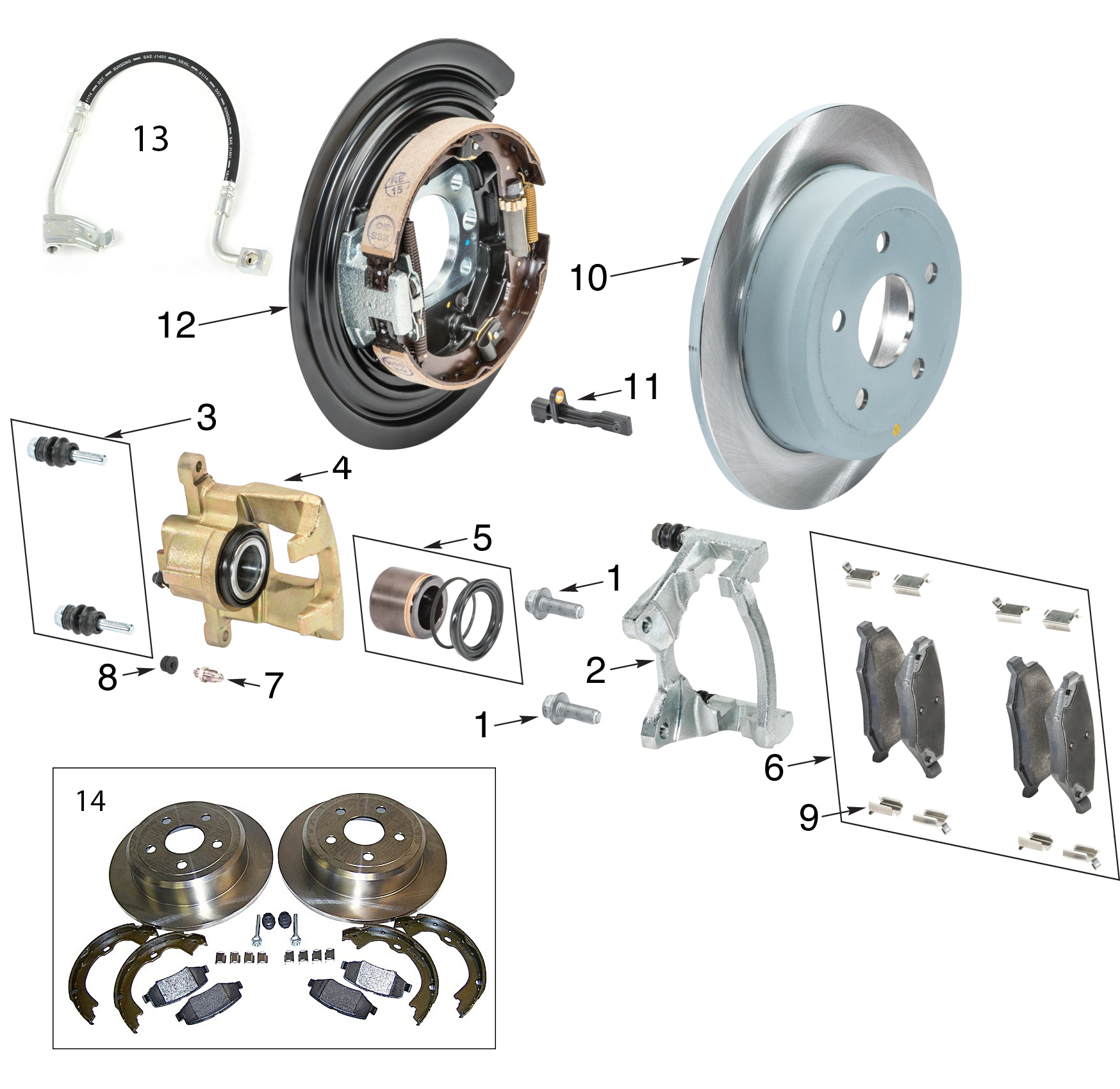
3. Brakes:
- Brake Pads & Rotors: These are the primary components responsible for stopping the vehicle. Regular inspection and replacement are crucial for safety.
- Brake Calipers: These apply pressure to the brake pads.
- Brake Lines & Hoses: These carry brake fluid to the calipers. Leaks can compromise braking performance.
- Master Cylinder: This generates the pressure needed to operate the brakes.
4. Body & Exterior:
- Body Panels: Fenders, doors, hoods, and quarter panels. These can be damaged in off-road situations or collisions.
- Bumpers: Front and rear bumpers provide protection and can be customized for off-road use.
- Lights: Headlights, taillights, turn signals, and fog lights. These are essential for visibility and safety.
- Mirrors: Side mirrors and rearview mirrors.
- Windshield & Glass: Replacing damaged windshields is important for visibility and safety.
5. Interior:
- Seats: Replacing worn or damaged seats can improve comfort.
- Carpets & Floor Mats: Protecting the interior from dirt and debris.
- Dashboard Components: Gauges, switches, and controls.
6. Electrical System:
- Battery: Providing power to start the engine and operate electrical components.
- Alternator: Charging the battery while the engine is running.
- Starter: Cranking the engine to start it.
- Wiring Harness: Connecting all the electrical components.
- Fuses & Relays: Protecting the electrical system from overloads.
Choosing the Right Replacement Parts: OEM vs. Aftermarket
One of the biggest decisions you'll face is whether to choose Original Equipment Manufacturer (OEM) parts or aftermarket parts.
- OEM Parts: These are manufactured by the same company that made the original parts for your Jeep. They are generally more expensive but guaranteed to fit and function properly.
- Aftermarket Parts: These are manufactured by third-party companies. They can be cheaper than OEM parts and offer a wider range of options, including performance upgrades. However, quality can vary significantly.
Here's a breakdown to help you decide:
| Feature | OEM Parts | Aftermarket Parts |
|---|---|---|
| Quality | Typically high and consistent | Can vary significantly, research is crucial |
| Fitment | Guaranteed to fit perfectly | May require modification or not fit properly |
| Price | Generally more expensive | Often less expensive |
| Availability | Usually available from Jeep dealerships | Widely available from various retailers |
| Warranty | Often comes with a warranty from Jeep | Warranty depends on the manufacturer |
When to choose OEM:
- Critical safety components: Brakes, steering components, and certain engine parts.
- When perfect fitment is essential.
- When you prioritize quality and reliability above price.
When to choose Aftermarket:
- For cosmetic upgrades.
- When you're looking for performance enhancements.
- When budget is a major concern, but research quality brands.
- For parts that are no longer available from OEM sources.
Tips for Buying Jeep Wrangler Replacement Parts:
- Know Your Jeep: Before buying any parts, know the year, make, and model of your Wrangler. Different years and trim levels may use different parts.
- Identify the Problem: Accurately diagnose the problem before purchasing replacement parts. Replacing the wrong part is a waste of time and money.
- Read Reviews: Research aftermarket brands and read reviews from other Jeep owners before making a purchase.
- Consider the Warranty: Check the warranty offered by the manufacturer or retailer.
- Buy from Reputable Sources: Purchase parts from reputable retailers or online stores.
- Keep Receipts: Keep your receipts for warranty purposes.
- Consider Professional Installation: If you're not comfortable working on your Jeep, have a professional mechanic install the parts.
Common Jeep Wrangler Replacement Scenarios and Considerations
- Brake Pad Replacement: A straightforward DIY project for many Jeep owners. Use quality brake pads and rotors for optimal performance.
- Shock Absorber Replacement: Upgrading to performance shocks can significantly improve off-road handling and ride quality.
- Tire Replacement: Choose tires that are appropriate for your driving style and terrain.
- Battery Replacement: A crucial maintenance item. Choose a battery with sufficient cold-cranking amps (CCA) for your climate.
- Ball Joint Replacement: Worn ball joints can cause steering problems and should be replaced promptly.
Potential Challenges and Solutions:
- Difficulty Identifying the Correct Part: Use online parts catalogs or consult with a mechanic to ensure you're ordering the correct part.
- Stripped Bolts: Use penetrating oil and a breaker bar to loosen stubborn bolts. Consider using a bolt extractor if necessary.
- Corroded Parts: Clean corroded parts with a wire brush or sandpaper. Apply anti-seize compound to prevent future corrosion.
- Incorrect Fitment: Double-check the part number and compatibility before installing. If the part doesn't fit, contact the retailer or manufacturer.
Jeep Wrangler Replacement Parts Pricing Table
| Part Description | OEM Price (Approx.) | Aftermarket Price (Approx.) | Notes |
|---|---|---|---|
| Front Brake Pads (Pair) | $80 - $150 | $40 - $100 | Price varies based on material (Ceramic, Semi-Metallic) |
| Front Brake Rotors (Each) | $120 - $200 | $60 - $150 | Vented rotors are often preferred for performance. |
| Spark Plugs (Set of 6) | $40 - $70 | $20 - $50 | Check the recommended type for your specific engine. |
| Oil Filter | $10 - $20 | $5 - $15 | Use a quality filter to protect your engine. |
| Air Filter | $20 - $40 | $10 - $30 | Replace regularly to maintain engine performance. |
| Battery | $150 - $300 | $100 - $250 | Consider CCA rating based on your climate. |
| Front Shock Absorber | $100 - $200 (Each) | $50 - $150 (Each) | Performance shocks can be significantly more expensive. |
| Tie Rod End | $50 - $100 (Each) | $30 - $70 (Each) | Replace in pairs for optimal steering. |
| Headlight Assembly | $200 - $400 (Each) | $100 - $300 (Each) | LED headlights offer improved visibility. |
| Water Pump | $150 - $300 | $80 - $200 | Consider replacing the thermostat at the same time. |
| Radiator | $300 - $500 | $150 - $400 | Upgraded radiators are available for improved cooling performance. |
Please note: These prices are approximate and can vary depending on the retailer, brand, and specific Jeep Wrangler model.
Frequently Asked Questions (FAQ)
-
Q: How often should I replace my brake pads?
- A: Brake pad life depends on driving conditions and habits. Inspect them regularly and replace them when they are worn to 1/8 inch thickness.
-
Q: Can I use synthetic oil in my Jeep Wrangler?
- A: Yes, synthetic oil can provide better protection and performance, especially in extreme conditions. Check your owner's manual for the recommended oil viscosity.
-
Q: What are the best tires for off-roading in my Jeep Wrangler?
- A: The best tires depend on the type of terrain you'll be encountering. Mud-terrain tires are ideal for mud and loose dirt, while all-terrain tires are a good compromise for on-road and off-road use.
-
Q: How do I know if my ball joints are bad?
- A: Symptoms of bad ball joints include clunking noises, loose steering, and uneven tire wear.
-
Q: Where can I find a reliable mechanic for my Jeep Wrangler?
- A: Ask for recommendations from other Jeep owners or search online for mechanics specializing in Jeep repairs.
Conclusion
Maintaining your Jeep Wrangler with quality replacement parts is essential for its performance, longevity, and safety. By understanding the different categories of parts, choosing between OEM and aftermarket options wisely, and following the tips outlined in this guide, you can ensure your Jeep is always ready for your next adventure. Remember to prioritize safety, research your purchases, and don't hesitate to seek professional help when needed. With a little knowledge and effort, you can keep your Wrangler running smoothly for years to come.

0 comments