The Jeep Wrangler, a symbol of off-road prowess and open-air freedom, relies on a robust drivetrain to conquer challenging terrains. At the heart of this drivetrain lies the transmission, a complex system responsible for transferring power from the engine to the wheels. Understanding the intricacies of Jeep Wrangler Transmission Parts is crucial for maintaining peak performance, diagnosing issues, and ensuring your Wrangler continues to be a reliable companion on and off the beaten path. This article will serve as a comprehensive guide, exploring the various components, common problems, and maintenance tips related to your Jeep Wrangler's transmission.
Why Understanding Transmission Parts Matters
Keeping Your Jeep Wrangler Rolling: A Deep Dive into Transmission Parts
The transmission is more than just gears; it's a sophisticated assembly of interconnected parts working in harmony. A failing transmission can leave you stranded, and repairs can be costly. By understanding the individual components and their functions, you can:
- Identify Potential Problems Early: Recognizing subtle changes in shifting, noises, or fluid leaks can prevent minor issues from escalating into major repairs.
- Make Informed Repair Decisions: Knowledge empowers you to discuss issues with mechanics more confidently and understand their recommendations.
- Perform Basic Maintenance: Regular fluid checks and changes can significantly extend the life of your transmission.
- Upgrade for Enhanced Performance: For serious off-roaders, upgrading specific transmission parts can improve durability and handling in demanding conditions.
Delving into the Heart of the System: Key Transmission Parts
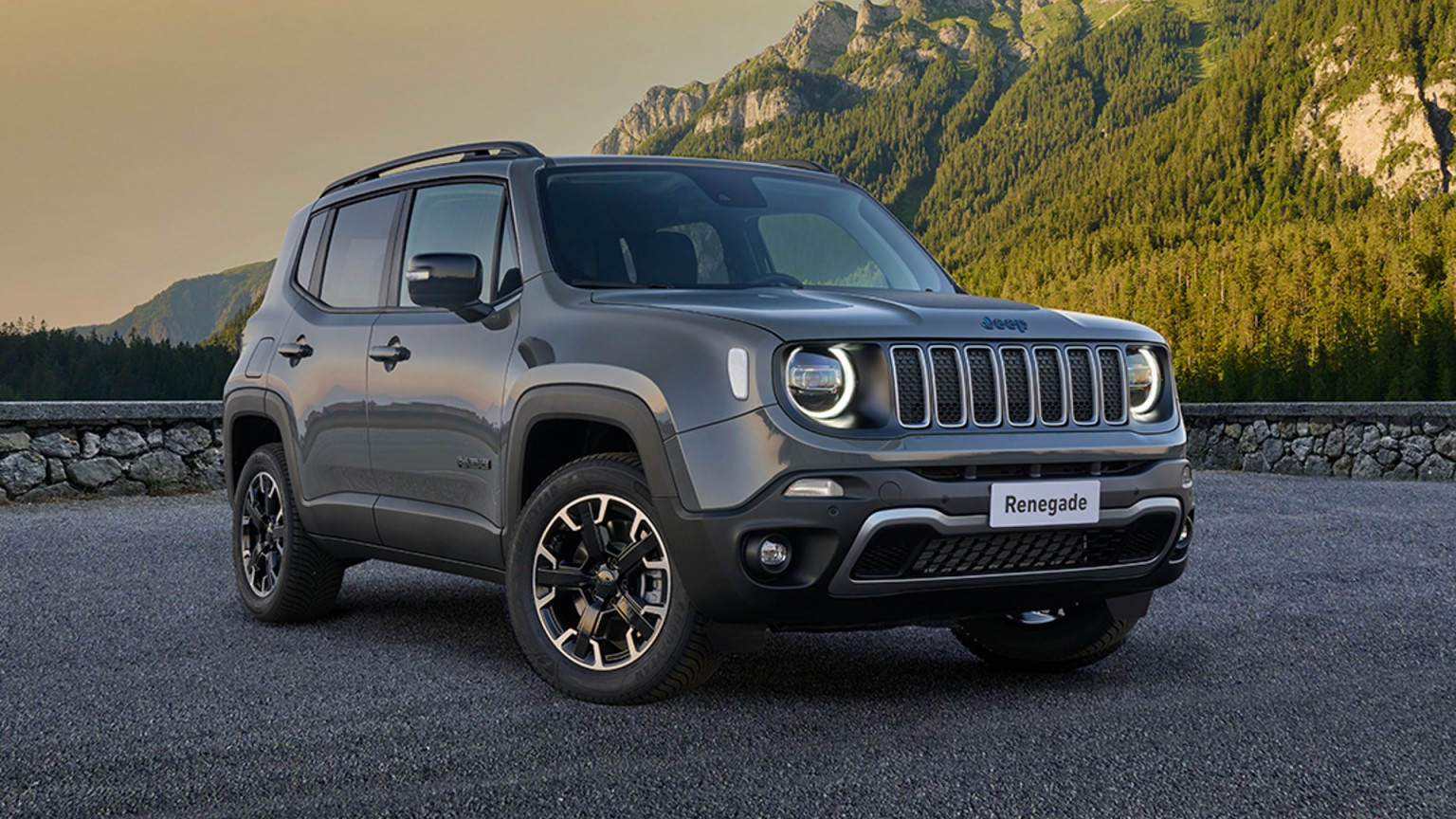
The Jeep Wrangler has been equipped with various transmissions over its lifespan, each with its own nuances. However, certain core components remain fundamental. Here's a breakdown of the essential transmission parts:
- Transmission Case: The housing that encases all the internal components, providing structural support and protection. It's typically made of cast aluminum or iron.
- Gears: Different sized gears are responsible for providing varying torque multiplication and speed ratios, allowing the engine to operate efficiently across a wide range of speeds and loads.
- Shafts (Input, Output, Countershaft): These rotating shafts support the gears and transfer power through the transmission. The input shaft receives power from the engine, and the output shaft delivers it to the transfer case (in 4x4 models) or directly to the wheels (in 2WD models).
- Synchronizers (Synchros): These components ensure smooth gear engagement by matching the speed of the gears before they mesh. Worn synchros often cause grinding noises during shifting.
- Clutch (Manual Transmissions): The clutch connects and disconnects the engine from the transmission, allowing for gear changes. It consists of the clutch disc, pressure plate, and throw-out bearing.
- Torque Converter (Automatic Transmissions): This fluid coupling replaces the clutch in automatic transmissions, providing a smoother power transfer and preventing engine stalling.
- Valve Body (Automatic Transmissions): A complex hydraulic control system that directs transmission fluid to the appropriate clutches and bands to engage different gears.
- Transmission Fluid: The lifeblood of the transmission, providing lubrication, cooling, and hydraulic pressure. Using the correct type of fluid is crucial for optimal performance and longevity.
- Filters: Filters remove contaminants from the transmission fluid, preventing damage to internal components.
- Seals and Gaskets: These prevent fluid leaks and maintain pressure within the transmission.
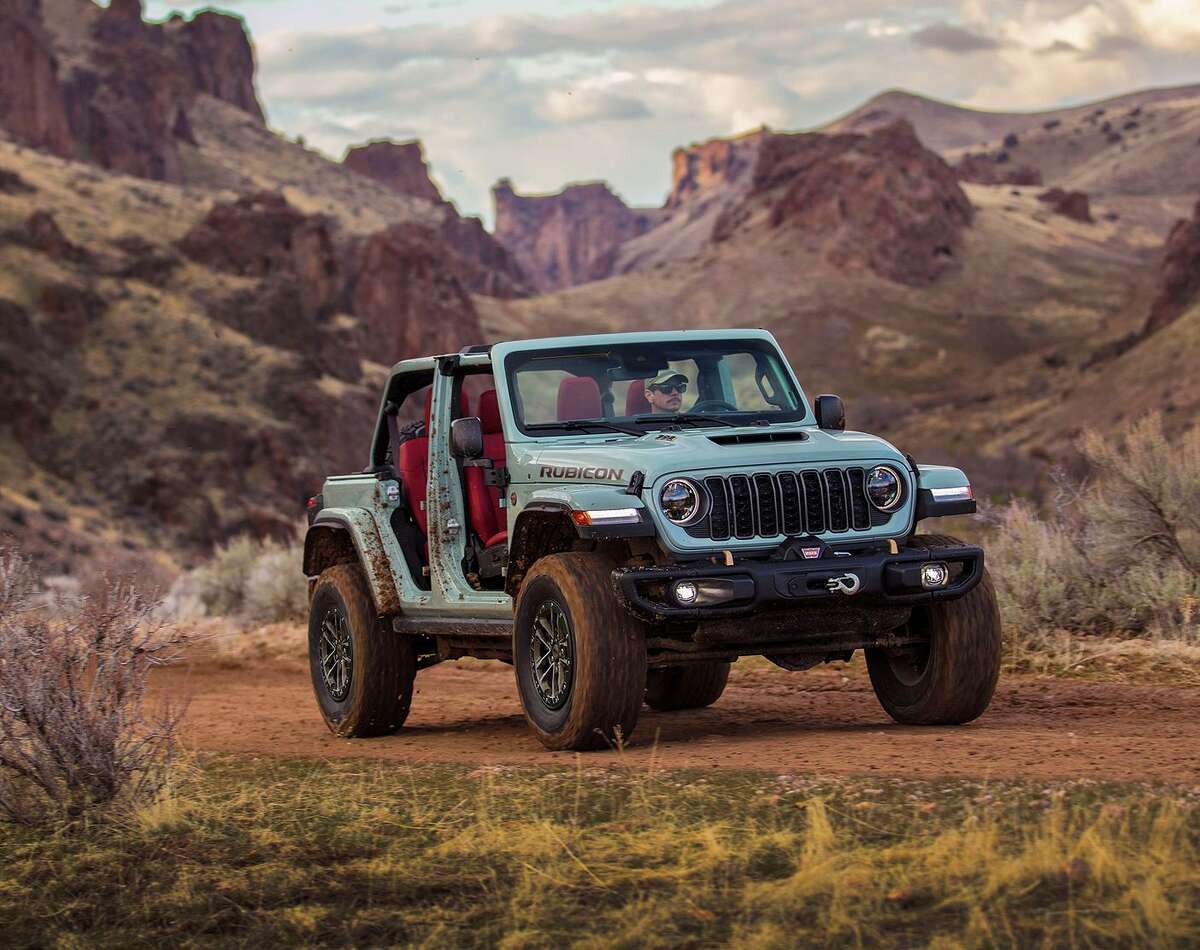

Diagnosing Common Transmission Problems in Your Wrangler
Recognizing the symptoms of transmission issues early can save you time and money. Here are some common problems and their potential causes:
- Slipping Gears: The engine revs up without a corresponding increase in speed. Possible causes: Low transmission fluid, worn clutches or bands (automatic), worn clutch disc (manual).
- Hard Shifting: Difficulty engaging gears or rough shifts. Possible causes: Low transmission fluid, worn synchros (manual), valve body issues (automatic), worn clutch (manual).
- Grinding Noises: A distinct grinding sound during shifting. Possible causes: Worn synchros (manual), damaged gears.
- Unusual Noises (Whining, Humming): Constant noises, especially at certain speeds. Possible causes: Worn bearings, low transmission fluid.
- Fluid Leaks: Visible leaks of reddish-brown fluid. Possible causes: Damaged seals or gaskets, cracked transmission case.
- Check Engine Light (Automatic Transmissions): The check engine light may illuminate due to transmission-related issues. Possible causes: Sensor malfunctions, solenoid problems, internal damage.
Maintenance: The Key to a Long-Lasting Transmission
Preventive maintenance is paramount for ensuring the longevity and reliability of your Jeep Wrangler's transmission.
- Regular Fluid Checks: Check the transmission fluid level regularly (refer to your owner's manual for the proper procedure). Low fluid can cause significant damage.
- Fluid and Filter Changes: Follow the recommended fluid and filter change intervals in your owner's manual. Using the correct type of fluid is essential.
- Avoid Overloading: Avoid exceeding the vehicle's towing capacity, as this puts excessive strain on the transmission.
- Proper Shifting Techniques (Manual Transmissions): Avoid "speed shifting" and ensure the clutch is fully engaged before releasing it.
- Address Leaks Promptly: Even small fluid leaks should be addressed immediately to prevent further damage.
Upgrading Your Wrangler's Transmission for Enhanced Performance
For serious off-road enthusiasts, upgrading specific transmission parts can provide increased durability and performance. Some popular upgrades include:
- Heavy-Duty Clutches (Manual Transmissions): Offer increased clamping force and heat resistance for demanding applications.
- Shift Kits (Automatic Transmissions): Modify the valve body to provide firmer, quicker shifts.
- Deep Transmission Pans: Increase fluid capacity for better cooling.
- Transmission Coolers: Add-on coolers to further reduce transmission fluid temperatures, especially beneficial for towing or off-roading in hot climates.
- Upgraded Gears: Changing gear ratios in the transmission or transfer case can optimize performance for specific tire sizes and terrain.
Potential Challenges and Solutions
Working on transmissions can be complex and requires specialized tools and knowledge. Here are some potential challenges and their solutions:
- Complexity: Transmissions are intricate systems. Solution: Consult a qualified mechanic for complex repairs.
- Specialized Tools: Certain repairs require specialized tools. Solution: Rent or purchase the necessary tools, or take the vehicle to a shop.
- Cleanliness: Maintaining cleanliness is crucial during transmission work. Solution: Work in a clean environment and use clean tools.
- Proper Torque Specifications: Using the correct torque specifications is essential to prevent damage. Solution: Consult a repair manual and use a torque wrench.
Price Table
| Part Name | Description | Approximate Price Range |
|---|---|---|
| Transmission Fluid (per quart) | Synthetic Automatic Transmission Fluid | $8 - $20 |
| Transmission Filter Kit | Includes filter and gasket | $20 - $50 |
| Clutch Kit (Manual) | Includes disc, pressure plate, throw-out bearing | $150 - $500 |
| Torque Converter (Automatic) | Replaces worn or damaged torque converter | $200 - $600 |
| Valve Body (Automatic) | Replaces faulty valve body | $300 - $800 |
| Transmission Mount | Isolates transmission vibrations | $30 - $80 |
| Transmission Cooler Kit | Adds extra cooling capacity | $100 - $300 |
| Synchro Set (Manual) | Replaces worn synchronizers | $100 - $400 |
| Transmission Case | Replaces damaged transmission case | $500 - $1500 |
| Rebuilt Transmission | Complete transmission replacement | $1500 - $4000 |
Note: Prices can vary significantly based on the year and model of your Jeep Wrangler, the brand of the part, and the retailer. Labor costs for installation are not included in these prices.
Conclusion: Keeping Your Wrangler on the Road
Understanding Jeep Wrangler Transmission Parts is vital for maintaining the performance and longevity of your vehicle. By recognizing the key components, diagnosing potential problems, performing regular maintenance, and knowing when to seek professional help, you can ensure your Wrangler continues to deliver the off-road adventures and open-air freedom you expect. Whether you're a seasoned mechanic or a novice enthusiast, taking the time to learn about your transmission will pay dividends in the long run. A well-maintained transmission is a happy transmission, and a happy transmission means a happy Jeep Wrangler driver!
Frequently Asked Questions (FAQ)
-
Q: How often should I change my transmission fluid?
- A: Refer to your owner's manual for the recommended fluid change interval. Generally, it's between 30,000 and 60,000 miles for automatic transmissions, and less frequently for manual transmissions.
-
Q: What type of transmission fluid should I use?
- A: Use the specific type of fluid recommended in your owner's manual. Using the wrong fluid can damage the transmission.
-
Q: Can I rebuild a transmission myself?
- A: Rebuilding a transmission is a complex task that requires specialized tools and knowledge. It's generally best left to experienced mechanics.
-
Q: What are the signs of a failing torque converter?
- A: Symptoms of a failing torque converter include stalling, shuddering, and poor acceleration.
-
Q: My Jeep is making a whining noise. Could it be the transmission?
- A: Yes, a whining noise, especially at certain speeds, could indicate a transmission issue, such as worn bearings or low fluid.
-
Q: How can I tell if my clutch is going bad (manual transmission)?
- A: Signs of a worn clutch include slipping, difficulty shifting, and a high clutch pedal engagement point.
-
Q: What does a transmission shift kit do?
- A: A shift kit modifies the valve body in an automatic transmission to provide firmer, quicker shifts, improving performance.
-
Q: Where can I find replacement transmission parts for my Jeep Wrangler?
- A: You can find replacement parts at auto parts stores, online retailers specializing in Jeep parts, and dealerships.

0 comments