The M38 Jeep, a rugged and reliable workhorse, holds a special place in military and automotive history. Serving with distinction during the Korean War and beyond, it's a vehicle synonymous with durability and off-road capability. Owning an M38 Jeep is more than just owning a vehicle; it's owning a piece of history. However, keeping these vintage machines running requires dedication, knowledge, and, crucially, access to the right parts. This comprehensive guide will delve into the world of M38 Jeep parts, covering everything from essential components to sourcing tips and potential challenges.
Why M38 Jeep Parts Matter
M38 Jeep Parts: A Comprehensive Guide to Maintaining Your Military Icon
Unlike modern vehicles, M38 Jeeps rely on relatively simple mechanics, making them easier to maintain and repair. However, this simplicity also means that original parts are often worn or damaged due to age and use. Replacing worn components with correct, high-quality parts is vital for several reasons:
- Preserving Originality: Using authentic or reproduction parts helps maintain the historical accuracy and value of your M38.
- Ensuring Reliability: Modern replacement parts might not always be a direct fit or meet the rugged specifications of the original components, leading to potential failures.
- Maintaining Performance: Using the correct parts ensures the Jeep performs as intended, providing the off-road capability and dependability it's known for.
- Safety: Worn or incorrect parts can compromise safety, particularly in critical systems like brakes and steering.
Essential M38 Jeep Parts: A System-by-System Breakdown
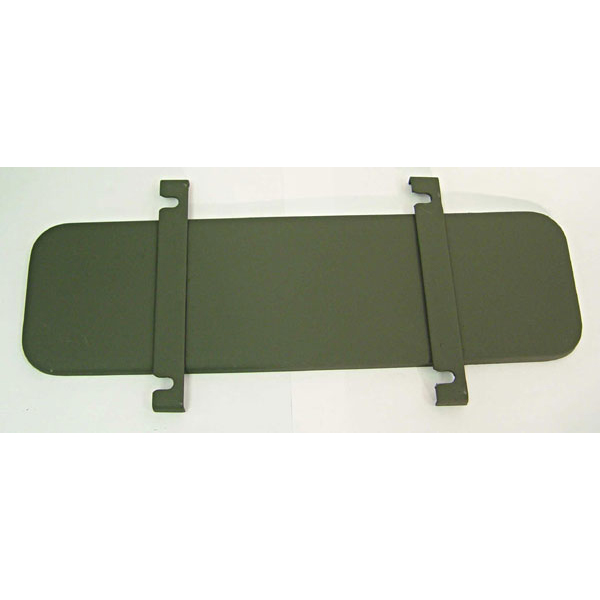
To effectively maintain your M38, it's helpful to understand the key components and systems:
1. Engine and Drivetrain:
- Engine Components: This includes everything from pistons, rings, and bearings to valves, gaskets, and the carburetor. The original L-134 "Go-Devil" engine is known for its reliability, but proper maintenance and timely replacement of worn parts are crucial.
- Fuel System: The fuel pump, fuel lines, and fuel filter are vital for delivering fuel to the engine. Modern ethanol-blended fuels can degrade older fuel system components, so using ethanol-resistant parts is advisable.
- Cooling System: The radiator, water pump, and thermostat are essential for maintaining the engine's operating temperature. Overheating is a common issue in older vehicles, so ensuring the cooling system is in good condition is critical.
- Transmission and Transfer Case: These components transfer power from the engine to the wheels. Regular lubrication and timely replacement of worn gears and bearings are essential for smooth operation.
- Axles and Differentials: These components transfer power to the wheels and allow them to rotate at different speeds. Worn bearings, seals, and gears can lead to noise, vibration, and eventual failure.
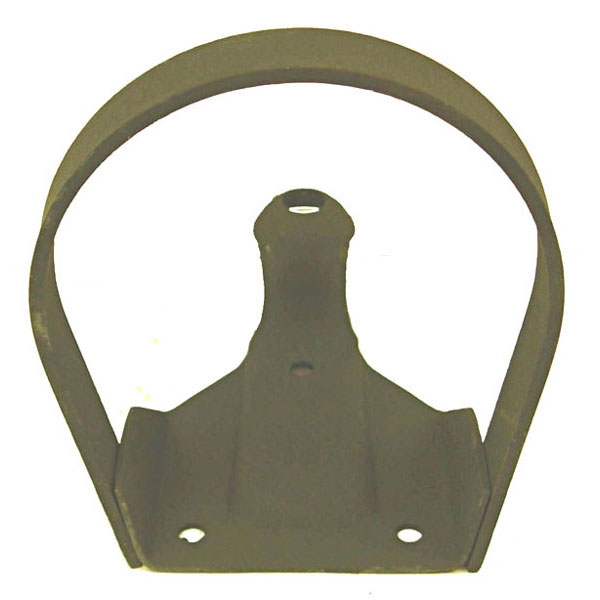
2. Electrical System:
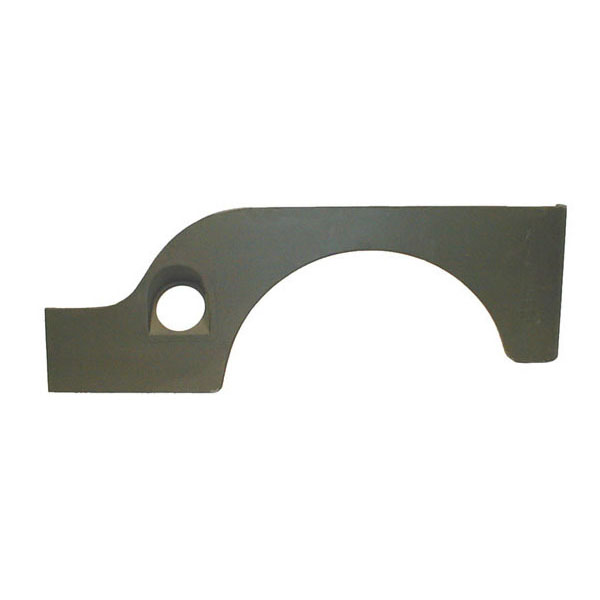
- Wiring Harness: The wiring harness distributes power throughout the vehicle. Old wiring can become brittle and corroded, leading to electrical shorts and malfunctions. Replacing the entire harness is often the best solution.
- Ignition System: This includes the distributor, coil, spark plugs, and wires. A properly functioning ignition system is essential for starting and running the engine.
- Charging System: The generator or alternator (depending on the model year) charges the battery while the engine is running. A faulty charging system can lead to a dead battery.
- Lighting System: The headlights, taillights, and turn signals are essential for safety. Replacing burnt-out bulbs and ensuring the wiring is in good condition is crucial.
3. Brakes and Steering:
- Brake System: This includes the master cylinder, brake lines, wheel cylinders, and brake shoes. A properly functioning brake system is essential for safety. Regular inspection and replacement of worn components are crucial.
- Steering System: This includes the steering box, tie rods, and drag link. A worn steering system can lead to sloppy handling and difficulty controlling the vehicle.
4. Body and Frame:
- Body Panels: These include the fenders, hood, windshield frame, and tub. Body panels can be susceptible to rust and damage. Repairing or replacing damaged panels can improve the appearance and structural integrity of the Jeep.
- Frame: The frame is the foundation of the vehicle. Rust and damage to the frame can compromise its structural integrity.
Sourcing M38 Jeep Parts: Finding the Right Components
Finding the right M38 Jeep parts can be challenging, but several options are available:
- Specialty Jeep Parts Suppliers: These suppliers specialize in vintage Jeep parts and often carry a wide range of original and reproduction components.
- Online Marketplaces: Websites like eBay and Craigslist can be a good source for used and NOS (New Old Stock) parts.
- Jeep Clubs and Forums: Connecting with other M38 owners through Jeep clubs and forums can be a great way to find parts and get advice.
- Military Surplus Stores: Some military surplus stores may still carry parts for older military vehicles.
- Machine Shops: If a specific part is unavailable, a machine shop may be able to fabricate a replacement.
Tips for Sourcing M38 Jeep Parts:
- Know Your Jeep's Specifications: Identify the year and model of your M38 to ensure you order the correct parts.
- Research the Supplier: Check the supplier's reputation and read reviews before making a purchase.
- Compare Prices: Prices can vary significantly between suppliers, so shop around to find the best deal.
- Inspect Parts Carefully: Before installing a part, inspect it carefully for damage or defects.
- Consider Reproduction Parts: Reproduction parts can be a good alternative to original parts, especially if original parts are unavailable or too expensive.
Potential Challenges and Solutions:
- Availability: Finding specific parts can be challenging, especially for less common components.
- Solution: Be patient and persistent in your search. Consider using multiple sources and networking with other M38 owners.
- Cost: Original and NOS parts can be expensive.
- Solution: Consider reproduction parts or used parts in good condition.
- Quality: The quality of reproduction parts can vary.
- Solution: Research the supplier and read reviews before purchasing reproduction parts.
- Identification: Identifying the correct part can be difficult, especially for unfamiliar components.
- Solution: Consult a parts manual or seek advice from experienced M38 owners.
M38 Jeep Parts Price Table
| Part Description | Approximate Price Range | Notes |
|---|---|---|
| Engine & Drivetrain | ||
| Engine Rebuild Kit | $800 - $1500 | Includes pistons, rings, bearings, gaskets |
| Fuel Pump | $50 - $150 | Mechanical type |
| Radiator | $200 - $400 | New reproduction or refurbished original |
| Water Pump | $50 - $100 | New or rebuilt |
| Carburetor | $150 - $300 | Rebuilt original or new reproduction |
| Transmission Rebuild Kit | $200 - $400 | Includes bearings, seals, gaskets |
| Transfer Case Rebuild Kit | $150 - $300 | Includes bearings, seals, gaskets |
| Axle Shaft | $100 - $200 each | Front or rear |
| Differential Gear Set | $200 - $400 | Ring and pinion |
| Electrical System | ||
| Wiring Harness | $200 - $400 | Complete replacement |
| Distributor | $100 - $200 | Rebuilt or new |
| Ignition Coil | $30 - $60 | New |
| Spark Plugs (Set of 4) | $10 - $20 | New |
| Generator/Alternator | $150 - $300 | Rebuilt or new |
| Headlight | $30 - $60 each | New |
| Taillight | $20 - $40 each | New |
| Brakes & Steering | ||
| Master Cylinder | $80 - $150 | New or rebuilt |
| Wheel Cylinder | $30 - $60 each | New |
| Brake Shoe Set | $40 - $80 per axle | New |
| Brake Line Set | $50 - $100 | New |
| Steering Box Rebuild Kit | $100 - $200 | Includes bearings, seals, gaskets |
| Tie Rod End | $30 - $60 each | New |
| Body & Frame | ||
| Fender | $200 - $400 each | New reproduction |
| Hood | $300 - $500 | New reproduction |
| Windshield Frame | $200 - $400 | New reproduction or refurbished original |
| Tub (Body) | $2000 - $5000 | New reproduction |
Note: Prices are approximate and can vary depending on the supplier, condition of the part (new, used, rebuilt), and specific model year of the M38. Prices do not include labor costs for installation.
Frequently Asked Questions (FAQ)
-
Q: Where can I find a reliable parts manual for my M38 Jeep?
- A: You can find digital copies of the original TM 9-8012 Technical Manual online. Several suppliers also sell reprinted versions.
-
Q: Are reproduction M38 Jeep parts as good as original parts?
- A: The quality of reproduction parts can vary. Research the supplier and read reviews before purchasing. Some reproduction parts are excellent and indistinguishable from the originals, while others are of lower quality.
-
Q: How can I tell if a part is correct for my M38 Jeep?
- A: Consult a parts manual or seek advice from experienced M38 owners. Compare the part to the original part or a known correct part.
-
Q: What are some common problems with M38 Jeeps?
- A: Common problems include overheating, electrical issues, and rust. Regular maintenance and timely replacement of worn parts can help prevent these problems.
-
Q: Is it difficult to work on M38 Jeeps?
- A: M38 Jeeps are relatively simple to work on compared to modern vehicles. However, some mechanical knowledge and experience are helpful.
Conclusion:
Maintaining an M38 Jeep is a rewarding experience that connects you to a rich history of military service and rugged automotive engineering. By understanding the key components, sourcing reliable parts, and addressing potential challenges, you can keep your M38 running smoothly for years to come. Remember to prioritize safety, research your parts carefully, and don't hesitate to seek advice from the M38 community. With dedication and the right parts, your M38 Jeep will continue to be a testament to its enduring legacy.
0 comments