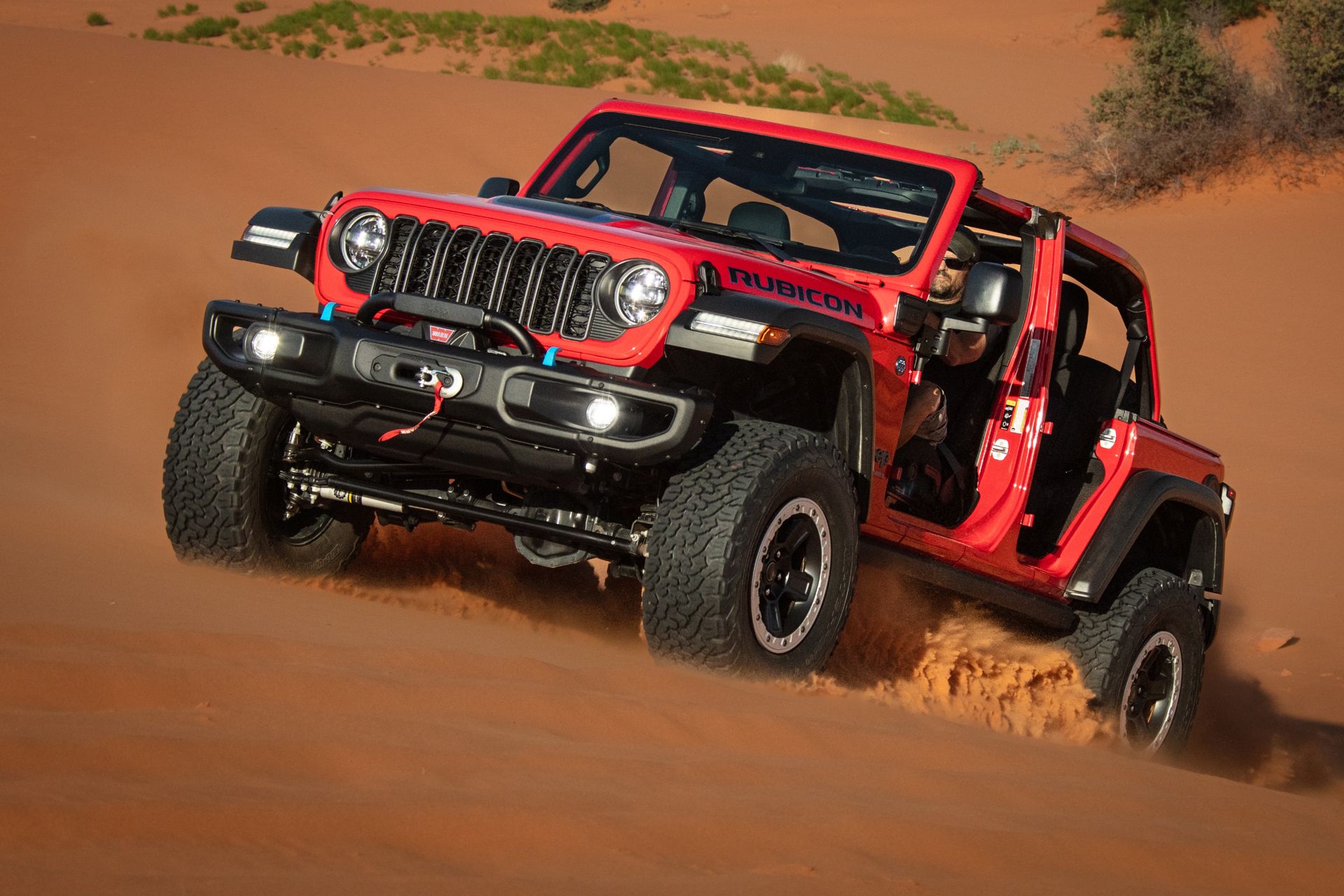
The Jeep Wrangler. Just the name conjures images of conquering rocky terrain, forging river crossings, and enjoying open-air freedom. But the Wrangler's legendary off-road prowess isn't solely due to its rugged engine and four-wheel drive; its suspension system plays a crucial role. Understanding Jeep Wrangler suspension parts is essential for maintaining performance, enhancing off-road capability, and personalizing your ride. Whether you're a seasoned off-roader or a weekend warrior, this comprehensive guide will equip you with the knowledge you need to navigate the world of Wrangler suspension.
What are Jeep Wrangler Suspension Parts and Why are They Important?
Mastering the Trail: A Comprehensive Guide to Jeep Wrangler Suspension Parts
Jeep Wrangler suspension parts encompass a wide array of components working together to provide a comfortable ride on the road and exceptional articulation off the road. They absorb impacts from uneven surfaces, control body roll during cornering, and maintain tire contact with the ground. A well-functioning suspension is critical for:
- Ride Comfort: Soaking up bumps and vibrations, leading to a smoother driving experience.
- Off-Road Capability: Allowing the axles to articulate, keeping tires on the ground for maximum traction.
- Handling and Stability: Maintaining control during on-road driving, especially during emergency maneuvers.
- Safety: Ensuring proper vehicle control and preventing loss of traction.
- Load Capacity: Supporting the weight of the vehicle and any additional cargo or accessories.
A worn or improperly modified suspension can lead to a jarring ride, reduced off-road performance, and potentially dangerous handling characteristics. That's why understanding and maintaining your Wrangler's suspension is paramount.
Key Components of a Jeep Wrangler Suspension System
Let's break down the main players in the Wrangler's suspension orchestra:
- Coil Springs: These are the primary load-bearing components, supporting the weight of the vehicle and absorbing impacts. Different spring rates (the amount of force required to compress the spring) are available to tailor the ride to your specific needs and load requirements.
- Shock Absorbers (Shocks): These dampen the oscillation of the springs, preventing the vehicle from bouncing uncontrollably. Shocks control the speed at which the suspension compresses and rebounds, influencing both ride comfort and handling.
- Control Arms (or Trailing Arms): These connect the axles to the frame, controlling axle movement and maintaining proper axle geometry. They are crucial for preventing axle wrap (where the axle twists under acceleration) and ensuring stable handling.
- Track Bar (or Panhard Bar): This bar laterally locates the axle under the vehicle. It prevents the axle from shifting side-to-side, maintaining proper alignment and preventing "bump steer" (where the steering wheel jerks when hitting a bump).
- Sway Bar (or Anti-Roll Bar): This bar connects the left and right sides of the suspension, resisting body roll during cornering. Sway bars improve on-road handling but can limit articulation off-road. Many Wranglers have sway bar disconnects to improve off-road performance.
- Bump Stops: These limit the upward travel of the suspension, preventing the axles from hitting the frame or other components. They protect the suspension and vehicle from damage during extreme articulation.
- Steering Stabilizer: This shock absorber dampens vibrations and bump steer in the steering system, improving steering feel and control, especially on rough terrain.
- Bushings: These are flexible components made of rubber or polyurethane that cushion the connection points between suspension components. They absorb vibrations and allow for movement without binding.
- Lift Kits: These kits typically include a combination of springs, shocks, and other components to raise the ride height of the vehicle. Lift kits provide increased ground clearance and allow for larger tires.

Types of Jeep Wrangler Suspension Upgrades
Choosing the right suspension upgrade depends on your driving style, budget, and desired level of performance. Here's a look at some common options:
- Budget Boost/Coil Spring Spacers: These are the most affordable way to lift your Wrangler, using spacers to raise the ride height without replacing the springs. They offer limited performance improvements and are best suited for mild off-roading.
- Coil Spring Lift Kits: These kits replace the factory coil springs with taller, higher-rate springs. They provide a noticeable improvement in ride height and off-road performance.
- Long Arm Suspension Kits: These kits replace the factory control arms with longer arms, improving articulation and ride quality. They are more expensive but offer significant performance gains, especially for serious off-roaders.
- Shock Absorber Upgrades: Upgrading to performance shocks can dramatically improve ride comfort, handling, and off-road capability. Options include monotube shocks, remote reservoir shocks, and adjustable shocks.
- Sway Bar Disconnects: These allow you to disconnect the sway bar for improved articulation off-road and reconnect it for better on-road handling.
- Air Suspension Systems: These systems use air springs instead of coil springs, allowing for adjustable ride height and damping. They offer the ultimate in ride comfort and adjustability but are the most expensive option.
How to Choose the Right Suspension Components for Your Wrangler
Selecting the right suspension components involves considering several factors:
- Intended Use: Will you primarily be driving on the road, or will you be spending a lot of time off-road?
- Budget: Suspension upgrades can range from a few hundred dollars to several thousand.
- Tire Size: The size of your tires will influence the amount of lift you need.
- Load Capacity: If you frequently carry heavy loads, you'll need to choose components that can handle the weight.
- Installation Difficulty: Some upgrades are relatively easy to install, while others require professional installation.
It's always a good idea to consult with a reputable suspension specialist or Jeep mechanic to get personalized recommendations based on your specific needs and goals.
Tips for Maintaining Your Jeep Wrangler Suspension
Proper maintenance is crucial for extending the life of your suspension components and ensuring optimal performance. Here are a few tips:
- Regular Inspections: Inspect your suspension components regularly for signs of wear or damage, such as cracked bushings, leaking shocks, or bent control arms.
- Grease Fittings: Lubricate grease fittings regularly to keep suspension components moving freely.
- Torque Check: Periodically check the torque of all suspension bolts to ensure they are properly tightened.
- Alignment: Get your vehicle aligned after any suspension modifications or if you notice uneven tire wear.
- Cleanliness: Keep your suspension components clean to prevent corrosion and wear.
Potential Challenges and Solutions
Upgrading or modifying your Wrangler's suspension can present some challenges:
- Death Wobble: This is a violent shaking of the front end that can occur after lifting a Wrangler. It's usually caused by loose or worn suspension components. Solutions include replacing worn parts, properly torquing all bolts, and installing a steering stabilizer.
- Driveline Vibrations: Lifting a Wrangler can change the driveline angles, causing vibrations. Solutions include installing a transfer case drop kit or a slip yoke eliminator.
- Incorrect Geometry: Improperly installed suspension components can lead to poor handling and premature wear. It's crucial to follow the manufacturer's instructions carefully and ensure that all components are properly aligned.
Price Table for Jeep Wrangler Suspension Parts
| Part Name | Description | Average Price Range | Notes |
|---|---|---|---|
| Coil Springs | Standard Replacement | $100 - $300 (pair) | Price varies based on brand and lift height. |
| Shock Absorbers | Basic Hydraulic Shocks | $50 - $150 (each) | Performance shocks can cost significantly more. |
| Control Arms | Front Lower Control Arms | $150 - $400 (pair) | Price varies based on material and adjustability. |
| Track Bar | Adjustable Front Track Bar | $150 - $300 | Essential for maintaining proper axle alignment after lifting. |
| Sway Bar Disconnects | Quick Disconnects (Manual) | $100 - $250 (pair) | Electronic disconnects are more expensive. |
| Bump Stops | Extended Bump Stops | $50 - $150 (set) | Prevents tires from rubbing after lifting. |
| Steering Stabilizer | Standard Replacement | $50 - $150 | Heavy-duty stabilizers offer better control. |
| Bushing Kit | Complete Suspension Bushing Kit | $100 - $300 | Polyurethane bushings are more durable than rubber. |
| Budget Boost Kit (Spacers) | 2-inch Lift | $100 - $300 | Least expensive option, minimal performance gains. |
| Coil Spring Lift Kit | 2.5-inch Lift | $500 - $1500 | Includes springs and shocks. |
| Long Arm Suspension Kit | 4-inch Lift | $2000 - $5000 | Offers significant performance gains for serious off-roaders. |
Note: Prices are estimates and can vary depending on brand, retailer, and specific vehicle model year. Professional installation costs are not included.
Frequently Asked Questions (FAQ)
-
Q: What's the first suspension upgrade I should make to my Wrangler?
- A: If you're looking for a noticeable improvement in ride quality and off-road capability, upgrading your shock absorbers is a great place to start.
-
Q: How much lift do I need to run 35-inch tires?
- A: Typically, you'll need a 2.5-inch to 3.5-inch lift to comfortably run 35-inch tires on a Wrangler.
-
Q: Can I install a lift kit myself?
- A: Some lift kits are relatively easy to install with basic tools and mechanical knowledge. However, more complex kits may require professional installation.
-
Q: What is "bump steer" and how can I fix it?
- A: Bump steer is when the steering wheel jerks when hitting a bump. It's often caused by an improperly aligned track bar. Installing an adjustable track bar and properly aligning it can help eliminate bump steer.
-
Q: Are polyurethane bushings better than rubber bushings?
- A: Polyurethane bushings are generally more durable and offer better handling than rubber bushings. However, they can also be stiffer and transmit more vibrations.
Conclusion
Understanding Jeep Wrangler suspension parts is crucial for maximizing your vehicle's potential, both on and off the road. By carefully considering your driving style, budget, and desired level of performance, you can choose the right components to create a suspension system that meets your specific needs. Remember to perform regular maintenance to keep your suspension in top condition and enjoy the freedom and adventure that only a Jeep Wrangler can offer. So, get out there, explore the trails, and master the terrain with confidence!
0 comments