The Jeep JK, produced from 2007 to 2018, is a legendary off-road platform renowned for its ruggedness and customizability. At the heart of its capability lies its suspension system, a complex network of components working in harmony to provide articulation, ride comfort, and stability both on and off the pavement. Understanding the various Jeep JK suspension parts is crucial for maximizing your vehicle's potential, whether you're looking to improve its trail performance, enhance its appearance, or simply restore worn-out components. This comprehensive guide will delve into the key aspects of JK suspension, covering everything from basic components to advanced upgrades.
Introduction: The Vital Role of Your Jeep JK Suspension
Mastering Your Jeep JK: A Comprehensive Guide to Suspension Parts
The Jeep JK's suspension isn't just about absorbing bumps; it's the foundation of its off-road prowess. It allows the vehicle to maintain traction on uneven terrain, flex over obstacles, and provide a relatively comfortable ride even in challenging conditions. A well-maintained and properly upgraded suspension system can significantly enhance your JK's capabilities, transforming it from a capable daily driver into a formidable off-road machine. Conversely, a neglected or poorly designed suspension can lead to reduced performance, uncomfortable rides, and even safety hazards. Therefore, understanding the individual components and their interactions is essential for any JK owner.
Main Section 1: Core Suspension Components
This section will break down the essential parts that comprise a typical Jeep JK suspension system:
- Coil Springs: These are the primary load-bearing components, supporting the weight of the vehicle and absorbing impacts. They come in various spring rates, which determine how much the spring compresses under a given load. Choosing the right spring rate is crucial for achieving the desired ride height and handling characteristics.
- Shocks (Shock Absorbers): Shocks control the movement of the coil springs, preventing excessive bouncing and oscillations. They dampen the energy created by bumps and dips, providing a smoother and more controlled ride. Different types of shocks, such as hydraulic, gas-charged, and remote reservoir, offer varying levels of performance and adjustability.
- Control Arms: These arms connect the axles to the frame, controlling the axle's movement and maintaining proper alignment. They are responsible for ensuring the wheels travel in the correct arc during suspension articulation. Control arms come in different lengths and designs, with adjustable options allowing for fine-tuning of the suspension geometry.
- Track Bar (Panhard Rod): The track bar is a lateral link that prevents the axle from shifting side-to-side. It ensures the axle remains centered under the vehicle, especially when the suspension is flexed. Adjustable track bars are essential for lifted Jeeps to correct the axle's position.
- Sway Bar (Anti-Roll Bar): The sway bar connects the left and right wheels, reducing body roll during cornering on paved roads. While beneficial for on-road stability, it can limit off-road articulation. Sway bar disconnects are often used to improve off-road performance by allowing the suspension to move more freely.
- Bump Stops: These prevent the suspension from bottoming out, protecting the shocks and other components from damage. They limit the upward travel of the axle and prevent the tires from rubbing against the fenders.
- Steering Components: Tie rod, drag link, steering stabilizer and pitman arm.
- Axles: The axle is what provides the torque to the wheel to move the car.

Main Section 2: Suspension Lift Kits: Raising Your JK's Potential
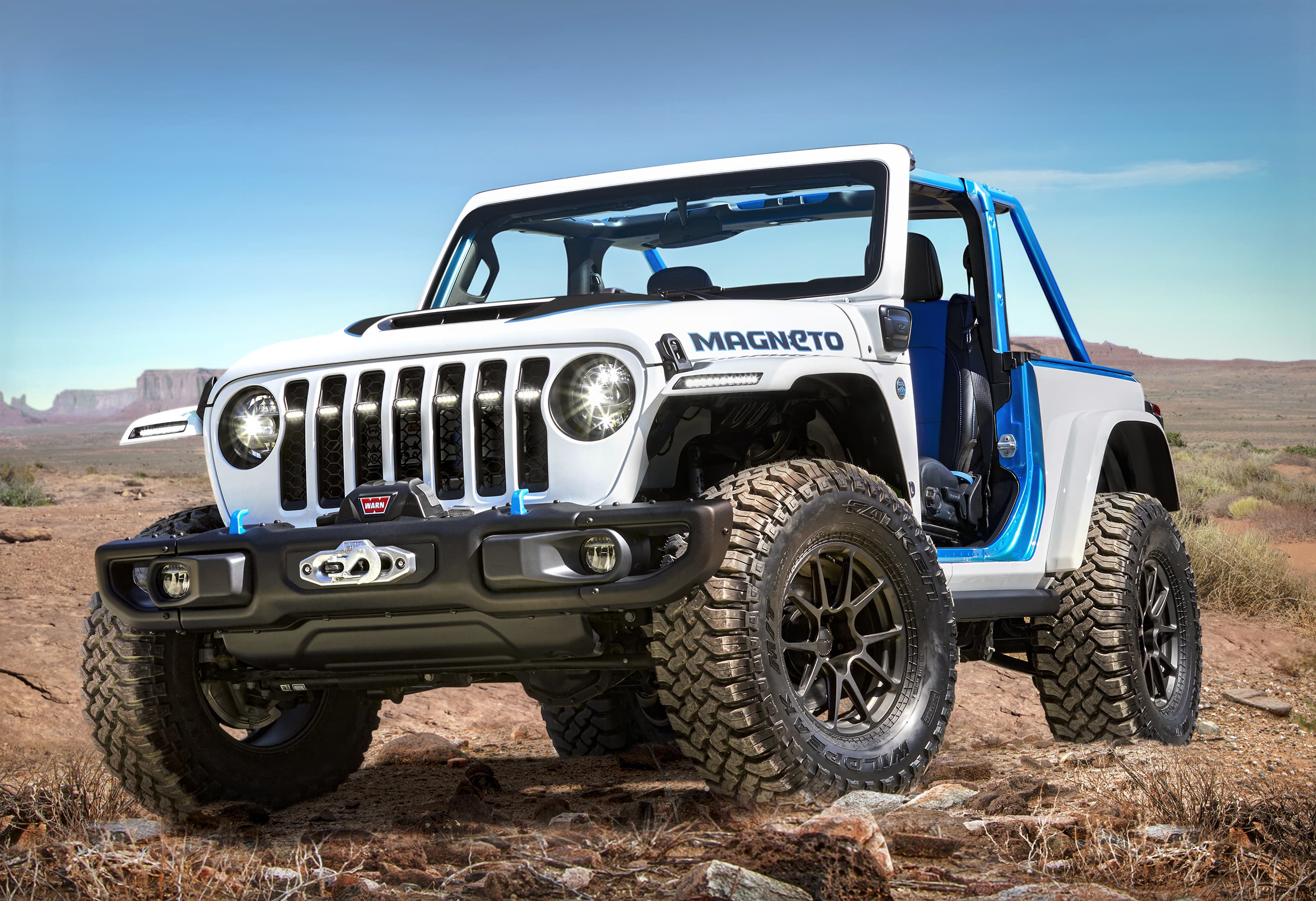
Lift kits are a popular upgrade for Jeep JKs, providing increased ground clearance, allowing for larger tires, and enhancing off-road capability. Different types of lift kits offer varying degrees of performance and complexity:
- Budget Boost (Coil Spacers): This is the most affordable option, involving the installation of spacers on top of the coil springs to raise the vehicle. While it provides a modest lift, it doesn't improve suspension performance and can lead to a stiffer ride.
- Coil Spring Lift: This involves replacing the factory coil springs with taller, higher-rate springs. It provides a more substantial lift than a budget boost and improves ride quality and off-road performance.
- Short Arm Lift: This kit retains the factory control arm geometry but includes longer shocks and coil springs. It's a good option for moderate lifts and provides improved articulation and ride comfort.
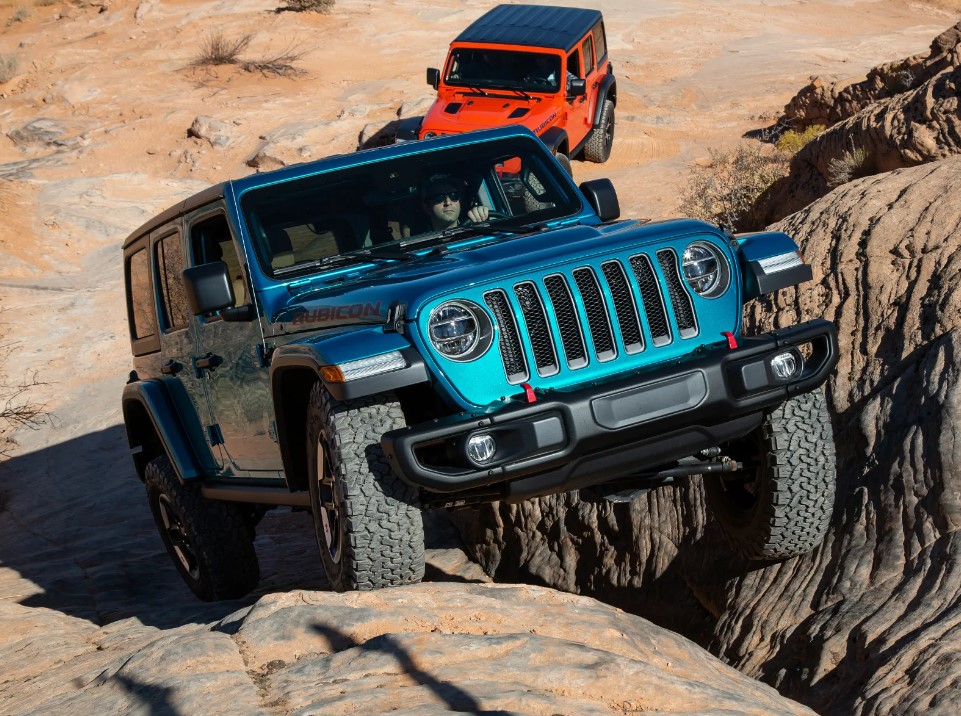
- Long Arm Lift: This is the most comprehensive type of lift kit, replacing the factory control arms with longer arms that attach to new mounting points on the frame. Long arm lifts offer significantly improved articulation, ride quality, and overall off-road performance.
Main Section 3: Choosing the Right Suspension Parts: Factors to Consider
Selecting the appropriate suspension parts for your Jeep JK requires careful consideration of your driving habits, budget, and desired performance. Here are some key factors to keep in mind:
- Intended Use: How will you primarily use your Jeep? If you mostly drive on the road, a modest lift with comfortable shocks and sway bar links may be sufficient. If you plan to tackle challenging off-road trails, a long arm lift with adjustable shocks and sway bar disconnects would be a better choice.
- Tire Size: The size of the tires you want to run will dictate the amount of lift required. Larger tires require more clearance to prevent rubbing, especially when the suspension is flexed.
- Budget: Suspension upgrades can range from a few hundred dollars for a budget boost to several thousand dollars for a complete long arm lift. Set a realistic budget and prioritize the components that will provide the most significant improvement in performance.
- Ride Quality: Consider the impact of different suspension components on ride quality. Stiffer springs and shocks will provide better control on the road but may result in a harsher ride. Adjustable shocks allow you to fine-tune the ride quality to your preferences.
- Installation: Are you comfortable installing the suspension components yourself, or will you need to hire a professional? Some lift kits are relatively easy to install, while others require specialized tools and expertise.
Main Section 4: Tips for a Successful Suspension Upgrade
- Research thoroughly: Before purchasing any suspension components, research different brands and models to ensure they meet your needs and budget. Read reviews and compare specifications to make an informed decision.
- Choose quality components: Invest in reputable brands that use high-quality materials and construction. Skimping on suspension parts can lead to premature wear and failure, compromising safety and performance.
- Install properly: Follow the manufacturer's instructions carefully when installing suspension components. Ensure all bolts are torqued to the correct specifications.
- Get an alignment: After installing a lift kit or replacing suspension components, it's essential to get a professional wheel alignment. This will ensure proper handling and prevent premature tire wear.
- Re-gear if necessary: If you're installing larger tires, you may need to re-gear your axles to maintain proper engine performance. Larger tires effectively change the final drive ratio, reducing power and fuel economy.
Main Section 5: Potential Challenges and Solutions
Upgrading your Jeep JK's suspension can sometimes present challenges. Here are a few common issues and their solutions:
- Vibration Issues: After lifting a JK, vibrations can occur due to changes in driveline angles. Solutions include using transfer case drop kits, adjustable control arms to correct pinion angles, or installing a double cardan driveshaft.
- Steering Issues: Lifting a JK can also affect steering geometry, leading to bump steer or wandering. Adjustable track bars, drag links, and tie rods can help correct these issues.
- Brake Line Issues: Lifting a JK may require longer brake lines to accommodate the increased suspension travel. Ensure the brake lines are long enough to prevent them from being stretched or damaged during articulation.
- ABS Sensor Wire Issues: Check the ABS sensor wires when you lift the car, the wire may be stretched or disconnected causing the ABS light to come on.
Concluding Summary: Elevate Your JK Experience
Upgrading your Jeep JK's suspension is a rewarding investment that can significantly enhance its performance, appearance, and overall driving experience. By understanding the various components, considering your needs, and choosing quality parts, you can transform your JK into a capable and comfortable vehicle for both on-road and off-road adventures. Remember to prioritize safety, proper installation, and regular maintenance to ensure your suspension system performs optimally for years to come. Your Jeep JK is more than just a vehicle; it's a platform for adventure. Invest in its suspension, and it will take you further than you ever thought possible.
Price Table
| Part Description | Brand | Price (USD) | Notes |
|---|---|---|---|
| Coil Spring Set (Front & Rear) | Teraflex | $400-800 | Varies based on lift height and spring rate. |
| Shock Absorber Set (4) | Bilstein | $300-1000 | Varies based on type (hydraulic, gas-charged, remote reservoir). |
| Control Arm Set (Adjustable) | Metalcloak | $800-2000 | Upper and lower control arms, adjustable for proper axle alignment. |
| Track Bar (Adjustable) | JKS | $200-400 | Essential for lifted Jeeps to center the axle. |
| Sway Bar Disconnects | Currie | $250-500 | Allows for improved off-road articulation. |
| Bump Stop Kit | Daystar | $50-150 | Prevents suspension bottoming out. |
| Complete 2.5" Lift Kit | Rough Country | $500-1000 | Includes coil springs, shocks, and necessary hardware. |
| Complete 3.5" Lift Kit | Superlift | $1000-2500 | Includes coil springs, shocks, control arms, and track bar. |
| Long Arm Lift Kit (4.5") | Rock Krawler | $3000-6000+ | Offers significant improvement in articulation and ride quality. |
| Steering Stabilizer | Fox | $150-300 | Dampens vibrations and improves steering control. |
| Brake Line Extensions | Crown | $50-100 | Required for lifts to ensure sufficient brake line length. |
Frequently Asked Questions (FAQ)
-
Q: How much lift do I need to run 35-inch tires on my JK?
- A: Generally, a 2.5-inch to 3.5-inch lift is sufficient to run 35-inch tires on a JK, but proper bump stops and potentially trimming of the fenders may be required.
-
Q: What is the difference between a short arm and a long arm lift?
- A: Short arm lifts retain the factory control arm geometry, while long arm lifts replace the factory control arms with longer arms that attach to new mounting points on the frame. Long arm lifts offer significantly improved articulation and ride quality.
-
Q: Do I need to re-gear my axles if I install larger tires?
- A: It's highly recommended to re-gear your axles if you install larger tires. Larger tires effectively change the final drive ratio, reducing power and fuel economy. Re-gearing restores the optimal gear ratio for your tire size.
-
Q: What are adjustable control arms, and why are they important?
- A: Adjustable control arms allow you to fine-tune the suspension geometry after installing a lift kit. They are important for correcting pinion angles, centering the axles, and improving handling.
-
Q: Can I install a lift kit myself, or should I hire a professional?
- A: The difficulty of installing a lift kit varies depending on the type of kit and your mechanical skills. Budget boosts and coil spring lifts are relatively easy to install, while long arm lifts require specialized tools and expertise. If you're not comfortable working on your vehicle, it's best to hire a professional.
-
Q: How often should I inspect my Jeep JK suspension components?
- A: It's recommended to inspect your suspension components at least every 3,000 miles or every time you change your oil. Check for worn bushings, loose bolts, and any signs of damage.
-
Q: What is bump steer?
- A: Bump steer is the tendency of the steering wheel to turn on its own when the suspension moves up and down. This is caused by the drag link and track bar not being parallel to each other. An adjustable track bar is the best way to correct bump steer.
0 comments