The rugged charm of a Jeep lies in its ability to conquer challenging terrain, a feat largely dependent on a responsive and reliable steering system. The steering parts are the unsung heroes that translate your input into controlled movement, ensuring both on-road comfort and off-road prowess. Understanding these components is crucial for maintaining your Jeep's performance, safety, and overall driving experience. This comprehensive guide will delve into the intricacies of Jeep steering parts, exploring their functions, maintenance, upgrades, and troubleshooting common issues. Whether you're a seasoned off-roader or a daily driver, this knowledge will empower you to keep your Jeep pointed in the right direction.
I. The Steering System: A Symphony of Components
Mastering Your Jeep's Course: A Comprehensive Guide to Jeep Steering Parts
A Jeep's steering system isn't a single entity but a complex network of interconnected parts working in harmony. Let's break down the key players:
-
Steering Wheel: The most obvious component, it's your direct interface with the system.
-
Steering Column: Connects the steering wheel to the steering gearbox, transmitting rotational force.
-
Steering Gearbox (or Steering Rack): This vital component translates the rotational motion from the steering wheel into linear motion to turn the wheels. In older Jeeps, you'll find steering gearboxes, while newer models often utilize steering racks.
-
Pitman Arm (Gearbox Systems): Connects to the steering gearbox output shaft and translates its motion to the steering linkage.
-
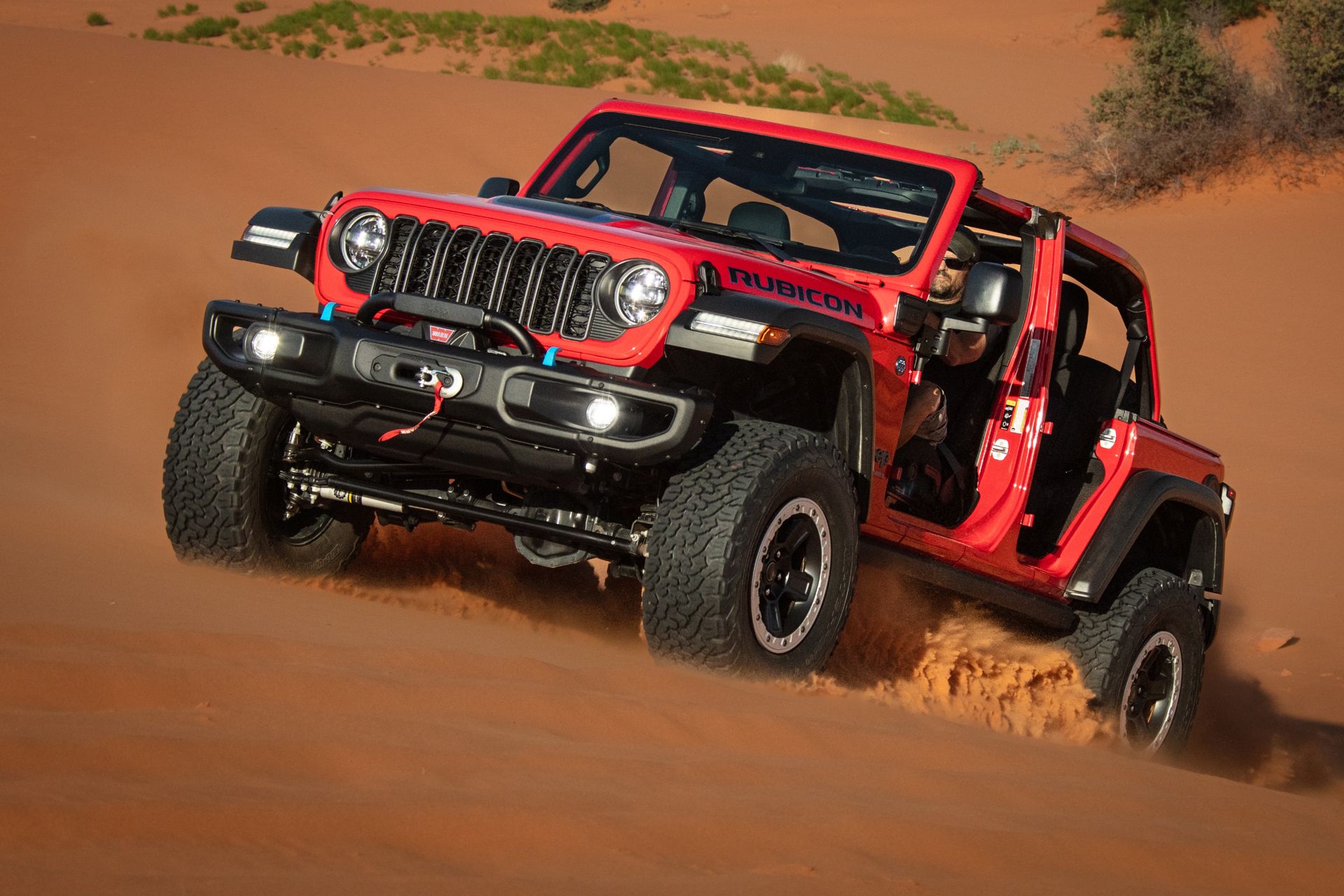
Steering Linkage (Tie Rods, Drag Link): A series of rods and joints that connect the Pitman arm (or steering rack) to the steering knuckles, ultimately turning the wheels.

Steering Knuckles (or Spindles): Pivot points that connect the wheels to the suspension, allowing them to be steered.
-
Ball Joints: Spherical bearings that allow the steering knuckles to move freely.
-
Power Steering Pump (if equipped): Provides hydraulic assistance to reduce steering effort.
-
Power Steering Hoses (if equipped): Carry pressurized power steering fluid between the pump, gearbox/rack, and cooler (if present).
-
Power Steering Fluid Reservoir (if equipped): Holds the power steering fluid.
II. Why Understanding Steering Parts Matters
Knowledge of your Jeep's steering system offers numerous benefits:
-
Improved Safety: A well-maintained steering system is critical for safe driving, allowing you to react quickly and precisely in emergencies.
-
Enhanced Performance: Upgrading steering components can improve handling, responsiveness, and off-road capability.
-
Cost Savings: Identifying and addressing minor issues early can prevent costly repairs down the line.
-
Informed Decision-Making: Understanding the different types of steering components allows you to choose the best options for your Jeep's needs and driving style.
-
DIY Maintenance and Repairs: With the right knowledge and tools, you can perform many steering system maintenance tasks yourself, saving money on labor costs.
III. Steering System Maintenance: Keeping Your Jeep on Track
Regular maintenance is essential for prolonging the life of your steering system and ensuring optimal performance. Here are some key maintenance tasks:
-
Inspect Steering Components: Regularly inspect all steering components for wear, damage, or looseness. Pay close attention to ball joints, tie rod ends, and the Pitman arm. Look for signs of grease leakage, cracks, or excessive play.
-
Check Power Steering Fluid Level: Ensure the power steering fluid is at the correct level. Low fluid can lead to pump damage and reduced steering assist.
-
Flush Power Steering Fluid: Regularly flush the power steering fluid to remove contaminants and prevent wear. Follow your Jeep's service manual for recommended intervals.
-
Grease Fittings: Lubricate all grease fittings on the steering linkage and ball joints. This helps to reduce friction and prevent premature wear.
-
Check Wheel Alignment: Misalignment can cause uneven tire wear and steering problems. Have your wheels aligned periodically, especially after off-roading or installing new suspension components.
-
Inspect Steering Gearbox/Rack: Check for leaks, excessive play, or unusual noises. These can indicate internal damage.
IV. Upgrading Your Jeep's Steering: Enhancing Performance and Capability
Upgrading steering components can significantly improve your Jeep's handling, responsiveness, and off-road capability. Here are some popular upgrade options:
-
Heavy-Duty Tie Rods and Drag Link: These stronger components are designed to withstand the stresses of off-roading, preventing bending or breakage.
-
Reinforced Steering Gearbox/Rack: Upgrading to a stronger gearbox or rack can improve steering precision and durability, especially when running larger tires.
-
Steering Stabilizer: Reduces steering wheel vibrations and "bump steer," improving control on rough terrain.
-
Hydro Assist Steering: Provides hydraulic assistance to the steering linkage, making it easier to turn the wheels when off-roading. This is particularly beneficial for Jeeps with larger tires.
-
High-Performance Power Steering Pump: Improves steering assist and responsiveness, especially at low speeds.
V. Troubleshooting Common Steering Problems
Identifying and addressing steering problems early can prevent them from escalating into more serious issues. Here are some common steering problems and their potential causes:
-
Loose Steering: Excessive play in the steering wheel can be caused by worn ball joints, tie rod ends, or a loose steering gearbox.
-
Hard Steering: Difficulty turning the steering wheel can be caused by low power steering fluid, a failing power steering pump, or a worn steering gearbox.
-
Wandering Steering: The Jeep drifting from side to side can be caused by misaligned wheels, worn suspension components, or a loose steering gearbox.
-
Steering Wheel Vibration: Vibration in the steering wheel can be caused by unbalanced tires, worn suspension components, or a bent wheel.
-
Bump Steer: The steering wheel jerking to the side when hitting a bump can be caused by improper suspension geometry or worn steering components.
VI. Selecting the Right Steering Parts
When replacing or upgrading steering parts, it's crucial to choose components that are compatible with your Jeep's make, model, and year. Consider the following factors:
- Compatibility: Ensure the parts are specifically designed for your Jeep.
- Quality: Choose reputable brands known for producing high-quality steering components.
- Intended Use: Select parts that are appropriate for your driving style and the type of terrain you typically encounter.
- Budget: Steering parts can range in price, so set a budget before you start shopping.
- Reviews: Read reviews from other Jeep owners to get an idea of the quality and performance of different parts.
VII. Replacing Steering Parts: A Step-by-Step Approach
Replacing steering parts can be a challenging task, but it can be done with the right tools and knowledge. Here's a general overview of the process:
- Safety First: Disconnect the battery and use jack stands to safely support the vehicle.
- Loosen Lug Nuts: Loosen the lug nuts on the wheels you'll be working on.
- Raise the Vehicle: Use a jack to raise the vehicle and place jack stands under the frame.
- Remove the Wheel: Remove the wheel.
- Disconnect the Old Part: Disconnect the old steering part from the vehicle. This may involve removing bolts, nuts, or cotter pins.
- Install the New Part: Install the new steering part in the same location as the old one.
- Torque to Spec: Tighten all bolts and nuts to the manufacturer's specifications.
- Reinstall the Wheel: Reinstall the wheel and tighten the lug nuts.
- Lower the Vehicle: Lower the vehicle to the ground.
- Test Drive: Test drive the vehicle to ensure the steering is working properly.
Important Note: Some steering components, such as ball joints and steering gearboxes, require specialized tools and knowledge to replace. If you're not comfortable performing these tasks yourself, it's best to take your Jeep to a qualified mechanic.
VIII. Price Table for Jeep Steering Parts
| Part Name | Description | Estimated Price Range | Notes |
|---|---|---|---|
| Tie Rod End (Inner/Outer) | Connects tie rod to steering knuckle/center link | $20 - $80 each | Price varies by brand and Jeep model. |
| Drag Link | Connects pitman arm to tie rod or steering knuckle | $50 - $200 | Price varies by length and construction (stock vs. heavy-duty). |
| Pitman Arm | Connects steering gearbox to drag link | $40 - $150 | Price depends on Jeep model and material. |
| Steering Gearbox | Converts steering wheel rotation into linear motion for steering | $200 - $800 | Price depends on type (manual, power), and remanufactured vs. new. |
| Steering Stabilizer | Dampens vibrations and reduces bump steer | $50 - $200 | Price depends on brand and type (single, dual). |
| Ball Joint (Upper/Lower) | Allows steering knuckle to pivot | $30 - $100 each | Price varies by brand and Jeep model. |
| Power Steering Pump | Provides hydraulic pressure for power steering | $100 - $400 | Price depends on remanufactured vs. new, and pump type. |
| Power Steering Fluid Reservoir | Holds power steering fluid | $20 - $80 | Price depends on material and Jeep model. |
| Steering Shaft | Connects steering wheel to steering gearbox | $80 - $300 | Price depends on telescopic or not. |
| Steering Knuckle | The part of the steering system where the wheel is mounted | $150 - $500 | Price depends on 2WD or 4WD. |
Disclaimer: Prices are estimates and can vary depending on the vendor, brand, and specific Jeep model. Professional installation costs are not included.
IX. Frequently Asked Questions (FAQ)
-
Q: How often should I inspect my Jeep's steering system?
- A: You should inspect your steering system at least every 6 months, or more frequently if you do a lot of off-roading.
-
Q: What are the signs of a failing steering gearbox?
- A: Signs of a failing steering gearbox include excessive play in the steering wheel, difficulty turning the steering wheel, and leaks.
-
Q: Can I upgrade my Jeep's steering system myself?
- A: Many steering upgrades can be performed by experienced DIYers, but some tasks, such as replacing ball joints or steering gearboxes, require specialized tools and knowledge.
-
Q: What is bump steer?
- A: Bump steer is a phenomenon where the steering wheel jerks to the side when hitting a bump. It's caused by improper suspension geometry or worn steering components.
-
Q: How do I choose the right steering stabilizer for my Jeep?
- A: Consider the size of your tires, the type of terrain you typically encounter, and your budget.
X. Conclusion
The steering system is the lifeline of your Jeep, connecting you to the road and enabling you to conquer any terrain. By understanding the components, performing regular maintenance, and upgrading when necessary, you can ensure your Jeep's steering system remains reliable, responsive, and safe. This knowledge empowers you to take control of your Jeep's performance and enjoy the ultimate driving experience, both on and off the beaten path. Remember to prioritize safety, choose quality parts, and consult with a professional mechanic when needed. With a well-maintained steering system, your Jeep will continue to be a reliable and capable companion for years to come.
0 comments