Radio-controlled (RC) Jeeps offer a thrilling blend of hobbyism, engineering, and outdoor adventure. They're miniature versions of the iconic off-road vehicles, capable of tackling challenging terrains and providing hours of entertainment. But the magic truly happens when you start customizing and upgrading your RC Jeep with specialized RC Jeep parts. This article will be your comprehensive guide to navigating the world of RC Jeep parts, from understanding the basics to executing complex modifications and conquering the trails.
Introduction: The World of RC Jeep Customization
RC Jeep Parts: Building, Modifying, and Conquering the Trails
RC Jeeps are more than just toys; they're scale models that can be meticulously customized and upgraded to reflect their real-world counterparts. The availability of RC Jeep parts allows enthusiasts to personalize their rigs for specific purposes, whether it's extreme rock crawling, scale realism, or simply enhancing performance and durability. From swapping out axles to installing LED lighting, the possibilities are virtually endless. Understanding the different types of parts, their functions, and how they interact is crucial for successful RC Jeep customization. This article will guide you through the essential aspects of RC Jeep parts, empowering you to build the ultimate off-road machine.
Section 1: Essential RC Jeep Parts: The Foundation of Your Build
Before diving into the world of upgrades, it's essential to understand the core components that make up an RC Jeep. These parts form the foundation upon which you'll build your customized rig:
- Chassis: The backbone of your RC Jeep, providing the structural support for all other components. Chassis can be made from plastic, aluminum, or carbon fiber, each offering different levels of strength, weight, and flexibility. Aluminum chassis are generally preferred for their durability, especially for aggressive off-roading.
- Body: The exterior shell of your RC Jeep, providing the iconic Jeep look. Bodies are typically made from polycarbonate or ABS plastic and can be painted and detailed for scale realism. They can also be swapped out for different Jeep models or custom designs.
- Motor: The powerhouse that drives your RC Jeep. Motors come in brushed and brushless varieties. Brushless motors offer greater efficiency, power, and lifespan compared to brushed motors. The motor's Kv rating (kilovolts) determines its speed and torque characteristics.
- Electronic Speed Controller (ESC): The ESC regulates the power flow from the battery to the motor, controlling the speed and direction of your RC Jeep. Choosing the right ESC is crucial for matching the motor's requirements and providing smooth throttle control.
- Battery: Provides the power source for your RC Jeep. Lithium Polymer (LiPo) batteries are the most common choice due to their high energy density and lightweight. Voltage (V) and capacity (mAh) are key specifications to consider.
- Servo: Controls the steering of your RC Jeep. Servo torque is a critical factor, especially for navigating challenging terrain. Digital servos offer more precise control and faster response times compared to analog servos.
- Radio System: Consists of the transmitter (remote control) and receiver. The radio system allows you to control your RC Jeep's speed, steering, and other functions. Modern radio systems often feature multiple channels for controlling additional accessories like lights or winches.
- Axles: Transfer power from the drivetrain to the wheels. Axles can be solid (common for off-road Jeeps) or independent. Upgrading to stronger axles is often necessary for handling more powerful motors and aggressive driving.
- Suspension: Absorbs shocks and provides articulation, allowing your RC Jeep to navigate uneven terrain. Suspension components include shocks, springs, and links.
- Wheels and Tires: The point of contact between your RC Jeep and the ground. Tire tread pattern and compound significantly impact traction and performance.
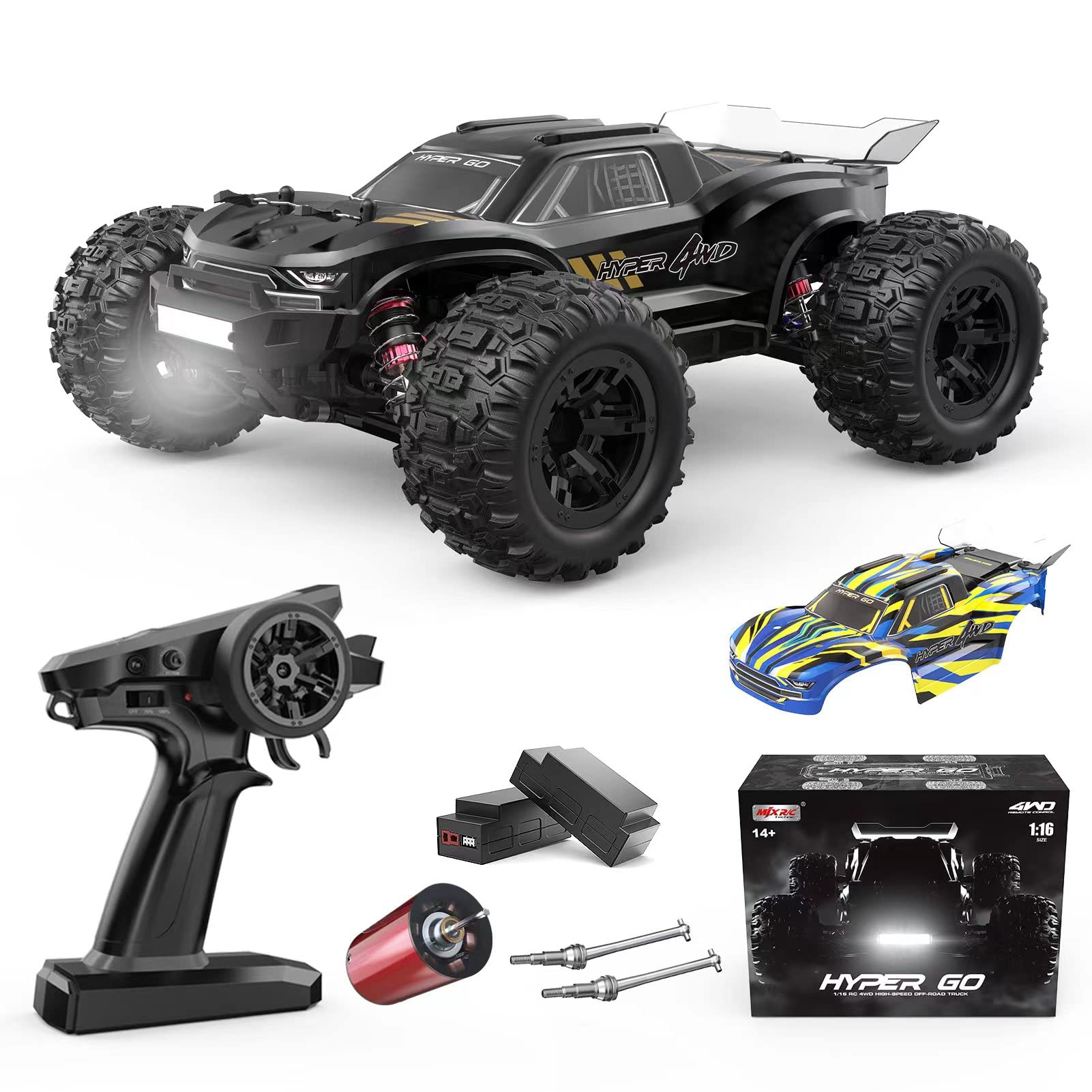
Section 2: Upgrading for Performance: Taking Your RC Jeep to the Next Level
Once you're familiar with the essential components, you can start upgrading your RC Jeep for enhanced performance:
- Motor Upgrades: Switching to a brushless motor provides significant improvements in power, efficiency, and lifespan. Consider the terrain you'll be driving on when choosing a motor with the appropriate Kv rating.
- ESC Upgrades: A more powerful ESC can handle the increased demands of a brushless motor and provide smoother throttle control. Look for features like drag brake (to prevent rolling downhill) and programmable settings.
- Battery Upgrades: Increasing the battery's voltage or capacity will provide more power and longer run times. Ensure your ESC and motor are compatible with the new battery.
- Servo Upgrades: A high-torque servo will provide more precise steering control, especially when navigating challenging obstacles.
- Axle Upgrades: Upgrading to stronger axles made from steel or aluminum is crucial for handling more powerful motors and preventing breakage.
- Suspension Upgrades: Installing adjustable shocks and stronger springs allows you to fine-tune the suspension for optimal performance on different terrains. Consider long-travel shocks for increased articulation.
- Tire Upgrades: Switching to tires with a more aggressive tread pattern or a softer compound can significantly improve traction on loose surfaces. Consider tire size and sidewall height based on your terrain and driving style.
Section 3: Customization for Scale Realism: Making Your RC Jeep Look Authentic
Beyond performance, many RC Jeep enthusiasts focus on achieving scale realism. This involves adding details that replicate the appearance of real-world Jeeps:
- Body Detailing: Adding scale accessories like mirrors, windshield wipers, and door handles can greatly enhance the realism of your RC Jeep.
- Lighting: Installing LED headlights, taillights, and rock lights adds a functional and visually appealing element.
- Interior Detailing: Adding a detailed interior with seats, a dashboard, and a steering wheel can create a more immersive experience.
- Paint and Decals: Applying a realistic paint scheme and adding decals can transform your RC Jeep into a miniature replica of your favorite off-road vehicle.
- Scale Accessories: Adding scale accessories like winches, roof racks, and spare tires further enhances the realism of your RC Jeep.
Section 4: Practical Tips and Considerations
- Research and Compatibility: Before purchasing any RC Jeep parts, research their compatibility with your specific model and existing components.
- Read Reviews: Read reviews from other RC Jeep enthusiasts to get an idea of the quality and performance of different parts.
- Start Small: Begin with basic upgrades and gradually work your way up to more complex modifications.
- Use the Right Tools: Invest in a set of quality tools to make installation and maintenance easier.
- Take Your Time: Don't rush the installation process. Take your time and follow the instructions carefully.
- Maintenance is Key: Regularly clean and maintain your RC Jeep to ensure optimal performance and longevity.
Section 5: Potential Challenges and Solutions
- Compatibility Issues: Solution: Thoroughly research part compatibility before purchasing.
- Installation Difficulties: Solution: Watch online tutorials and seek help from experienced RC enthusiasts.
- Broken Parts: Solution: Invest in high-quality parts and drive responsibly.
- Overheating: Solution: Use a heat sink and fan to cool the motor and ESC.
- Stripped Screws: Solution: Use the correct size screwdriver and avoid over-tightening screws.
Section 6: Table Price
| Part | Description | Price Range (USD) |
|---|---|---|
| Brushed Motor | Basic motor for beginners | $15 - $30 |
| Brushless Motor | More powerful and efficient motor | $40 - $150 |
| ESC (Brushed) | Speed controller for brushed motor | $20 - $50 |
| ESC (Brushless) | Speed controller for brushless motor | $50 - $200 |
| LiPo Battery (2S) | Common battery type for RC vehicles | $20 - $60 |
| LiPo Battery (3S) | Higher voltage battery for more power | $30 - $80 |
| Servo (Standard) | Basic steering servo | $10 - $25 |
| Servo (High Torque) | Stronger servo for challenging terrain | $30 - $100 |
| Aluminum Chassis | Durable and rigid chassis upgrade | $50 - $150 |
| Steel Axles | Stronger axles to prevent breakage | $40 - $100 (per axle) |
| Shock Absorbers (Aluminum) | Adjustable shocks for improved suspension performance | $30 - $80 (per pair) |
| Off-Road Tires | Tires with aggressive tread for better traction | $20 - $50 (per pair) |
| LED Lighting Kit | Adds realistic lighting to your RC Jeep | $15 - $40 |
| Winch | Scale winch for pulling your RC Jeep out of tough spots | $30 - $80 |
| Body Shell (Polycarbonate) | Replacement or custom body shell | $30 - $80 |
Conclusion: The Endless Possibilities of RC Jeep Customization
The world of RC Jeep parts offers a vast playground for creativity and engineering. By understanding the different components, exploring upgrade options, and embracing customization, you can transform your RC Jeep into a high-performing, scale-accurate replica that reflects your personal style. Remember to prioritize research, compatibility, and quality when selecting parts. With a little patience and effort, you can build an RC Jeep that's ready to conquer any trail.
Frequently Asked Questions (FAQ)
-
Q: What is the best motor for rock crawling?
- A: A brushless motor with a low Kv rating (e.g., 1000-2000 Kv) is ideal for rock crawling, as it provides high torque at low speeds.
-
Q: How do I choose the right ESC for my motor?
- A: Select an ESC that can handle the motor's maximum current draw. The ESC's specifications should be clearly labeled.
-
Q: What are the benefits of upgrading to aluminum axles?
- A: Aluminum axles are significantly stronger than plastic axles, reducing the risk of breakage when subjected to high stress.
-
Q: How do I install LED lighting on my RC Jeep?
- A: Most LED lighting kits come with detailed instructions. You'll typically need to connect the LEDs to a power source and mount them on the body.
-
Q: Where can I buy RC Jeep parts?
- A: RC Jeep parts are available from online retailers, hobby shops, and specialized RC parts stores.
-
Q: How do I know if a part is compatible with my RC Jeep?
- A: Check the part's specifications and compare them to your RC Jeep's model and existing components. If unsure, consult with an experienced RC enthusiast or the retailer.
-
Q: What is the best way to maintain my RC Jeep?
- A: Regularly clean your RC Jeep, lubricate moving parts, and inspect for any signs of damage. Replace worn parts as needed.
-
Q: Can I use parts from different brands on my RC Jeep?
- A: Yes, but it's important to ensure compatibility. Some parts may require modifications to fit properly.
-
Q: What is the difference between 2S and 3S LiPo batteries?
- A: 2S batteries have a nominal voltage of 7.4V, while 3S batteries have a nominal voltage of 11.1V. 3S batteries provide more power and speed.
-
Q: How do I choose the right tires for my RC Jeep?
- A: Consider the terrain you'll be driving on. Tires with aggressive tread patterns are best for loose surfaces, while tires with smoother tread patterns are better for hard surfaces.

0 comments