The 1943 Willys MB Jeep is more than just a vehicle; it's a symbol of American ingenuity, resilience, and the spirit of freedom. Born out of necessity during World War II, these rugged, versatile machines played a critical role in the Allied victory. Today, countless enthusiasts dedicate their time and resources to preserving these historical icons, a task that invariably involves sourcing and understanding 1943 Willys Jeep parts. This comprehensive guide aims to equip you with the knowledge needed to successfully navigate the world of 1943 Willys MB Jeep parts, whether you're embarking on a full restoration, performing routine maintenance, or simply seeking to understand the intricate workings of this legendary vehicle.
Why 1943 Willys Jeep Parts Matter
Restoring History: A Comprehensive Guide to 1943 Willys Jeep Parts
Preserving the authenticity of a 1943 Willys MB Jeep goes beyond simply keeping it running. Original or accurate reproduction parts maintain the vehicle's historical integrity, contributing to its value and ensuring it remains a faithful representation of its wartime counterpart. Using correct parts not only honors the original design and engineering but also often ensures optimal performance and reliability, crucial for those who actually use their Jeeps for off-road adventures or historical reenactments. Moreover, the scarcity of original parts makes their acquisition and proper use a vital part of the preservation effort, connecting modern enthusiasts to the legacy of the Greatest Generation.
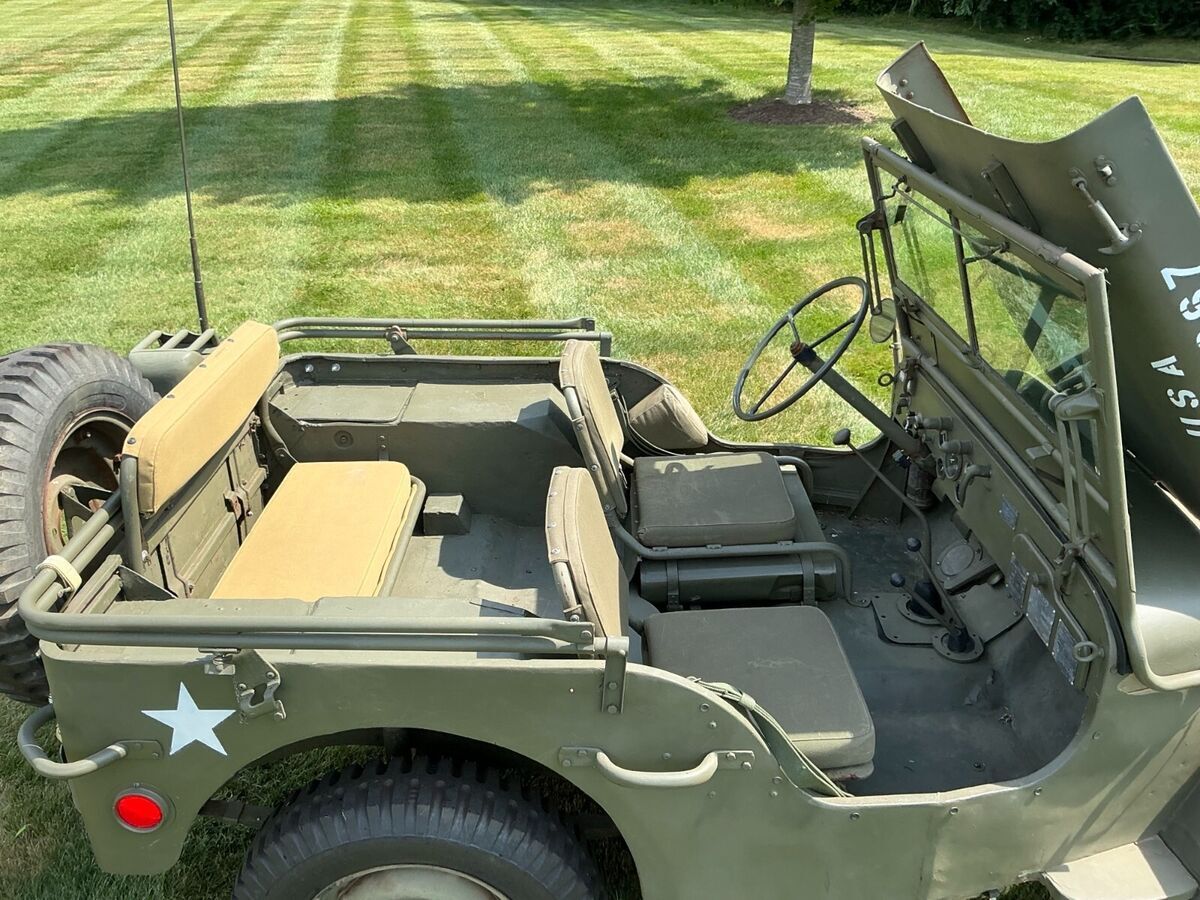
Section 1: Understanding the 1943 Willys MB Jeep Anatomy
Before diving into specific parts, it's essential to understand the key systems and components that comprise a 1943 Willys MB Jeep. This will help you identify the parts you need and understand their function within the overall vehicle.
- Engine: The heart of the Jeep is the L134 "Go-Devil" engine, a 2.2-liter inline-four producing around 60 horsepower. Key engine parts include the cylinder head, block, pistons, connecting rods, crankshaft, camshaft, valves, and associated gaskets and seals.
- Transmission: The Jeep utilizes a Warner T-84 three-speed manual transmission, known for its robust design. Important transmission parts include gears, shafts, bearings, seals, and synchronizers.
- Transfer Case: The Dana 18 transfer case allows the Jeep to switch between two-wheel and four-wheel drive. Essential transfer case parts consist of gears, shafts, bearings, seals, and shift levers.
- Axles: Dana 25 front and Dana 23-2 rear axles provide the Jeep with its off-road capability. Key axle parts include the differential, gears, bearings, seals, axle shafts, and hubs.
- Suspension: The Jeep's suspension consists of leaf springs and shock absorbers, providing a relatively simple but effective ride. Important suspension parts are leaf springs, shackles, shock absorbers, and U-bolts.
- Brakes: Mechanical drum brakes provide stopping power. Key brake parts include brake shoes, brake drums, wheel cylinders, master cylinder, and brake lines.
- Steering: A manual steering system controls the Jeep's direction. Important steering parts consist of the steering wheel, steering box, tie rods, and drag link.
- Body: The iconic Jeep body is made of stamped steel. Key body parts include the hood, fenders, grille, windshield, and tub.
- Electrical System: A 6-volt electrical system powers the Jeep's lights and ignition. Important electrical parts are the battery, generator, starter, wiring harness, and lights.

Section 2: Sourcing 1943 Willys Jeep Parts
Finding authentic or high-quality reproduction parts for a 1943 Willys MB Jeep can be a challenge. Here are some reliable sources:
- Specialty Jeep Parts Suppliers: Several companies specialize in vintage Jeep parts, offering a wide range of new, used, and reproduction components. These suppliers often have extensive knowledge of the 1943 Willys MB Jeep and can provide valuable advice. Examples include KaiserWillys, Walck's Four Wheel Drive, and Army Jeep Parts.
- Online Marketplaces: Websites like eBay and Craigslist can be good sources for used and NOS (New Old Stock) parts. However, exercise caution when buying from online marketplaces, as the quality and authenticity of parts can vary.
- Jeep Clubs and Forums: Jeep clubs and online forums are valuable resources for connecting with other enthusiasts who may have parts for sale or know where to find them.
- Auctions and Swap Meets: Antique car auctions and swap meets can be excellent places to find rare and hard-to-find parts.
- Original Manufacturers: While many original manufacturers are no longer in business, some companies still produce reproduction parts under license from the original manufacturers.

Section 3: Evaluating Part Quality and Authenticity
When sourcing 1943 Willys MB Jeep parts, it's crucial to evaluate their quality and authenticity. Here are some tips:
- Check for Original Markings: Original parts often have markings or stamps indicating the manufacturer and part number. Research these markings to verify authenticity.
- Inspect the Finish and Construction: Original parts typically have a specific finish and construction style. Compare the part to original examples to identify any discrepancies.
- Consider the Material: The original parts were made from specific materials, such as steel, cast iron, or rubber. Ensure that the replacement part is made from the same material.
- Buy from Reputable Suppliers: Purchasing parts from reputable suppliers increases the likelihood of receiving high-quality, authentic components.
- Ask Questions: Don't hesitate to ask the seller questions about the part's history, condition, and authenticity.
Section 4: Common 1943 Willys Jeep Parts and Their Replacements
Here's a breakdown of some common 1943 Willys MB Jeep parts and potential replacement options:
- Engine Parts:
- Head Gasket: Critical for sealing the cylinder head to the block. High-quality replacement gaskets are readily available.
- Pistons and Rings: Often require replacement due to wear and tear. New pistons and rings are available in standard and oversized dimensions.
- Valves: Can be worn or damaged over time. New valves and valve guides are available.
- Carburetor: The original Carter carburetor can be rebuilt or replaced with a new reproduction.
- Transmission and Transfer Case Parts:
- Gears: Can be damaged due to wear and tear. New gears are available, but ensure they are compatible with the T-84 transmission and Dana 18 transfer case.
- Bearings: Often require replacement during a rebuild. High-quality bearings are crucial for smooth operation.
- Seals: Essential for preventing leaks. Replace all seals during a rebuild.
- Axle Parts:
- Axle Shafts: Can break due to stress. New axle shafts are available.
- Wheel Bearings: Require regular lubrication and replacement when worn.
- Differential Gears: Can be damaged due to wear and tear. New differential gears are available.
- Brake Parts:
- Brake Shoes: Wear out over time. Replace brake shoes as needed.
- Wheel Cylinders: Can leak or seize. Replace wheel cylinders as needed.
- Master Cylinder: Can leak or fail. Replace the master cylinder as needed.
- Body Parts:
- Floor Pans: Often rust out and require replacement. New floor pans are available.
- Fenders: Can be damaged due to accidents or rust. New fenders are available.
- Grille: A key element of the Jeep's iconic look. New grilles are available.
Section 5: Tips for Restoring and Maintaining Your 1943 Willys Jeep
- Take Your Time: Restoration is a marathon, not a sprint. Don't rush the process.
- Document Everything: Take photos and notes throughout the restoration process.
- Clean and Inspect Parts Carefully: Before installing any part, clean it thoroughly and inspect it for damage.
- Use the Correct Tools: Using the correct tools will prevent damage to parts and make the job easier.
- Consult the Original Manuals: The original Willys MB Jeep manuals are invaluable resources for understanding the vehicle's assembly and maintenance procedures.
- Join a Jeep Club: Connecting with other Jeep enthusiasts can provide valuable advice and support.
- Preserve Originality Whenever Possible: When replacing parts, try to use original or accurate reproduction parts to maintain the Jeep's historical integrity.
- Regular Maintenance: Perform regular maintenance to keep your Jeep running smoothly and prevent future problems.
Section 6: Potential Challenges and Solutions
Restoring a 1943 Willys MB Jeep can present several challenges:
- Finding Rare Parts: Some parts are extremely rare and difficult to find. Be patient and persistent in your search.
- Dealing with Rust: Rust is a common problem on vintage Jeeps. Remove rust thoroughly and protect the metal with a rust-preventative coating.
- Rebuilding the Engine or Transmission: Rebuilding the engine or transmission can be a complex task. Consider hiring a professional if you lack experience.
- Maintaining the 6-Volt Electrical System: The 6-volt electrical system can be finicky. Ensure all connections are clean and tight.
Price Table for Common 1943 Willys Jeep Parts:
| Part Description | Condition | Estimated Price Range | Notes |
|---|---|---|---|
| Engine Head Gasket | New | $20 - $40 | High-quality replacement recommended. |
| Piston Set (4) | New | $150 - $300 | Standard or oversized, specify when ordering. |
| Carburetor (Carter WO) | Rebuilt | $250 - $400 | Verify correct model for 1943 MB. |
| Transmission Gear Set | New | $400 - $600 | Includes main gears, check compatibility. |
| Transfer Case Seal Kit | New | $30 - $50 | Includes all necessary seals for a complete reseal. |
| Axle Shaft (Front or Rear) | New | $100 - $200 | Specify front or rear, driver or passenger side. |
| Brake Shoe Set (4) | New | $50 - $80 | Complete set for all four wheels. |
| Wheel Cylinder | New | $40 - $60 | Specify front or rear. |
| Floor Pan (Driver or Pass) | New | $150 - $250 | Sold individually, specify driver or passenger side. |
| Front Fender | New | $300 - $500 | Unpainted, ready for primer and paint. |
| Grille | New | $400 - $600 | Reproduction grille, ensure correct slat count. |
Frequently Asked Questions (FAQ)
- Q: Where can I find the original part number for my 1943 Willys Jeep part?
- A: Consult the original Willys MB parts manual or online parts databases. Many parts suppliers also have catalogs with part number information.
- Q: Are reproduction parts as good as original parts?
- A: The quality of reproduction parts can vary. Choose reputable suppliers and research the part before buying. Some reproduction parts are made to high standards and are nearly identical to the originals.
- Q: Can I convert my 1943 Willys Jeep to a 12-volt electrical system?
- A: Yes, it is possible to convert to a 12-volt system, but it requires replacing the battery, generator, starter, and all 6-volt components with 12-volt versions. This conversion will detract from originality.
- Q: How do I identify a 1943 Willys MB Jeep from other years?
- A: Check the serial number, which is located on the frame rail. Consult a Willys MB Jeep serial number guide to determine the year of manufacture. Other distinguishing features include the script "Willys" or "Ford" on some early models and specific body details.
- Q: Is it possible to completely restore a 1943 Willys MB Jeep to its original condition?
- A: Yes, it is possible, but it requires significant time, effort, and resources. Finding all the correct parts can be a challenge, but with dedication and patience, a full restoration is achievable.
Conclusion
Restoring a 1943 Willys MB Jeep is a rewarding journey that connects you to a piece of history. By understanding the vehicle's anatomy, sourcing parts carefully, and maintaining attention to detail, you can preserve this iconic machine for future generations. Remember to take your time, consult the original manuals, and connect with other Jeep enthusiasts for support and guidance. The roar of the Go-Devil engine and the feel of the wind in your hair will be a testament to your dedication and a tribute to the legacy of the 1943 Willys MB Jeep.
0 comments