The Willys MB and Ford GPW, iconic vehicles of World War II, stand as testaments to ingenuity, durability, and the spirit of freedom. These jeeps, almost identical in design and function, played a crucial role in Allied victory. For enthusiasts and restorers, maintaining the authenticity of these historical vehicles is paramount. That's where GPW Jeep Parts come in. This article serves as a comprehensive guide to understanding, sourcing, and utilizing GPW Jeep Parts to preserve these invaluable pieces of history.
What are GPW Jeep Parts and Why are They Important?
Restoring History: A Comprehensive Guide to GPW Jeep Parts
GPW Jeep Parts specifically refer to components manufactured for the Ford GPW jeep, produced under license from Willys-Overland during World War II. While visually nearly identical to the Willys MB parts, subtle differences exist in markings, manufacturing processes, and sometimes even material composition.
The importance of using authentic GPW Jeep Parts lies in several factors:
- Historical Accuracy: For purists and collectors, maintaining historical accuracy is essential. Using correct GPW parts ensures the jeep reflects its original wartime configuration, preserving its historical significance.
- Investment Value: A meticulously restored GPW with original or correct reproduction parts significantly increases its value as a collector's item.
- Performance and Reliability: While modern replacement parts might seem appealing, genuine or high-quality reproduction GPW parts are often engineered to the original specifications, ensuring proper fit, function, and long-term reliability.
- Preservation of Heritage: By restoring and maintaining these vehicles with authentic parts, we contribute to preserving the legacy of the GPW and its role in history.
Understanding the Differences: GPW vs. Willys MB Parts
While visually similar, subtle differences exist between GPW and Willys MB parts. These differences often lie in:
- Manufacturer Markings: Ford parts are often stamped with the "F" mark, indicating Ford production. These markings can be found on various components, including bolts, brackets, and larger parts like the frame.
- Serial Numbers: Ford used a distinct serial numbering system for their GPW frames and engines. These numbers can be crucial for identifying a genuine GPW.
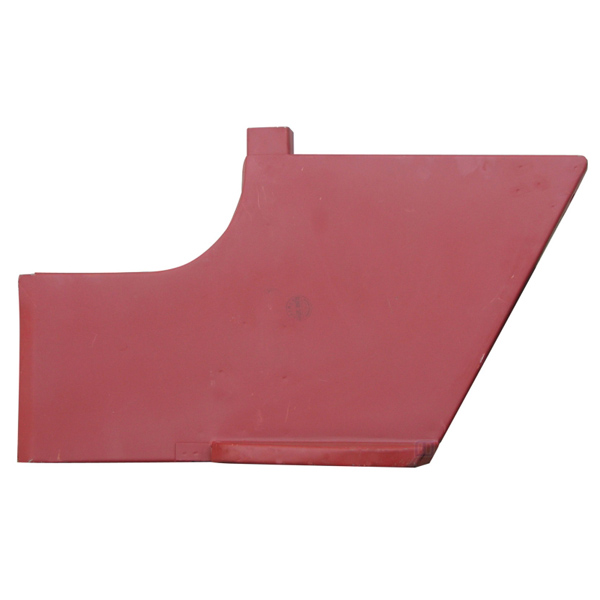
- Minor Design Variations: In some instances, slight design variations exist due to differences in manufacturing processes. For example, the shape of a particular bracket or the style of a bolt head might differ slightly between the two manufacturers.
- Material Composition: While generally similar, there might be subtle differences in the steel alloys or other materials used by Ford compared to Willys-Overland.
Identifying these differences requires careful examination and knowledge of GPW specifications. Numerous online resources, reference books, and experienced restorers can assist in authenticating parts.
Sourcing GPW Jeep Parts: A Guide to Finding Authentic Components
Finding genuine GPW parts can be a challenging but rewarding endeavor. Here are some avenues to explore:
- Online Marketplaces and Auctions: Websites like eBay, specialized military vehicle forums, and online auction sites often feature listings for GPW parts. Exercise caution and thoroughly research sellers before making a purchase.
- Military Vehicle Shows and Swap Meets: These events are a treasure trove of vintage military vehicle parts. They provide opportunities to inspect parts in person, meet other enthusiasts, and negotiate prices.
- Specialized Restoration Shops: Many restoration shops specializing in WWII vehicles have extensive inventories of original and reproduction parts. They can also offer valuable advice and guidance.
- Antique Auto Parts Dealers: Some antique auto parts dealers specialize in vintage military vehicles and may have GPW parts in their inventory.
- Reproduction Parts Manufacturers: Several reputable manufacturers produce high-quality reproduction GPW parts that closely match the originals. These are a good option when original parts are unavailable or prohibitively expensive.
Important Considerations When Purchasing GPW Parts:
- Condition: Carefully assess the condition of used parts. Look for signs of rust, damage, or wear. Consider the cost of restoration versus the cost of a replacement.
- Authenticity: Verify the authenticity of the part. Look for manufacturer markings, compare it to reference materials, and consult with experienced restorers.
- Compatibility: Ensure the part is compatible with your specific GPW model and year.
- Price: Compare prices from different sources to ensure you are getting a fair deal. Be wary of deals that seem too good to be true.
- Seller Reputation: Research the seller's reputation before making a purchase. Read reviews and ask for references.
Essential GPW Jeep Parts for Restoration:
Certain parts are more critical for restoration than others. These include:
- Frame: The backbone of the jeep. Ensure it is straight and free from significant rust or damage.
- Engine: A rebuildable original engine is highly desirable. Look for correct serial numbers.
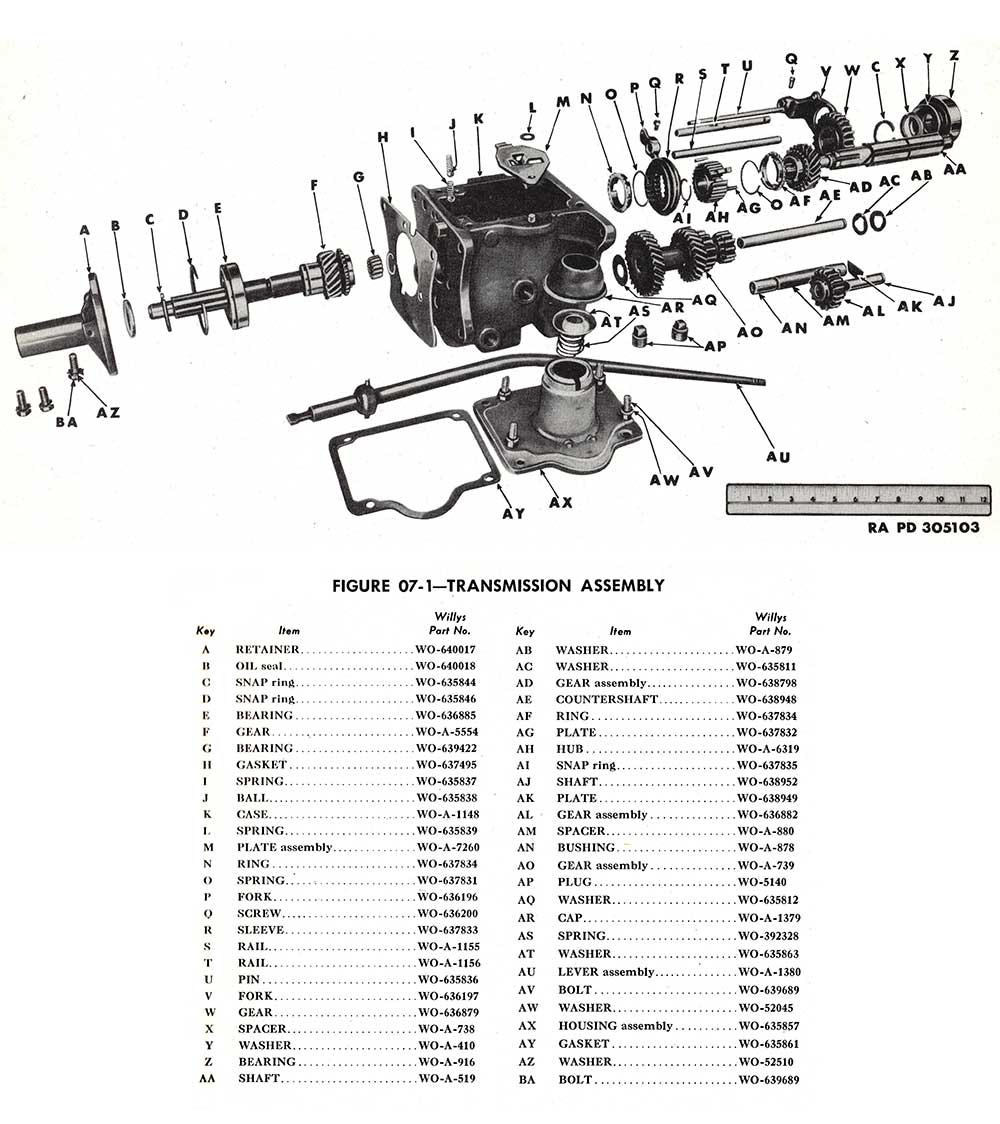
- Transmission and Transfer Case: These components are crucial for proper function. Inspect for wear and damage.
- Axles: Inspect for bent axles, worn bearings, and damaged differentials.
- Body Tub: The body tub is often heavily rusted. Consider repairing or replacing it with a reproduction tub.
- Wheels and Tires: Original combat wheels and non-directional tires are essential for authenticity.
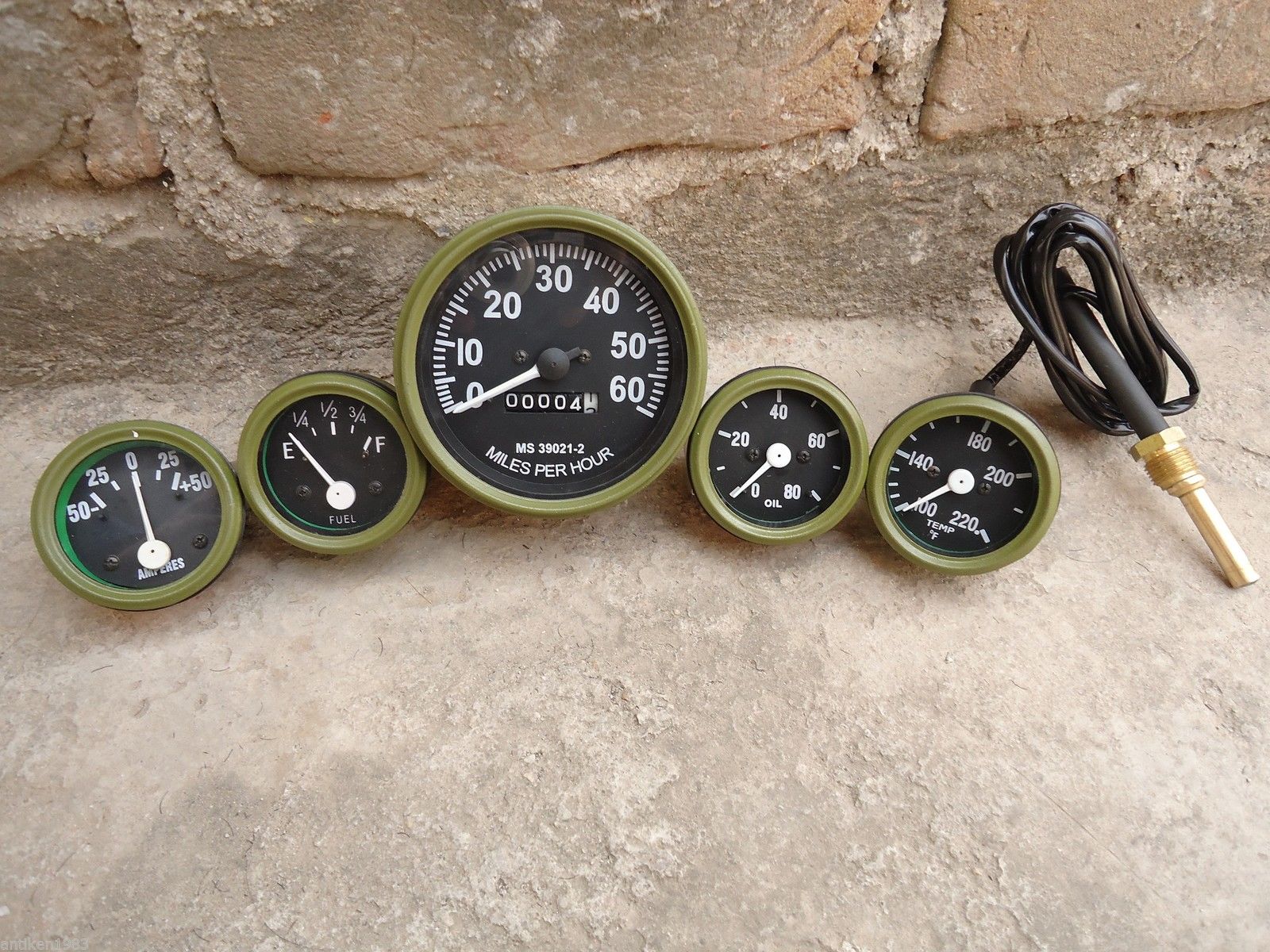
- Electrical System: Replace deteriorated wiring and ensure all electrical components are functioning correctly.
- Canvas Top and Seats: These components complete the jeep's appearance.
Tips for Restoring a GPW Jeep:
- Thorough Research: Before starting your restoration, thoroughly research the GPW specifications and original configurations.
- Detailed Documentation: Document every step of the restoration process, including photos, notes, and receipts.
- Patience and Perseverance: Restoring a GPW is a time-consuming and challenging process. Be patient and persevere through setbacks.
- Seek Expert Advice: Don't hesitate to seek advice from experienced restorers or specialized shops.
- Quality over Quantity: Focus on using high-quality parts and workmanship, even if it means taking longer to complete the project.
Potential Challenges and Solutions:
- Finding Rare Parts: Some GPW parts are extremely rare and difficult to find. Consider using reproduction parts or fabricating them yourself.
- Dealing with Rust: Rust is a common problem in vintage vehicles. Use appropriate rust removal techniques and protect restored parts with rust inhibitors.
- Incorrect Parts: Ensure you are using the correct parts for your specific GPW model and year.
- High Costs: Restoration can be expensive. Set a budget and prioritize essential repairs.
Price table of GPW Jeep Parts:
| Part | Description | Condition | Price Range (USD) | Notes |
|---|---|---|---|---|
| Frame | Bare frame, no modifications | Used/Good | $800 - $2,500 | Price varies greatly depending on rust and damage. Look for original "F" markings. |
| Engine (Block Only) | Original Ford GPW Engine Block | Used/Core | $500 - $1,500 | Condition is critical. Check for cracks and damage. Requires a complete rebuild. |
| Transmission | Original Ford GPW Transmission | Used/Rebuilt | $400 - $1,200 | Condition will vary. Rebuilt transmissions command higher prices. |
| Transfer Case | Original Ford GPW Transfer Case | Used/Rebuilt | $300 - $900 | Similar to transmission, condition is a key factor. |
| Axle (Front or Rear) | Complete axle assembly | Used/Rebuilt | $300 - $1,000 | Check for bent axles and damaged differentials. |
| Body Tub | Steel body tub, no accessories | Used/New | $1,000 - $4,000 | Used tubs are often rusted. New reproduction tubs offer a rust-free alternative. |
| Combat Wheel | Original combat wheel (each) | Used/Restored | $50 - $200 | Check for dents and rust. Restored wheels command higher prices. |
| Data Plates (Set) | Set of correct data plates (reproduction) | New | $50 - $150 | Critical for historical accuracy. |
| Steering Wheel | Original Ford GPW Steering Wheel | Used/Restored | $100 - $500 | Look for cracks and damage. Restored wheels are more expensive. |
| Wiring Harness | Complete wiring harness (reproduction) | New | $200 - $400 | Essential for a safe and reliable electrical system. |
| Carburetor | Original Carter Carburetor (rebuilt) | Rebuilt | $200 - $500 | Ensure it's the correct model for the GPW. |
| Fuel Pump | Original AC Fuel Pump (rebuilt) | Rebuilt | $100 - $300 | Ensure it's the correct model for the GPW. |
| Radiator | Original Radiator (rebuilt) | Rebuilt | $300 - $600 | Check for leaks and corrosion. |
| Seat Set (Canvas) | Complete seat set, canvas covering | New | $300 - $600 | Choose high-quality canvas for durability. |
| Canvas Top | Complete canvas top with bows | New | $500 - $1,000 | Choose high-quality canvas and ensure the bows are correct for the GPW. |
Note: Prices are approximate and can vary depending on the source, condition, and availability of the part.
Frequently Asked Questions (FAQ):
- Q: How can I tell if a part is from a GPW or a Willys MB?
- A: Look for the "F" marking on Ford parts. Check the serial numbers on the frame and engine. Consult reference materials and experienced restorers.
- Q: Where is the frame serial number located on a GPW?
- A: On the top of the left-hand frame rail, near the front spring hanger.
- Q: Are reproduction GPW parts as good as original parts?
- A: High-quality reproduction parts can be excellent alternatives to original parts, especially when originals are unavailable or prohibitively expensive. Choose reputable manufacturers.
- Q: What is the best way to remove rust from GPW parts?
- A: Several methods exist, including media blasting, chemical rust removal, and electrolysis. Choose the method that is appropriate for the part and the level of rust.
- Q: How important is it to use authentic GPW parts?
- A: The importance of using authentic parts depends on your goals. For a concours-level restoration, authenticity is critical. For a driver-quality restoration, reproduction parts may be acceptable.
Conclusion:
Restoring a GPW Jeep is a labor of love, a journey into history, and a testament to the enduring appeal of these iconic vehicles. By understanding the nuances of GPW Jeep Parts, carefully sourcing components, and employing sound restoration techniques, you can bring these pieces of history back to life and preserve them for future generations. The effort involved in restoring a GPW with correct parts is not just about rebuilding a vehicle; it's about connecting with the past and honoring the legacy of those who relied on these jeeps in times of war.
0 comments