The Willys Jeep, officially the Willys MB and later the Ford GPW, is more than just a vehicle; it's a symbol of American ingenuity, wartime resilience, and the spirit of adventure. These iconic machines, born from the urgent need for a light reconnaissance vehicle during World War II, continue to captivate enthusiasts and collectors worldwide. A crucial aspect of preserving and restoring these historical treasures lies in understanding and sourcing the correct Willys Jeep body parts. This comprehensive guide will delve into the world of Willys Jeep body parts, covering everything from identifying key components to finding reliable suppliers and navigating the challenges of restoration.
Introduction: The Importance of Authenticity in Willys Jeep Restoration
Restoring a Legend: A Comprehensive Guide to Willys Jeep Body Parts
Willys Jeep body parts encompass the entire outer shell of the vehicle, from the unmistakable flat fenders to the rugged windshield frame and the characteristic stamped grill. These parts not only define the Jeep's visual identity but also contribute to its structural integrity and historical accuracy. Whether you're embarking on a complete restoration project, replacing damaged panels, or simply aiming to maintain the originality of your Willys, understanding the nuances of its body components is paramount. Using correct body parts is crucial for preserving the Jeep's historical value, ensuring proper fit and function, and ultimately, creating a truly authentic restoration. Using generic or incorrect parts can diminish the Jeep's value, compromise its structural integrity, and detract from its unique character.
I. Key Willys Jeep Body Parts: An Identification Guide
Understanding the different body components is the first step in any restoration or repair project. Here's a breakdown of the essential Willys Jeep body parts:
- The Body Tub: The main structural component, housing the seats, controls, and engine. It's a complex assembly often requiring significant restoration work due to rust and damage.
- Front Fenders: The iconic flat fenders, a defining characteristic of the Willys Jeep. These are prone to damage from impacts and corrosion.
- Grill: The stamped steel grill, another instantly recognizable feature, often needs replacement due to rust or accidents. The early "slat grill" (MB model) is particularly sought after and commands a premium.
- Hood: The flat hood, usually with stamped reinforcing ribs, protects the engine compartment.
- Windshield Frame: A crucial component for visibility and mounting accessories. These are susceptible to rust and damage, especially around the hinges.
- Windshield Glass: Often cracked or broken, requiring replacement with the correct type of glass.
- Rear Panel/Tailgate: The rear panel, often with a drop-down tailgate (depending on the model), provides access to the rear storage area.
- Floor Pans: Prone to rust due to exposure to water and debris. Replacing floor pans is a common restoration task.
- Hat Channels: These are the reinforcing channels welded to the underside of the body tub, providing structural support. They are often rusted and need to be replaced.
- Tool Boxes: Located under the seats, these provide storage for essential tools.
- Gas Tank Sump: A protective housing for the fuel tank.


II. Sourcing Willys Jeep Body Parts: Finding the Right Components
Finding the right body parts for your Willys Jeep can be a challenge. Here are several avenues to explore:
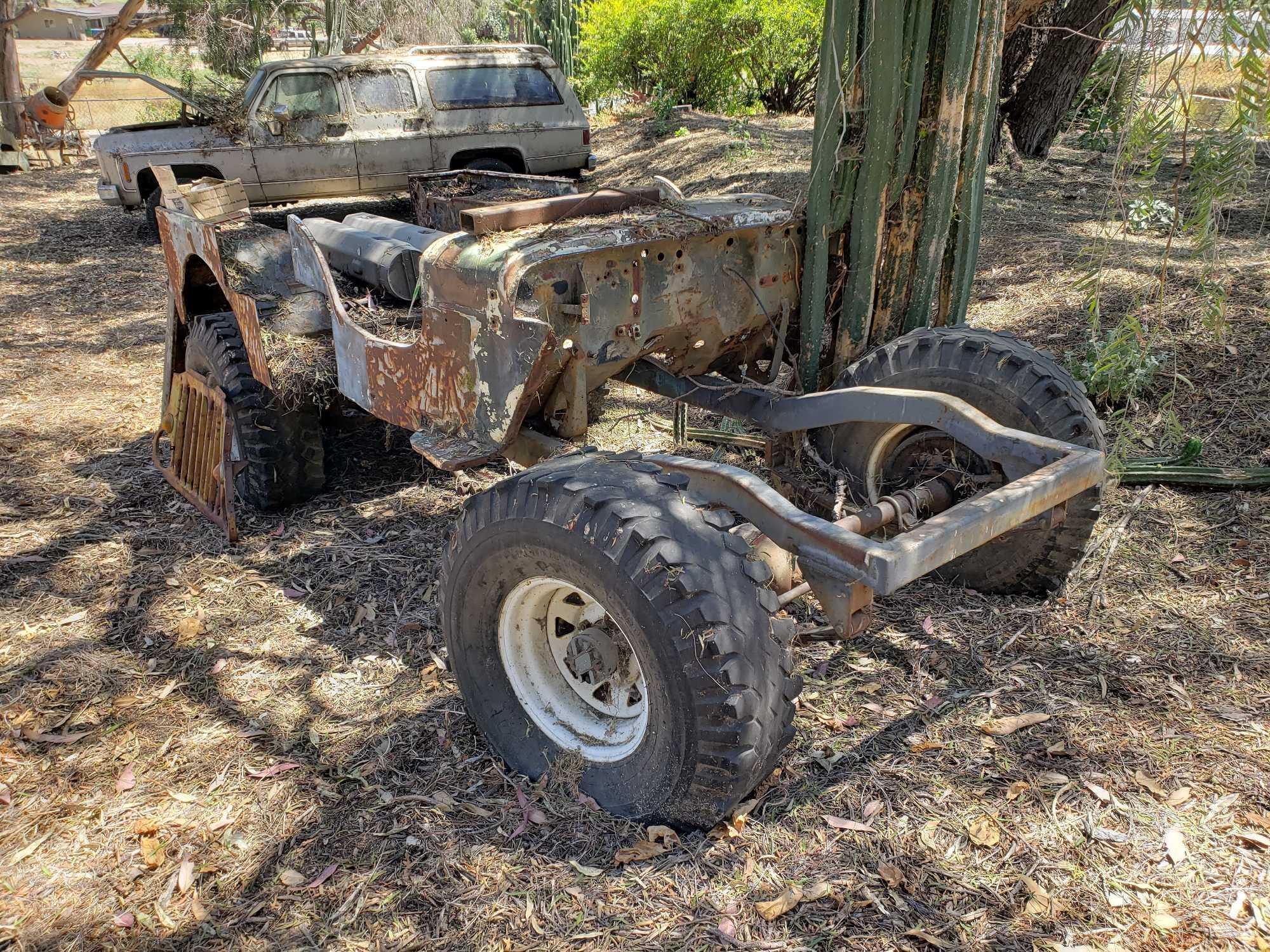
- Specialty Restoration Suppliers: These companies specialize in Willys Jeep parts and offer a wide range of reproduction and original components. They often provide detailed product descriptions and expert advice.
- Online Marketplaces (eBay, Craigslist, etc.): These platforms can be a good source for used and original parts, but exercise caution and carefully inspect photos before purchasing.
- Jeep Clubs and Forums: Connecting with other Willys Jeep enthusiasts can provide valuable leads and advice on finding rare or hard-to-find parts.
- Salvage Yards: While rare, some salvage yards may have older Jeeps with usable body parts.
- Direct from Manufacturers: Some manufacturers produce high-quality reproduction body panels and components.
Tips for Sourcing:
- Know Your Model: Understanding the specific model year of your Jeep is crucial for sourcing the correct parts. There are subtle differences between MB and GPW models, as well as variations within each model year.
- Inspect Carefully: Thoroughly inspect any used parts for rust, damage, and previous repairs.
- Compare Prices: Shop around and compare prices from different suppliers.
- Check for Authenticity Markings: Original parts often have identifying markings or stamps.
- Consider Reproduction Quality: Reproduction parts can vary in quality. Research the manufacturer and read reviews before purchasing.
III. Restoration Techniques: Repairing and Replacing Body Panels
Restoring Willys Jeep body parts often involves a combination of repair and replacement. Here are some common techniques:
- Rust Removal: Rust is a common problem. Methods include sandblasting, media blasting, chemical rust removal, and manual sanding.
- Panel Beating: Dents and damage can be repaired using panel beating techniques.
- Welding: Welding is essential for repairing rust holes, cracks, and joining new panels.
- Body Filler (Bondo): Used to smooth out imperfections and create a uniform surface. Use sparingly and with caution.
- Priming and Painting: Proper priming and painting are crucial for protecting the metal and achieving a durable, authentic finish. Use historically accurate paints and techniques.
Step-by-Step Guide to Replacing a Floor Pan:
- Preparation: Disconnect the battery, remove seats, and any other components obstructing access to the floor pan.
- Rust Removal: Thoroughly remove rust from the surrounding areas.
- Cutting: Carefully cut out the old floor pan using a cutting wheel or plasma cutter.
- Fitting: Test fit the new floor pan and make any necessary adjustments.
- Welding: Weld the new floor pan into place, ensuring proper alignment and a strong weld.
- Grinding: Grind down the welds for a smooth finish.
- Sealing: Apply seam sealer to prevent water intrusion.
- Priming and Painting: Prime and paint the floor pan to match the original finish.
IV. Considerations for Preservation and Longevity
Once you've restored or replaced your Willys Jeep body parts, it's essential to take steps to preserve their condition and ensure longevity:
- Regular Cleaning: Regularly wash and wax the Jeep to protect the paint and prevent rust.
- Rust Prevention: Apply rust inhibitors to vulnerable areas.
- Garage Storage: Store the Jeep in a garage or covered area to protect it from the elements.
- Regular Inspections: Regularly inspect the body for signs of rust or damage.
- Touch-Up Paint: Use touch-up paint to repair minor scratches and chips.
V. Potential Challenges and Solutions
Restoring Willys Jeep body parts can present several challenges:
- Finding Rare Parts: Some parts, especially those specific to early models, can be difficult to find. Solution: Network with other enthusiasts, search online marketplaces diligently, and consider reproduction parts.
- Matching Original Colors: Matching the original paint colors can be tricky. Solution: Consult with paint specialists and use historically accurate paint codes.
- Rust Repair: Extensive rust repair can be time-consuming and challenging. Solution: Consider hiring a professional body shop for complex rust repairs.
- Cost: Restoration can be expensive. Solution: Prioritize repairs, budget carefully, and source parts strategically.
VI. Table Price Willys Jeep Body Parts
| Part Name | Material | Approximate Price Range (USD) | Notes |
|---|---|---|---|
| Body Tub (Reproduction) | Steel | $2,500 - $5,000 | Varies based on quality, features, and completeness. |
| Front Fender (Reproduction) | Steel | $200 - $400 each | Price per fender; quality varies. |
| Grill (Reproduction) | Steel | $300 - $600 | Early "slat grill" models are more expensive. |
| Hood (Reproduction) | Steel | $250 - $500 | Varies depending on stamping and features. |
| Windshield Frame (Reproduction) | Steel | $300 - $700 | Price depends on completeness (with or without glass). |
| Floor Pan (Reproduction) | Steel | $100 - $300 per side | Typically sold as individual panels for driver and passenger sides. |
| Hat Channel (Reproduction) | Steel | $50 - $100 per piece | Prices vary depending on length and complexity of the channel. |
| Rear Panel (Reproduction) | Steel | $200 - $400 | Price may vary if it includes a tailgate. |
| Gas Tank Sump (Reproduction) | Steel | $100 - $200 | Prices vary based on gauge of steel. |
| Body Tub (Original, Used) | Steel | $1,000 - $3,000 | Condition varies greatly; rust is a common issue. |
| Front Fender (Original, Used) | Steel | $100 - $300 each | Condition varies greatly; rust is a common issue. |
| Grill (Original, Used) | Steel | $200 - $500 | Condition varies greatly; rust is a common issue. |
Note: Prices are estimates and can vary based on supplier, condition, and location. Original parts in good condition are often more expensive.
VII. Frequently Asked Questions (FAQ)
- Q: Where can I find the most accurate reproduction body parts?
- A: Research reputable suppliers specializing in Willys Jeep parts. Read reviews and compare the quality of different manufacturers.
- Q: How can I identify original Willys Jeep body parts?
- A: Original parts often have specific markings or stamps. Consult with experienced restorers or refer to reference materials.
- Q: What's the best way to remove rust from body panels?
- A: Sandblasting, media blasting, and chemical rust removal are effective methods. Choose the method that's appropriate for the severity of the rust and the type of metal.
- Q: Can I use body filler to repair large rust holes?
- A: Body filler is not a substitute for proper metal repair. For large rust holes, welding in new metal is the best solution.
- Q: What type of paint should I use for my Willys Jeep?
- A: Use historically accurate paints that match the original colors and finish. Consult with paint specialists for recommendations.
Conclusion: Preserving a Piece of History
Restoring Willys Jeep body parts is a rewarding but challenging endeavor. By understanding the key components, sourcing the right parts, employing proper restoration techniques, and taking steps to preserve your work, you can help keep these iconic vehicles on the road for generations to come. The Willys Jeep is more than just a machine; it's a symbol of freedom, resilience, and American ingenuity. By restoring and preserving these historical treasures, we honor the legacy of those who built and used them. So, embark on your restoration journey with passion, patience, and a commitment to authenticity, and you'll be well on your way to preserving a piece of history.

0 comments