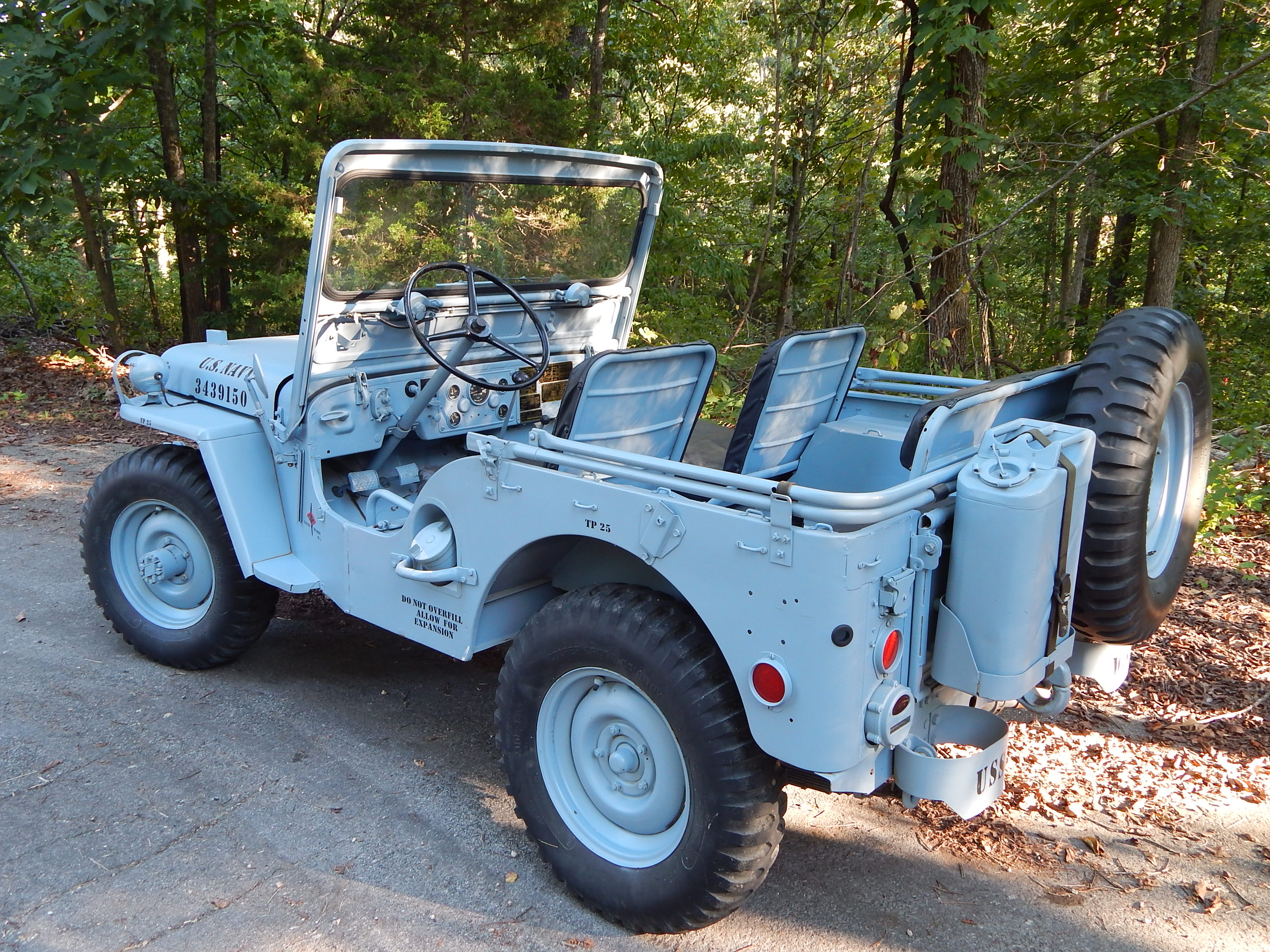
The 1952 Willys Jeep CJ-3A, a direct descendant of the iconic WWII military vehicle, represents a pivotal moment in automotive history. More than just a vehicle, it embodies a spirit of ruggedness, reliability, and freedom. Today, restoring these classic machines is a passion for many, a labor of love that connects them to a rich heritage. This article serves as a comprehensive guide to navigating the world of 1952 Willys Jeep parts, covering everything from essential components to troubleshooting common issues, helping you keep your piece of history alive and kicking.
Why the 1952 Willys Jeep CJ-3A Remains Relevant
Restoring a Legend: A Comprehensive Guide to 1952 Willys Jeep Parts
The CJ-3A, built between 1949 and 1953, holds a unique place in Jeep history. It improved upon the CJ-2A with a one-piece windshield and a more robust transfer case, making it a more practical and durable vehicle. Its simple design, coupled with readily available parts (relatively speaking), makes it a popular choice for restoration projects. Owning and restoring a 1952 Willys Jeep is more than just owning a vehicle; it's preserving a piece of Americana.
1. The Engine: The Heart of the Willys
The 1952 Willys Jeep CJ-3A primarily used the L134 "Go-Devil" engine, a 134 cubic inch (2.2-liter) inline-four. This engine is renowned for its reliability and simplicity, although it wasn't particularly powerful.
-
Essential Engine Parts:
- Pistons and Rings: Replacing worn pistons and rings is crucial for restoring compression and reducing oil consumption. Look for quality aftermarket options specifically designed for the L134.
- Connecting Rods: Inspect connecting rods for wear and damage. Reconditioned or new rods are available to ensure proper engine balance and performance.
- Crankshaft: The crankshaft is the backbone of the engine. Check for cracks, scoring, and proper journal size. Grinding or replacement may be necessary.
- Camshaft: The camshaft controls valve timing. Worn lobes can significantly impact engine performance. Consider a replacement or regrind for optimal power.
- Valves and Valve Springs: Worn valves and weak valve springs can lead to poor compression and reduced engine efficiency. Replacement sets are readily available.
- Head Gasket: A leaky head gasket can cause overheating and loss of compression. Always use a high-quality head gasket when rebuilding the engine.
- Water Pump: A functioning water pump is vital for preventing overheating. Replace it if it shows signs of wear or leakage.
- Fuel Pump: The mechanical fuel pump ensures a steady supply of fuel to the carburetor. Consider a rebuild kit or replacement if it's not functioning properly.
- Carburetor: The carburetor mixes fuel and air for combustion. A rebuild kit can often restore a carburetor to proper working order.
- Distributor: The distributor controls ignition timing. Worn components can lead to poor performance and misfires.


-
Finding Engine Parts: Many online retailers and specialized Jeep parts suppliers offer a wide range of L134 engine components. Look for reputable brands known for quality and durability.
-
Tips for Engine Rebuild:
- Thoroughly clean all engine parts before reassembly.
- Use a torque wrench to ensure proper bolt tightening.
- Consult a repair manual for specific engine specifications and procedures.
- Consider having the engine professionally rebuilt if you lack the necessary experience.
2. The Drivetrain: Transferring Power to the Wheels
The drivetrain of the 1952 Willys Jeep consists of the transmission, transfer case, driveshafts, and axles. These components work together to transfer power from the engine to the wheels.
-
Transmission: The standard transmission was a Warner T-90 three-speed manual.
- Common Issues: Worn synchros, noisy bearings, and difficulty shifting.
- Parts: Rebuild kits containing bearings, seals, and synchros are available.
-
Transfer Case: The Dana 18 transfer case provides both high and low range gearing.
- Common Issues: Leaks, worn gears, and chain stretch.
- Parts: Gaskets, seals, gears, and chains can be sourced for rebuilding.
-
Driveshafts: The driveshafts transmit power from the transfer case to the axles.
- Common Issues: Worn U-joints and shaft imbalance.
- Parts: U-joints are readily available, and driveshafts can be balanced by a professional.
-
Axles: The Dana 25 front axle and Dana 41 rear axle provide robust performance.
- Common Issues: Worn bearings, leaky seals, and damaged gears.
- Parts: Bearings, seals, gears, and axle shafts can be found.
-
Important Considerations:
- Inspect all drivetrain components for wear and damage before reassembly.
- Use high-quality lubricants to ensure proper operation and longevity.
- Consider upgrading to a more modern transmission or transfer case for improved performance and reliability (though this deviates from originality).
3. The Body and Chassis: The Foundation of the Jeep
The body and chassis provide the structural support for the entire vehicle. Restoring these components is essential for safety and aesthetics.
-
Body Panels: Finding original body panels in good condition can be challenging.
- Options: Reproduction panels are available, but they may require some modification to fit properly.
- Repair: Rust repair is a common task. Welding and body filler can be used to repair damaged areas.
-
Chassis: The chassis should be inspected for rust and damage.
- Repair: Welding can be used to repair cracks and weakened areas.
- Replacement: In severe cases, the chassis may need to be replaced.
-
Suspension: The leaf spring suspension provides a rugged and reliable ride.
- Parts: Leaf springs, shackles, and bushings can be replaced to restore ride quality.
- Considerations: Consider replacing the shocks for improved damping.
-
Brakes: The drum brakes provide adequate stopping power for the Jeep.
- Parts: Brake shoes, wheel cylinders, and master cylinder can be replaced.
- Considerations: Inspect the brake lines for leaks and replace them if necessary.
-
Steering: The manual steering system provides direct feedback.
- Parts: Tie rod ends, drag link, and steering box can be rebuilt or replaced.
- Considerations: Inspect the steering linkage for wear and play.
4. Electrical System: Keeping the Lights On
The 6-volt electrical system is relatively simple, but it can be prone to problems.
-
Wiring Harness: A new wiring harness is a good investment for reliability.
-
Battery: A 6-volt battery is required.
-
Generator: The generator charges the battery.
-
Starter: The starter motor cranks the engine.
-
Lights: Headlights, taillights, and turn signals are essential for safety.
-
Troubleshooting:
- Check the battery voltage.
- Inspect the wiring for shorts and breaks.
- Clean the connections.
5. Interior and Accessories: Completing the Restoration
The interior and accessories add to the overall look and feel of the Jeep.
- Seats: New seat covers and cushions can restore the seats to their original condition.
- Gauges: The gauges provide important information about the engine and vehicle.
- Steering Wheel: A new steering wheel can improve the driving experience.
- Accessories: Winches, bumpers, and other accessories can enhance the functionality of the Jeep.
6. Finding Parts: Where to Look
- Online Retailers: Companies like KaiserWillys, Walcks4WD, and MWMilitaryJeeps specialize in Willys Jeep parts.
- Local Auto Parts Stores: Some auto parts stores may carry common parts like batteries, filters, and spark plugs.
- Swap Meets and Flea Markets: Swap meets and flea markets can be a great source for used and NOS (new old stock) parts.
- Online Forums and Communities: Online forums and communities dedicated to Willys Jeeps can provide valuable information and resources for finding parts.
- eBay: eBay can be a good source for both new and used parts.
Price Table for Common 1952 Willys Jeep Parts (Estimates)
| Part | Estimated Price Range | Notes |
|---|---|---|
| L134 Engine Rebuild Kit | $500 - $1500 | Varies depending on the quality and completeness of the kit. |
| T-90 Transmission Rebuild Kit | $150 - $400 | Includes bearings, seals, and synchros. |
| Dana 18 Transfer Case Kit | $100 - $300 | Includes bearings, seals, and gaskets. |
| Leaf Spring (Each) | $100 - $250 | Price varies depending on the number of leaves and spring rate. |
| Brake Shoe Set (Front/Rear) | $50 - $150 | Price varies depending on the brand and quality. |
| Wiring Harness | $200 - $500 | Essential for a reliable electrical system. |
| Seat Covers (Pair) | $150 - $400 | Price varies depending on the material and quality. |
| Headlight Assembly (Each) | $50 - $150 | Includes the lens, reflector, and housing. |
| Carburetor Rebuild Kit | $50 - $100 | A cost-effective way to restore a carburetor. |
| Water Pump | $50 - $150 | Critical for cooling the engine. |
Note: These are estimated prices and may vary depending on the vendor, condition (new, used, rebuilt), and brand.
Frequently Asked Questions (FAQ)
-
Q: Where can I find a reliable mechanic who specializes in Willys Jeeps?
- A: Ask for recommendations on online forums and communities dedicated to Willys Jeeps. Local vintage car clubs may also have suggestions.
-
Q: Are reproduction parts as good as original parts?
- A: The quality of reproduction parts can vary. Research the manufacturer and read reviews before purchasing. Some reproduction parts may require modification to fit properly.
-
Q: What are the most common problems with 1952 Willys Jeeps?
- A: Common problems include rust, electrical issues, and worn drivetrain components.
-
Q: How much does it cost to restore a 1952 Willys Jeep?
- A: The cost of restoration can vary widely depending on the condition of the Jeep and the extent of the restoration. It can range from a few thousand dollars to tens of thousands of dollars.
-
Q: Is it worth restoring a 1952 Willys Jeep?
- A: That depends on your personal goals and budget. Restoring a Willys Jeep can be a rewarding experience, but it can also be time-consuming and expensive.
Conclusion: A Journey Through Time
Restoring a 1952 Willys Jeep CJ-3A is a challenging but incredibly rewarding endeavor. By understanding the intricacies of its parts, the potential challenges, and the resources available, you can successfully breathe new life into this iconic vehicle. It's more than just fixing up an old car; it's preserving a piece of history and connecting with a legacy of adventure and ingenuity. The journey of restoration is a journey through time, a testament to the enduring appeal of the Willys Jeep. So, grab your tools, consult your manuals, and embark on the adventure of restoring your own piece of American automotive history.

0 comments