The 2001 Jeep Wrangler Sahara. Just the name conjures images of open roads, rugged terrain, and the unbridled freedom that only a Jeep can offer. For many, owning a 2001 Sahara is more than just owning a vehicle; it's owning a piece of automotive history. These iconic SUVs, built for adventure, have earned a devoted following. However, even the most robust machines require maintenance and, eventually, restoration. This is where understanding the landscape of 2001 Jeep Wrangler Sahara parts becomes crucial.
This comprehensive guide aims to equip you with the knowledge necessary to maintain, repair, and even upgrade your beloved 2001 Sahara. We'll delve into everything from essential replacement parts to performance enhancements, offering practical advice, actionable insights, and addressing common concerns. So, whether you're a seasoned Jeep enthusiast or just starting your off-road journey, let's explore the world of 2001 Jeep Wrangler Sahara parts.
Restoring a Legend: A Comprehensive Guide to 2001 Jeep Wrangler Sahara Parts
Why the 2001 Jeep Wrangler Sahara Still Matters
The 2001 Sahara, part of the TJ generation (1997-2006), holds a special place in Jeep history. It represents a sweet spot of classic Wrangler design combined with modern conveniences (for the time, at least!). The Sahara trim level specifically offered a touch of luxury compared to the base models, often featuring unique interior and exterior styling cues. This makes sourcing original or high-quality replacement Sahara-specific parts all the more important for maintaining its unique character. The inline-6 engine, known for its reliability and torque, is another key reason why the 2001 Sahara remains a sought-after model.
Essential Replacement Parts for Your 2001 Sahara
Like any vehicle of its age, certain parts on a 2001 Wrangler Sahara are more prone to wear and tear. Keeping these in mind will help prevent larger problems down the road.
- Engine Components:
- Spark Plugs, Wires, and Distributor Cap: Regular replacement ensures optimal engine performance and fuel efficiency.
- Belts and Hoses: Check for cracks and wear, replacing them to prevent breakdowns.
- Water Pump and Thermostat: Crucial for maintaining proper engine temperature and preventing overheating.
- Radiator: A leaky radiator can quickly lead to engine damage.
- Oxygen Sensors: Faulty O2 sensors impact fuel economy and emissions.

- Drivetrain:
- Clutch Kit (Manual Transmissions): A worn clutch can cause slippage and difficulty shifting.
- Transmission Fluid and Filter (Automatic Transmissions): Regular fluid changes are essential for transmission longevity.
- U-Joints: These connect the driveshaft to the axles and are subject to significant stress, especially during off-roading.
- Differentials: Regularly check and maintain the differential fluid to prevent wear.
- Suspension and Steering:
- Shocks and Struts: Worn shocks affect ride quality and handling.
- Leaf Springs: Check for sagging or broken leaves.
- Steering Stabilizer: Dampens vibrations and improves steering control.
- Ball Joints and Tie Rod Ends: Worn components can cause steering looseness and alignment issues.
- Brakes:
- Brake Pads and Rotors: Replace when worn to ensure safe stopping power.
- Brake Lines: Inspect for leaks and corrosion.
- Master Cylinder: A faulty master cylinder can lead to brake failure.
- Electrical:
- Battery: Replace when it no longer holds a charge effectively.
- Alternator: A faulty alternator can drain the battery and cause electrical problems.
- Sensors: Various sensors control engine functions; replace as needed.
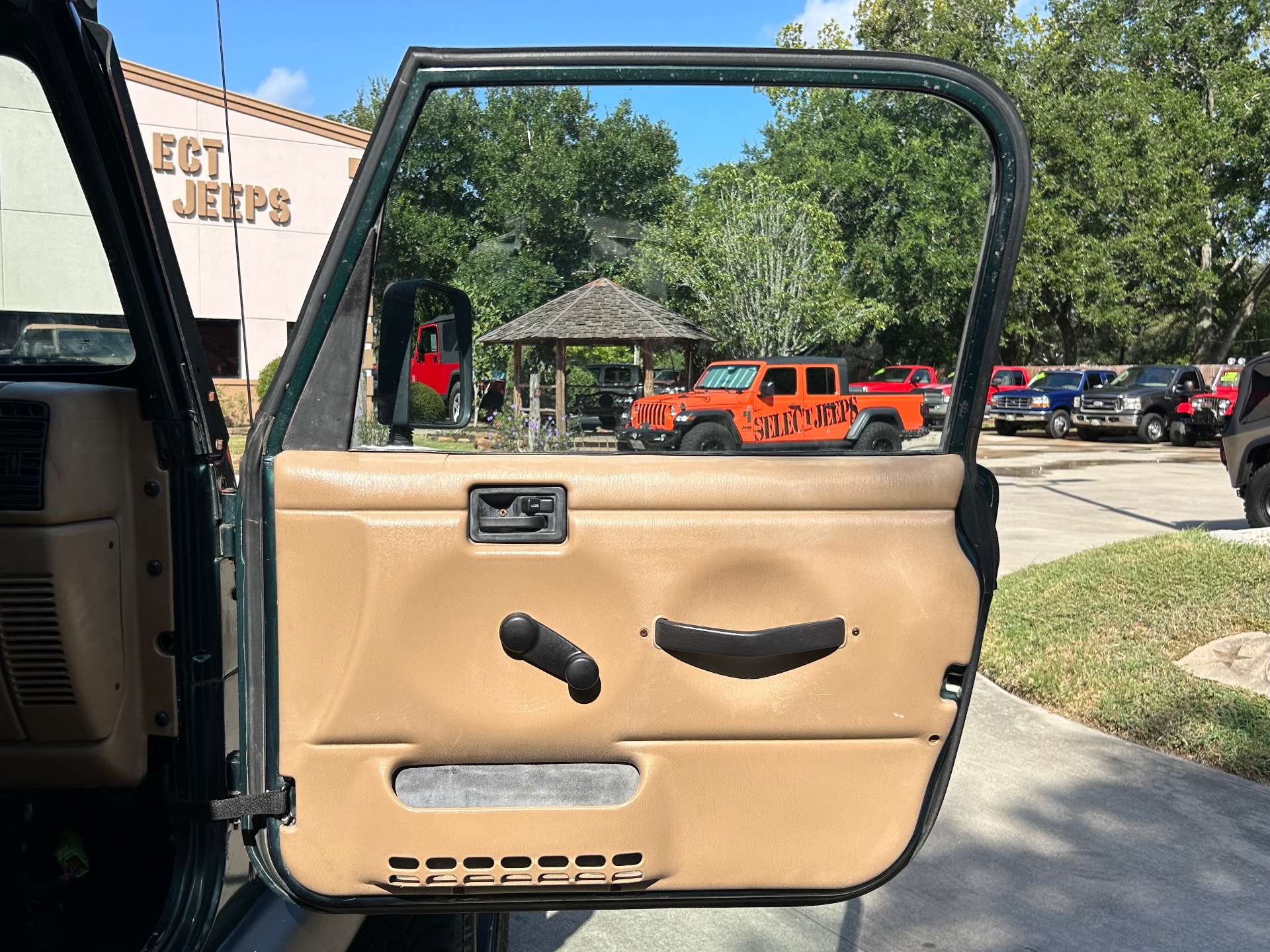
- Body and Interior (Sahara Specific):
- Seat Covers: Sahara models often had unique seat covers. Finding original replacements can be challenging, but aftermarket options are available that closely resemble the originals.
- Floor Mats: Sahara-branded floor mats are another detail to consider for restoration.
- Decals and Badges: Ensure these are in good condition or replaced with accurate reproductions.
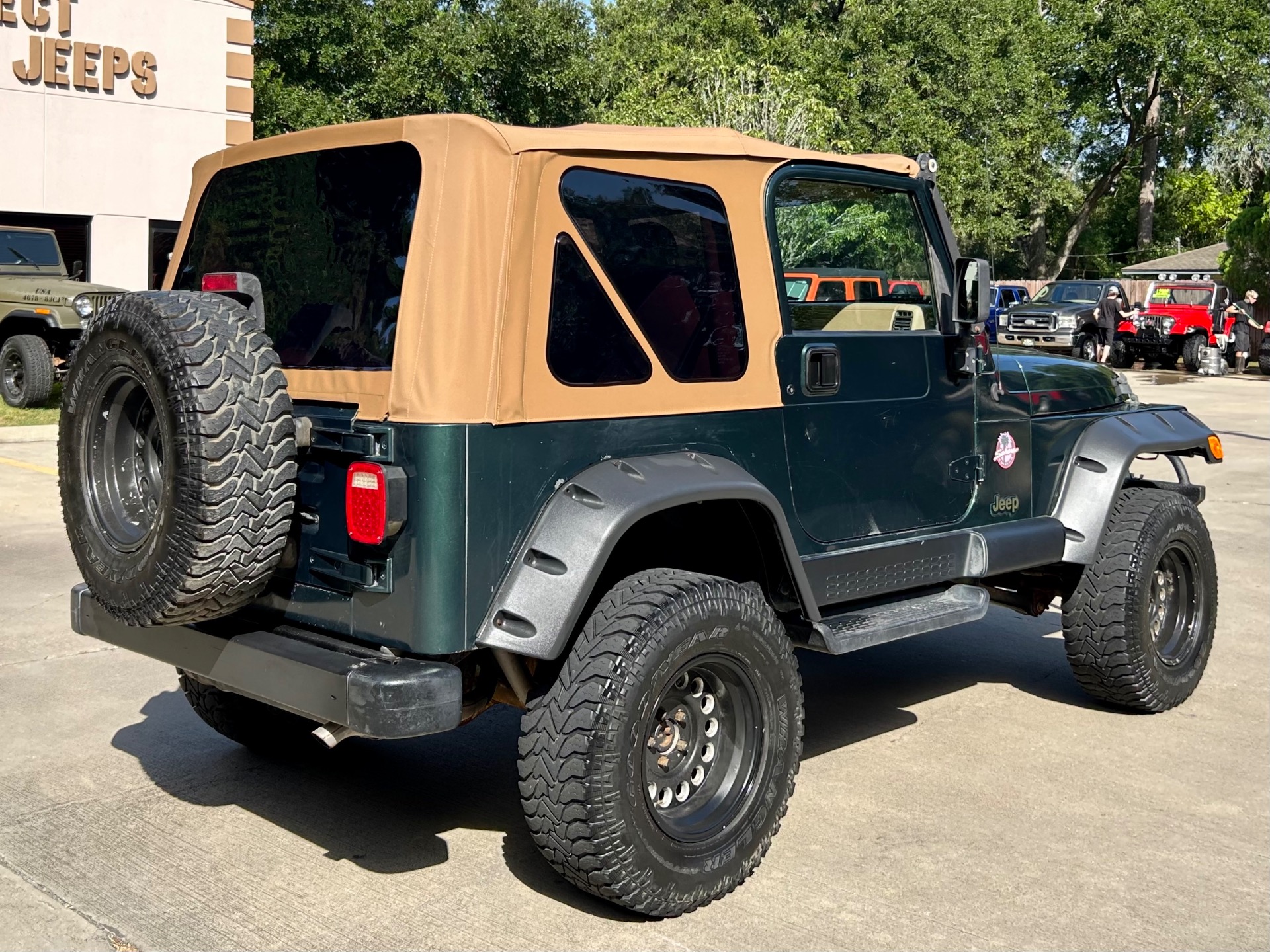
- Soft Top/Hard Top: Maintaining the top is essential for weather protection.
Finding the Right Parts: OEM, Aftermarket, and Used
When sourcing 2001 Jeep Wrangler Sahara parts, you have three primary options:
- OEM (Original Equipment Manufacturer) Parts: These are parts manufactured by or for Jeep, ensuring the highest quality and fit. They often come with a higher price tag. You can typically find these through Jeep dealerships or online parts retailers specializing in OEM components.
- Aftermarket Parts: These are parts manufactured by companies other than Jeep. Aftermarket parts can vary greatly in quality and price. Some aftermarket parts are designed to improve performance or appearance beyond the original specifications. Researching brands and reading reviews is crucial when choosing aftermarket parts.
- Used Parts: Sourcing used parts can be a cost-effective option, especially for less critical components. However, carefully inspect used parts for wear and tear before purchasing. Online marketplaces and junkyards are good sources for used Jeep parts.
Tips for Sourcing Parts:
- Know Your VIN: The Vehicle Identification Number (VIN) is essential for identifying the exact specifications of your 2001 Sahara and ensuring you order the correct parts.
- Consult Online Forums: Jeep forums are a treasure trove of information, with experienced owners sharing their knowledge and recommendations on parts and suppliers.
- Compare Prices: Don't settle for the first price you see. Shop around to find the best deals.
- Check Return Policies: Ensure you can return parts if they don't fit or meet your expectations.
Maintaining Your 2001 Sahara: A Proactive Approach
Preventative maintenance is key to keeping your 2001 Jeep Wrangler Sahara running smoothly and avoiding costly repairs.
- Regular Oil Changes: Follow the manufacturer's recommended oil change intervals.
- Fluid Checks: Regularly check and top off all fluids, including coolant, brake fluid, power steering fluid, and transmission fluid.
- Tire Rotation: Rotate your tires every 5,000-7,000 miles to ensure even wear.
- Visual Inspections: Regularly inspect your vehicle for leaks, damage, and wear.
- Address Issues Promptly: Don't ignore minor problems. Addressing them early can prevent them from escalating into major repairs.
Common Issues and Solutions with 2001 Sahara Parts
- Rust: The TJ generation is prone to rust, particularly in areas like the frame, floor pans, and rocker panels. Repairing rust requires welding and bodywork. Prevention involves regular washing and applying rust inhibitors.
- Vacuum Leaks: Vacuum leaks can cause engine performance issues. Inspect vacuum lines for cracks and replace as needed.
- Electrical Gremlins: Electrical problems can be challenging to diagnose. Start by checking fuses and wiring connections. A multimeter can be helpful for troubleshooting.
- Soft Top Wear: The soft top is susceptible to wear and tear from sun and weather exposure. Clean and protect the soft top regularly. Consider replacing it with a higher-quality aftermarket top for improved durability.
Upgrading Your 2001 Sahara: Performance and Aesthetics
Beyond repairs and maintenance, many owners choose to upgrade their 2001 Jeep Wrangler Sahara for improved performance, off-road capability, or aesthetics.
- Lift Kits: Increase ground clearance and allow for larger tires.
- Tires and Wheels: Choose tires that are appropriate for your driving style and terrain.
- Bumpers and Winches: Enhance off-road capability and protection.
- Lighting: Upgrade to LED headlights and off-road lights for improved visibility.
- Interior Upgrades: Consider adding aftermarket seats, a new sound system, or a custom center console.
Table Price: Common 2001 Jeep Wrangler Sahara Parts
| Part | OEM Price (Approx.) | Aftermarket Price (Approx.) | Used Price (Approx.) | Notes |
|---|---|---|---|---|
| Spark Plugs (Set of 6) | $30 - $60 | $15 - $40 | N/A | Price varies depending on brand and type (e.g., copper, iridium). |
| Brake Pads (Front Set) | $50 - $80 | $30 - $60 | $15 - $30 | Price varies depending on material (e.g., ceramic, semi-metallic). |
| Water Pump | $80 - $150 | $50 - $120 | $30 - $60 | Crucial for engine cooling; consider replacing the thermostat at the same time. |
| Radiator | $200 - $400 | $150 - $300 | $80 - $150 | Inspect for leaks and corrosion regularly. |
| Clutch Kit (Complete) | $200 - $400 | $150 - $350 | $80 - $200 | Only applicable to manual transmissions. Consider replacing the pilot bearing and throwout bearing. |
| U-Joint (Each) | $30 - $60 | $20 - $50 | $10 - $25 | Multiple U-joints are used in the drivetrain; inspect regularly. |
| Shock Absorbers (Each) | $50 - $100 | $30 - $80 | $15 - $40 | Price varies depending on brand and type (e.g., gas-charged, hydraulic). |
| Leaf Spring (Each) | $150 - $300 | $100 - $250 | $50 - $150 | Inspect for sagging or broken leaves. |
| Soft Top (Replacement) | $500 - $1000 | $300 - $800 | N/A | Price varies significantly depending on brand, material, and features (e.g., tinted windows, sunrider). |
| Seat Cover (Sahara Style) | $150 - $300 (Pair) | $100 - $250 (Pair) | N/A | Price varies depending on material and quality. Finding original Sahara style is harder. |
Note: Prices are approximate and can vary depending on the vendor, location, and specific part.
Frequently Asked Questions (FAQ)
-
Q: Where can I find a reliable mechanic who specializes in Jeeps?
- A: Ask for recommendations on Jeep forums, check online reviews, and look for mechanics who are certified by ASE (Automotive Service Excellence).
-
Q: How can I tell if a used part is in good condition?
- A: Visually inspect the part for wear, damage, and corrosion. If possible, test the part before purchasing it.
-
Q: What are the best resources for learning about Jeep repairs?
- A: Jeep forums, online repair manuals, and YouTube videos are excellent resources.
-
Q: How important is it to use OEM parts?
- A: While OEM parts offer the best fit and quality, aftermarket parts can be a viable option if you choose reputable brands and research their products.
-
Q: Is it worth restoring a 2001 Jeep Wrangler Sahara?
- A: For many enthusiasts, the answer is a resounding yes! The 2001 Sahara is a classic Jeep with a loyal following. Restoring it can be a rewarding experience.
Conclusion: Preserving the Legacy
Owning a 2001 Jeep Wrangler Sahara is a privilege. It's a vehicle that embodies adventure, freedom, and a connection to automotive history. By understanding the nuances of 2001 Jeep Wrangler Sahara parts, you can ensure that your beloved Jeep continues to provide years of reliable service and exhilarating experiences. Whether you're performing routine maintenance, tackling a challenging repair, or embarking on a performance upgrade, remember that the knowledge and resources are available to keep your 2001 Sahara running strong and looking its best. Embrace the journey, and enjoy the ride!
0 comments