The Jeep Willys CJ3B, with its distinctive high-hood silhouette and undeniable ruggedness, holds a special place in automotive history. A direct descendant of the WWII military Jeep, the CJ3B served as a workhorse, a recreational vehicle, and a symbol of American ingenuity. Today, restoring and maintaining these iconic vehicles is a popular passion, and understanding the nuances of CJ3B parts is crucial for any enthusiast. This comprehensive guide will delve into the world of Jeep Willys CJ3B parts, covering everything from essential components to sourcing advice and troubleshooting tips.
Introduction: The CJ3B Legacy and the Importance of Quality Parts
Restoring a Legend: A Comprehensive Guide to Jeep Willys CJ3B Parts
The Jeep Willys CJ3B, produced from 1953 to 1968 (and later in some international markets), represents a significant evolution in civilian Jeeps. Its most notable feature is the taller F-head "Hurricane" engine, necessitating the high hood that distinguishes it from its predecessors. While relatively simple in design, the CJ3B requires careful attention when restoring or repairing. Using correct and quality parts is paramount for maintaining its originality, reliability, and value. Incorrect parts can lead to performance issues, safety concerns, and ultimately, a less satisfying restoration experience. Whether you're undertaking a full frame-off restoration or simply performing routine maintenance, this guide will provide the knowledge you need to navigate the world of CJ3B parts.
Section 1: The Engine – Heart of the CJ3B
The heart of the CJ3B is the F-head "Hurricane" four-cylinder engine. Understanding its components and their specific replacements is crucial.
- Engine Block and Internals: Sourcing a good condition engine block is often the starting point. Rebuilding requires pistons, rings, bearings (main, rod, and cam), and a crankshaft. Quality is key here; opt for reputable brands known for their durability and precision.
- Cylinder Head: The F-head design, with its intake valve in the head and exhaust valve in the block, is unique. Reconditioning the cylinder head often involves valve grinding, valve seat replacement, and ensuring proper sealing. Replacement heads are also available.
- Carburetor: The original Carter YF carburetor is prone to wear and tear. Rebuilding kits are readily available, but consider a replacement if the carburetor body is damaged.
- Fuel System: The fuel pump, fuel lines, and fuel tank are critical. Ensure the fuel tank is clean and free of rust. Replace fuel lines with fuel-resistant hoses to prevent leaks.
- Cooling System: The radiator, water pump, and thermostat work together to regulate engine temperature. Ensure the radiator is clean and free of leaks. Replace the water pump if it shows signs of wear or leakage. Use the correct thermostat for optimal engine performance.
- Exhaust System: The exhaust manifold, exhaust pipe, and muffler need to be in good condition to ensure proper engine breathing and reduce noise. Replacement exhaust systems are available in various materials, including aluminized steel for increased durability.
Practical Advice: When rebuilding the engine, consider having the machine work (boring, honing, valve grinding) done by a reputable machine shop experienced with vintage engines. Always use a torque wrench when assembling engine components and follow the manufacturer's specifications.
Section 2: The Drivetrain – Power to the Wheels
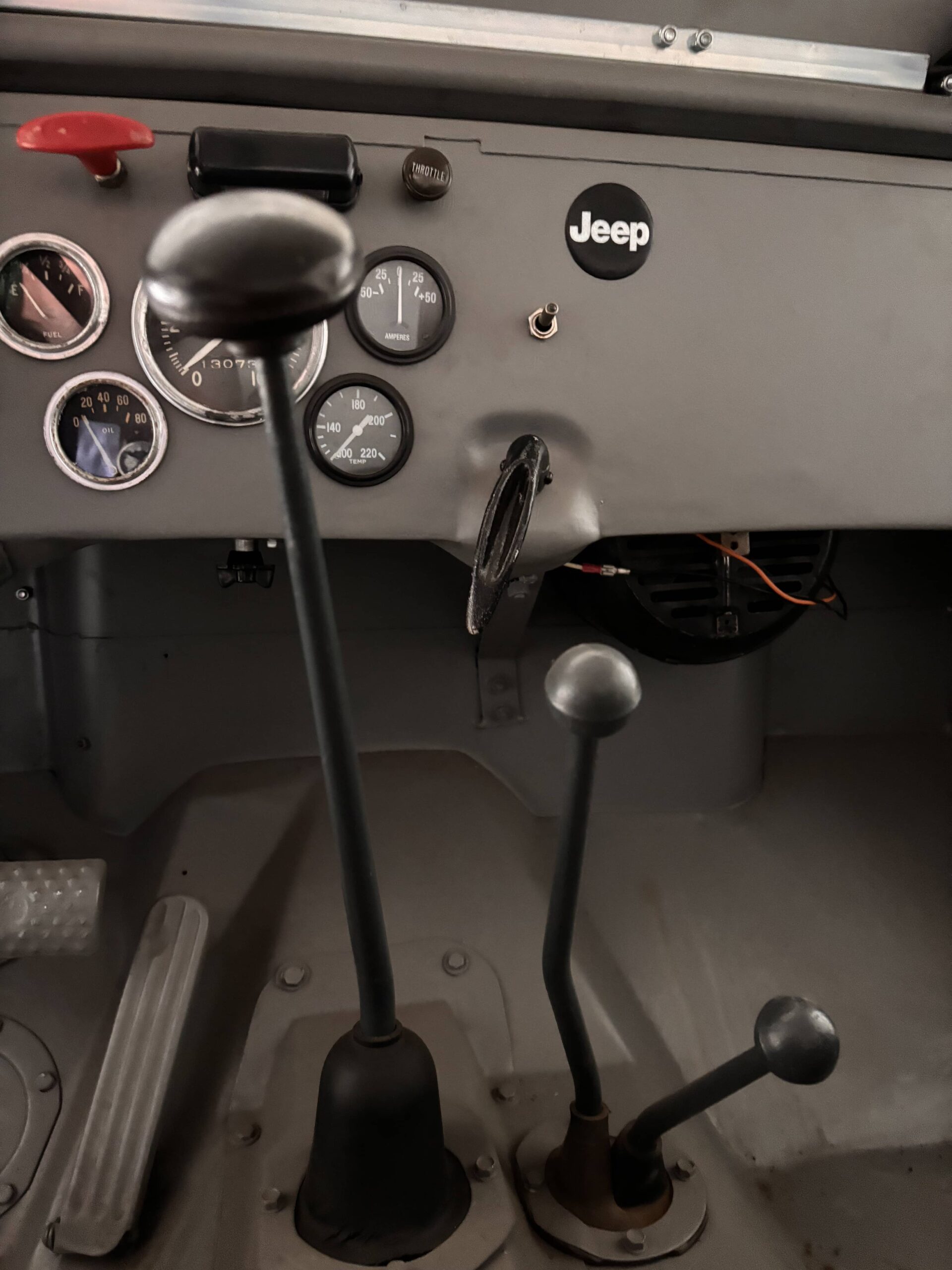
The CJ3B's drivetrain consists of the transmission, transfer case, driveshafts, and axles.
- Transmission: The Warner T-90 three-speed manual transmission is robust but can suffer from wear on the gears and synchronizers. Rebuilding kits are available.
- Transfer Case: The Dana 18 transfer case provides two-wheel drive and four-wheel drive capabilities. Common issues include worn gears, leaky seals, and a stretched chain. Rebuilding kits and replacement chains are readily available.
- Driveshafts: The driveshafts transfer power from the transfer case to the axles. Check for worn U-joints and ensure the driveshafts are properly balanced.
- Axles: The Dana 25 front axle and Dana 44 rear axle are durable but can experience wear on the gears, bearings, and seals. Rebuilding kits are available, and upgrading to stronger axles is an option for those who plan on serious off-roading.

Important Considerations: When rebuilding the transmission or transfer case, pay close attention to the shimming and bearing preload to ensure proper operation and longevity. Use the correct gear oil and lubricants.
Section 3: Suspension and Steering – Handling the Terrain
The CJ3B's suspension and steering are simple but effective.
- Leaf Springs: The leaf springs provide the CJ3B's suspension. They can sag over time, affecting ride height and handling. Replacement leaf springs are available in various load ratings.
- Shocks: The shocks dampen the movement of the leaf springs. Replace them with quality shocks to improve ride comfort and handling.
- Steering System: The manual steering system consists of the steering box, steering linkage, and steering wheel. Check for excessive play in the steering system and address any worn components. Rebuilding kits are available for the steering box.
Tips: Consider adding a steering stabilizer to improve steering stability, especially if you plan on using larger tires. Regularly lubricate the steering linkage to prevent wear.
Section 4: Body and Frame – The CJ3B's Foundation
The body and frame are the foundation of the CJ3B.
- Frame: The frame should be inspected for rust and damage. Repair or replace any sections that are severely corroded.
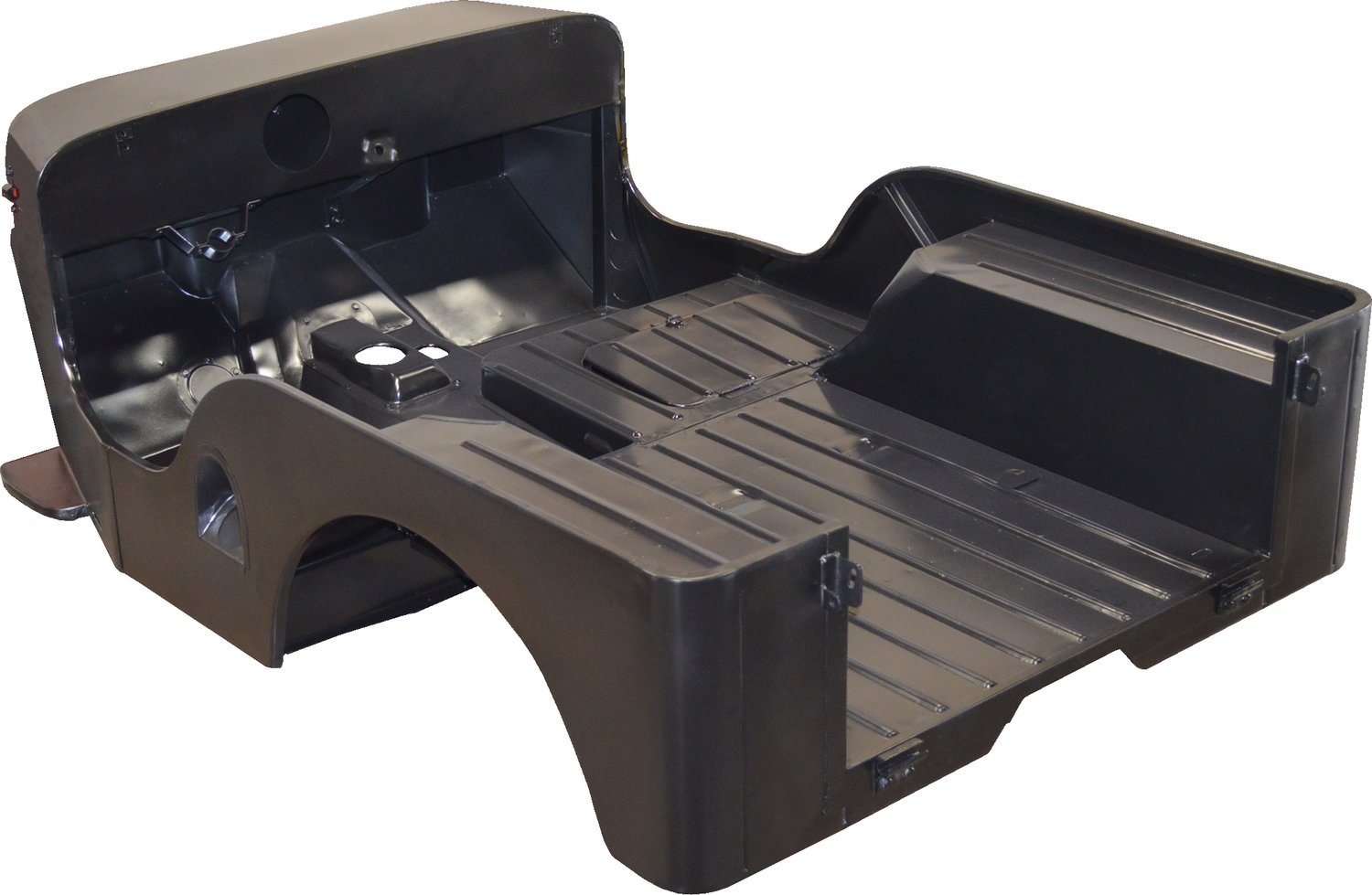
- Body Panels: Body panels, including the hood, fenders, windshield frame, and tub, are often subject to rust and damage. Replacement panels are available, and welding skills are often required for repairs.
- Seats: The seats can be reupholstered or replaced.
- Windshield: The windshield glass and frame can be replaced.
Potential Challenges: Finding rust-free body panels can be challenging. Consider using fiberglass replacement panels if you're unable to find original steel panels in good condition.
Section 5: Electrical System – Keeping the Lights On
The CJ3B's electrical system is relatively simple but essential.
- Wiring Harness: The wiring harness can become brittle and damaged over time. Replacement wiring harnesses are available.
- Lights: The headlights, taillights, and turn signals need to be in good working order for safety.
- Ignition System: The ignition system consists of the distributor, coil, spark plugs, and wires. Ensure the ignition system is properly tuned for optimal engine performance.
- Battery: Use a high-quality battery that meets the CJ3B's specifications.
Solutions: When replacing the wiring harness, consider using a modern wiring harness with updated connectors and fuses for improved reliability.
Section 6: Brakes – Ensuring Safe Stops
The CJ3B's braking system is a crucial safety component.
- Brake Shoes: The brake shoes need to be replaced when they become worn.
- Brake Drums: The brake drums should be inspected for wear and damage. They can be resurfaced or replaced.
- Brake Cylinders: The wheel cylinders and master cylinder can leak over time. Rebuilding kits are available, or you can replace them with new units.
- Brake Lines: The brake lines should be inspected for rust and damage. Replace them with new lines if necessary.
Tips: Bleed the brakes after performing any brake work to remove air from the system.
Section 7: Sourcing CJ3B Parts – Where to Look
Finding the right CJ3B parts can be a challenge, but several resources are available.
- Online Retailers: Several online retailers specialize in Jeep Willys parts.
- Local Auto Parts Stores: Some local auto parts stores may carry common CJ3B parts.
- Jeep Clubs and Forums: Jeep clubs and forums are excellent resources for finding parts and advice.
- Swap Meets and Flea Markets: Swap meets and flea markets can be a treasure trove of vintage Jeep parts.
Section 8: Price table
| Part Description | Estimated Price Range | Notes |
|---|---|---|
| Engine Rebuild Kit | $500 - $1500 | Varies based on quality and components included |
| Cylinder Head (New/Rebuilt) | $300 - $800 | Rebuilt can be cheaper but ensure quality |
| Carburetor (New/Rebuilt) | $200 - $500 | New may offer better reliability |
| Fuel Pump | $50 - $150 | Mechanical fuel pump |
| Radiator | $200 - $400 | Brass or aluminum options available |
| Water Pump | $50 - $150 | |
| Exhaust System | $200 - $500 | Includes manifold, pipe, and muffler |
| Transmission Rebuild Kit | $200 - $500 | T-90 transmission |
| Transfer Case Rebuild Kit | $150 - $400 | Dana 18 transfer case |
| Leaf Springs (Each) | $100 - $300 | Varies based on load rating |
| Shock Absorbers (Each) | $30 - $100 | |
| Wiring Harness | $200 - $400 | Complete wiring harness |
| Brake Shoes (Set) | $50 - $100 | |
| Wheel Cylinder (Each) | $30 - $80 | |
| Body Panels (Each) | $100 - $500+ | Varies significantly based on the panel and condition |
| Seat Upholstery Kit | $200 - $500 | For two seats |
| Windshield Frame | $200 - $400 | |
| Battery | $100 - $200 |
Note: Prices are estimates and can vary depending on the supplier, condition (new, used, rebuilt), and specific brand. It's always wise to shop around and compare prices.
Conclusion: Preserving a Piece of History
Restoring a Jeep Willys CJ3B is a rewarding experience that allows you to connect with automotive history and preserve a piece of Americana. By understanding the specific parts required and sourcing them carefully, you can ensure that your CJ3B remains a reliable and cherished vehicle for years to come. Remember to prioritize quality, research thoroughly, and seek advice from experienced CJ3B enthusiasts. With patience and dedication, you can bring your CJ3B back to its former glory and enjoy the thrill of driving a true classic.
Frequently Asked Questions (FAQ)
- Q: Where can I find the VIN number on a CJ3B?
- A: The VIN number is typically located on a plate on the driver's side firewall.
- Q: What is the correct tire size for a CJ3B?
- A: The original tire size was 6.00-16.
- Q: What type of oil should I use in the engine?
- A: A high-quality 10W-30 or 10W-40 motor oil is generally recommended.
- Q: How do I adjust the valves on the F-head engine?
- A: Consult a repair manual or seek guidance from an experienced mechanic. The F-head valve adjustment process is unique.
- Q: Can I convert my CJ3B to power steering?
- A: Yes, power steering conversion kits are available, but they require modifications to the frame and steering system.
- Q: Where can I find a CJ3B service manual?
- A: Online retailers and Jeep clubs often sell reprinted service manuals.
- Q: How can I tell if my CJ3B has the original engine?
- A: Check the engine block for casting numbers and compare them to CJ3B engine specifications.
- Q: What is the best way to remove rust from body panels?
- A: Sandblasting, media blasting, and chemical rust removers are all effective methods.
- Q: How do I properly lubricate the CJ3B's chassis?
- A: Use a grease gun to lubricate the grease fittings on the suspension, steering, and drivetrain components.
- Q: What are some common problems with the CJ3B's electrical system?
- A: Common problems include corroded wiring, faulty grounds, and worn-out switches.

0 comments